
Topic
Telecom Spectrum and Security
Within the Topic facet, Telecom Spectrum and Security topic intelligence connects articles that share a specific subject, signal focus, or monitoring theme. The page gives readers a richer path through related reporting, source evidence, market actors, and infrastructure implications, with enough context to understand why the topic matters across company movements, governance decisions, regional exposure, and operational risk. Readers can compare recurring signals, affected organisations, public evidence, market context, service continuity, procurement, competition, compliance, and strategic planning questions behind the subject instead of stopping at a thin list of matching articles. It explains what the topic covers, which infrastructure actors or policies are involved, what evidence supports the coverage, and why the subject may matter for operators, customers, investors, and policy readers.

Europe and Middle East National Telecom
Telefonica de Espana: public remedy, unreadable access price
Spain's competition and telecom regulator keeps a public file on the wholesale market where rivals buy the use of an incumbent's network. The file, the regulator's press page and the operator's own results page were all retrieved. None of them yielded a price, a volume or a…

CASE FILE
AGCOM’s 191 Million Blocks Measure Filtering, Not Fraud Prevented
Italy’s regulator reports 191 million blocked call attempts in eight months and €822,500 in fines against two companies. The measures describe two different controls; neither figure counts proven victims or losses avoided.
Asia-Pacific National Telecom Trends
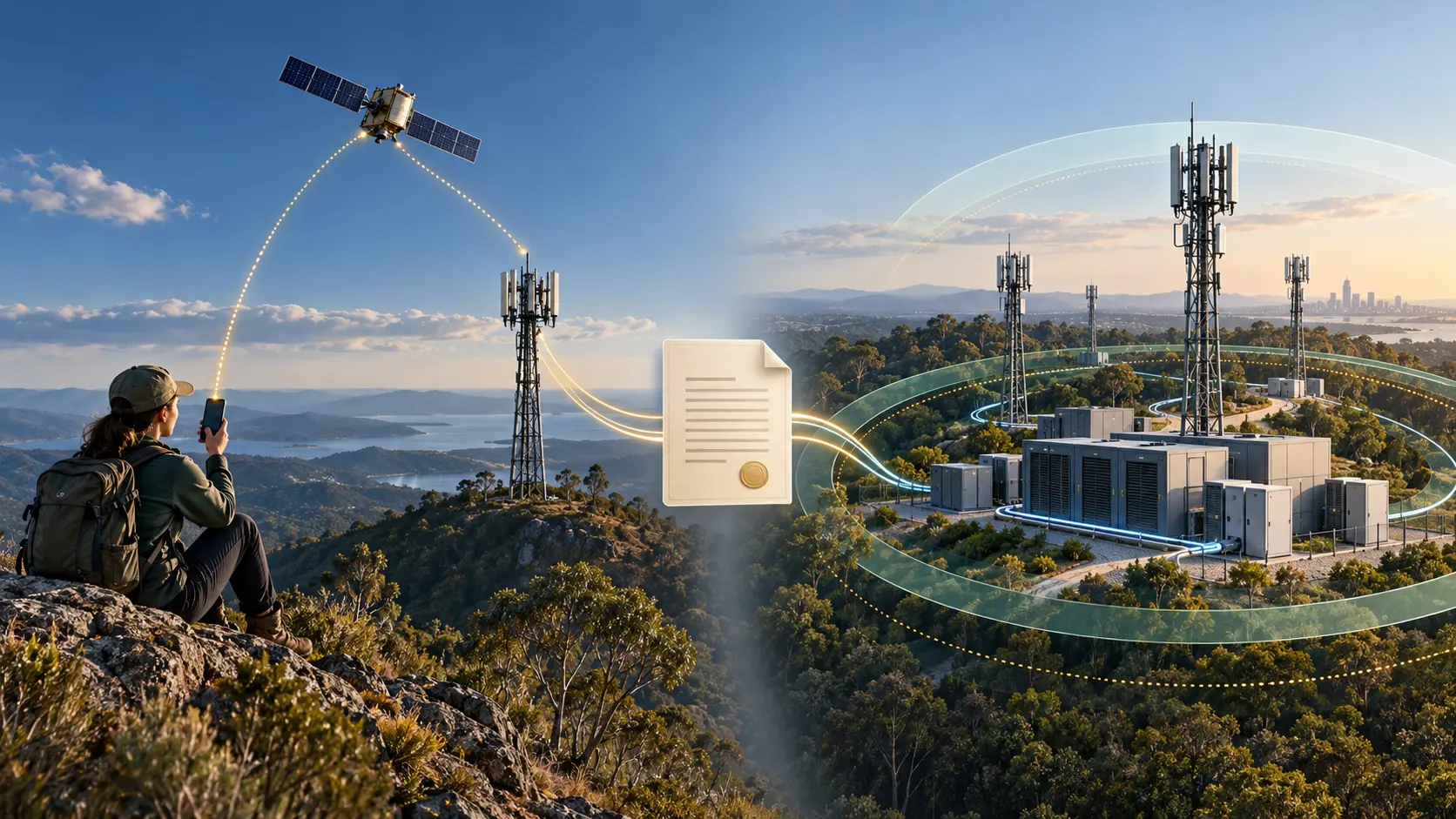
Australia’s UOMO law adds a separate terrestrial reliability track
Parliamentary passage moves Australia’s Universal Outdoor Mobile Obligation beyond the proposal stage, but it does not collapse every mobile-policy question into one coverage promise. The amended framework distinguishes an outdoor voice-and-SMS duty from a later track for…
CASE FILE
Helios Towers: Four Reported Numbers and a Missing Cash-Flow Chain
Helios Towers' half-year summary records EBITDA up 14 per cent, recurring free cash flow up 52 per cent and leverage down to 3.4x. None of those movements can be checked against the lease-up mechanism said to produce them, because the account available today stops at the headline…

North America National Telecom
Array Digital Infrastructure: A US$517m Half-Year Profit and US$53m of Quarterly Rent
The company that kept UScellular's towers and much of its spectrum now reports four different things at once — recurring site rent, spectrum-sale consideration, a half-year profit and a balance sheet — and not one of them measures the others.
North America National Telecom
Frontier's conditions name four duties and specify none
The Verizon–Frontier transaction closed on 20 January 2026. The last approval on the public record attached conditions under four headings — affordability, service quality, infrastructure investment, and workforce and supplier diversity — and nothing obtainable turns those…

North America Regional ISP
Plateau Telecommunications: What the Record Does Not Show
A rural operator's buildout is normally read off three numbers — route miles, homes passed, subscribers — and those numbers look identical whether the capital behind them arrived as customer revenue or as universal-service support and rural-development credit. For Plateau…

Asia-Pacific National Telecom Trends
ACMA’s 6 GHz Wi-Fi plan puts AFC providers on the compliance hook
Australia’s regulator is weighing standard-power Wi-Fi in 6 GHz, with access mediated by accredited frequency-coordination providers. Early trials have exposed a less visible test: keeping incumbent licence data synchronized well enough for those providers to carry the…

Asia-Pacific Institutional Trends
ACMA’s 6 GHz plan puts accredited AFC providers at the point of access
Australia’s regulator is consulting on a class-licence route for standard-power Wi-Fi. The proposed gate is an accredited coordination provider, whose records and audit duties are still being designed.

North America National Telecom Trends
The FCC’s new device rule reaches the online listing
The FCC’s October rule reaches beyond the manufacturer and into the online offer. Its new component and marketplace controls matter, but an FCC ID remains an authorization reference—not a complete supply-chain certificate.

Europe and Middle East National Telecom Trends
Fraud data can travel; suspicion still needs a label
The UK’s new telecom fraud-sharing guide lowers the practical barrier to cooperation, but its real test is whether each signal keeps its source, confidence and correction path as it crosses company and sector boundaries.

Europe and Middle East National Telecom Trends
Oman’s private-network rules and spectrum study run on separate clocks
Oman closed a spectrum study for private broadband in October after consulting separately on a personal-use private-network regulation in June. The public record does not join the two processes or show an allocation decision. For an enterprise, that means network permission and…

CASE FILE
The small print that decides where France’s small radios can go
France is proposing new conditions for devices ranging from RFID readers to veterinary implants. The frequency numbers attract attention. The columns beside them decide which equipment may use those frequencies, how it must behave and, sometimes, whether it can leave the…

Europe and Middle East National Telecom Trends
France’s 1800 MHz sharing deal creates a local capacity option
Arcep has authorized four French mobile operators to make their 1800 MHz blocks available to one another at selected sites. The measure gives the 2019 sharing agreement a new operating lever through March 2031, but the public decision does not show how many sites will use it or…

Asia-Pacific National Telecom
Vodafone Idea: The Instalment Curve Rises Faster Than the Capital Does
Vodafone Idea has spent two years converting a payment calendar into time. The retained record of that effort contains one number the earlier account of it did not put on a single line: the statutory instalment the company must pay rises faster, in percentage terms, than any…
CASE FILE
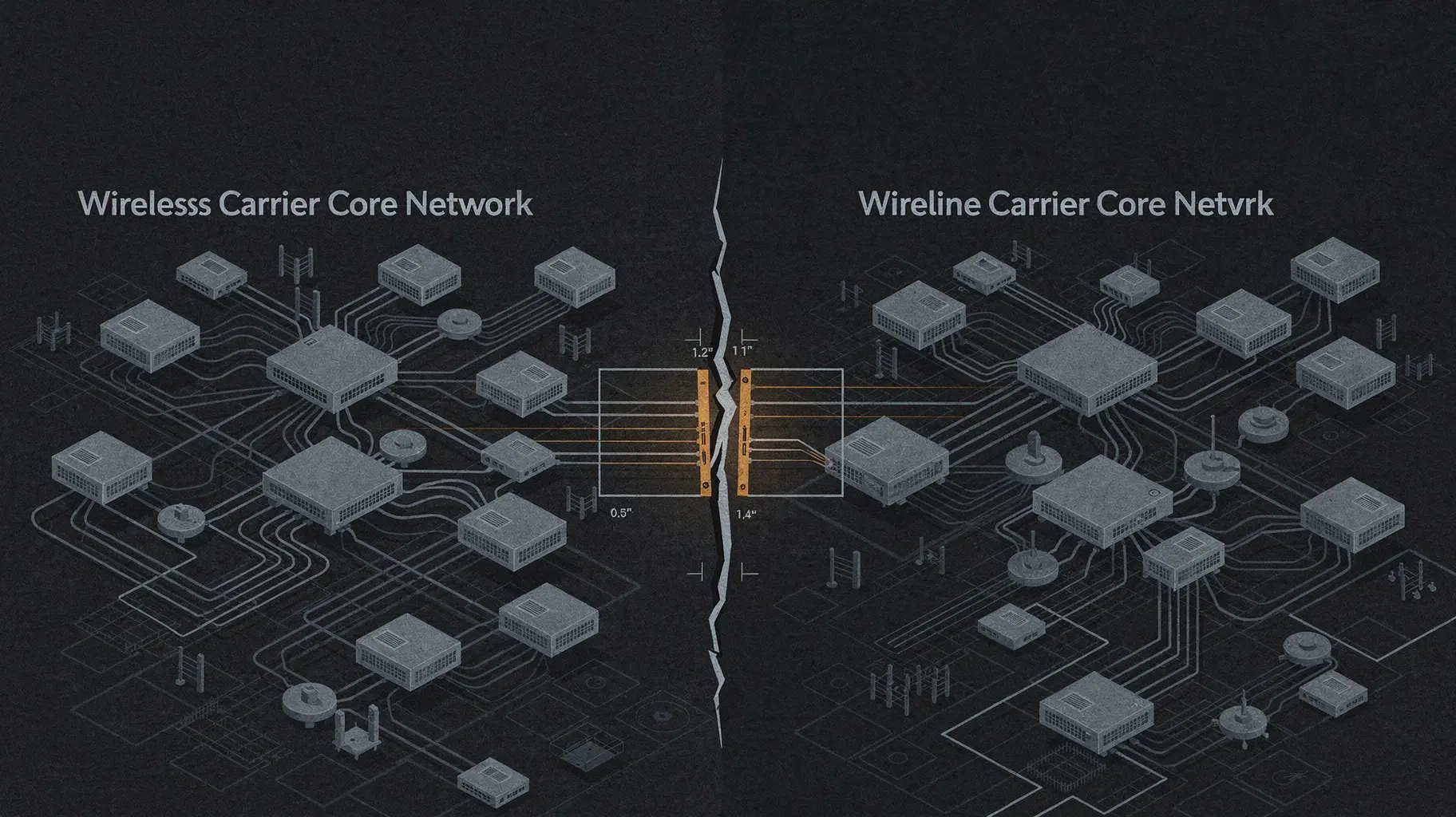
Rogers announced a network split after its 2022 outage; the record reviewed here does not show it tested
A national network went dark on 8 July 2022, and Canada's telecom regulator asked the operator to explain itself. Rogers Communications answered with a maintenance update that broke routers and a plan to separate its wireless and wireline networks. This case file follows that…
Latin America and Caribbean National Telecom Trends
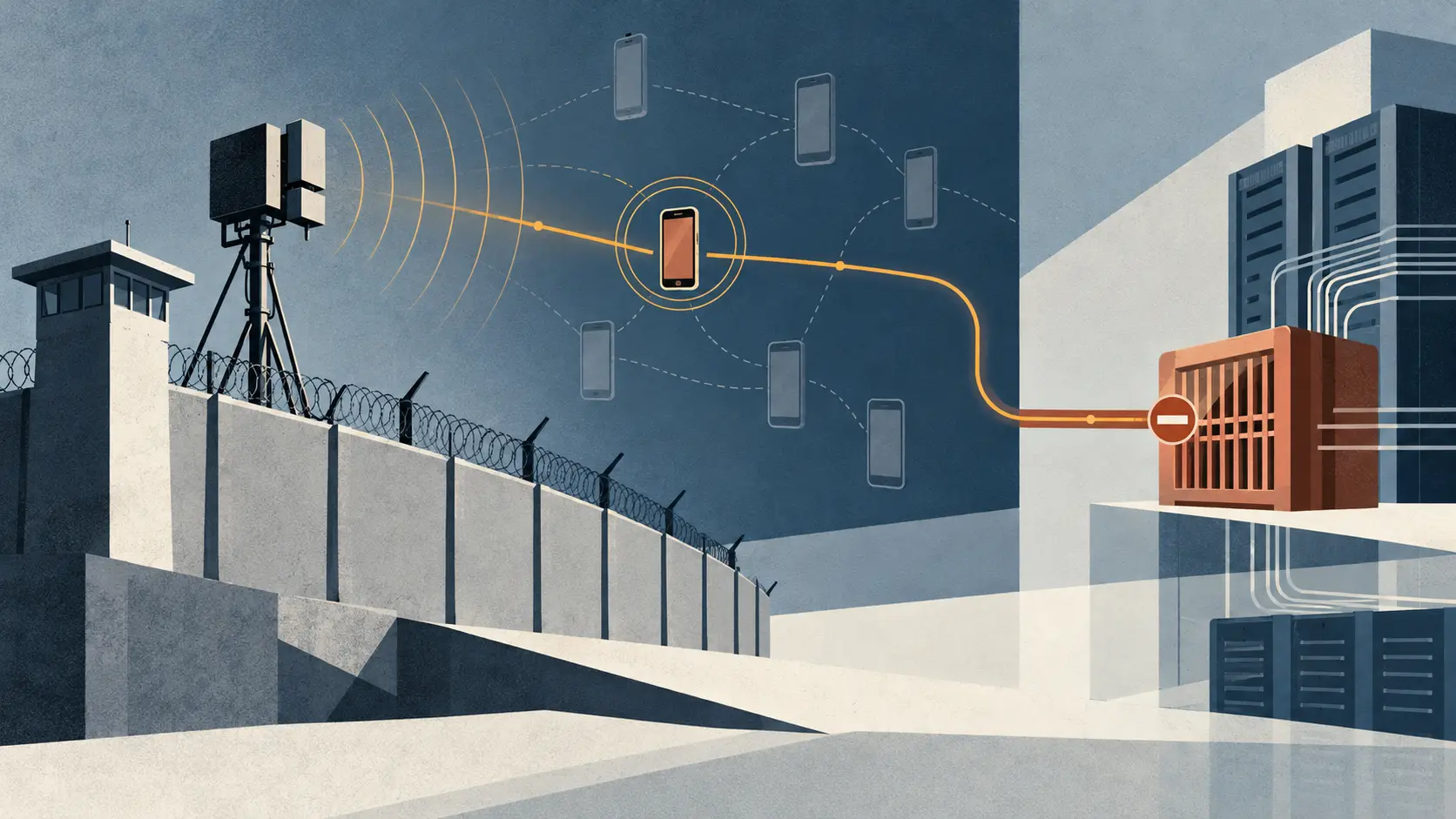
Brazil has blocked 143 prison devices. The audit trail is the next test
The first administrative action under Brazil’s new prison-telecom rules shows that a signal detected inside a prison can become an individual network restriction. The harder question is whether every hand-off—from IMEI identification to carrier execution and correction—can be…
North America National Telecom
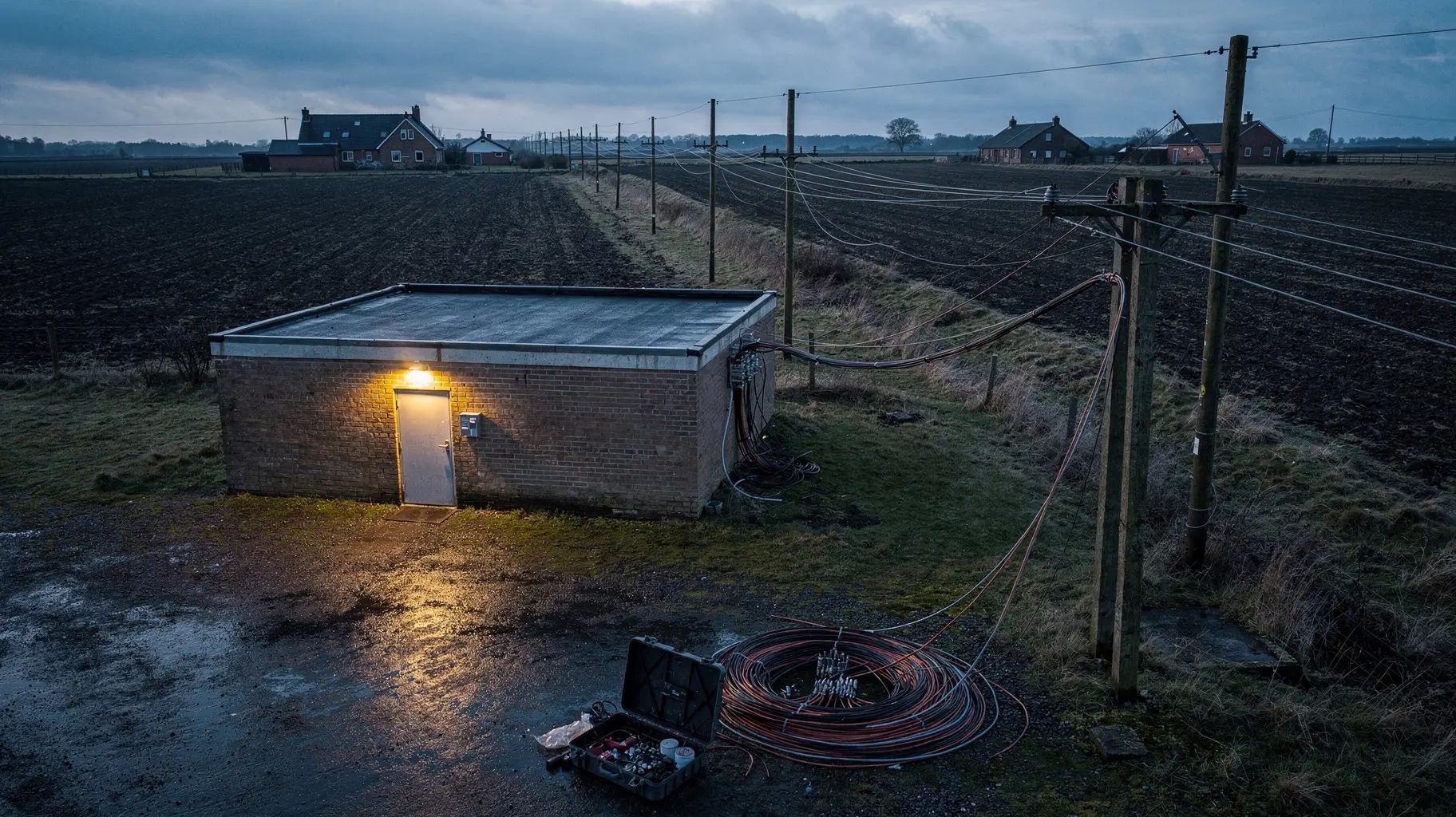
Verizon Now Owns Frontier's Licences. The FCC Declined to Say What Those Lines Must Do.
The order that cleared Verizon Communications Inc. to hold Frontier Communications Corporation's licences settled ownership and left conduct open. In the same document the federal regulator expressly refused three requests that would have fixed how the acquired plant is sold…

Latin America and Caribbean National Telecom Trends
Five states, one spectrum bill: ECTEL’s fee reset turns harmonisation into a distribution choice
ECTEL’s consultation proposes a common way to value mobile spectrum across five Eastern Caribbean states. The harder question comes after the valuation: whether each state pays in proportion to population or receives an equal share of the regional allocation. No new rate is in…
Asia-Pacific National Telecom
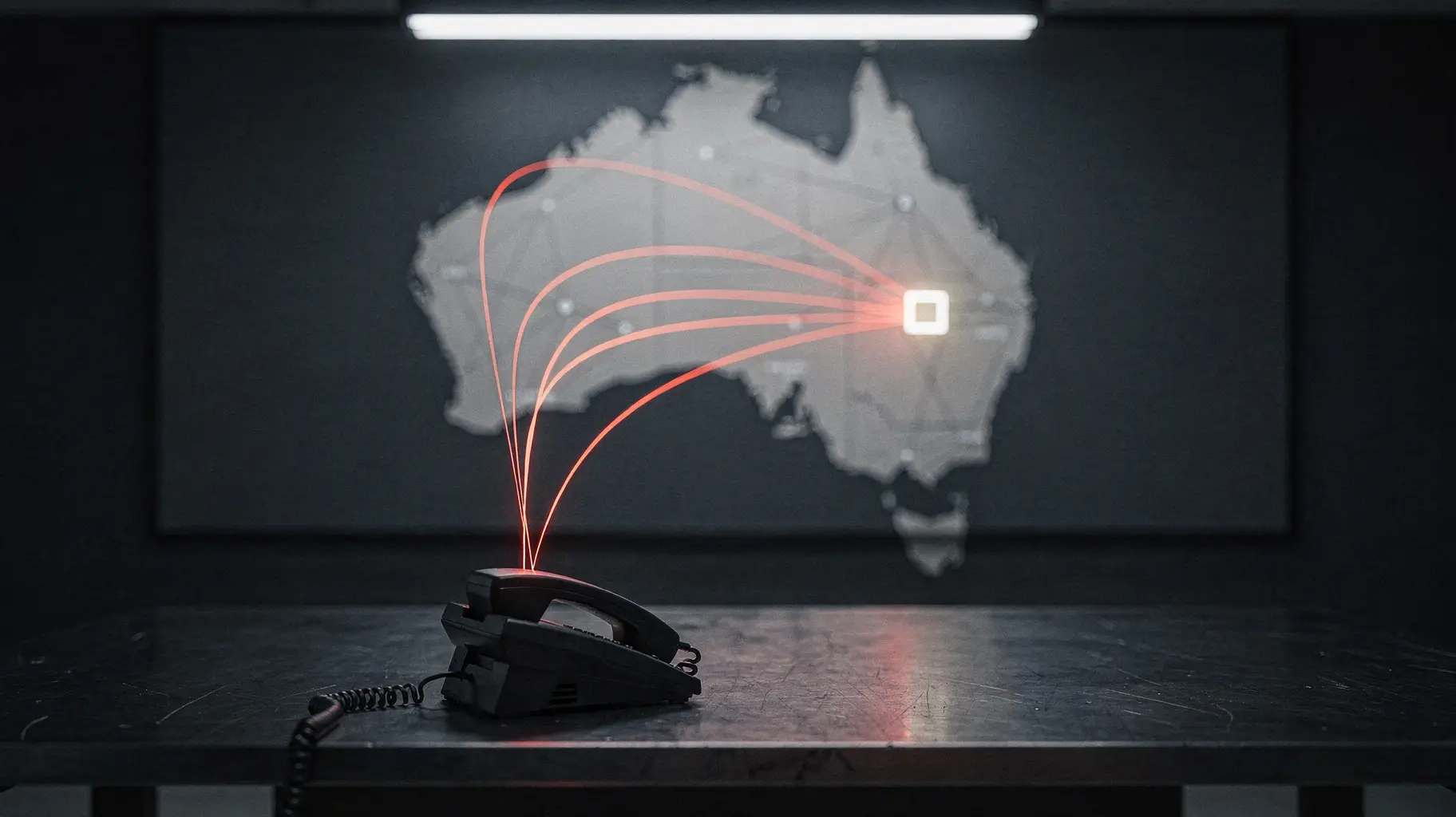
When 000 fails, who answers? Telstra and the widening of emergency-call accountability
Australia's emergency-calling record between November 2023 and September 2026 is not a single outage story. It is a sequence of four instruments, each one widening the question from what one carrier did to who should hold the emergency line at all.