Summary
- Old Weather had each log page transcribed by at least three people, making disputed readings visible.
- The project’s 2011 analysis separated ambiguous handwriting from a legible error in HMS Defence’s 1914 log.
The number was perfectly readable: 28.80. That was the awkward part.
In a March 2011 analysis, Old Weather’s project author, posting as Philip, pointed to the barometer entry for midnight on 7 October 1914. HMS Defence’s log really did say 28.80 inches. The analysis identified it as an error in the original record and suggested 29.80 as a possible intended value. A diligent volunteer could type the visible number flawlessly and deliver the old mistake in excellent digital condition.
Old Weather had launched in October 2010 to turn handwritten Royal Navy weather observations into records computers could use. Internet volunteers supplied the reading. The sailors had already supplied the material, including its imperfections.
Three readers, one troublesome line
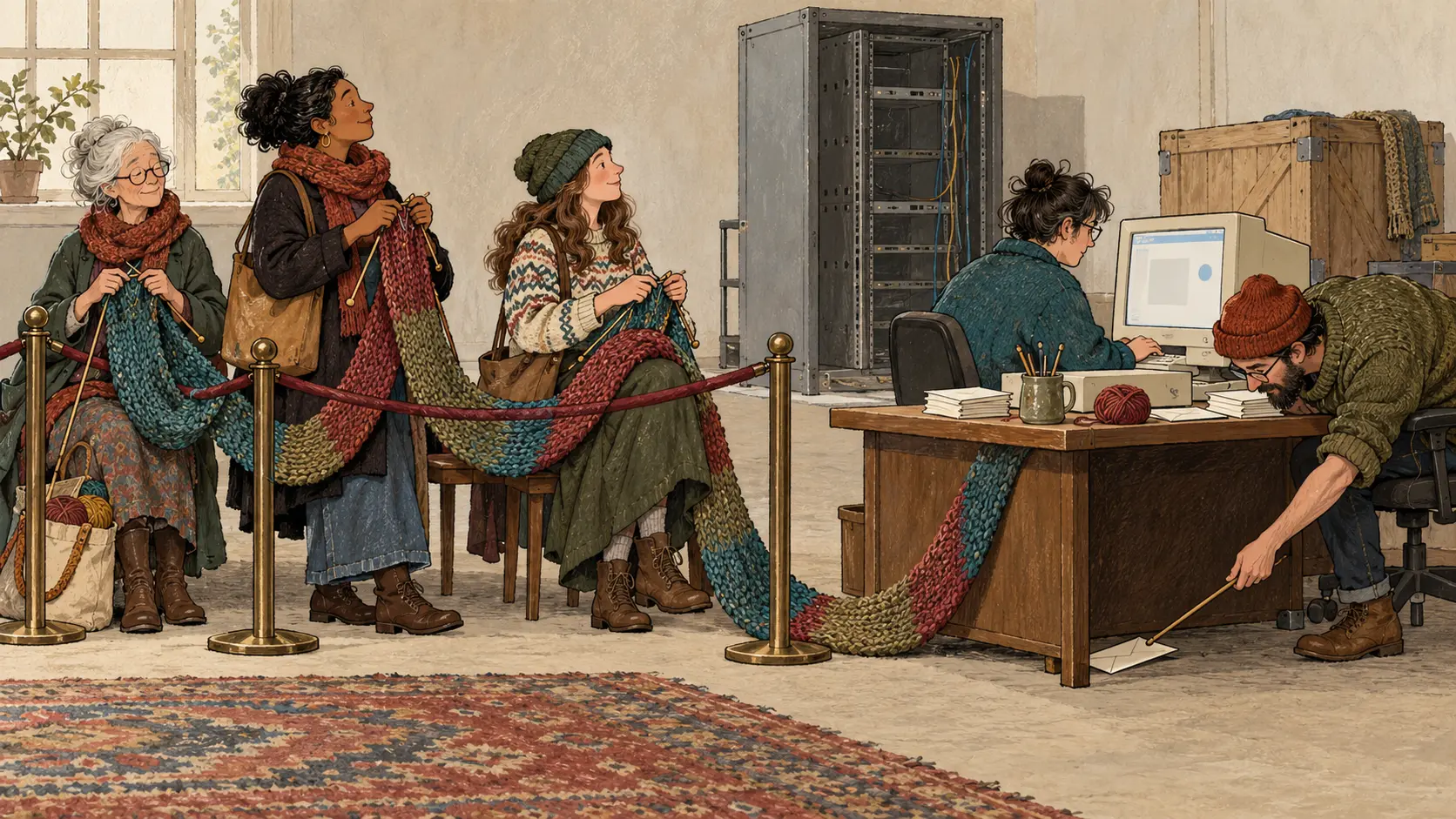
Each page was transcribed by at least three people. That repetition made an individual slip easier to notice: compare the readings and see where one differs. But disagreement could also tell the project something valuable about the page.
For the barometer entry at four in the morning on 10 September 1914, readers supplied 30.18, 30.10 and 30.12. The project’s explanation treated all three as plausible readings of the handwriting. There was no clear answer to recover with confidence.
Here the unsuccessful agreement was useful work. The readers had collectively identified an ambiguous record. The project encouraged people to attempt difficult values because different guesses could reveal a line that needed this treatment. The aim was to learn where the evidence gave out, as well as to collect numbers.
The Defence sample made the distinction tangible. Among 1,119 pressure observations, 997 produced complete agreement. Another 107 had a majority reading with one person disagreeing. Fifteen had no clear majority. Those groups described how modern readers handled the old marks; they gave the researchers different cases to examine.
An old mistake gets a fresh set of eyes
The October midnight entry belonged to a different problem. Its written value was clear. In the project’s time-series chart it appeared as a conspicuous downward excursion, prompting the analysis to question what the log-keeper had written. Reading the digits again would preserve the same digits again. The proposed 29.80 remained a possible correction.
This is where the web project became more interesting than a large typing pool. Comparing several submissions helped distinguish a stray keystroke from disputed handwriting. Looking at the weather record in context exposed a further layer: a legible entry could still be suspect. The work moved from deciphering ink to judging an observation.
By August 2011, the project reported 150 ships with their available log pages for the relevant period read by at least three people—89,000 pages in all. The scale came from many volunteers doing small, repeated jobs.
The Defence example explains why repeating the job was worthwhile. A disagreement could flag a page that resisted confident reading. Agreement could deliver a faithful record for someone else to question. The internet had become very good at carrying the Navy’s handwriting forward. It also carried forward the need to check the Navy.
Member Briefing
Deeper Profile Context
Sign in with the right membership level to unlock the full briefing and source notes.
Only for Strategic Circle
Strategic Circle
Open to all readers. Unlock profile briefings after joining and signing in.
Join Strategic CircleOnly for Leadership Alliance
Leadership Alliance
For qualified IP-asset owners and management; sign in to unlock alliance briefings.
Join Leadership Alliance