Summary
- Ofcom plans to bring mobile aids to navigation under the AIS licence, assigning every device a unique MMSI in the
99MID8XXXformat. - A deployment would still require Maritime and Coastguard Agency approval in advance, an Ofcom licence arranged ahead of time, and notice to both bodies after launch. Lighthouse and port authorities want speed and accountability when hazards appear.
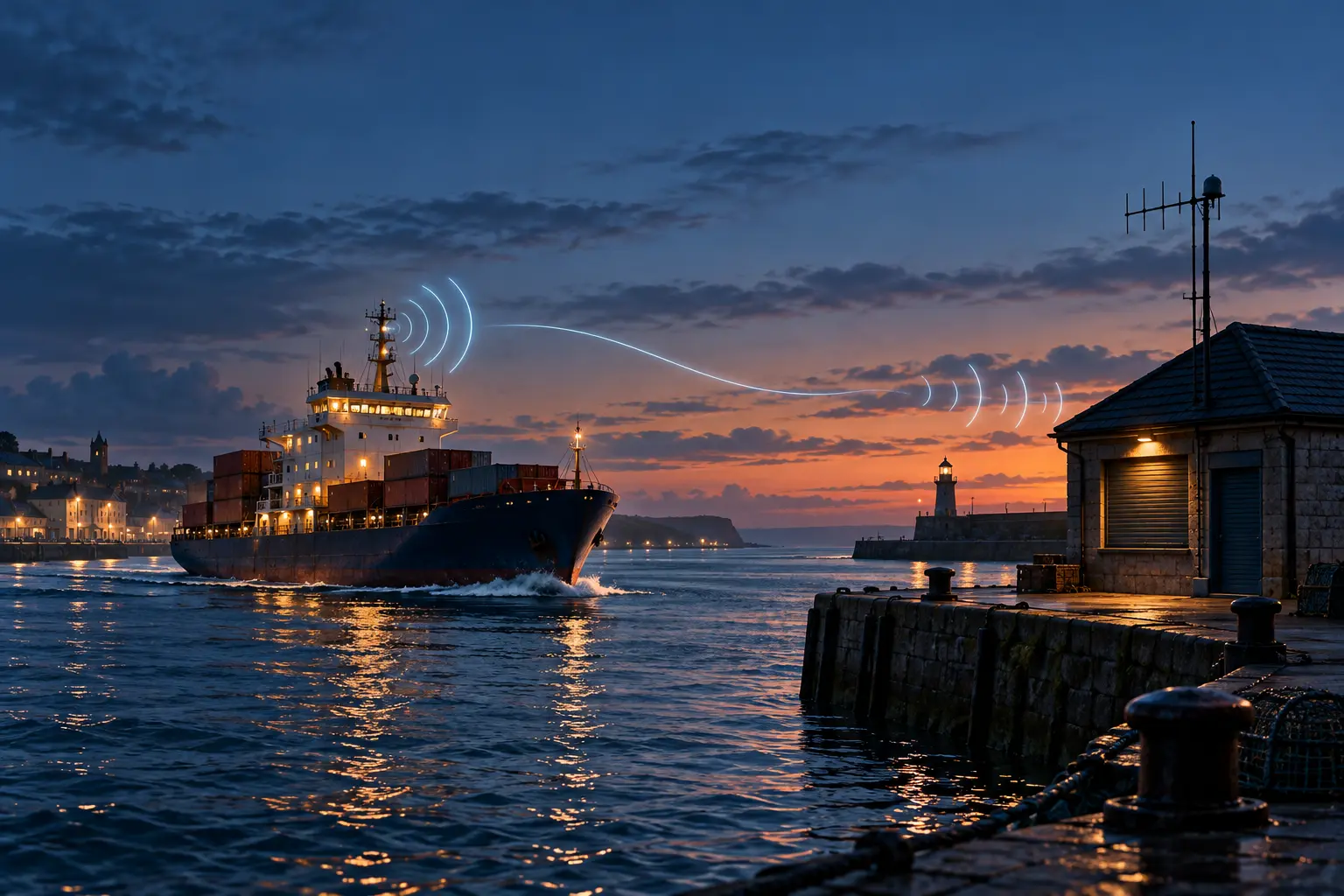
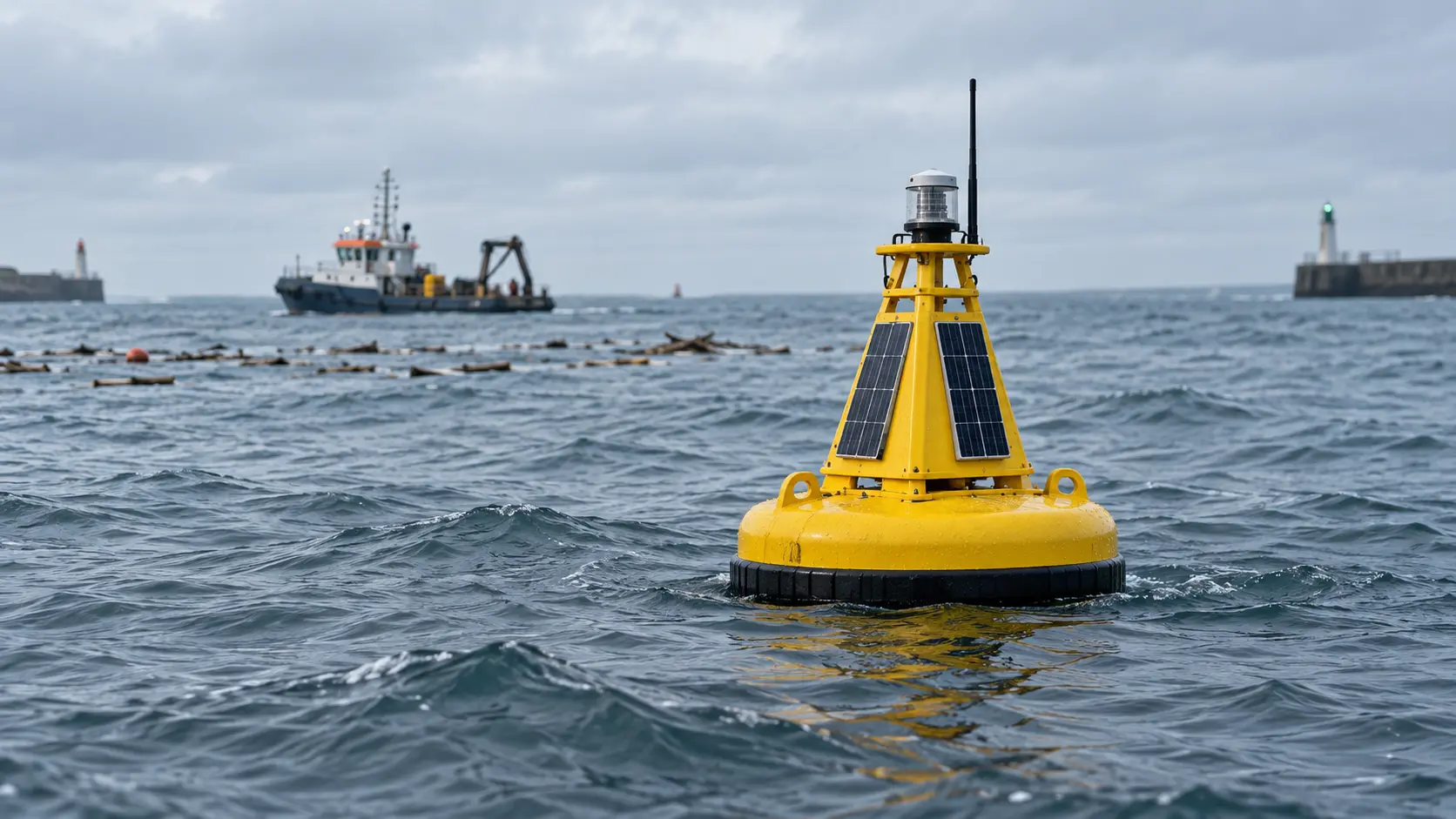
A new wreck does not book an appointment. A marker that warns ships about it, however, needs a name in the radio system and an owner someone can find. In its 23 October maritime spectrum decision, Ofcom says mobile aids to navigation, or M-AtoNs, will be enabled through the Automatic Identification System licence. Each device must carry a unique Ofcom-assigned maritime mobile service identity, or MMSI, in the 99MID8XXX pattern. The buoy can move; its identity must remain legible.
Ofcom's chosen workflow has more than one gate. The Maritime and Coastguard Agency must approve the aid before deployment. The operator should apply for an AIS licence ahead of need and keep the authorisation for future temporary deployments. Once the device is deployed, the holder must notify both Ofcom and the Coastguard Agency. Existing AIS licences still have to be varied through a formal process; Ofcom's overview points to February 2027, subject to that process. The October decision sets the course rather than announcing a fleet of newly licensed markers in the water today.
The General Lighthouse Authorities' original consultation response explains the urgency. It supports the licence change but wants deployments limited to organisations with a recognised need and fast enough to mark a new wreck or floating debris. It suggested that competent authorities could hold a group of MMSI numbers, as in emergency AIS wreck marking. Ofcom's final statement specifies unique individual numbers; it does not announce the suggested block-allocation scheme. That difference will matter the morning a hazard appears without warning.
The Port of London Authority's response brings the busy-waterway view. Mobile or temporary aids could improve navigation on the Thames, but unidentified operators and unnecessary AIS transmissions could clutter displays or distract crews and traffic-service staff. The PLA asked for port visibility of active devices and a way to investigate rogue transmissions. It also called the existing application process slow and complex. Ofcom acknowledges that complaint and promises to examine simplification later; the licence decision itself preserves the approval and notice sequence.
The official docket holds the decision and both responses. Together they expose the choice: a navigation marker must be quick enough to warn of a fresh hazard, uniquely identifiable enough to be trusted, and accountable to the harbour in which it appears. A buoy without paperwork is fast. A buoy nobody can attribute is a different hazard.
Sources
Member Briefing
Deeper Profile Context
Sign in with the right membership level to unlock the full briefing and source notes.
Only for Strategic Circle
Strategic Circle
Open to all readers. Unlock profile briefings after joining and signing in.
Join Strategic CircleOnly for Leadership Alliance
Leadership Alliance
For qualified IP-asset owners and management; sign in to unlock alliance briefings.
Join Leadership Alliance