Summary
- MIT's September 2002 pilot put 32 courses online; producing the pages required content specialists, technical systems and faculty cooperation.
- A 2004 account of an urgent student request shows the distance between downloading a finished course and making one ready to publish.
The student had a signal-processing exam on Monday. Could MIT please put the course online that afternoon? In a March 2004 talk, OpenCourseWare executive director Anne H. Margulies recalled the email as an example of what enrolled students wanted: something specific, preferably before the examination had become a historical event.
It is a splendidly unreasonable request—and an understandable one. A reader sees a website full of useful teaching materials. Surely adding the missing subject is another button somewhere. On the other side of that button, the staff might be dealing with a box of slides.
MIT had announced OpenCourseWare in April 2001. Its pilot launched on 30 September 2002 with 32 courses from 16 departments. Gilbert Strang's linear-algebra course included lecture videos. The institution was making material already used in teaching available to people far beyond the classroom.
First, find the course inside the box
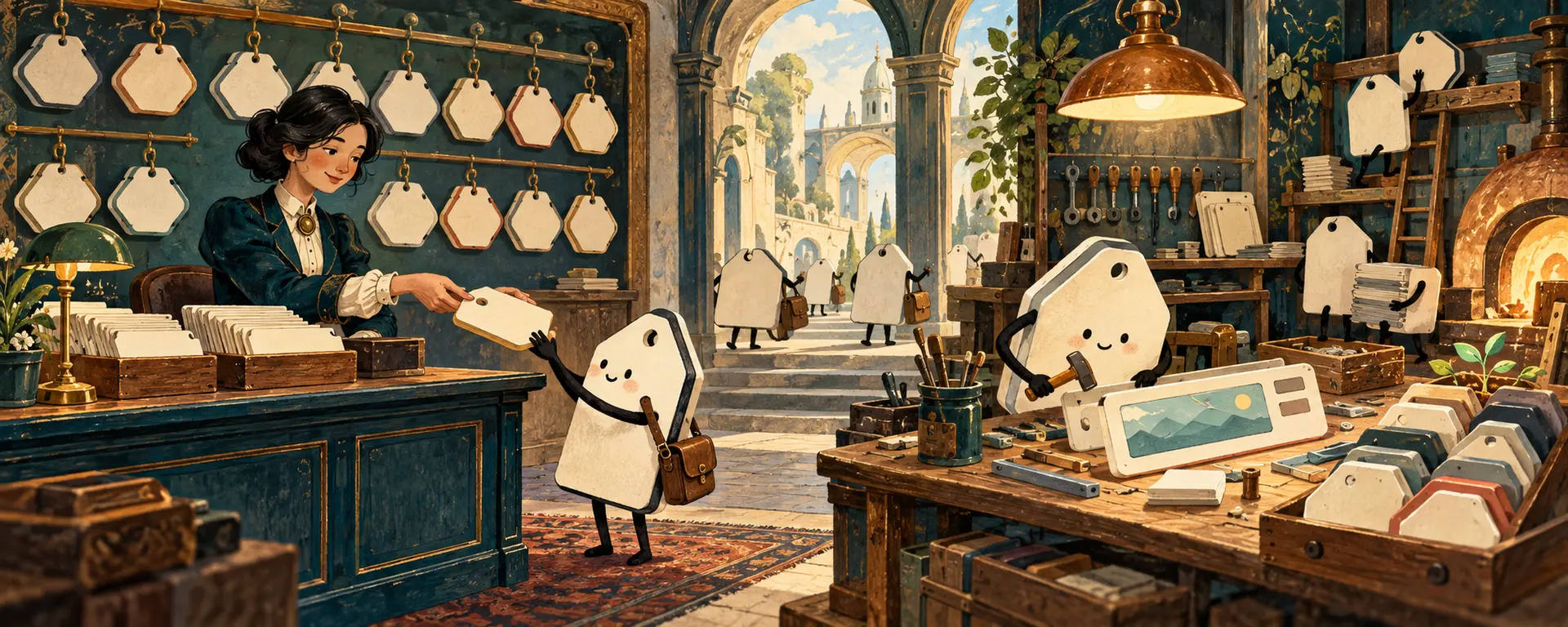
Margulies's account supplies the wonderfully physical details. Faculty work arrived in files and boxes, on slides, even as photographs of notes on a chalkboard. Electronic delivery also left work to do. A course existed as a teaching activity before it existed as a coherent web publication.
Then came the question of what the pages contained. A lecturer could authorize publication of their own work; the material assembled for teaching could also contain work from other sources. The OCW team inspected it, sought publication permissions and dealt with sensitive or confidential content. The generous decision had a remarkably practical sequel: somebody had to examine the pages.
That effort affected what readers received. Margulies warned that the amount of material varied from course to course. A catalogue entry could lead to a substantial collection or to something thinner. The student facing Monday's exam needed the right material inside the right course, not an impressive total on the homepage.
The free website acquired a publishing department
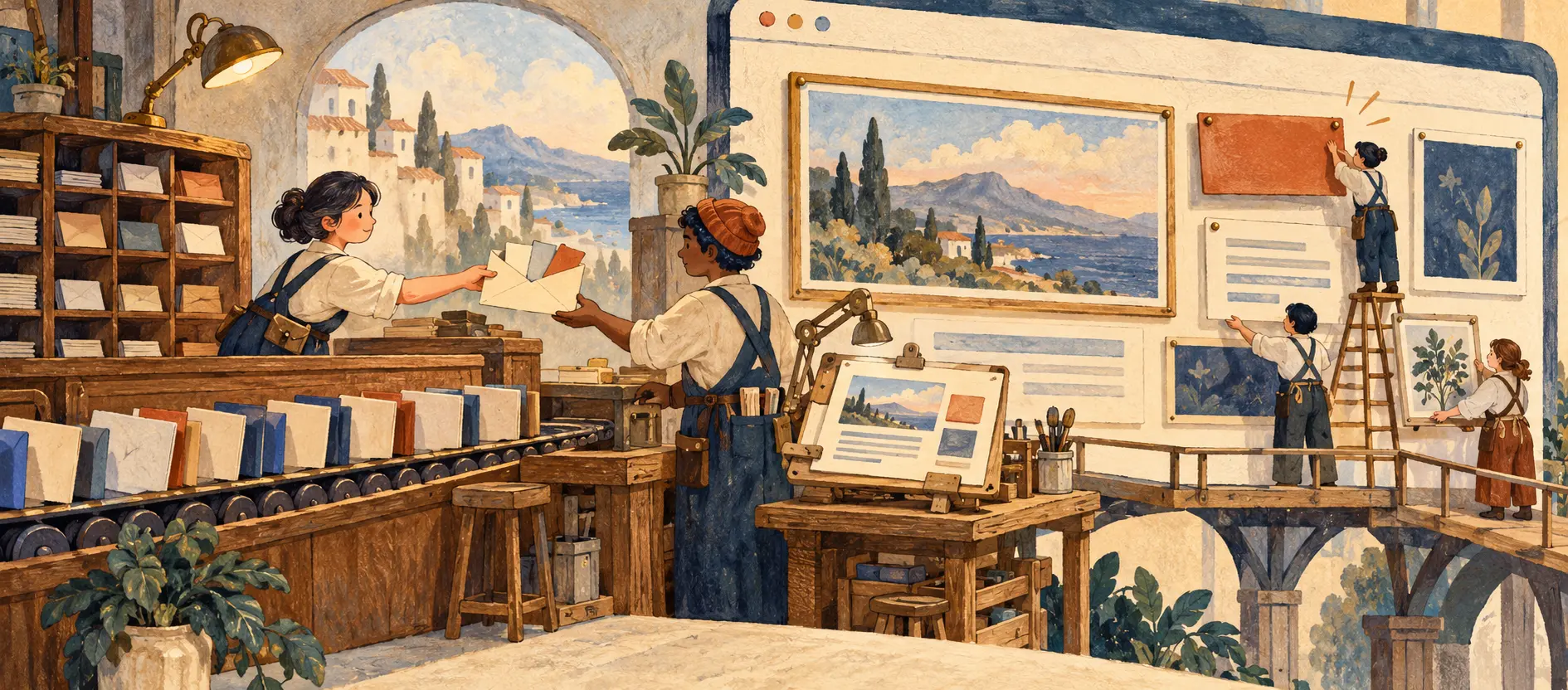
MIT's official tenth-anniversary account looks back at the people building that operation in 2002. Technologists and project managers worked on content-management systems and processes. Content specialists worked with faculty and teaching staff to turn notes and syllabi into websites.
The retrospective also recalls a quiet launch, with technical work unfinished and staff watching the servers. A world-changing announcement is a fine thing. A server that survives the announcement has its own modest appeal.
By September 2003, OCW had reached 500 courses, Margulies reported. Each publication could serve another teacher planning a class, another learner exploring a subject, another student searching for an explanation. Preparing it once could create repeated use elsewhere.
The student's urgent email exposes the bargain. Finished pages could travel far and arrive quickly. Getting those pages ready remained a local job involving particular people, materials and decisions. Free access made the result easier to obtain. It also gave the publishing desk a worldwide audience capable of asking whether it could possibly hurry up.
Member Briefing
Deeper Profile Context
Sign in with the right membership level to unlock the full briefing and source notes.
Only for Strategic Circle
Strategic Circle
Open to all readers. Unlock profile briefings after joining and signing in.
Join Strategic CircleOnly for Leadership Alliance
Leadership Alliance
For qualified IP-asset owners and management; sign in to unlock alliance briefings.
Join Leadership Alliance