Summary
- Meta has officially opened its Temple data centre and says the two-building, more-than-760,000-square-foot facility is operational.
- The project will represent more than $1.2 billion of investment once complete; that figure is an eventual project value, not a statement that all cash has already been spent.
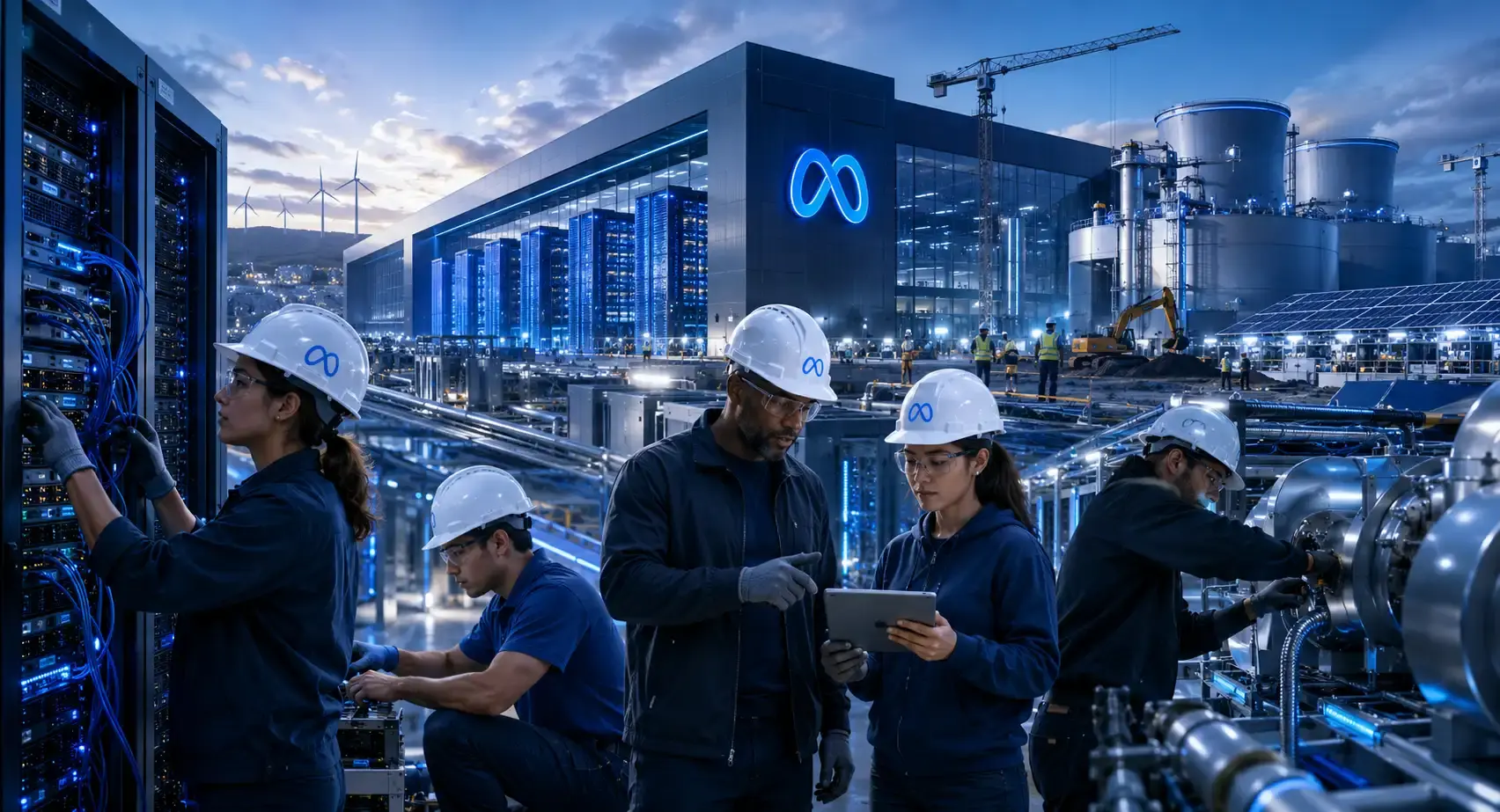
- Construction employed more than 1,200 skilled trade workers at peak, while the operating site is expected to support nearly 100 jobs.
- Meta says the facility's electricity use is matched with 100% clean and renewable energy, which does not mean every electron delivered to the site comes directly from a dedicated renewable plant.
- Local commitments include $8 million in water and wastewater improvements, a $400,000 opening grant, $1.7 million in direct grants and a goal to restore 5.2 million gallons of water annually by 2030.
Opening day changes the evidence around a data centre. Before commissioning, jobs, electricity demand and local benefits are forecasts attached to a construction site. Once servers and cooling systems operate, the facility becomes a durable load whose payroll, resource use, tax position and community commitments can be measured over time.
Meta's Temple opening crosses that boundary. The campus now has two buildings and more than 760,000 square feet in operation. It is therefore no longer accurate to describe the project only as proposed or under construction. It is equally inaccurate to treat every future promise as complete simply because the doors have opened.
The construction peak is not the operating economy
More than 1,200 skilled trade workers were employed at the project's peak. The facility is expected to support nearly 100 operational jobs. That change in headcount is normal for a capital-intensive site: thousands of temporary construction roles create a much smaller but longer-lasting group of technical, security, facilities and support positions.
The local economic test should distinguish those two labour phases. Peak construction employment measures the intensity of the build. Operating employment measures the permanent labour footprint. Procurement from local firms, property treatment and utility payments may carry additional value, but the headline worker count should not imply that 1,200 people will remain on site.
The investment number needs the same discipline. Local reporting says the project will exceed $1.2 billion once completed. Meta's original 2022 announcement described an investment of more than $800 million. The increase may reflect expansion, equipment and the cost environment, but the newer figure is a completion value. It does not prove that more than $1.2 billion had already been disbursed by opening day.
Energy matching is an accounting claim about consumption
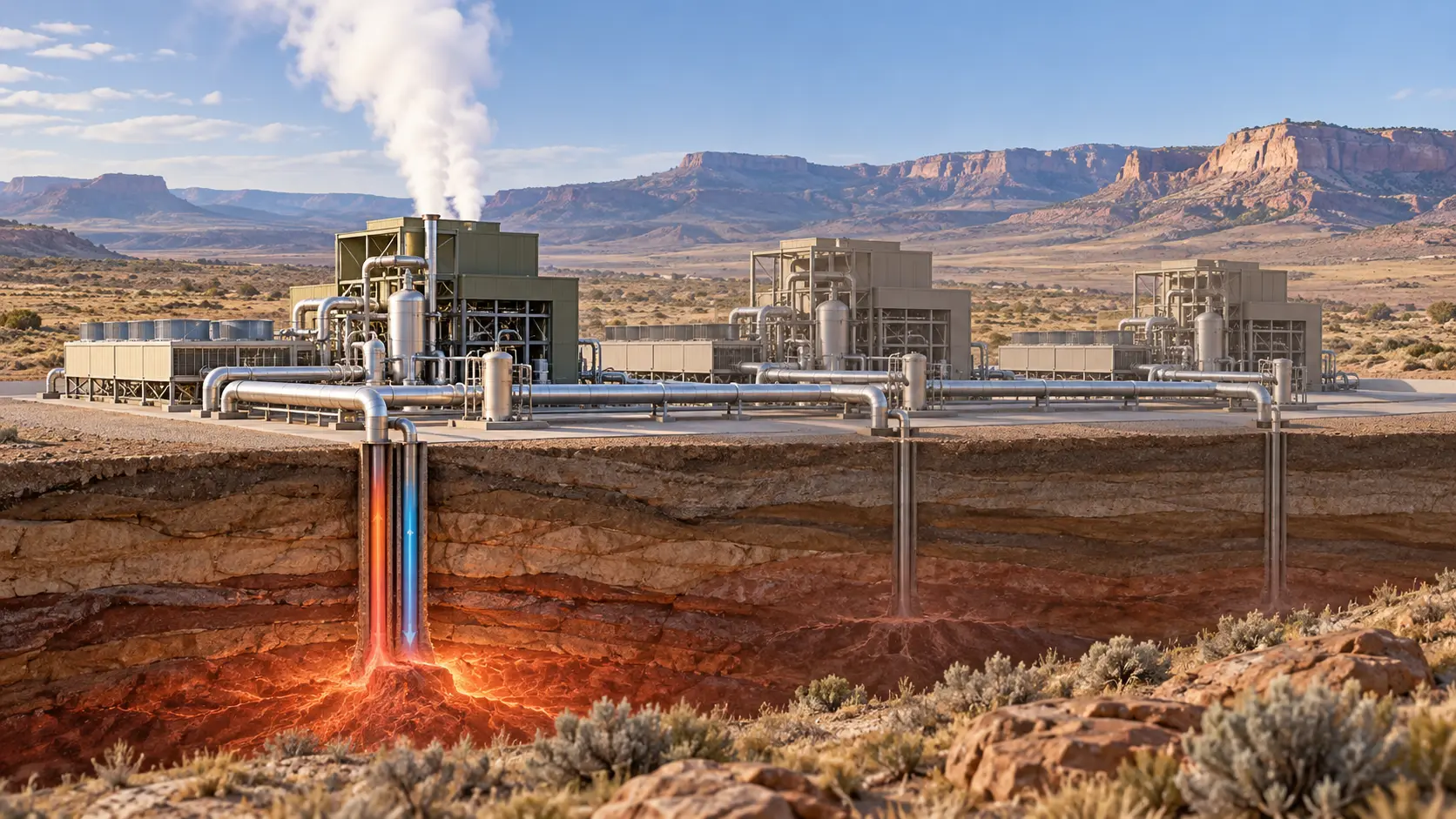
Meta says electricity use at the Temple facility is matched with 100% clean and renewable energy. Matching can support additional renewable procurement and reconcile annual or contractual consumption. It does not establish that a dedicated renewable generator physically powers the site every minute.
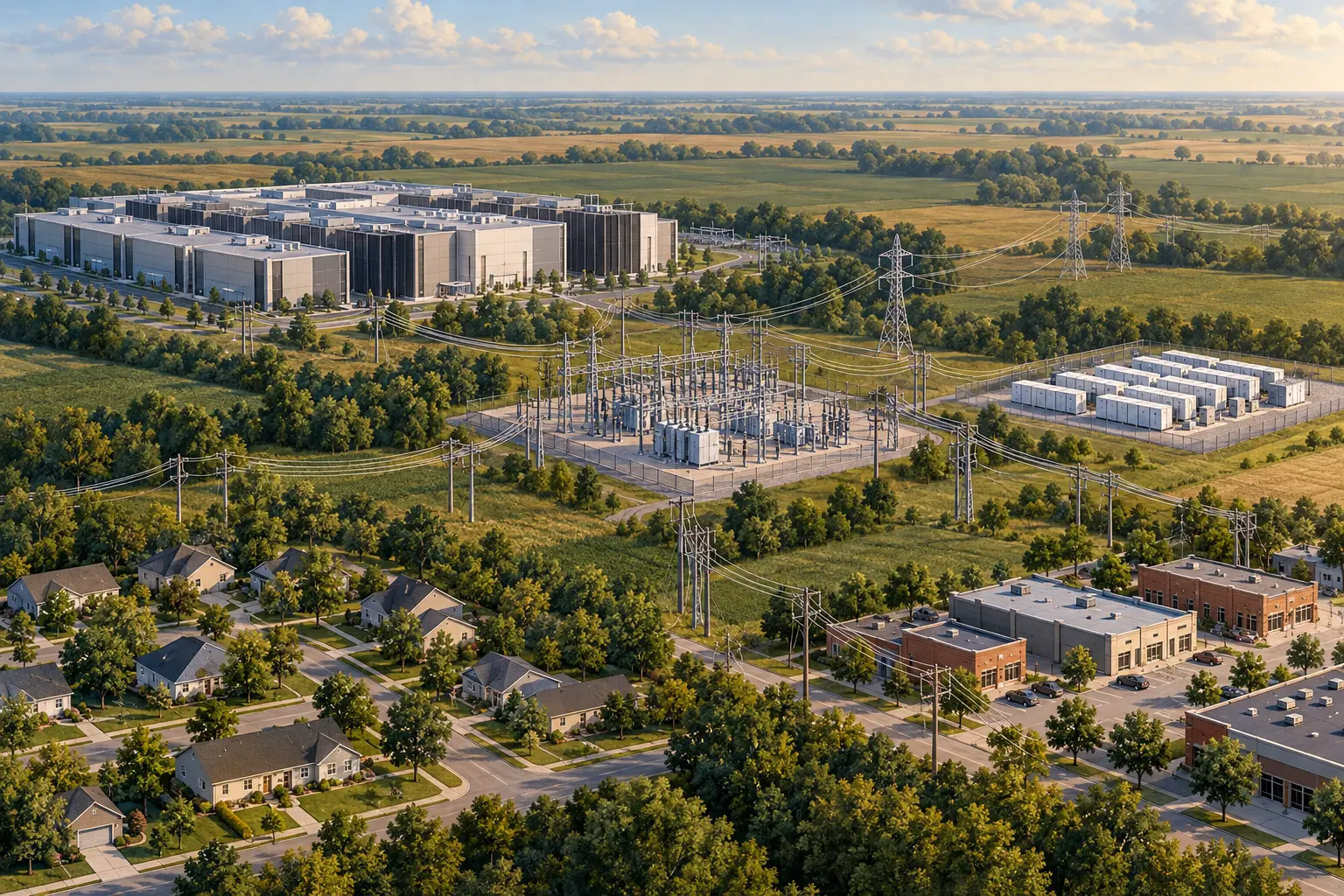
That distinction matters for the grid. A data centre can hold contracts or energy attributes sufficient to match its use while still relying on the regional system when wind or solar output is low. Grid operators must serve the instantaneous load, maintain transmission and ensure firm capacity. The environmental claim and the physical reliability requirement describe different layers of the same operation.
The opening therefore creates a better baseline for future scrutiny. Readers can ask how electricity consumption develops, what matching instruments are used, whether new generation is additive, and how the facility performs during periods of tight supply. None of those questions is answered by replacing the company's wording with a stronger “powered entirely by renewables” claim.
Water commitments need a numerator and a deadline
Meta and local partners point to $8 million of water and wastewater improvements. The company also says it aims by 2030 to restore 5.2 million gallons of water annually in local watersheds. Restoration may involve projects that improve recharge, reduce losses or return an equivalent volume; it is not automatically a pipe carrying the same water back from the data centre.
The annual unit and the deadline are important. The 5.2 million gallons is a yearly target to be reached by 2030, not a claim that 5.2 million gallons have already been restored in 2026. A useful future account will compare verified annual restoration with the facility's own withdrawal and consumption, while respecting differences in timing and watershed location.
Community spending also moves from announcement to accountability. A $400,000 grant accompanied the opening, and Meta reports $1.7 million in direct grants to local schools and non-profits. Those are specific contributions, separate from the $8 million utility improvements and from tax or payroll effects.
Temple has secured a major operating site, and Meta has converted four years of construction into usable computing capacity. The next measure is not another ribbon-cutting figure. It is whether the campus reaches its eventual investment scope, maintains nearly 100 operational roles, documents clean-energy matching, delivers the water programme and creates local value after construction employment falls away.