
Topic
AI Infrastructure Economics
Within the Topic facet, AI Infrastructure Economics topic intelligence connects articles that share a specific subject, signal focus, or monitoring theme. The page gives readers a richer path through related reporting, source evidence, market actors, and infrastructure implications, with enough context to understand why the topic matters across company movements, governance decisions, regional exposure, and operational risk. Readers can compare recurring signals, affected organisations, public evidence, market context, service continuity, procurement, competition, compliance, and strategic planning questions behind the subject instead of stopping at a thin list of matching articles. It explains what the topic covers, which infrastructure actors or policies are involved, what evidence supports the coverage, and why the subject may matter for operators, customers, investors, and policy readers.

Asia-Pacific Datacenter Trends
Tata Power’s 2.8 GW pipeline bundles load, grid and green power
Tata Power’s new data-centre figure is large enough to sound like a single power commitment. Its own breakdown says otherwise: the headline joins upcoming distribution load, transmission-linked opportunities and green-energy engagement. Each sits at a different point in the work…

North America Institutional Trends
GlobalFoundries’ $21bn Fab Plan Puts Fees Before the First Wafer
GlobalFoundries says Japan will fund a new Malta, New York, fab while a U.S.–Japan government-owned project vehicle funds and owns the infrastructure. GF’s investor presentation schedules technology fees from 2027; the first wafer is expected in 2029. The forecast rests on a…

North America Cloud Services
Cloudflare’s Clef-flash price cut trades a shorter context window for a lower rate
Cloudflare has cut Clef-flash’s displayed input rate by 58%, while shrinking the hosted context window by 62.5%. The commercial question is how many real customer requests fit inside the cheaper lane—not how small one company-wide request statistic looks.

Global Cloud Services
Akamai’s Anthropic warrant turns expansion into four vesting gates
The up-to-5% headline can sound like an equity grant. The agreement describes something more conditional: an option to buy non-voting shares, earned in stages through a payment and three additional contract commitments. That distinction determines what the incentive rewards—and…

Europe and Middle East Datacenter Trends
2CRSi’s €1bn Strasbourg case still turns on a sale promise
2CRSi says the first Aether AI Factory rollout could generate more than €1 billion in Group revenue. The site transaction, available power, permits, component supply and purchase terms still sit between that estimate and delivered, invoiced servers.

North America Datacenter Trends
Fermi’s AMD Credit Support Begins After Construction
Fermi says its new AMD credit-support agreement will help project financing. The same disclosure places AMD’s obligations after construction is complete and rent begins on final delivery, leaving the build-period funding bridge outside the terms the company has made public.
Global Datacenter Trends
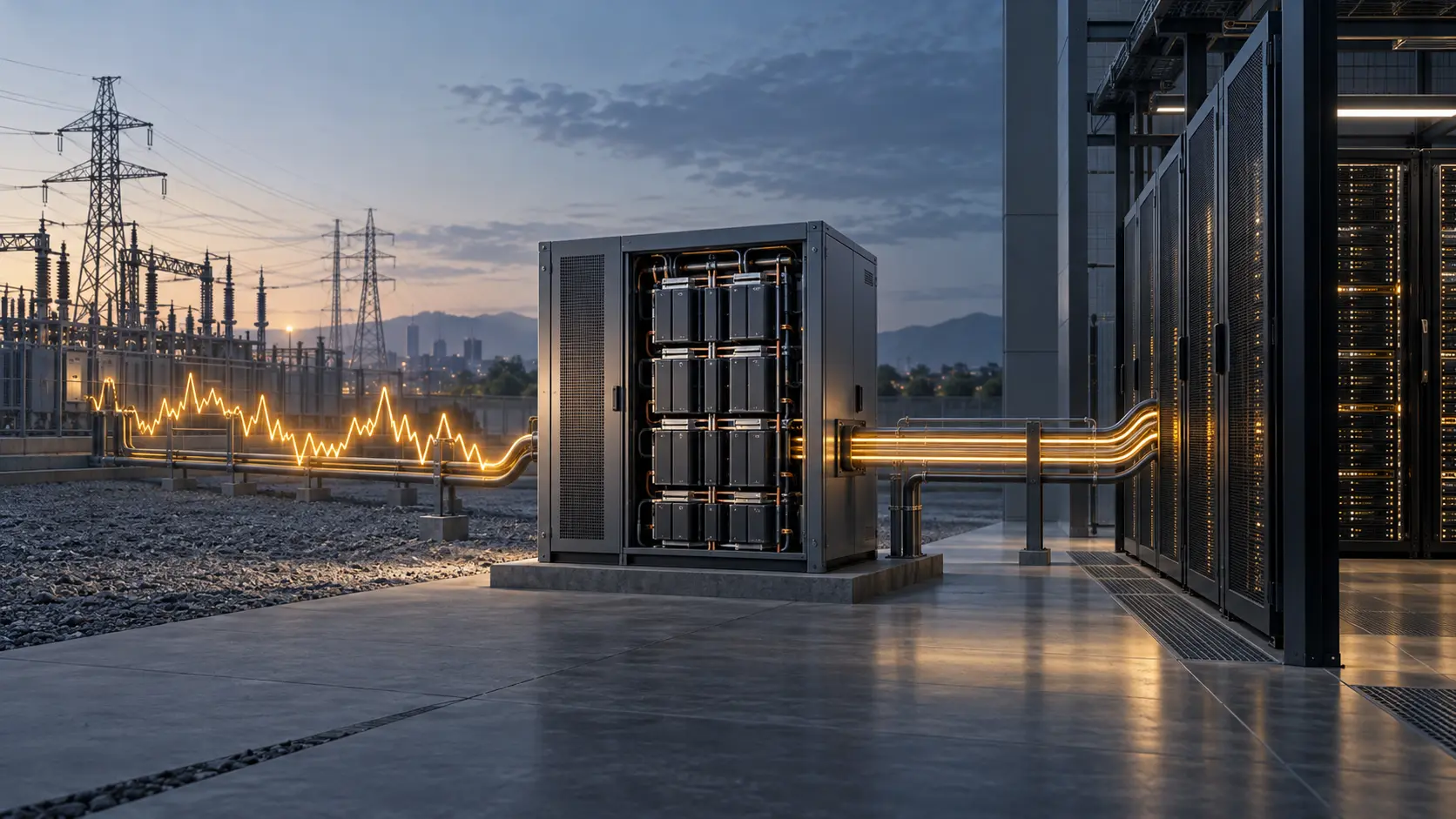
Siemens pairs investment with an exclusive route into AI data centres
Siemens is buying a strategic position in Skeleton Technologies and the exclusive right to sell its products to data-centre customers. The commercial test is whether that channel can turn fast power buffering into verified customer economics.

Asia-Pacific National Telecom
Telstra’s AI anchor deal raises an Aura returns test
A contract described as “multiples of the Google deal” signals strong demand for Telstra’s Aura fibre. The comparison still has no public unit, while the Google arrangement exchanges terrestrial capacity for subsea access and Telstra’s published return target groups Aura with…
North America Datacenter Trends
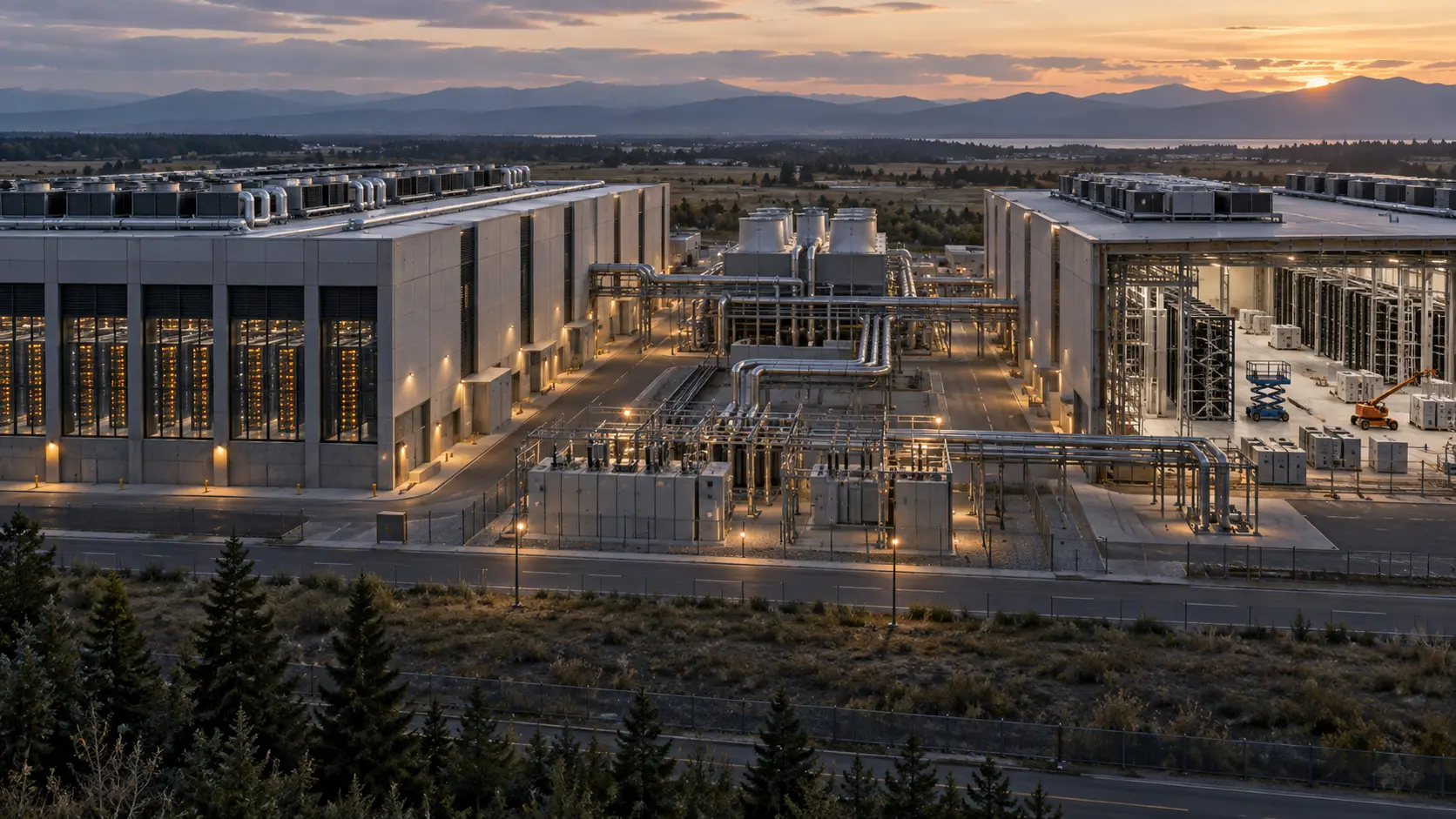
ChronoScale’s $1bn run-rate is a test of revenue quality
ChronoScale says two customer agreements put it on a path to a $1bn annualized revenue run-rate by calendar Q3 2027. Its own definition makes that a quarterly threshold multiplied by four. The harder questions are whether the contracts convert into commissioned capacity, what…
Asia-Pacific Datacenter Trends
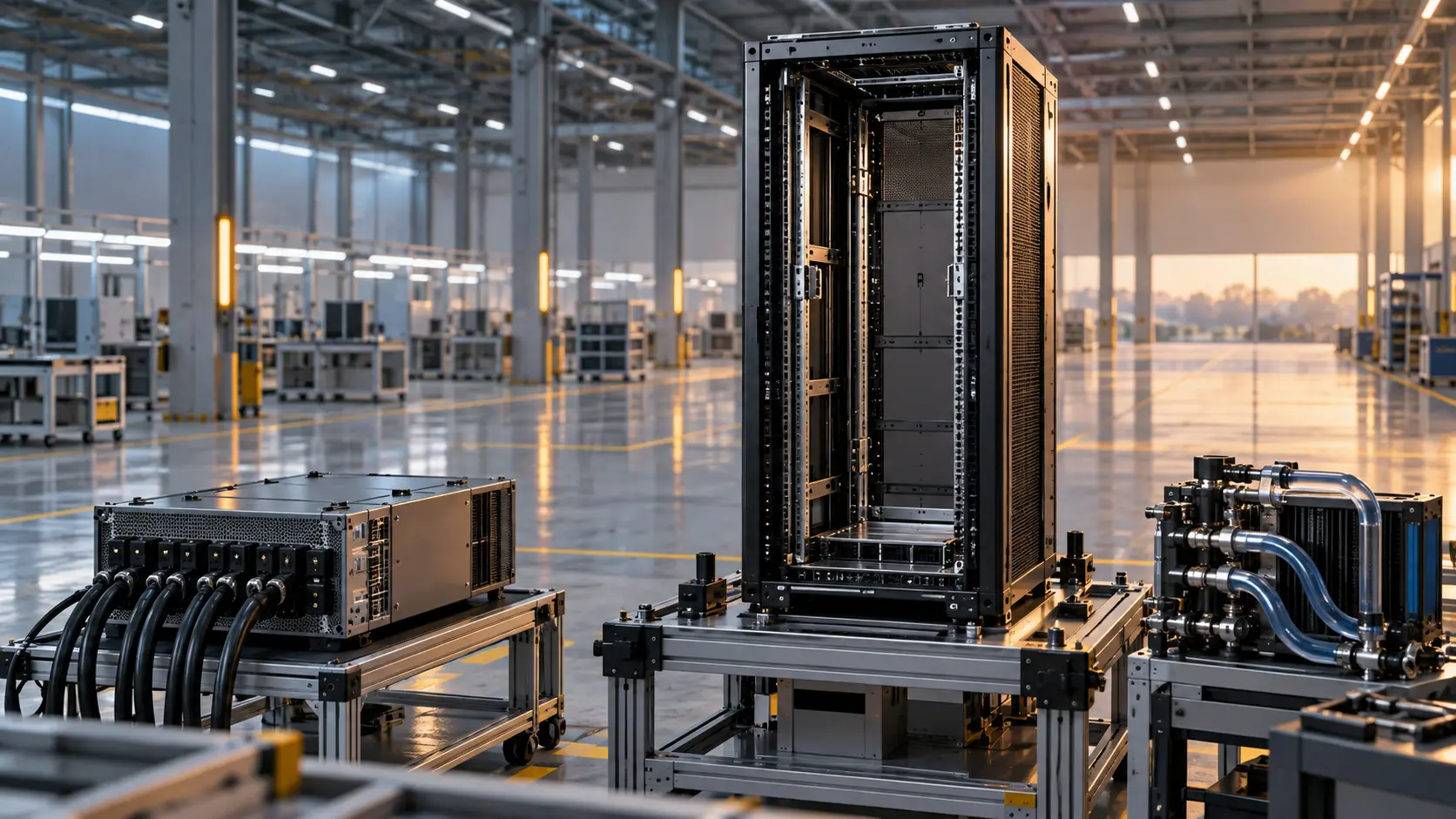
Adani and Jabil have named the split, not the factory’s control
The proposed 50:50 venture moves Adani Enterprises and Jabil from June’s strategic-alliance intent to a non-binding joint-venture framework. Its site, capital commitments, customer orders and operating decision rights are still undisclosed.
North America Datacenter Trends
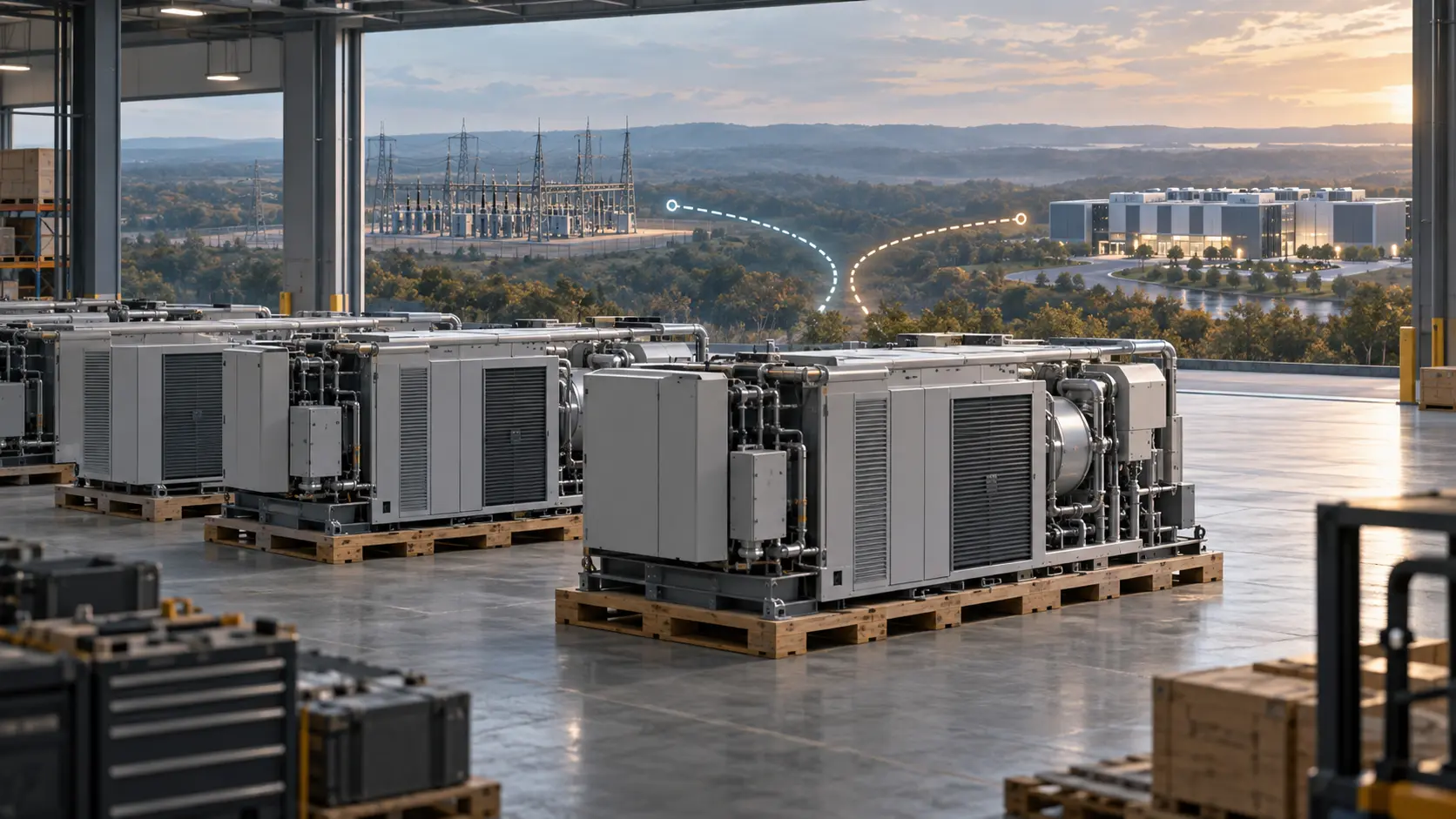
AEP’s Mainspring deal has an order path, not a site plan
AEP has bought an initial 190MW tranche of Mainspring linear generators for delivery from 2027, within a framework of up to 1.6GW. The annual options could be worth more than $4 billion if exercised, but AEP has not chosen where the units will operate or how they will connect.

Global Datacenter Trends
Flex’s AI modules move integration off-site; the grid clock remains
Factory-built power, compute and cooling can progress while a data-centre site is being prepared. Flex’s “up to 50%” figure does not show that usable compute, grid power or revenue arrives half a project sooner.

Asia-Pacific National Telecom Trends
SUBCO’s three cables total 24,100 km on paper. What makes 40,000?
SUBCO’s 22 September announcement lists three Indo-Pacific systems at 9,500 km, 10,000 km and 4,600 km. Their stated lengths add to 24,100 km. The same release says more than 40,000 km of cable will be installed, but does not show how the totals relate. That is an evidence gap to…

Global Datacenter Trends
Applied ties EPIC’s $5 billion ramp to customer projects
Applied Materials has opened a large semiconductor research center, but its own footnote makes the next capital decision depend on a quieter milestone: customer projects beginning. That wording sets a clock for the investment; it does not disclose who is paying, what they will…
Global Datacenter Trends
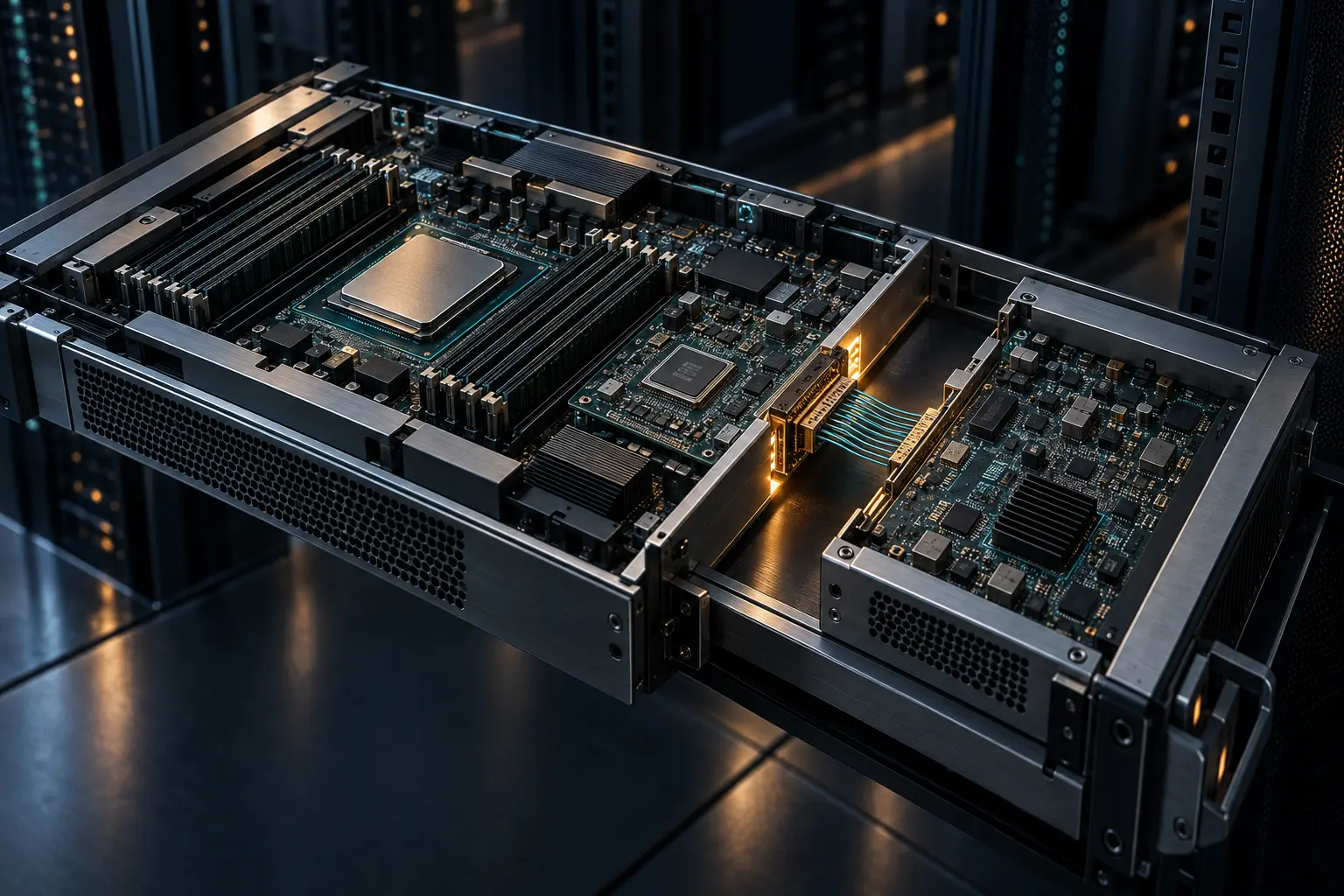
The Server Control Boundary Behind Arm and Lattice’s AI Infrastructure Collaboration
A defined management interface can separate parts of server integration, but the value depends on validation, adoption and the choices OEMs and operators make beyond the standard.
Asia-Pacific Datacenter Trends
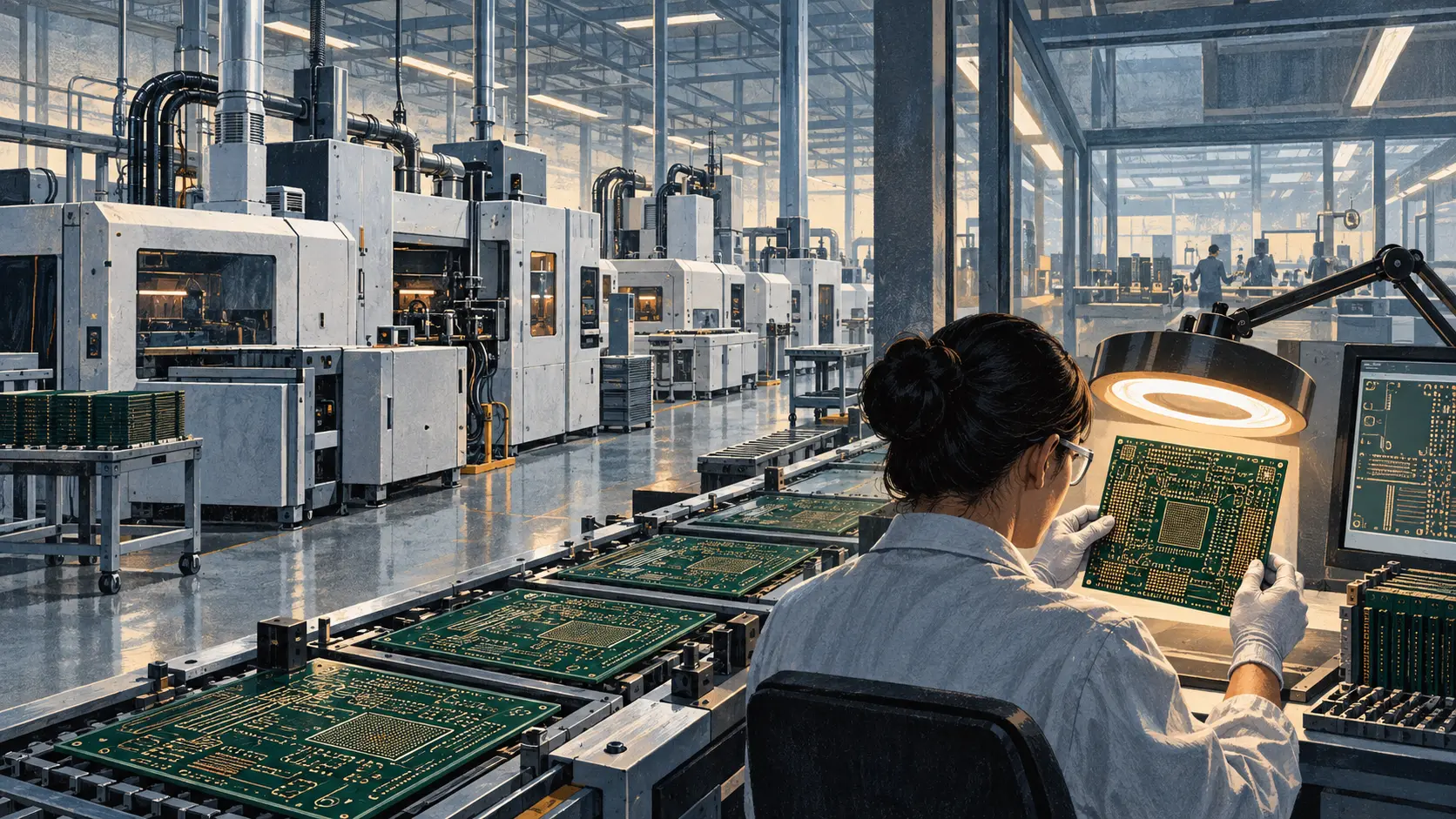
TTM’s China–Penang expansion puts customer qualification in focus
TTM Technologies is adding planned capacity inside operating factories in China and Penang. That can compress the construction calendar; it does not yet establish when a customer will qualify, accept or use the output.

Global Datacenter Trends
Microsoft’s Maia expansion makes inference efficiency a megawatt test
Microsoft plans multi-gigawatt Maia deployments from 2027 and says Maia 300 could raise tokens per megawatt by 40%. The commercial test is whether that engineering claim translates into useful, well-utilized capacity; the company has not disclosed Maia’s capital cost, fleet share…

Global Institutional Trends
The BIS’s 46.4% AI-finance figure maps ties, not recycled cash
The Bank for International Settlements has put a striking number on the overlap between AI investment and trade. What the number measures depends on a definition that spans five years and counts an entire funding round when only one investor has a commercial link to the target.

Asia-Pacific Institutional Trends
Singapore sees enough AI compute now, but not a forecast
Two parliamentary replies separate today's market signal from tomorrow's infrastructure plan: industry feedback points to adequate supply now, while future compute demand remains difficult to project.

Global Datacenter Trends
Penguin’s Norway AI factory sits downstream of a $10bn customer contract
Penguin Solutions was selected to deploy and operate a planned 36,000-GPU AI factory in Norway. The $10bn figure belongs to an unnamed neocloud customer’s compute contract with an AI lab; Penguin’s own price, scope and revenue schedule remain undisclosed.