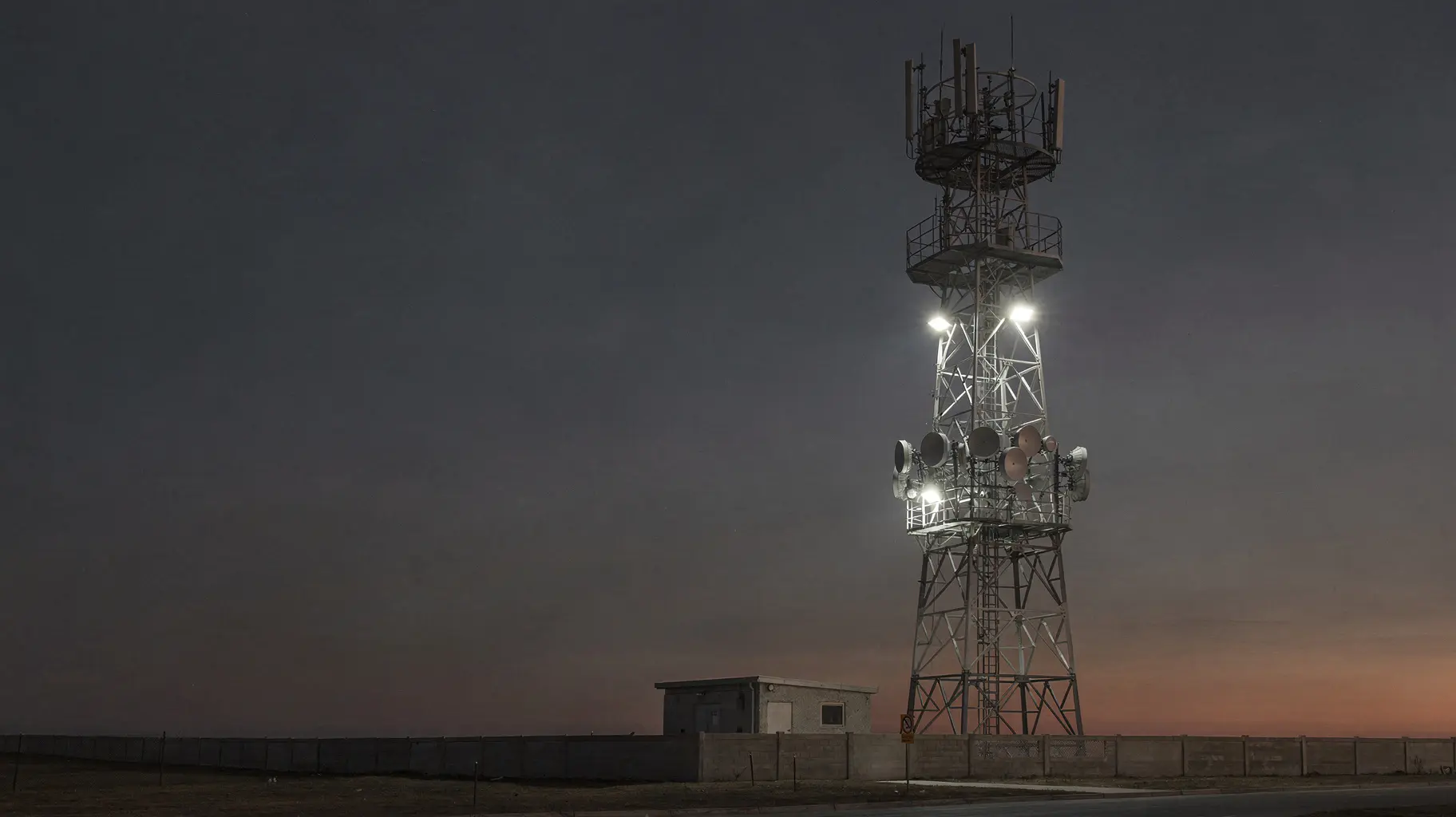
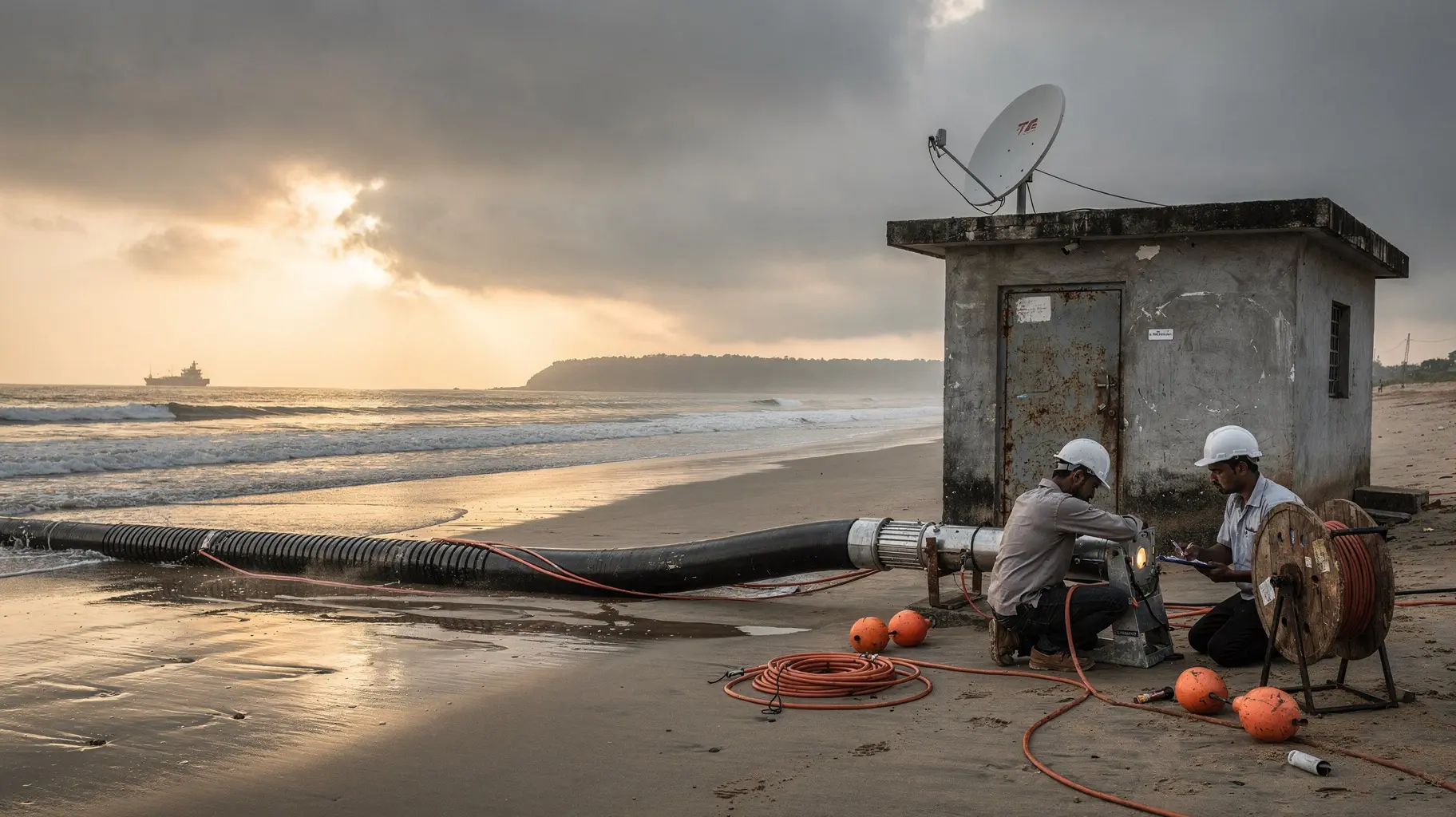
- MegaFon Tajikistan upgraded 47 base stations, opened sites in 23 settlements and installed 85 LTE modules in the first half of 2026, much of the radio work on the 2600MHz band
- A 100Gbps southern transport ring in Khatlon entered service and the Dushanbe–Shurobod–Darvoz route was completed — the 1.1Gbps 5G figure came from a test, not a commercial launch
MegaFon Tajikistan's H1 2026: radios, glass and core
MegaFon Tajikistan, operated by TT Mobile, spent the first half of 2026 doing the unglamorous work that actually moves packets: pouring capacity into radios, lighting glass between cities, and quietly leaving the 5G number where it belongs — in the test column. Between January and June the operator added 4G spectrum at 47 base stations, much of it in the 2600MHz band, opened new sites in 23 settlements and installed 85 LTE modules at existing locations.
Then there is the figure everyone will quote: a 5G test that reached 1.1Gbps. It is a real measurement and a poor proxy for service. No commercial launch, no coverage footprint, no timetable, no device mix, no busy-hour number. A peak-speed test is a photograph of one handset on one radio at one instant; a network is what happens at nine in the evening when an entire street streams video at once.
Why the 100Gbps Khatlon ring matters more than the 5G headline
The operator said its southern transport ring in the Khatlon region entered service with 100Gbps of capacity, and that it completed the Dushanbe–Shurobod–Darvoz route — a corridor that runs through terrain where fibre is expensive to bury and easy to cut. That is the part of the announcement with real physics behind it. Extra spectrum and LTE modules add radio capacity at the edge, but every megabit still has to cross the transport network and reach the core. Radio without backhaul is a very fast antenna talking to nothing.
What the company has not disclosed is equally telling: whether those routes are physically diverse, and how busy-hour performance actually changed. Capacity on a diagram and capacity that survives a digger are two different products.
VoLTE: 394,000 live users against two million of headroom
The operator reported 394,000 active VoLTE users on a platform built for two million. That is a healthy load factor and a useful reminder that voice over LTE is now baseline plumbing rather than a headline feature — the kind of upgrade customers only notice when it fails.
What to watch in the second half of 2026
The second-half plan is bigger than the first: more than 100 new base stations, roughly 430 LTE modules, 150 4T4R upgrades and 180 kilometres of fibre. The test of execution is not the procurement list but what enters service — sites powered, connected and integrated; fibre completed and carrying traffic. Reporting should separate equipment installed from sites activated, and should publish busy-hour speeds, outage duration and VoLTE call performance rather than another peak-speed sample.
The bottom line
MegaFon Tajikistan is building a 4G network properly and testing 5G politely. Judge it on the ring of glass under Khatlon and the 47 sites that now carry more traffic — not on a 1.1Gbps number that has never had to survive a Tuesday evening.