
Asia-Pacific Institutional Trends
Asia-Pacific Institutional Trends
Institutional trend intelligence tracks institutional market trends, regulatory pressure, standards activity, public-sector digital policy, governance reform, and infrastructure funding in Asia-Pacific, giving readers a fuller view of the demand shifts, capacity constraints, platform strategies, capital timing, regulatory pressure, and operating assumptions behind the market.

Latest Coverage
Latest from Asia-Pacific Institutional Trends
286 articles

Asia-Pacific Institutional Trends
South Korea's Chip Exports Jumped 270%. Buyers Still Can't Tell If They'll Get One
South Korea's chip exports rose 270.1% in the first ten days of September to $16.5 billion. Export value is not availability — and AI infrastructure buyers keep confusing the two.

Asia-Pacific Institutional Trends
Micron's NT$1 Million Bonus Buys Time, Not Labor Peace in Taiwan
Micron's NT$1 million Taiwan bonus is a retention play, not a settlement. Union talks continue, a strike is still possible, and AI memory customers should watch production, not press releases.

Asia-Pacific Institutional Trends
ARC–Firstborn’s $1 Billion Is a Formula, Not a Price
Firstborn Top Capital’s sellers won’t know their final ARC share count from the announcement—or even at closing. The $1 billion is a numerator; the divisor is the SPAC redemption price. The headline is a starting value, not a finished cap table.

Asia-Pacific Institutional Trends
AirNav Switches On Indonesia's Aviation Backbone — Now the Real Test Begins
JARKOMPENAS is live, splitting AirNav's internal systems from outside aviation links. The cables are in — the integration reckoning is just starting.

Asia-Pacific Institutional Trends
Samsung’s 2028 High-NA Deadline Runs Through a Mask Nobody Has Qualified
Samsung has put 2028 on the calendar for High-NA EUV in DRAM. The hard part is not the scanner — it is a 6x12-inch photomask and the entire industrial chain that must learn to handle it.
Asia-Pacific Institutional Trends
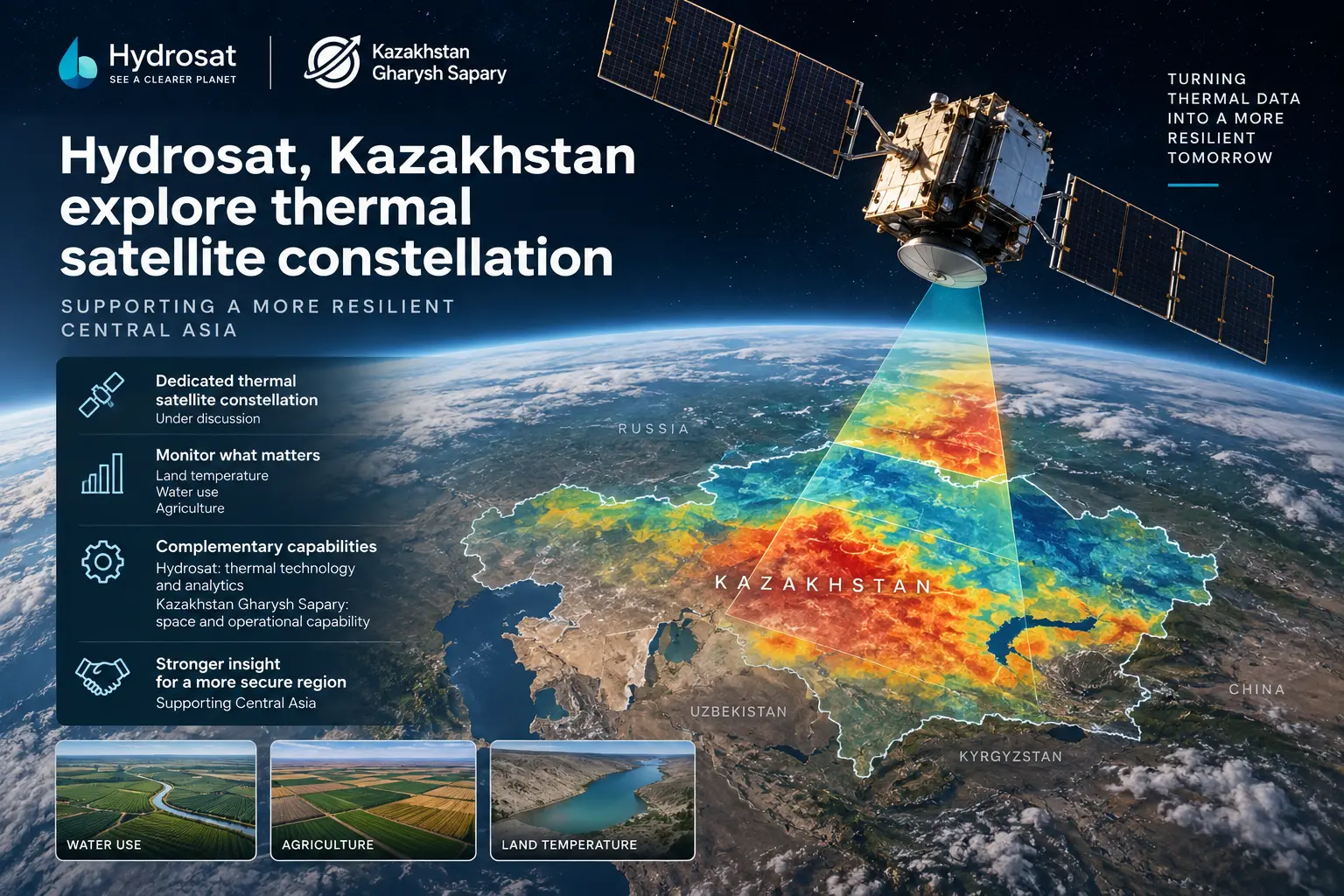
Kazakhstan Wants Its Own Thermal Eye. Hydrosat Keeps the Retina.
A memorandum signed in Astana promises Kazakhstan control over what its thermal satellites look at. It does not promise control over the software that turns heat into decisions — and that gap is where public-sector continuity actually gets decided.

Asia-Pacific Institutional Trends
SOI Asia's Bandung Declaration: 28 Signatures, One Antenna Already Down
The 2026 Bandung Declaration puts social resilience alongside academic networking. The community's own retired satellite dish is the honest test of what actually endures.

Asia-Pacific Institutional Trends
The Landslide Warning Ends at a Human With a Radio
Walailak University's September expansion plans pair offline warnings with a new repair and training centre. The real link is between the administrator who receives an alert and the community that must actually hear it.
Asia-Pacific Institutional Trends
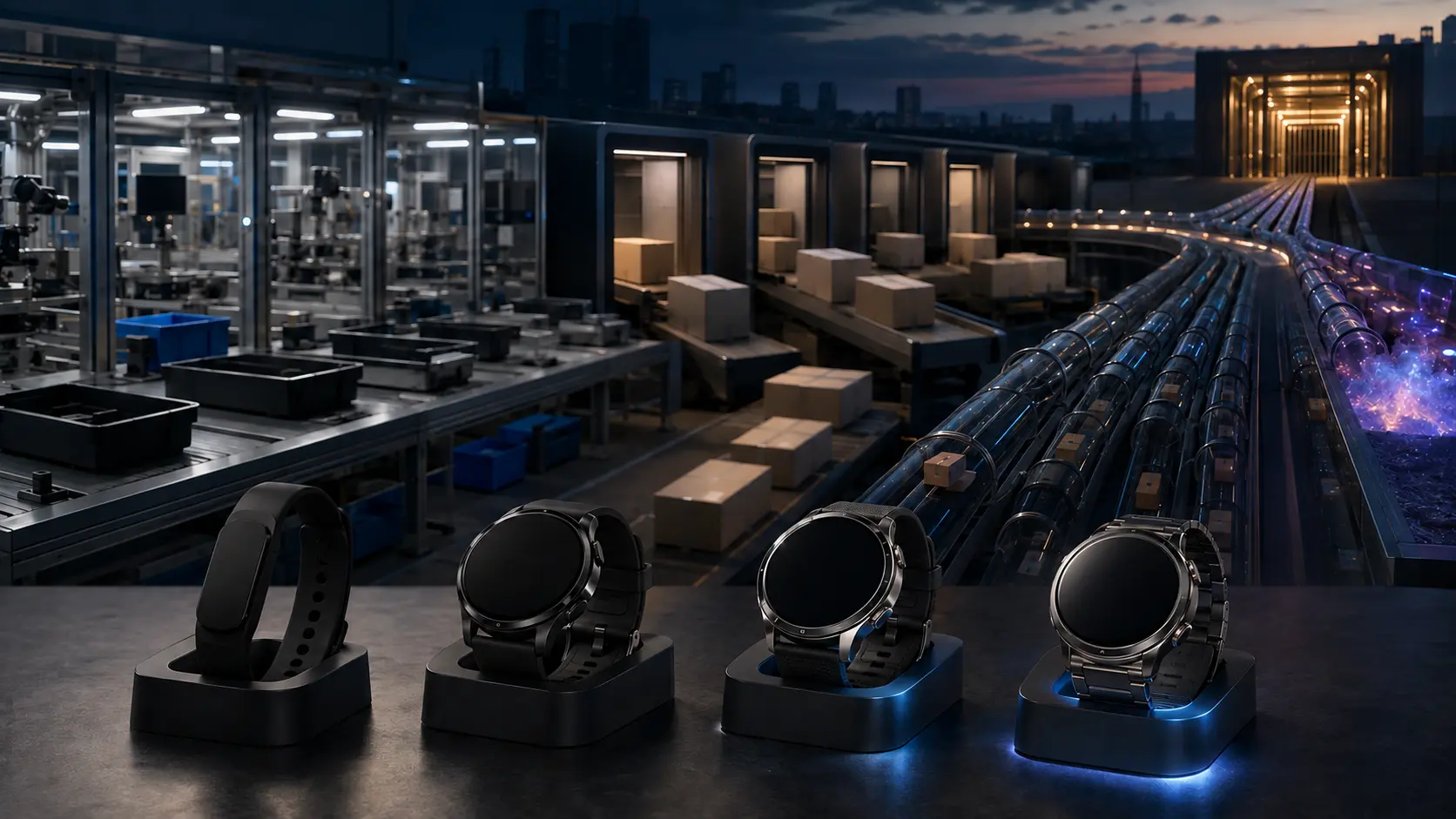
Zepp's Premium Watch Mix Is Real. The Earnings Bridge Is Still Missing.
Zepp can already show buyers are choosing dearer watches and bands. It cannot yet show those choices have crossed every commercial boundary between an activation, a channel order, recognized revenue and an operating profit. That gap is the useful part of the quarter.

Asia-Pacific Institutional Trends
Papua Throws Three Modems at a 15,000-Person Festival Crowd
Papua's communications agency and Telkom IndiBiz load-balanced three 300Mbps modems to keep hotspots, cashless payments and live streams alive when 15,000 festival-goers hit Lake Sentani.

Asia-Pacific Institutional
Pixxel's $100m Series C Buys a Runway to 2027, Not More Satellites
Pixxel's $100m Series C funds the Honeybee constellation and Aurora software, but the first satellite does not fly until 2027 and customers still live on six Firefly spacecraft.

Asia-Pacific Institutional Trends
La Caisse Wrote a ₹121bn Cheque. Altius Never Cashed It.
One announcement, two very different ledgers. La Caisse's ₹121bn bought 24% of India's largest independent tower platform from existing holders — not fresh capital for Altius. Every growth and valuation claim has to survive that distinction first.
Asia-Pacific Institutional Trends
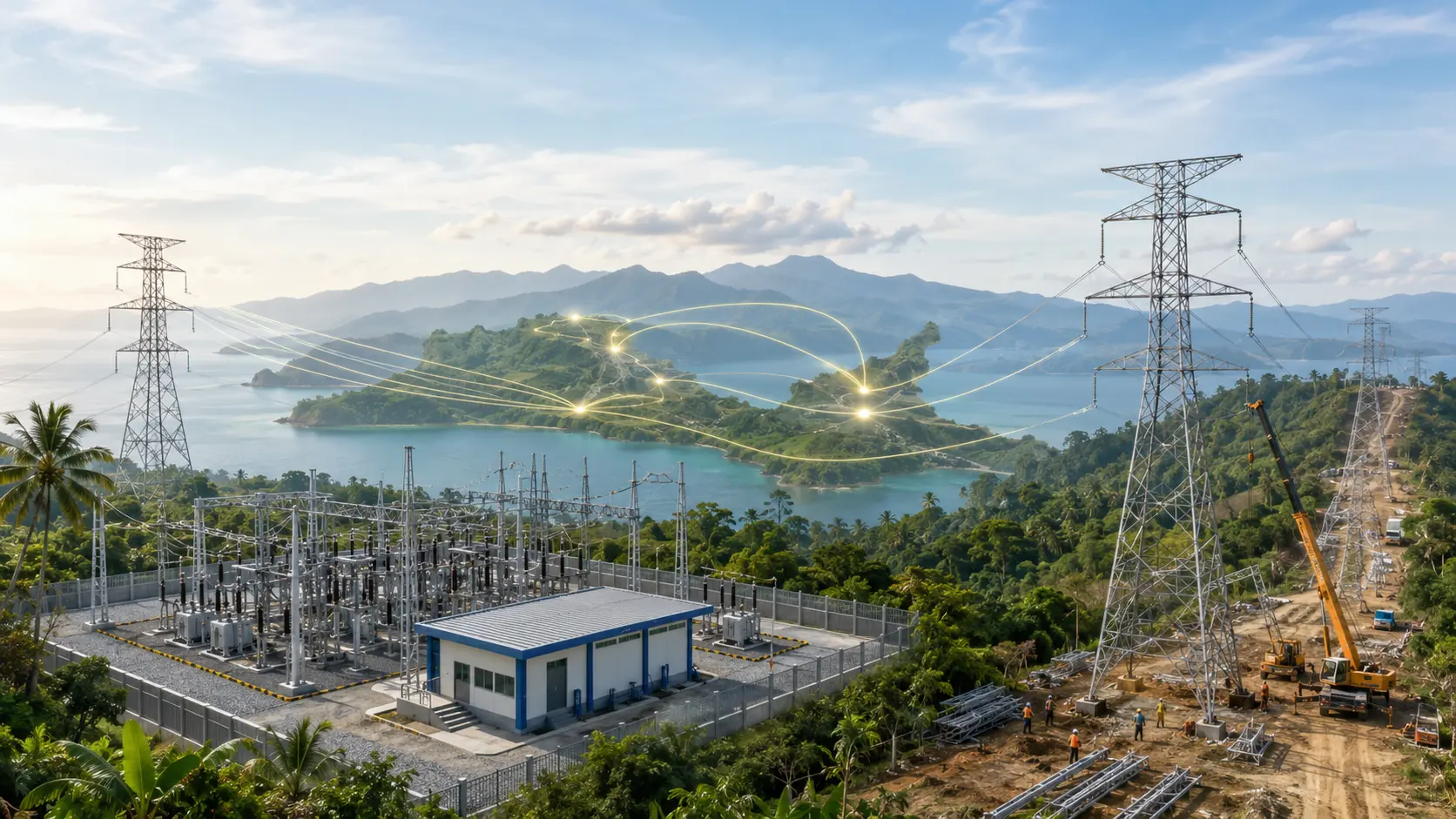
PLN Has Finished the Socket in Gorontalo. The Wires Are Still Coming.
PLN is preparing 150kV Molibagu–Gorontalo Baru/Botupingge and Tutuyan–Molibagu lines plus a Marisa–Moutong interconnection, while the 30MVA Marisa substation extension is already reported 100% complete — with no energisation dates in sight.

Asia-Pacific Institutional Trends
PLN Rents 5MW for Selayar: 16MW on the Board, Peak Demand Still Missing
Six rental generators are now running on Selayar, taking the island grid from 11MW to 16MW. PLN still has not published the peak demand that would tell anyone what those megawatts are actually for.

Asia-Pacific Institutional Trends
Shunkai Quantum Computer Goes Live at 50 Qubits in Japan
Japan's Institute for Molecular Science has switched on Shunkai, a neutral-atom machine holding about 50 atoms in laser tweezers — and the hard work on stability, external access and a 10,000-qubit horizon starts now.
Asia-Pacific Institutional Trends
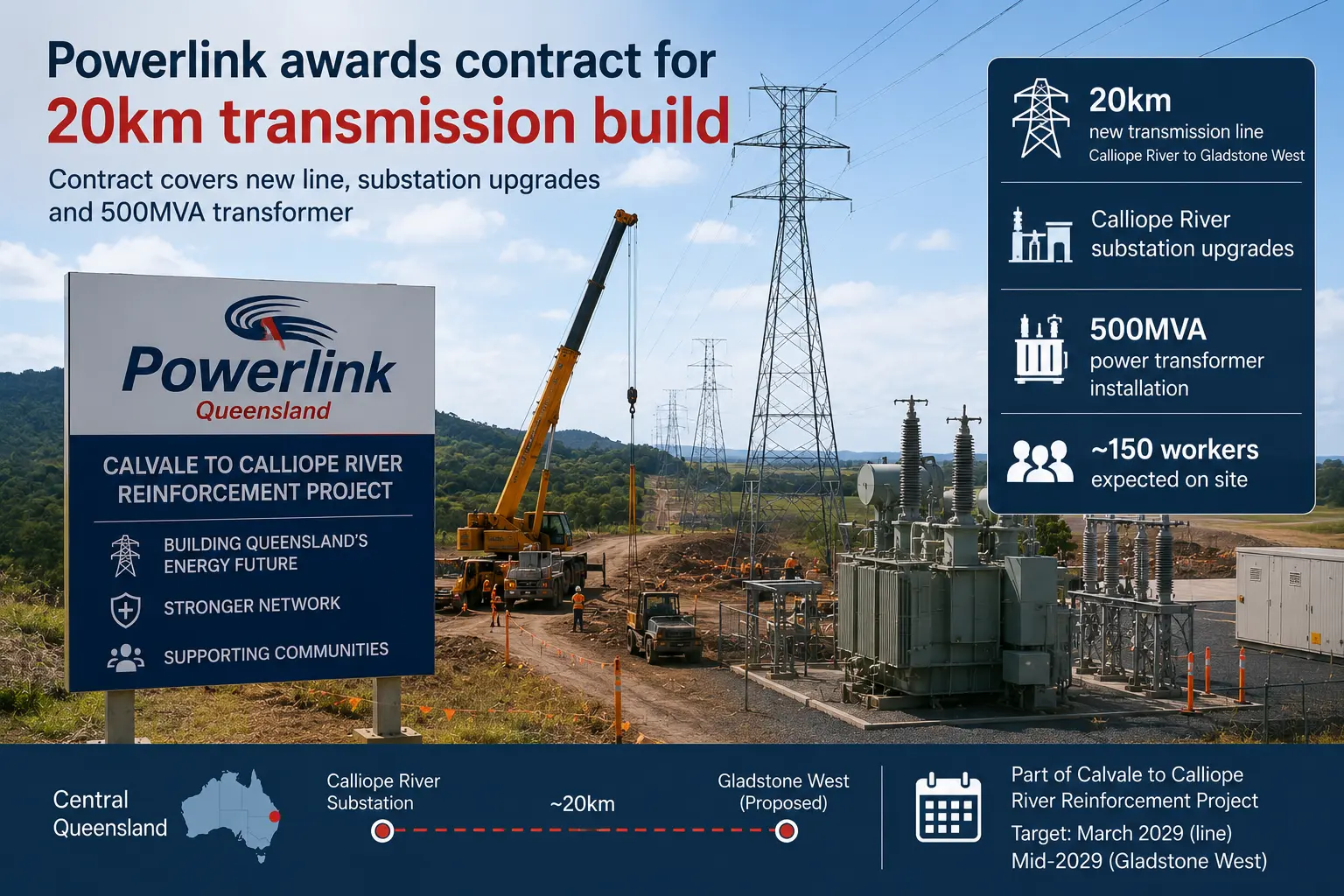
Powerlink Hands CPP 20km of Queensland Steel and a 500MVA Transformer
Powerlink has handed CPP 20km of transmission line, Calliope River substation upgrades and a 500MVA transformer as Gladstone's grid reinforcement moves from clearing to steel.

Asia-Pacific Institutional Trends
C-DOT Ships 14 Quantum-Security Products. Now Show Us a Live Fibre Link
India's C-DOT has named 14 QKD and post-quantum products, including the 1U Q-AKSHAY CD. The catalogue is real; what is missing is a named operator, a fibre distance and a working link.

Asia-Pacific Institutional Trends
ITOCHU's Fifty-Share Overshoot: A Tender Target Is Not a Cap
ITOCHU planned to buy 82,735,700 shares and bought 82,735,750. The fifty-share excess is not a breach — it is the visible output of a disclosed rounding rule, and a lesson in why a tender target, a Board mandate and a market-purchase allowance belong in separate ledgers.

Asia-Pacific Institutional Trends
Luckin’s $500 Million Buyback Is Really a $212.8 Million Permission Slip
Luckin Coffee did not announce a fresh US$500 million buyback. It topped up a nearly exhausted one, leaving US$212.8 million of unused authority under an unchanged April 2027 expiry — permission, not spending, and not the same thing as a smaller share count.

Asia-Pacific Institutional Trends
Birkenstock’s €13.8 Million Deal Is Also a €35 Million Deal. Both Numbers Are True.
Birkenstock bought its Australian distributor for €13.8 million and booked €34.965 million of IFRS consideration, a €12.291 million bargain gain and a warehouse full of marked-up sandals. Three ledgers, one deal — and only one of them is a price.