
Intelligence
Latest Articles
Latest intelligence on infrastructure operators, policy decisions, market moves, and digital power shifts.

Story
AFRINIC Set a Deadline for Its Second Constitution Consultation. The Later Review Stages Remain Undated
AFRINIC dated the public comment window and described what follows, but the frozen announcement does not date the legal review, Board consideration or membership decision.
Europe and Middle East National Telecom Trends
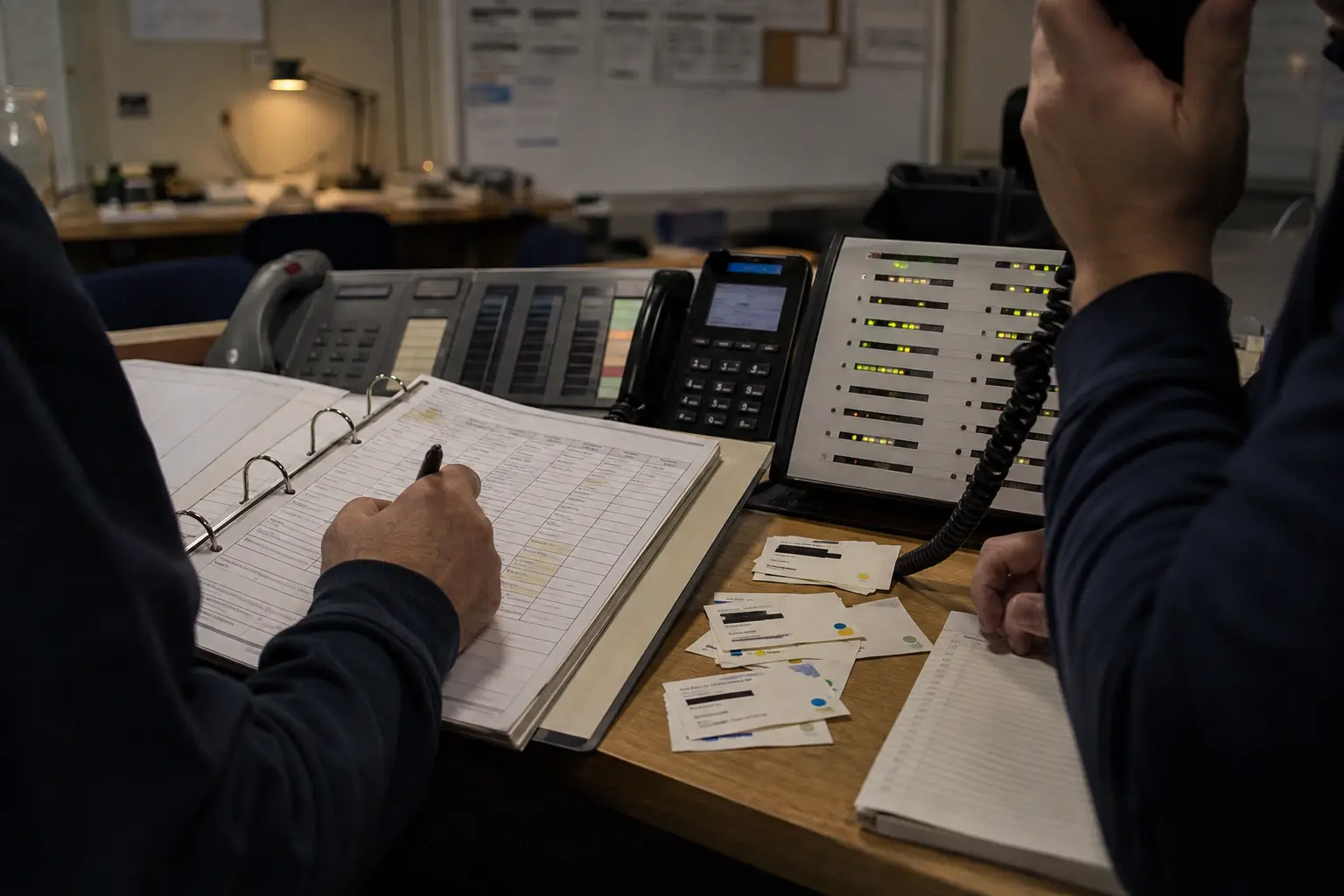
A priority telecom restoration register is not a local continuity plan until eligibility, escalation and service recovery are verified
The outage call begins with confidence. Someone opens the “priority sites” spreadsheet. The rows name a civic coordination room, two health facilities and a transport control point. Then the useful questions begin. Which access service serves each building? Has the provider…

History
The Address That Spoke Before It Was Proven Unique: How Optimistic DAD Bounded Early Use
A newly attached IPv6 host used to wait for a uniqueness test before speaking. RFC 4429 shortened that silence without pretending the test had already passed: the address could carry traffic, but not yet exercise the Neighbor Discovery powers of an uncontested owner.

AFNOG
AfNOG’s Host Call Makes the Selection Final Without Publishing a Reconsideration Path
AfNOG’s dated host call says the named selectors’ decision is final. The reviewed page does not publish a limited correction path for procedural error or material new information.

IETF
When ACME Crosses a Delayed Network: RFC 9891 and the DTN Node-ID Proof Boundary
ACME authorization material is split between the ordinary ACME channel and delayed Bundle Protocol challenge and response Bundles: the server sends a challenge Bundle to the claimed singleton DTN Node ID, while the client binds the ACME account challenge to receipt of a…

Story
LACNIC WHOIS nslastaa Records the Last Successful Check, Not Current DNS Health
A date in a registry response can look like a present-tense assurance. LACNIC gives `nslastaa` a narrower meaning: it is the last date on which a correct reverse-DNS configuration was observed on a listed server. That historical success is useful evidence, but it is not a promise…

AFNOG
AfNOG’s Host Call Prefers a Different Region Without Publishing the Rotation Rule
AfNOG’s dated host call prefers regions other than the immediately previous hosting location. The reviewed page does not define the geographic decision rule behind that preference.

Story
AFRINIC Constituted Its Governance Committee. The Published Notice Does Not State a First Meeting Date
AFRINIC has named the members and their term ends, but the frozen constitution notice does not say when the committee will first meet or publish an initial work programme.

IETF
When a YANG Name Survives Revision: RFC 9890 and the Registry Identity Boundary
A revised YANG module keeps the initial module name and XML namespace. That makes a stable registry identity useful for locating the module, but it does not by itself identify the deployed revision or prove semantic compatibility. The operational question is therefore precise…

History
The Clock Moved Only for Useful News: How TCP Tied Its Timer to New Acknowledgment
An acknowledgment can arrive without changing what a TCP sender knows. RFC 6298 made that distinction control the retransmission clock: progress receives a fresh interval, repetition does not.

AFNOG
AfNOG’s Host Call Strongly Prefers Prior Workshop Familiarity Without Publishing an Equivalent Path
AfNOG’s dated host call strongly prefers hosts familiar with its workshop requirements through prior participation. The reviewed page does not publish an equivalent proof route for a first-time host.

Story
LACNIC’s IRR turns route filters into a derived registry view
A route filter can look like a policy decision even when several of its inputs were generated from other registry systems. LACNIC’s Internet Routing Registry makes that provenance part of the operating question.

IETF
Extended BGP OPEN Removes a 255-Byte Ceiling Without Making Every Peer Ready for More Capabilities
BGP speakers announce capabilities before they exchange routes, but the original OPEN message gives all optional parameters together only one octet of length. RFC 9072 removes that 255-byte aggregate ceiling by defining an extended encoding. The change creates room; it does not…

Story
AFRINIC WHOIS source identifies a database namespace, not a record’s provenance
AFRINIC WHOIS source identifies a database namespace, not a record’s provenance intelligence summary explains the development, the public evidence available to readers, the organisations involved, the regional context, market exposure, and the infrastructure consequences that may…

IETF
When 5G Slice Intent Reaches the Transport Network: RFC 9889 and the Handoff Control Boundary
An S-NSSAI that the transport domain cannot see must cross a handoff through a VLAN, IP or MPLS identifier before it can be bound to a transport service. That identifier is a translation point, not a complete promise of isolation, quality or capacity.

Story
AFRINIC Invited Hosts for Future Meetings. The Published Call Does Not State a Submission Deadline
AFRINIC has described what prospective meeting hosts should provide, but its frozen Call for Hosting page does not say when proposals close or when selection decisions will be made.

AFNOG
AfNOG’s Host Call Makes Impact a Selection Criterion Without Publishing How It Is Measured
AfNOG’s published hosting page gives preference to locations where a local workshop and meeting would have the greatest impact. The reviewed page does not define that comparative standard or publish how selection reasons are recorded.

Story
LACNIC Geofeeds makes IP location a maintained claim, not a registry fact
An address holder’s legal domicile is not necessarily where its packets meet users. LACNIC Geofeeds creates a public path for member administrators to state where address blocks are actually used—and makes maintenance part of the claim.

History
The Old Mean Had to Move Last: How TCP Kept Its Timeout Variance Honest
A new round-trip measurement does two jobs inside TCP: it changes the expected delay and tests how wrong that expectation was. RFC 6298 fixed the order so the sample could not soften its own surprise before variance was recorded.

IETF
Enhanced Route Refresh Draws a Reconciliation Boundary Without Resetting the BGP Session
Enhanced Route Refresh Draws a Reconciliation Boundary Without Resetting the BGP Session intelligence summary explains the development, the public evidence available to readers, the organisations involved, the regional context, market exposure, and the infrastructure consequences…