
Intelligence
Latest Articles
Latest intelligence on infrastructure operators, policy decisions, market moves, and digital power shifts.
History
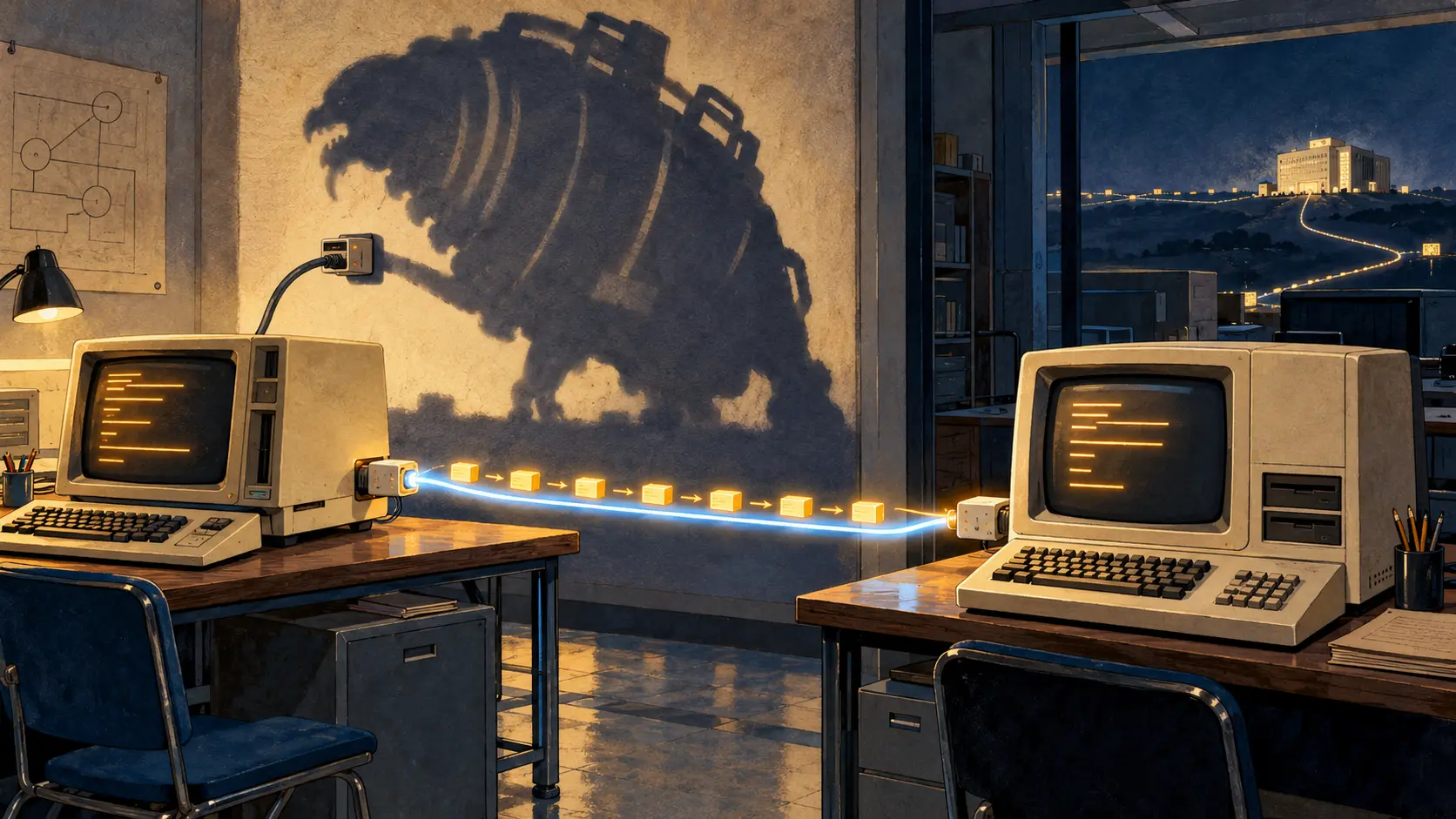
The LAN Was Fast. The TCP Monster Lived in Their Heads.
In 1982, engineers worried that TCP was too heavy for a quick local network. Michael Padlipsky followed the fear back to the job the computers were actually doing. The cable had one set of properties; the application still had its own demands.
History
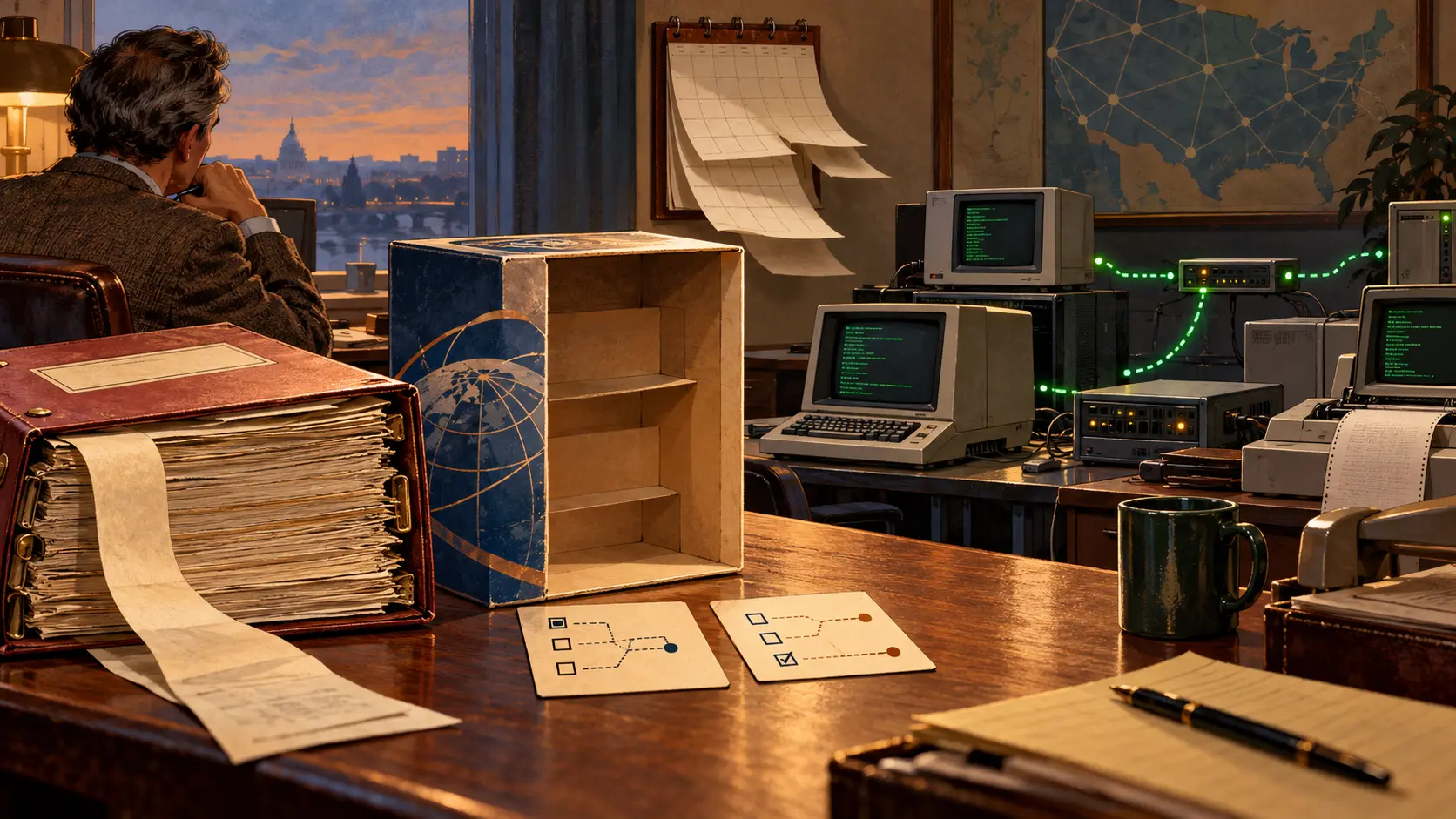
The Vendor Promised a Protocol Suite. The Purchase Order Needed One Now.
In 1982, the U.S. Defense Department could buy networking systems sooner than a promised standards suite could be finished. Michael Padlipsky asked who would pay when a reassuring vendor label failed to make two machines talk.
Leaders
Matthias Wichtlhuber Sent the IPv4 Bill to Future Engineers
A smaller first address block could keep new internet exchanges coming. Growing out of it would mean asking every connected network to help move house.
History
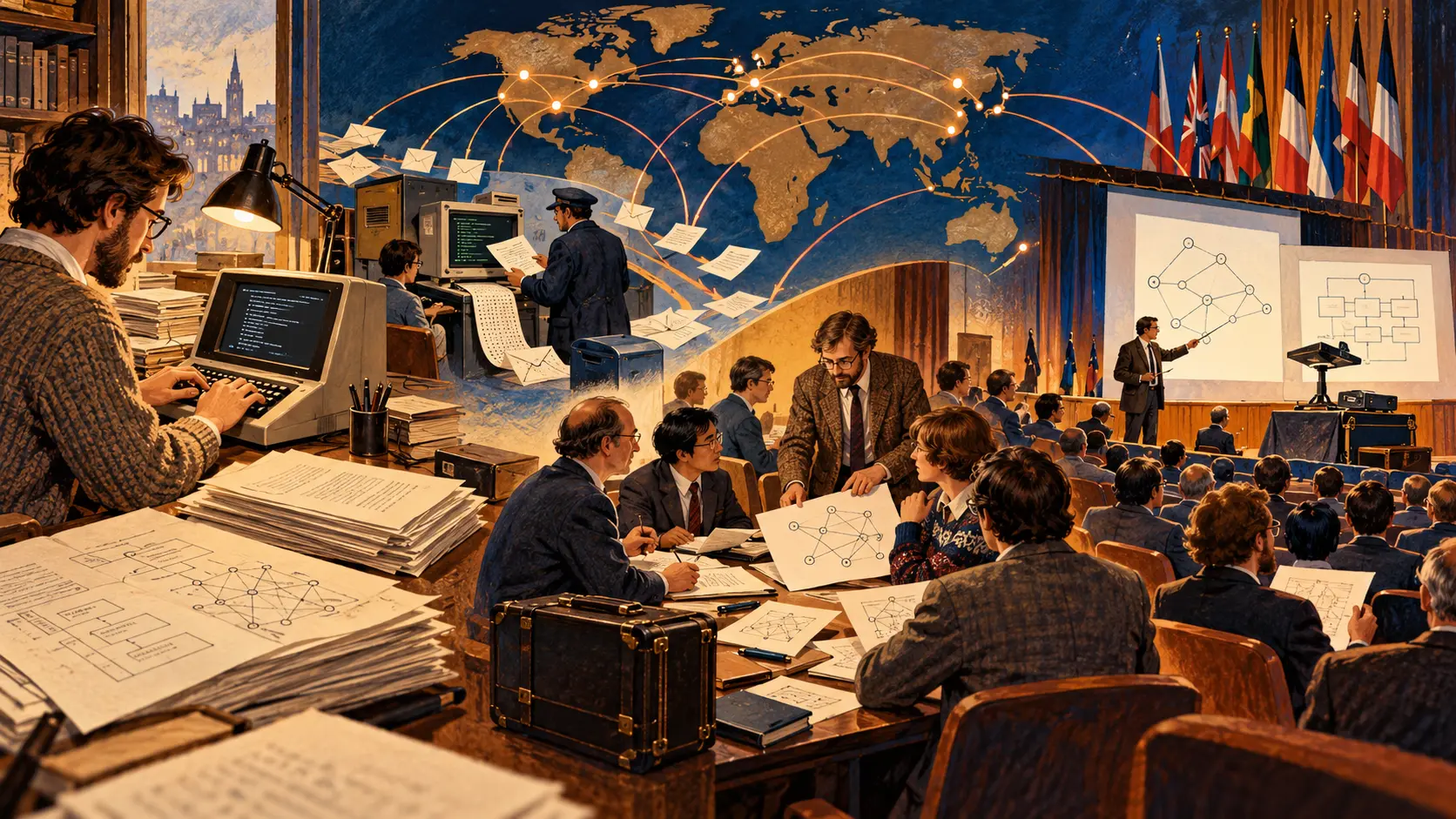
The Network Experts Took Their Papers on the Road
In 1982, the traffic that mattered to one international network group was often a draft in the mail, a workshop argument or a suitcase full of conference papers. The wires came later in the story.
Leaders
Edwin Verheul’s 127 Addresses Had a Routing Problem
The paperwork could prove an experiment needed addresses. The internet still needed to see them. A Dutch network engineer took that mismatch to RIPE.
History
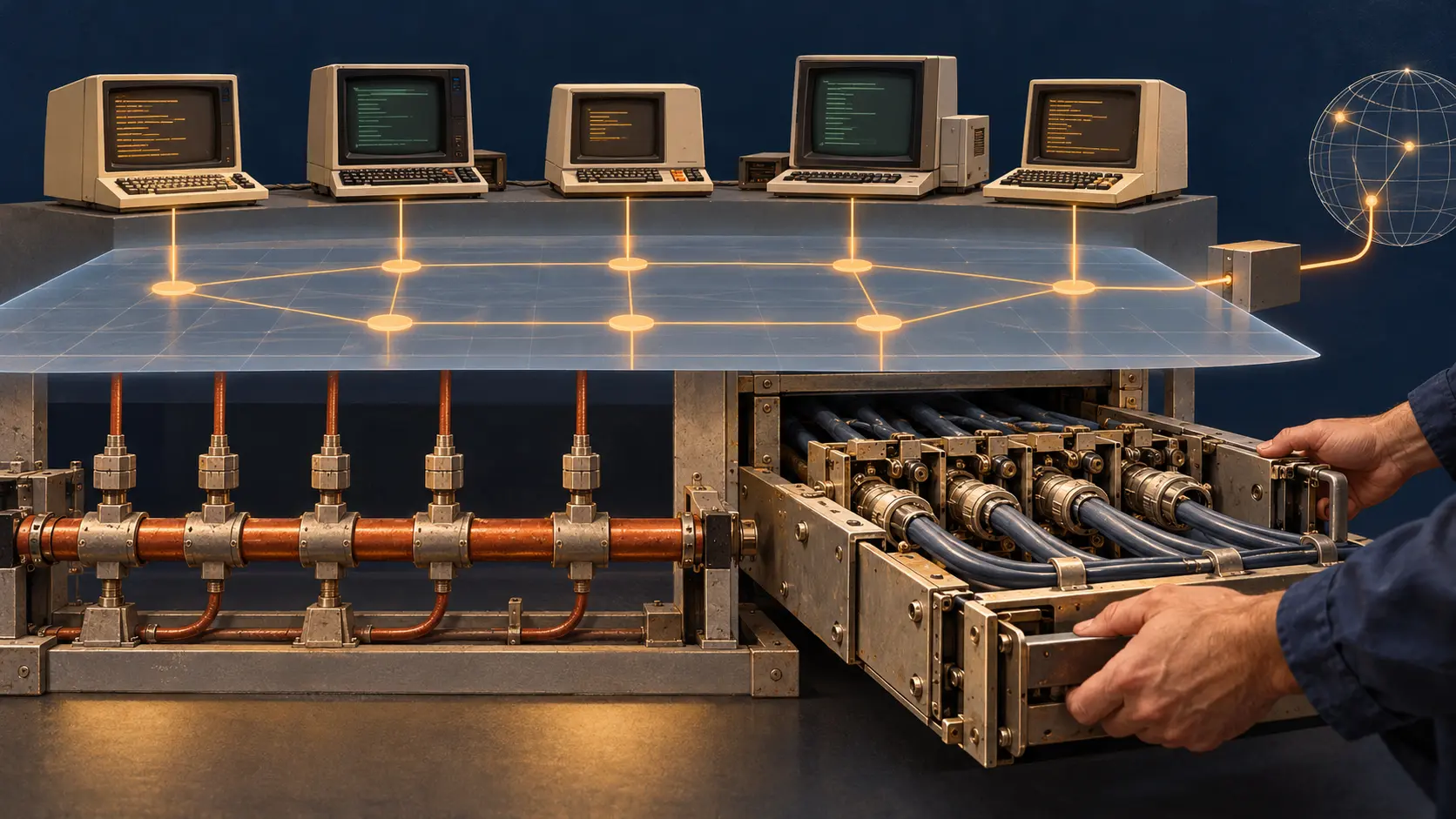
Cronus Told IP: Don’t Look Down, We’re Changing the Network
In 1982, a distributed-system design made a wonderfully practical bargain: keep the Internet-facing interface steady, and let the local network underneath change its shoes.

Leaders
Hernán Arcidiácono Put Two Ledgers at IPv4’s Exit
An IPv4 block can leave a special reserve or start serving another network. Arcidiácono helped write a public log for each journey.
Asia-Pacific Institutional Trends
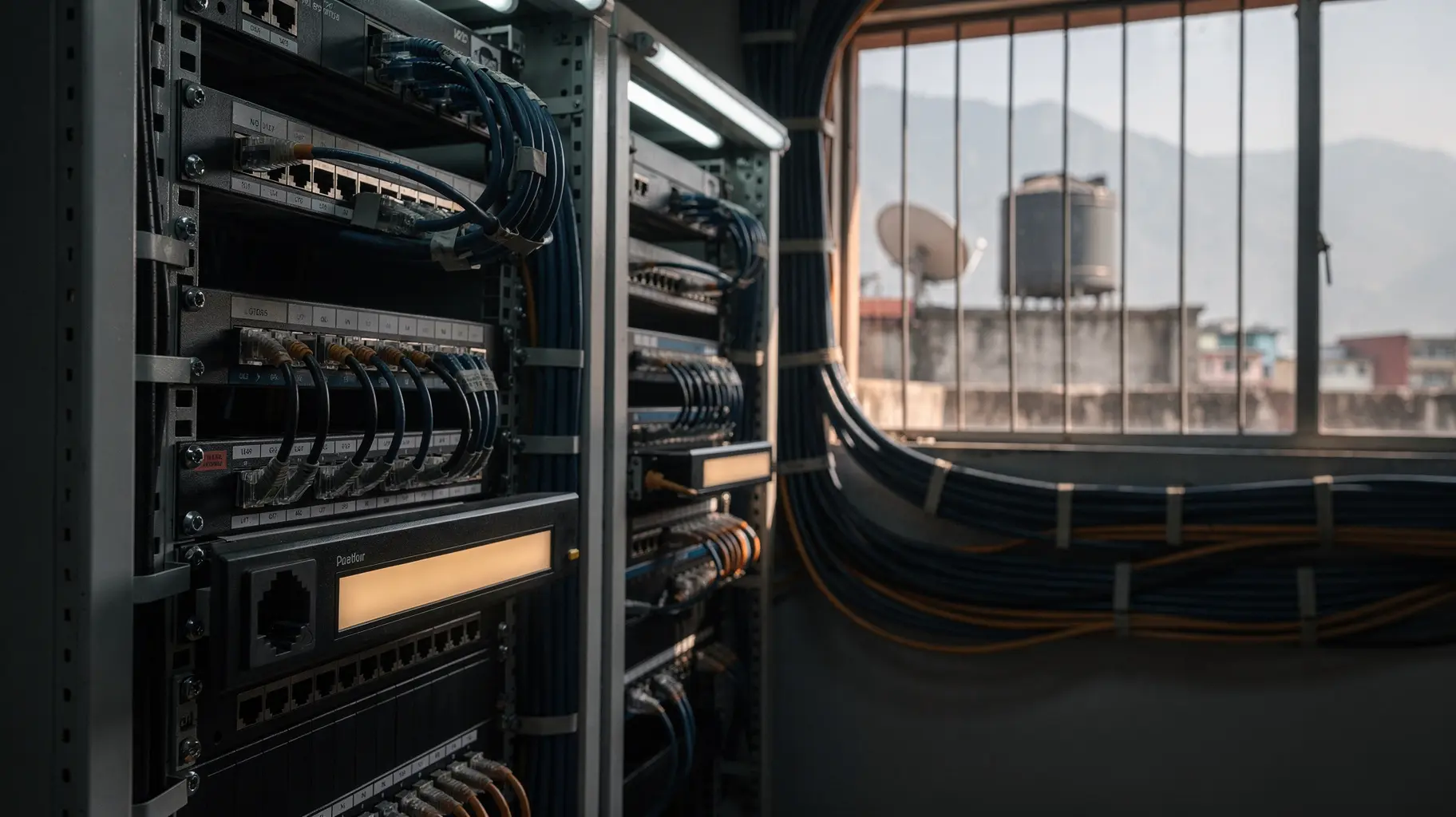
A hundred gigabits that stay in Nepal — and the missing number that would make it mean something
NPIX says it crossed 100 Gbps of traffic swapped inside Nepal in April 2026, and that the level looks stable rather than spiky. The retained record still supplies no denominator or port count, and its provider summaries conflict — one reports more than 40 entities, a later one…
History
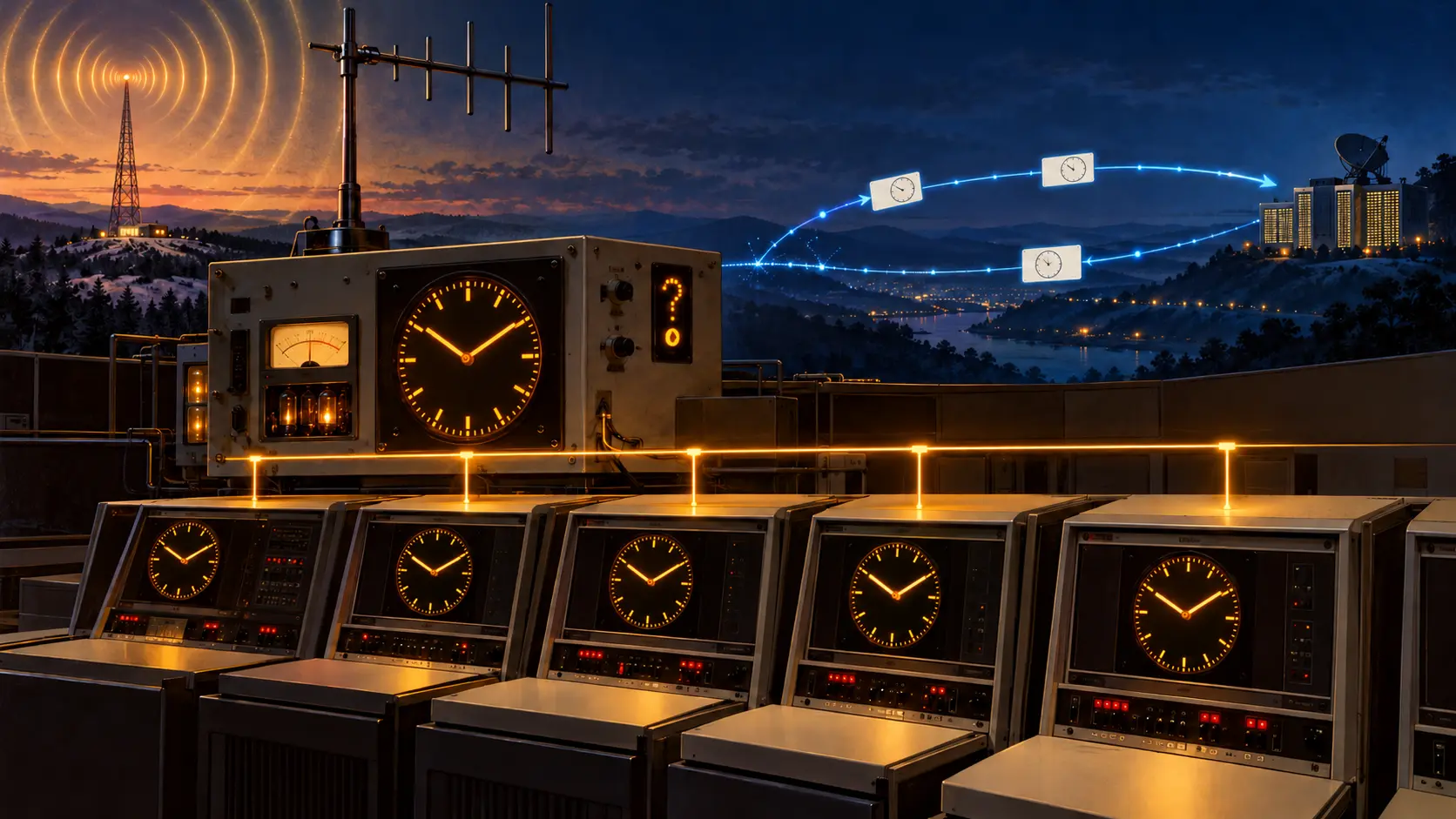
The Radio Clock Was Right. The Host Was Still Late.
In 1981, DCNET offered Internet hosts a clock tied to a radio signal. Its own memo also told operators where to find the offsets, the delay and the little question mark that could spoil the reading.
Leaders
Tomás Lynch Put a Clock on Zombie Proposals
At LACNIC, a proposal could lose consensus and keep occupying a chair for years. Lynch gave that chair a twelve-month reservation.
History
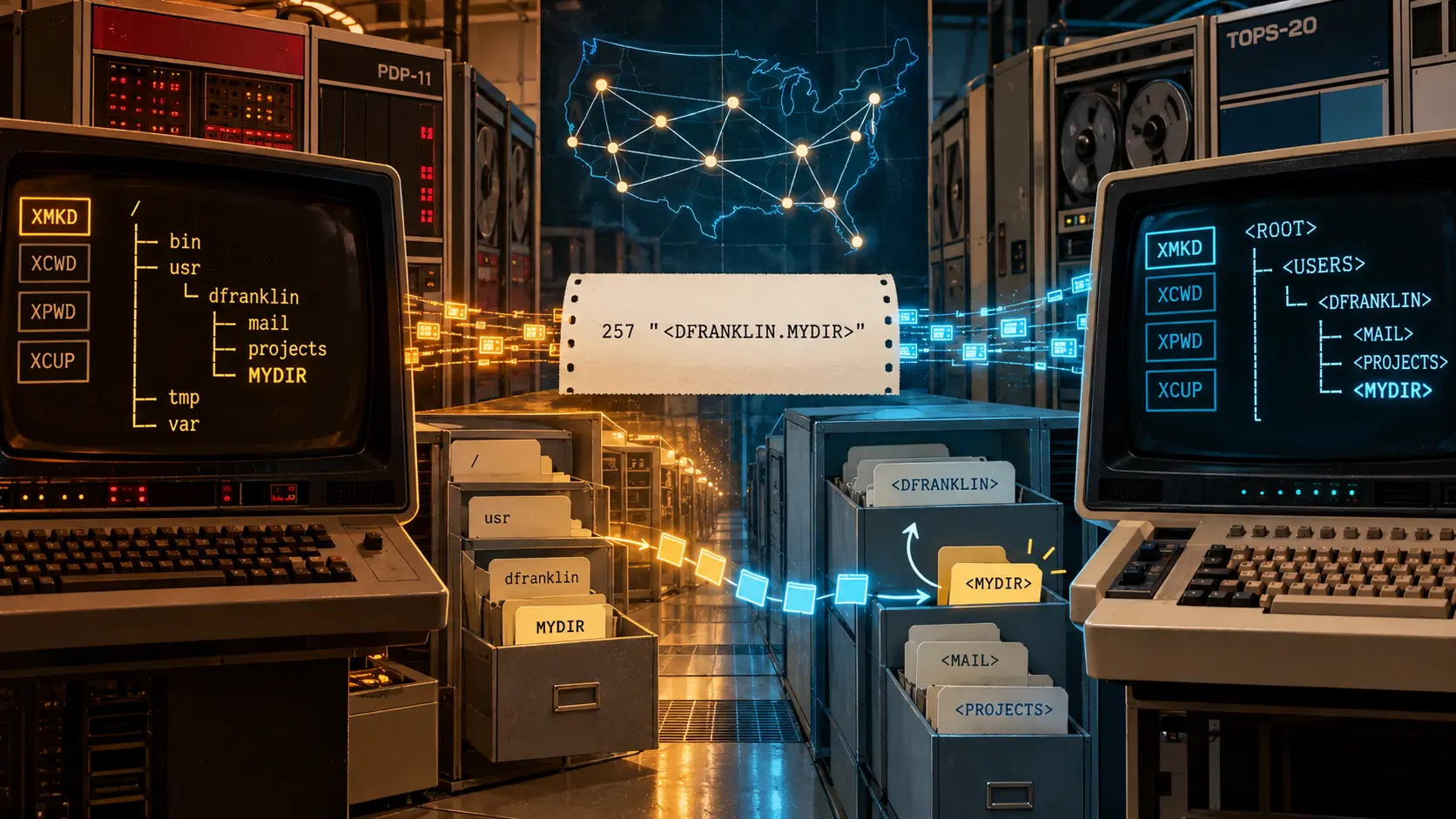
FTP Made a Folder. Then It Forgot What You Called It.
In 1980, a newly created remote directory could refuse the very name its creator had just typed. RFC 775 made the server answer with the name that actually worked.
Asia-Pacific Datacenter Trends
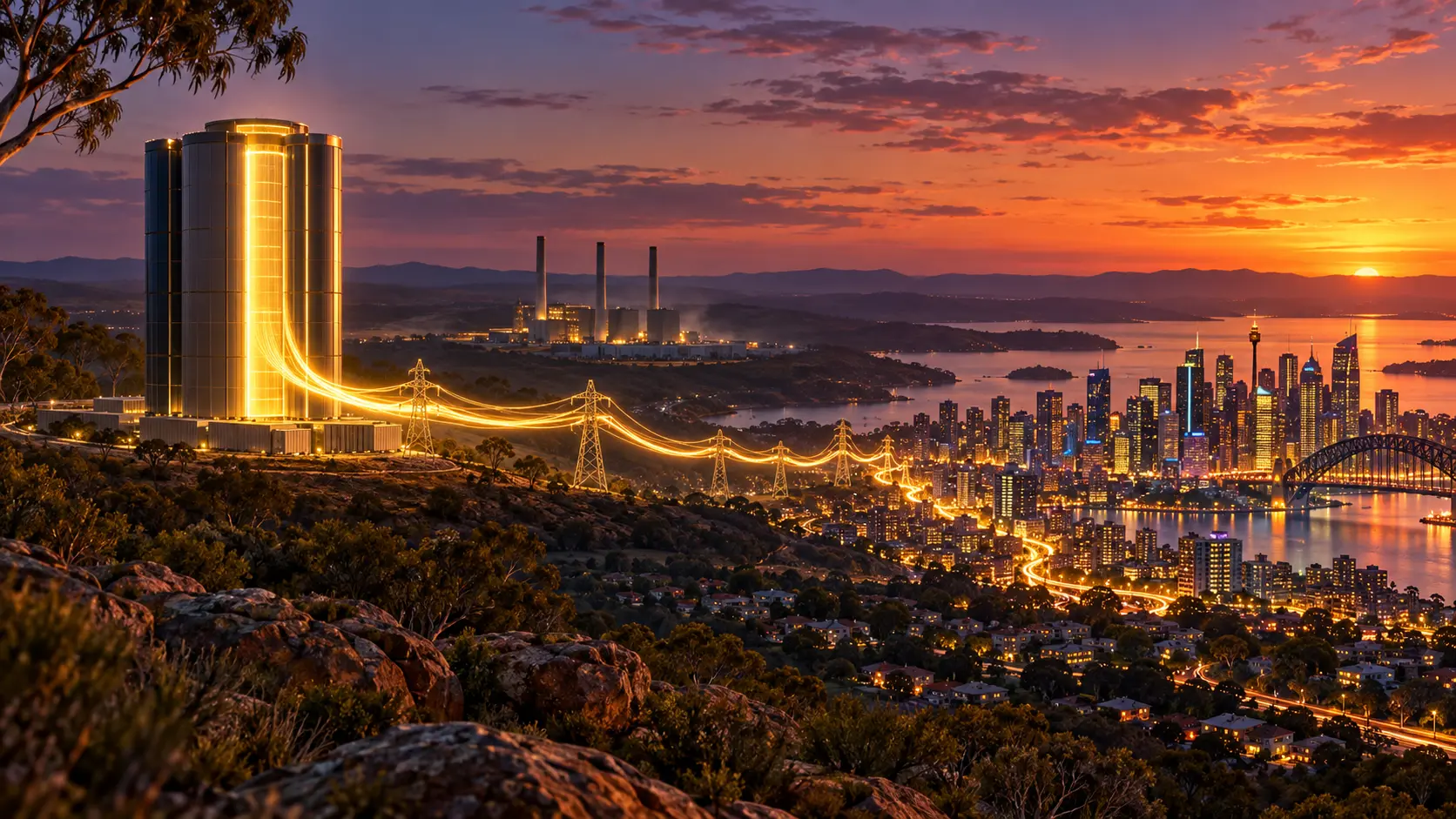
Batteries took the evening shift. Gas got the smaller call sheet.
In Australia’s September-quarter electricity market, grid batteries supplied a larger slice of the evening peak than gas for the first time in any quarter. They also set the price in almost half of dispatch intervals. The battery is no longer just waiting backstage for the…
Leaders
Hernán Moguilevsky Sent the ROA Pen Downstairs
The network using an assigned IPv4 block had to ask the address holder to sign its routing permission. Moguilevsky put the pen closer to the engineer doing the work.

History
The Key Looked Random. The Clock Had Given It Away.
In 1994, Internet engineers spotted a wonderfully bad bargain: a computer could print a formidable secret while giving its adversary only a few plausible starting guesses.
History
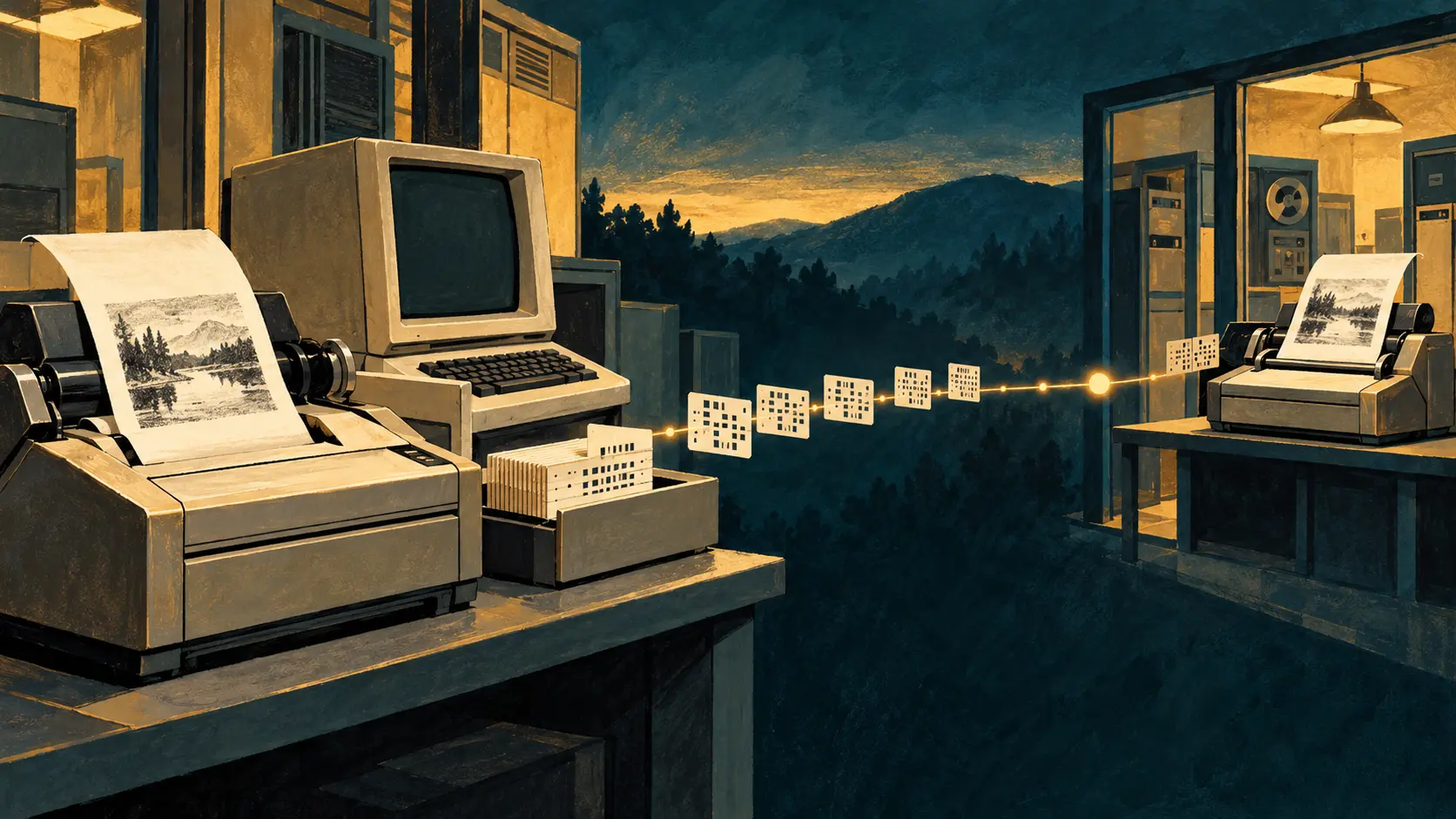
The Internet Carried the Fax. The Decoder Stayed in the Machine.
In 1980, Jon Postel wrote down how to move a fax page as a file. The network could carry the bytes; reading them still required the right appliance.
Leaders
Fernando Frediani Put a Keyhole in the Word “Exclusive”
An address block can be assigned exclusively and still travel through another network. Frediani helped write the sentence that says who gets to turn the key.

Asia-Pacific Datacenter Trends
Four power sources walked into an MOU. The price stayed outside.
Sembcorp and Nxera put hydrogen, biomethane, building solar and imported floating-solar power on the table for Singapore data centres. The memorandum names options; the announcement leaves the commercial terms blank.
Leaders
Evandro Varonil Cut the ISP Entrance Ticket to 256 Addresses
An aspiring network operator used to need a 1,024-address first ticket in LACNIC's region. Evandro Varonil asked why a young ISP had to buy a four-seat table when it needed one chair.

History
The Thief Sampled One TCP Number. The Next Door Had Another Starting Line.
In the 1990s, one ordinary connection could help predict the first number of a forged one. RFC 1948 kept the clock moving but gave each pair of endpoints a secret offset.
Leaders
Edmundo Cázarez-López Put 131,072 IPv4 Addresses Behind Glass
The network can run out of addresses while a new critical facility still needs them. Cázarez-López wrote a special reserve for that awkward day, complete with a size limit, a return rule and a sharp penalty for changing its purpose.