Summary
- RFC 828 carried an IFIP report to the ARPA Internet community in 1982, describing how TC 6 working groups circulated technical ideas through mailings, workshops, invited conferences and open symposia.
- The report followed work on local networks, computer messaging, protocols and human-computer interaction, while distinguishing the circulation of an idea from its later treatment by standards bodies.
Before a protocol could travel smoothly between machines, its authors had to get an argument between people. RFC 828 is a revealing piece of that human plumbing. Written for the International Federation for Information Processing by Kenneth Owen in August 1982, it brought a report on Technical Committee 6 to the ARPA Internet community. The committee worked on data communications at the seam between computing, telecommunications, national authorities and standards organizations. Its members did not all share one laboratory or one national network. They needed ways to move papers, doubts and working methods across those boundaries.
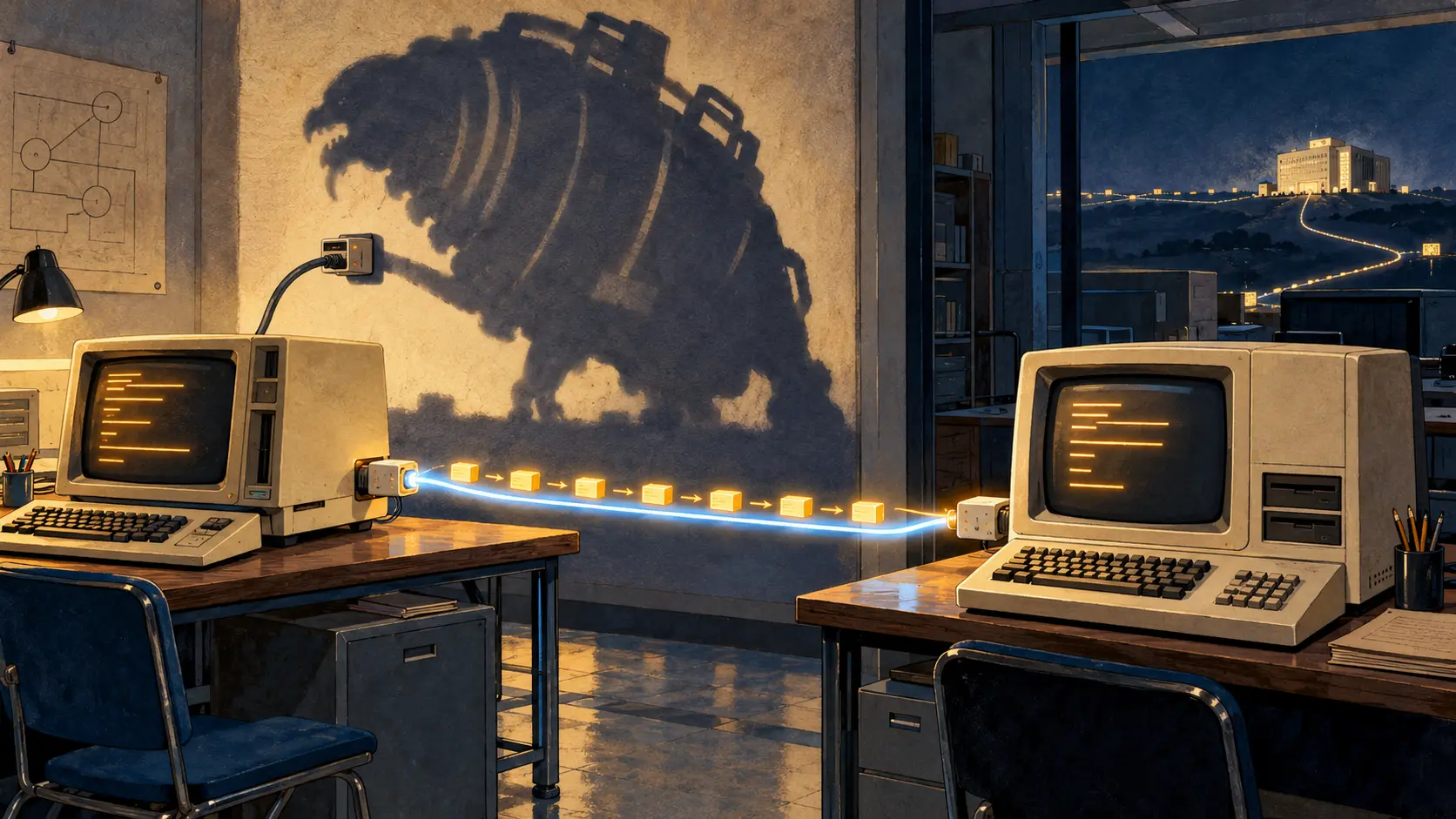
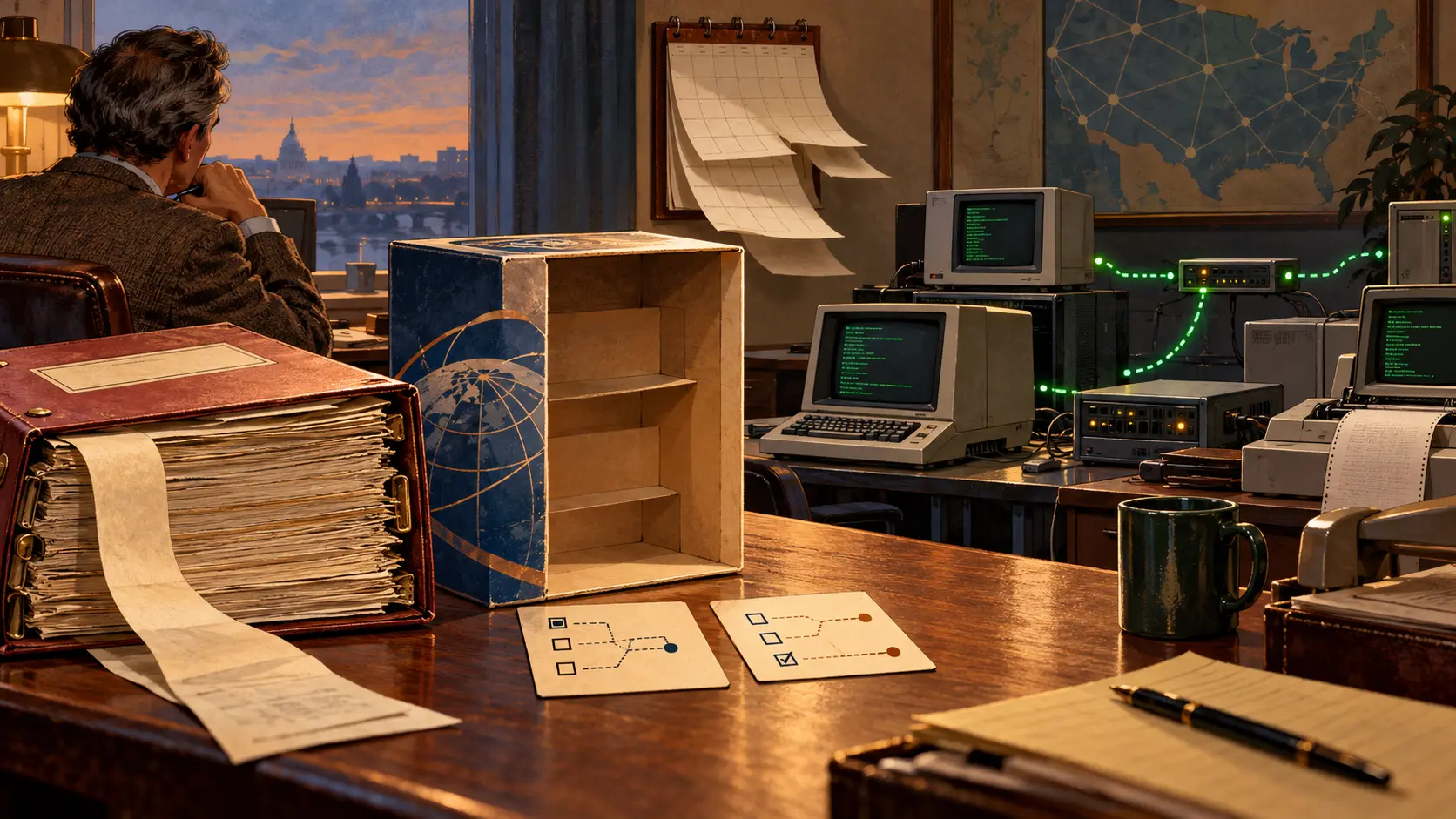
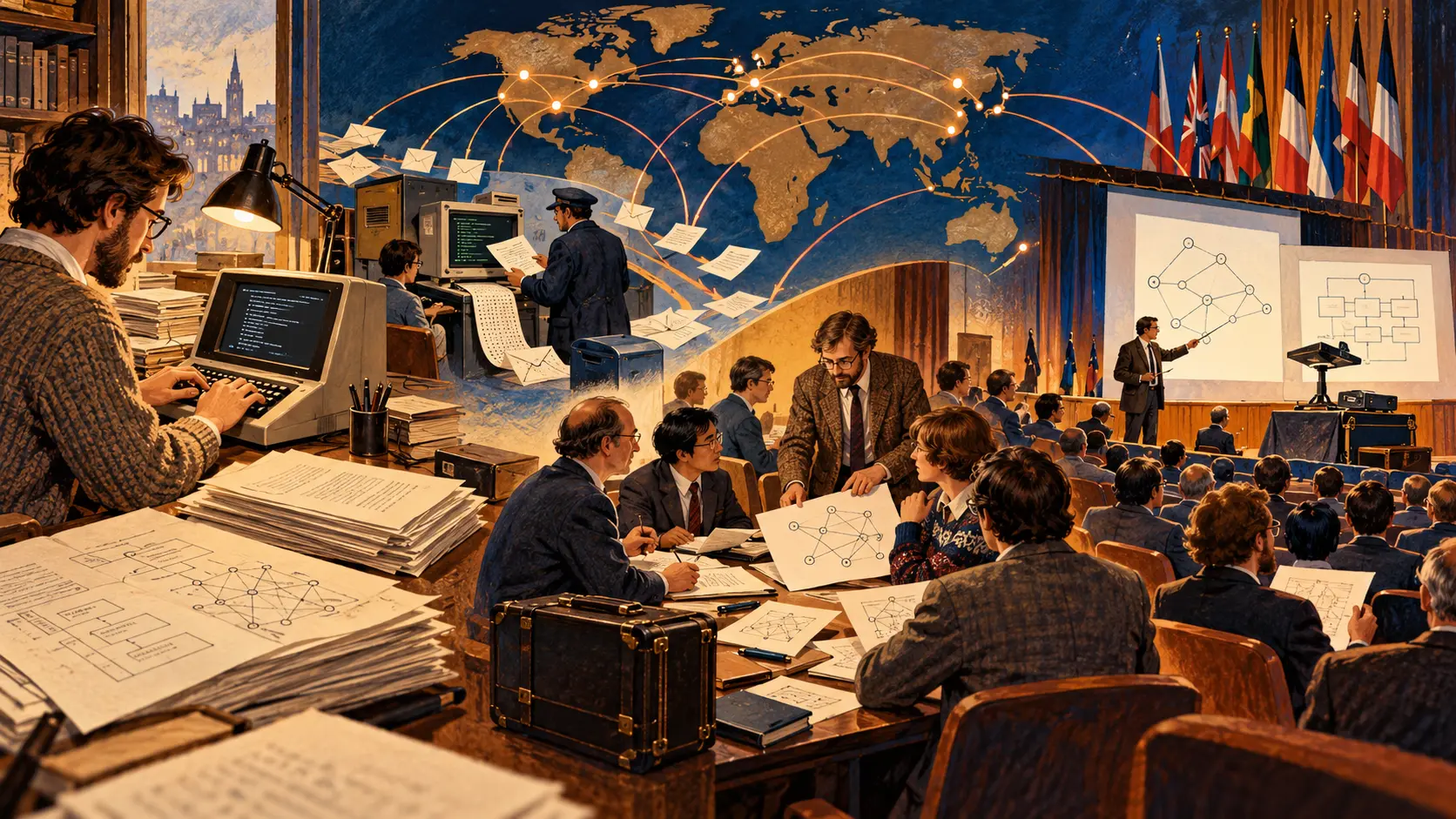
The report has a wonderfully unceremonious image for one part of that work: a technical travelling circus whose speakers received no fees. Behind the joke sat a disciplined distribution system. Working groups could number perhaps 200 people who stayed in touch by mail, including electronic mail. They circulated research papers, reports and notes to members, sometimes before formal publication. An idea did not have to wait for a bound proceedings volume before its first serious readers could object to it. The mail was a working surface, not just an invitation service.
Then came meetings with different jobs. An informal workshop met early enough to clarify terminology and method while a field was still taking shape. A working conference gathered invited specialists, each bringing a formal paper, and published proceedings afterward. An in-depth symposium was open and designed for a larger technical audience; TC 6 held one annually. Those formats formed a route from unfinished argument to wider scrutiny. A small room could discover that two engineers used the same word for different things; a large room could expose the resulting method to people who had not helped invent it.
Professor Andre Danthine, the committee’s chair, wanted the exchange to work in two directions. One linked researchers and practitioners in technologically advanced countries. The other was meant to carry an intelligible account of current technique to developing countries. The report describes state-of-the-art conferences as part of that second responsibility. It also records an institutional asymmetry: national professional organizations supplied IFIP membership, one per country, while the working groups drew their energy from specialists who could write, meet and travel.
The body organized contact; the technical claims still had to survive the work.
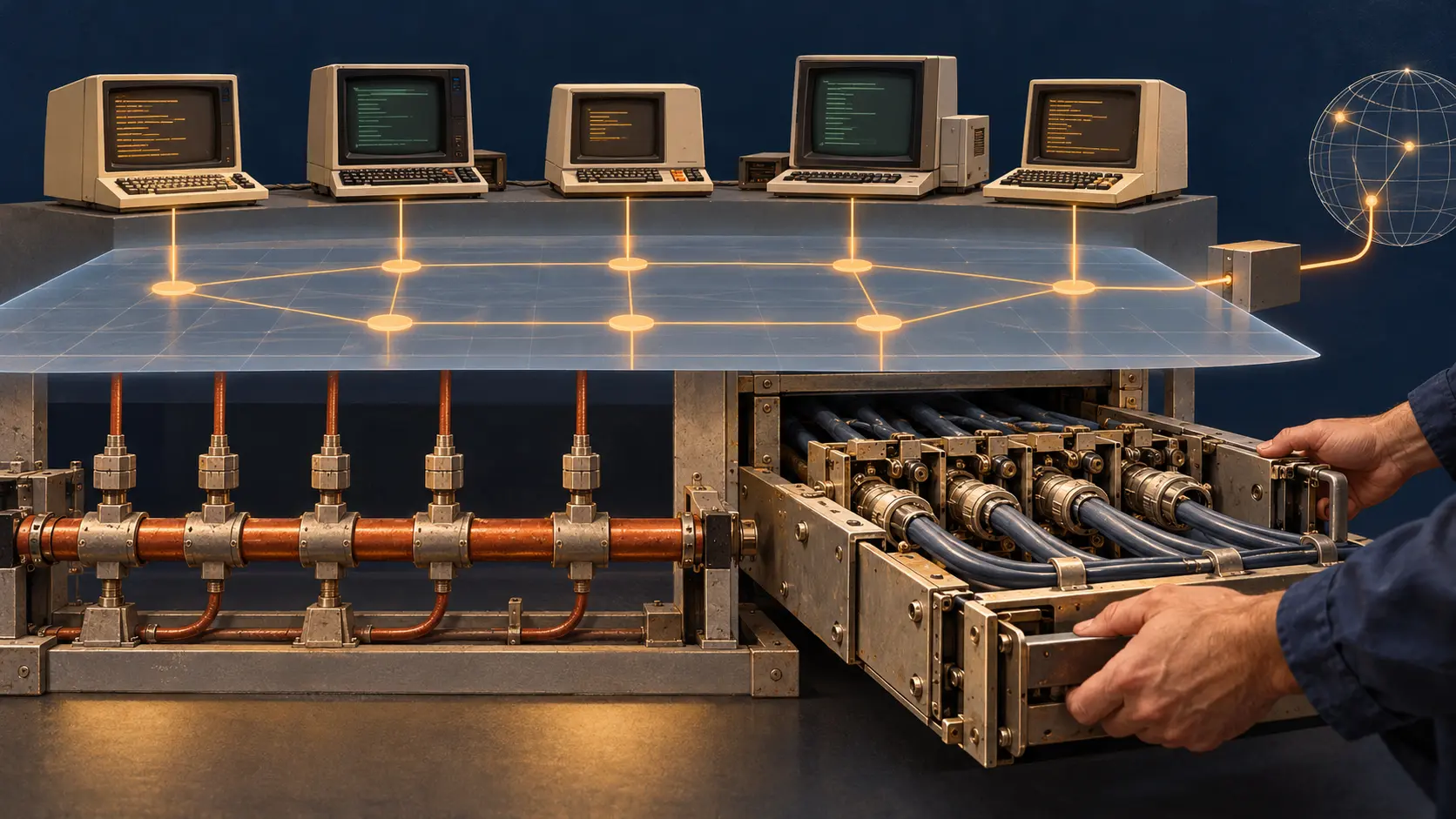
The committee’s subjects made that work urgent. Its local-network group, WG 6.4, brought engineers together while Ethernet, ring networks, gateways and other designs competed for attention. The IFIP report says more than 500 delegates attended a Florence symposium earlier in 1982. That number measures a room full of interest, not a deployed network. Another group, WG 6.5, studied computer messaging. It separated the user agent, which serves the person composing and reading a message, from the message transfer agent that carries the electronic envelope between systems.
Its systems work reached formal consideration by a CCITT study group on transfer between those agents. A workshop vocabulary had found its way to a standards desk; the desk still had to do its own job.
WG 6.5 also pushed beyond packet diagrams. A 1980 Bonn workshop's recommendations argued that messages between people should cross borders without restrictions harsher than those applied to letter post and that tariffs should not discriminate against computer-based messaging. Those were IFIP recommendations made in a particular debate about carriers, privacy and new services. They show what was at stake when a message left the research lab: whether a person could use it, afford it and send it across a border.
The same report discusses work aimed at messaging needs in developing countries, including a proposed postal-office-style delivery chain for people without terminals of their own.
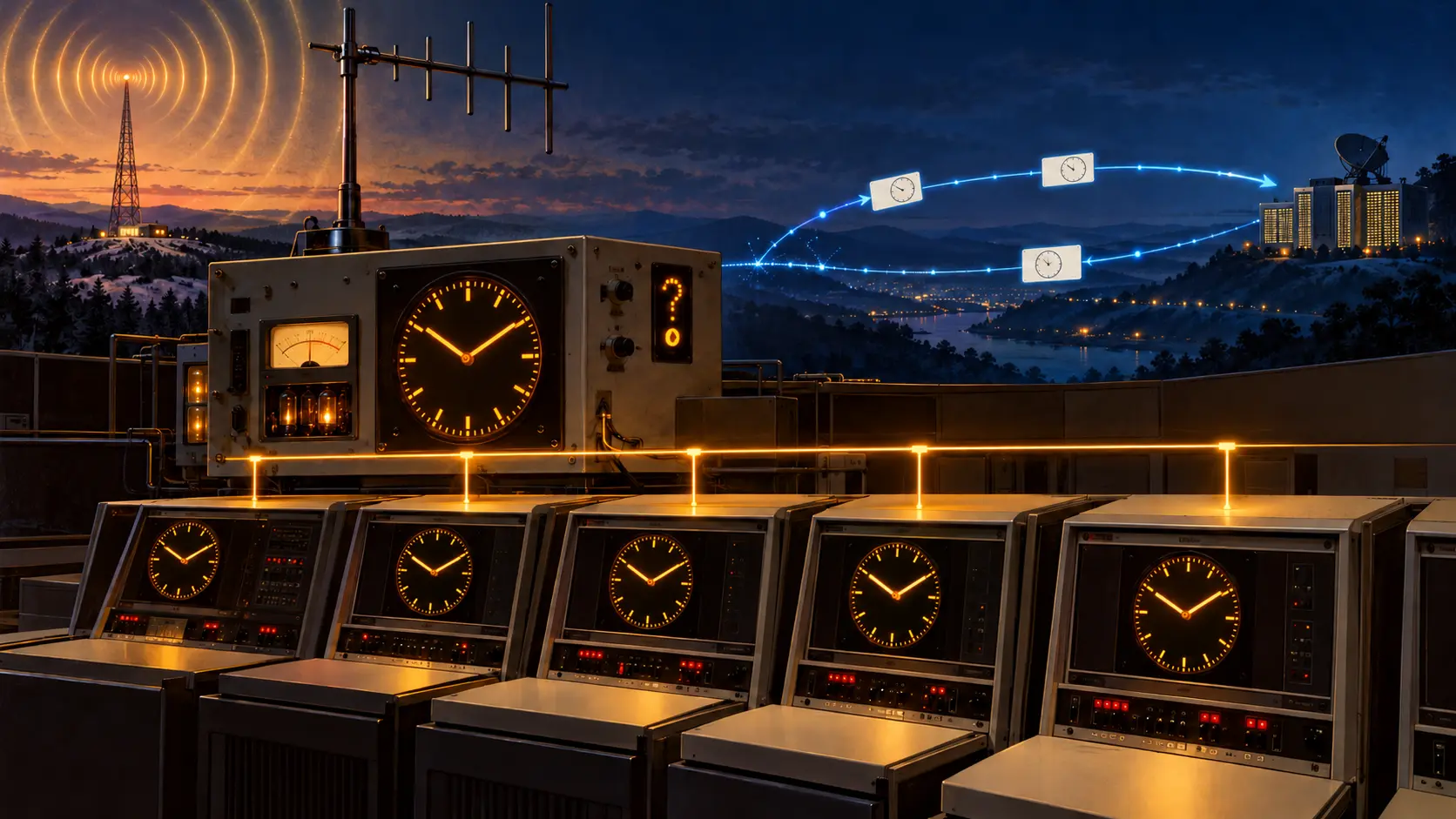
The older protocol group, WG 6.1, had roots in an international network group linked to the ARPANET community. It studied interworking of packet-switched networks and sought experimental interconnections where possible. By 1982, Owen wrote that much of the emphasis on protocols had moved from IFIP’s research and discussion toward the follow-on work of international standards bodies. Meanwhile the human-computer interaction group, WG 6.3, was reviewing its own scope. The committee was neither a single protocol factory nor a frozen chart of departments. It shifted attention as technical questions changed.
The journey of RFC 828 is itself part of the story. The document entered the RFC series so the ARPA Internet community could learn what IFIP TC 6 was doing and take part. It carried descriptions of papers in circulation, proposals under discussion, conference formats, policy recommendations and handoffs toward formal standards work. Each occupied a different point on the road. A travelling circus may be a funny way to describe a technical committee. In 1982, it was also a good reminder that knowledge needed a route before packets could have one.
Member Briefing
Deeper Profile Context
Sign in with the right membership level to unlock the full briefing and source notes.
Only for Strategic Circle
Strategic Circle
Open to all readers. Unlock profile briefings after joining and signing in.
Join Strategic CircleOnly for Leadership Alliance
Leadership Alliance
For qualified IP-asset owners and management; sign in to unlock alliance briefings.
Join Leadership Alliance