
Intelligence
Latest Articles
Latest intelligence on infrastructure operators, policy decisions, market moves, and digital power shifts.

Leaders
Kaveh Ranjbar Wants the Registry to Point Beyond Its Own Record
A lookup can find the holder of a network and still miss the holder’s current registration data. At RIPE 93, Kaveh Ranjbar asked the database community to make that last hop visible—and to decide what happens when the destination lies.

Academics
Katherine Izhikevich Found a German Probe Getting to Singapore Too Fast
A RIPE Atlas probe kept Germany on its profile after moving to Brunei. Its 30-millisecond trip to Singapore broke the story told by the map pin. Katherine Izhikevich used that contradiction to find a wider problem in Internet measurement: a location field can travel farther than…

Leaders
Haitham El-Nakhal Asked for Two Last /8s. Five Regions Settled on One.
Africa's IPv4 claim had a number attached: two final blocks for every regional registry. Haitham El-Nakhal carried it into an international policy room. The number that survived was one.

Leaders
Gaurab Raj Upadhaya Put “Tier 1” on a BGP Path. A Third Network Walked In.
A carrier can call itself transit-free. Its customers still have to route through the network that exists. At APNIC in 2006, Gaurab Raj Upadhaya and two colleagues laid the industry's status claim against observed AS paths and found a guest the neat hierarchy had no seat for.

Leaders
Bill Woodcock Asked Who Could Afford ARIN’s $500 Experiment
ARIN put a price on temporary address space in 2004. Woodcock saw the student researcher on the wrong side of the invoice. Four years later, a different researcher had trouble getting even a company to pay it.

CASE FILE
Washington Banned Five Suppliers. Its Affiliate Map Stayed in Two Offices
The federal government can name the five telecommunications and surveillance companies it does not want in its purchases. Naming a corporate relative is harder. In May 2026, the General Services Administration said it had assembled roughly 700 subsidiary and affiliate leads. The…

History
Four Browsers Ran WebAssembly Before W3C Published Its First Draft
By November 2017, Chrome, Edge, Firefox and Safari could run WebAssembly. W3C's first public Working Draft of the Core specification came three months later; its Recommendation took until December 2019. The browsers did not wait for the stamp. Their implementers had already…

Leaders
Franziska Lichtblau Would Rather Lose the Room Than Lose the Record
A RIPE policy meeting can fill with agreement in minutes. Turning that noise into a change to Internet address rules takes a longer, public trail. At RIPE 93, Address Policy co-chair Franziska Lichtblau kept pulling the conversation back to that trail.

Leaders
Erik Bais Put a 24-Month Clock on Acquired IPv4. The Merger Door Stayed Open.
RIPE's transfer rules once lived in four documents. Bais pulled them into one and made a newly acquired scarce resource wait before a policy transfer. A company could still be acquired again while the clock ran.

Leaders
David Tatlisu Opened the Cleanup File. The Deletion Rule Is Still Blank.
RIPE’s database group has given its old NONAUTH records a numbered work item. David Tatlisu made that decision on 29 October. The next decision is harder: which record may disappear, who gets warned, and who can stop a mistake before a routing filter inherits it.

Academics
Dan Li Gave the Unknown Packet a Third Door
A customer packet arrives at an exchange edge. Its source is absent from the permit list. The easy rule drops it. Dan Li and three co-authors put a more awkward question in front of the operator: what if the list is incomplete?

Leaders
Barry O'Donovan Found the Vulnerability Inbox. Who Owns the Patch?
The EU has put three names on the open-source supply chain: contributor, steward and manufacturer. At RIPE 93, Barry O'Donovan asked what those labels mean when a flaw report arrives on a Tuesday and an operator needs working code.

Leaders
ARIN Gave Altie Jackson Two Fellowships. He Wants the Drafts Earlier.
Altie Jackson has crossed ARIN's Fellowship threshold twice. Now he is asking for a change at the other end of the room: let people examine a policy's likely consequences while its words can still move.

Leaders
Adiel Akplogan Could Sign the Big Contract. AfriNIC’s Board Held the Key.
AfriNIC needed a CEO who could do business while its new registry took shape. Its board gave Adiel Akplogan that authority in writing, then drew a money line around it. Five years later, the line and its wording had changed.

Global Cloud Services Trends
Google gives you a free Place ID. Then it bills every search on the way there.
The last call in a Places Autocomplete session can look generous: ask only for a place ID and the details request costs nothing. Google’s billing rule then reaches backward. Every autocomplete request in that session is charged individually. The engineer chooses the ending; the…
CASE FILE
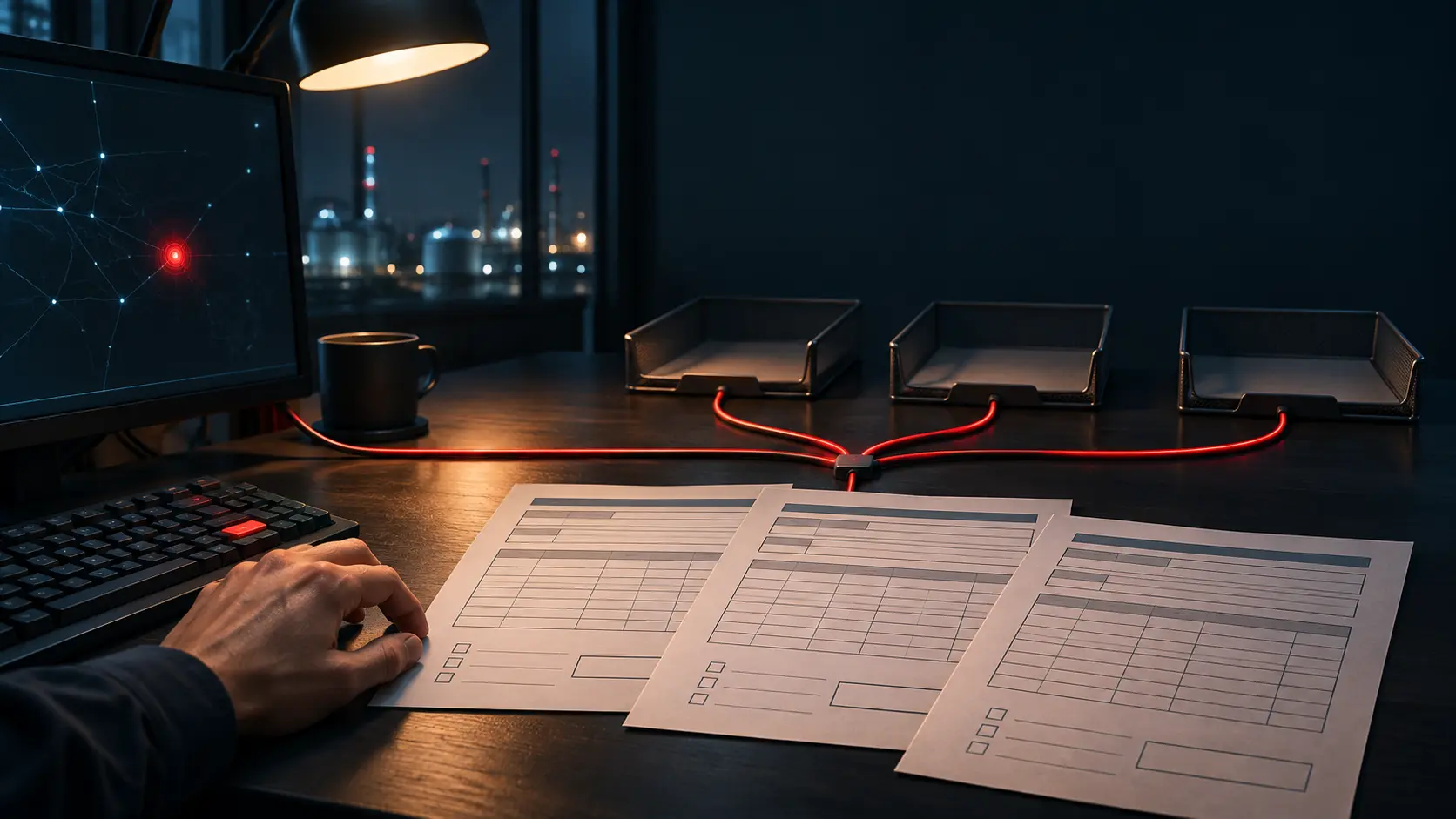
Washington Counts 48 Cyber Incident Reporting Rules. Which Clock Runs First?
An operator has just found an intruder in a critical system. The first useful questions concern containment, affected services and who needs a warning. Federal reporting rules may ask another question immediately: which agency's definition of an incident has been met, and when…

Story
RIPE’s First-ASN Review Starts 336 Days After It Ends, Says RIPE’s Own Calendar
The policy officer opened the review in October 2026. The public proposal index sends its start into October 2027 while keeping the November 2026 deadline. Anyone following that page gets a time machine instead of a timetable.
Story
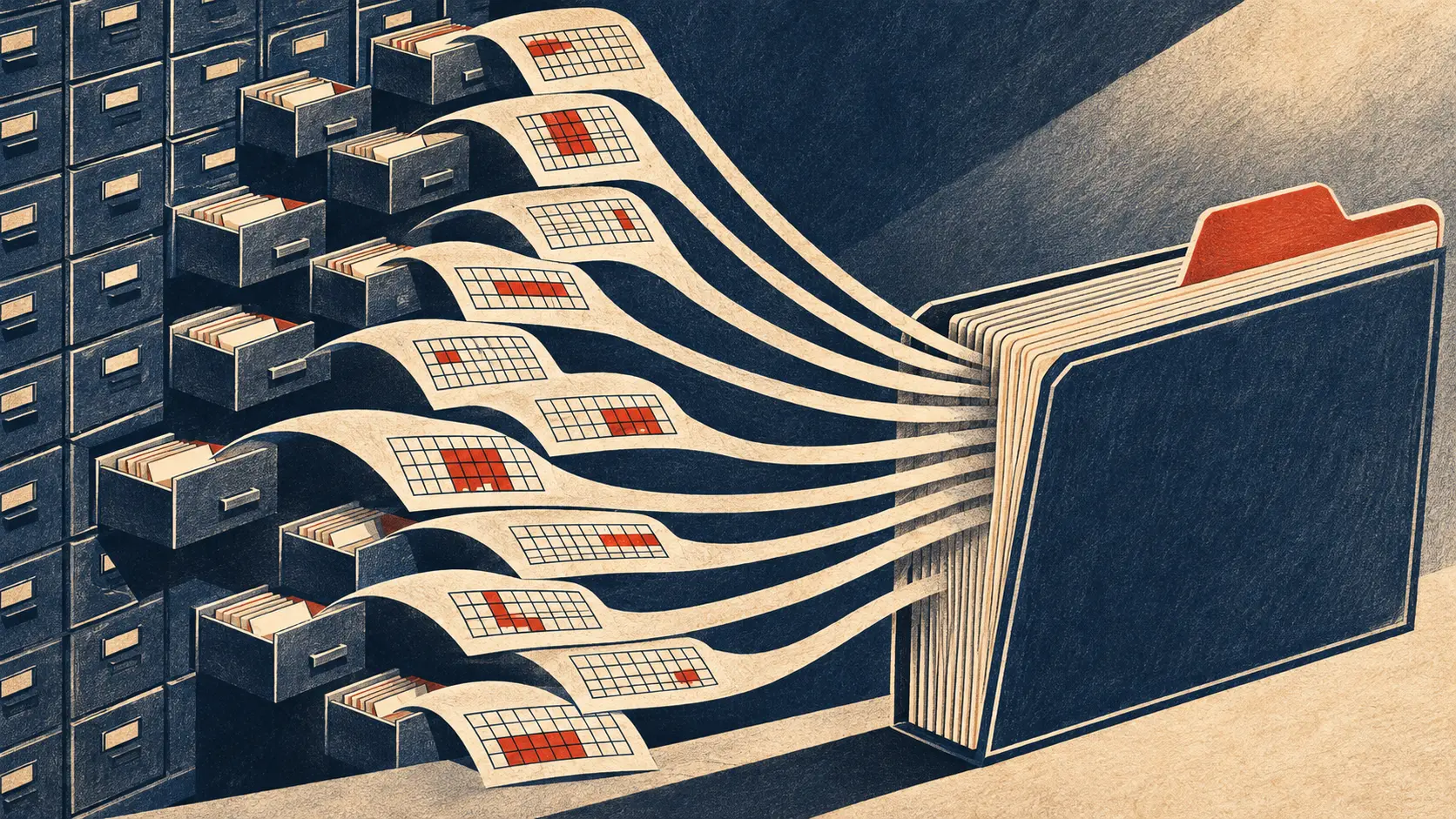
EVEO Collected 32,256 IPv4 Addresses. LACNIC Filed Eleven Separate Receipts.
Eleven transfers from ten Brazilian sources put 32,256 addresses under EVEO S.A. The current RDAP records still match all eleven ranges, but the log makes readers assemble the total.

History
SQLite Gave Away the Code and Took Away the Backend Menu
On 20 September 2001, SQLite made its code public domain and removed the abstraction that let its database engine use different storage drivers. The same release opened one door to everyone and shut several doors inside the machine. The record is a useful antidote to the idea…

History
UserLand Handed Harvard the RSS 2.0 Rulebook. The Feeds Kept Running.
In July 2003, a software company gave a university center the document that described RSS 2.0. The handover opened the rulebook for reuse and put an independent board beside it. It did not hand anyone the streams already moving between publishers and readers. That small…