
RIR Watchdog
Five regional sessions tracking allocation policy, board legitimacy, and institutional continuity.
Open RIR WatchdogGovernance
The internet runs on institutions most people never see. We follow the regional registries, ICANN, the IETF and the operator communities through every board vote, policy fight and court case, and tell you what each move means for your network.

Latest Coverage
9,364 articles
Story
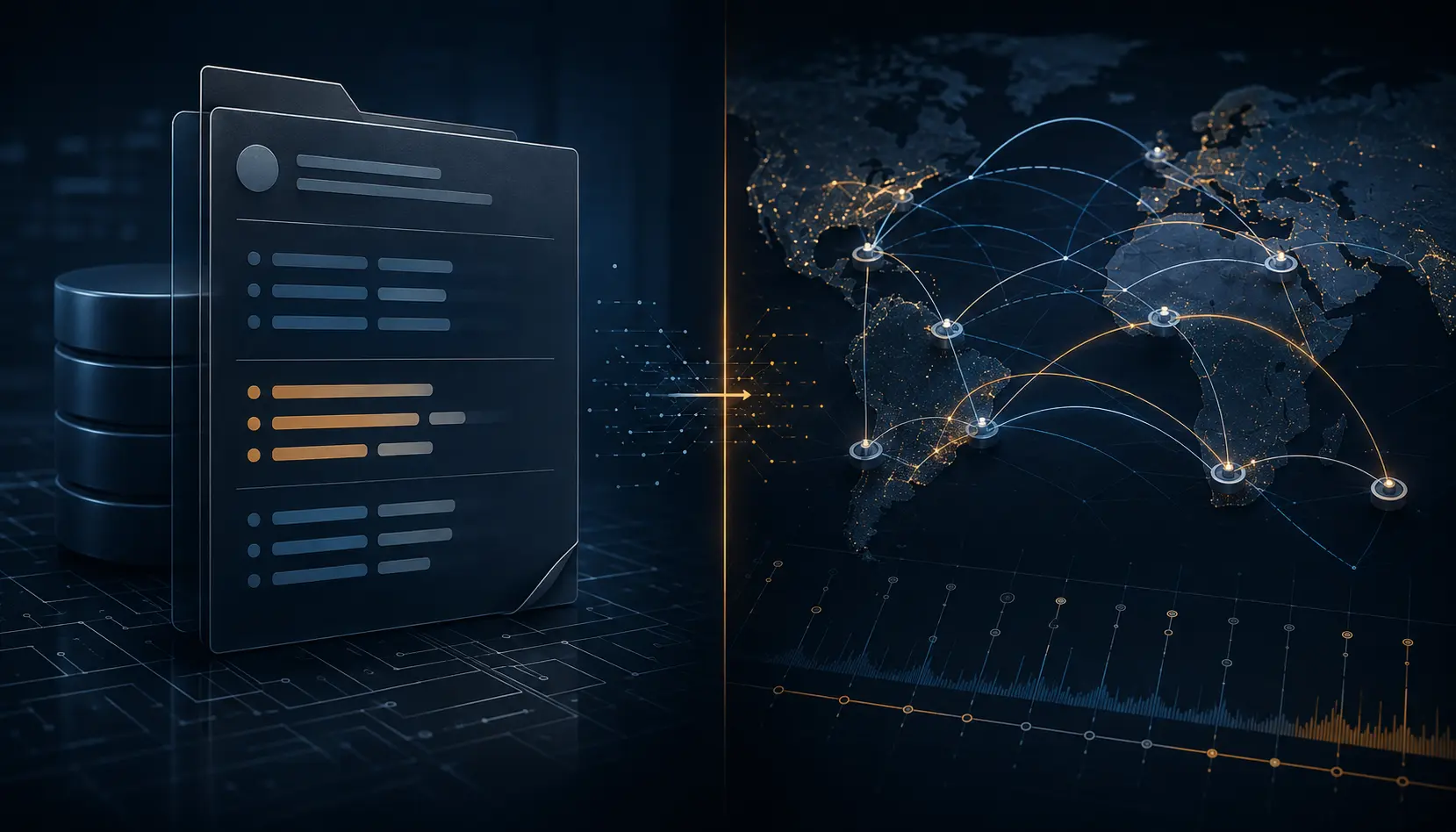
An import or export line in a RIPE Database aut-num entity is valuable evidence of a registered policy statement. It is not a measurement of what routers are doing now.

History
Algorithm agility sounds like freedom of choice. For TCP-AO, RFC 5926 exposed the harder half of that promise: two endpoints could each support sound cryptography and still fail to authenticate a single segment unless they shared one precise MAC-and-key-derivation pair.
IETF
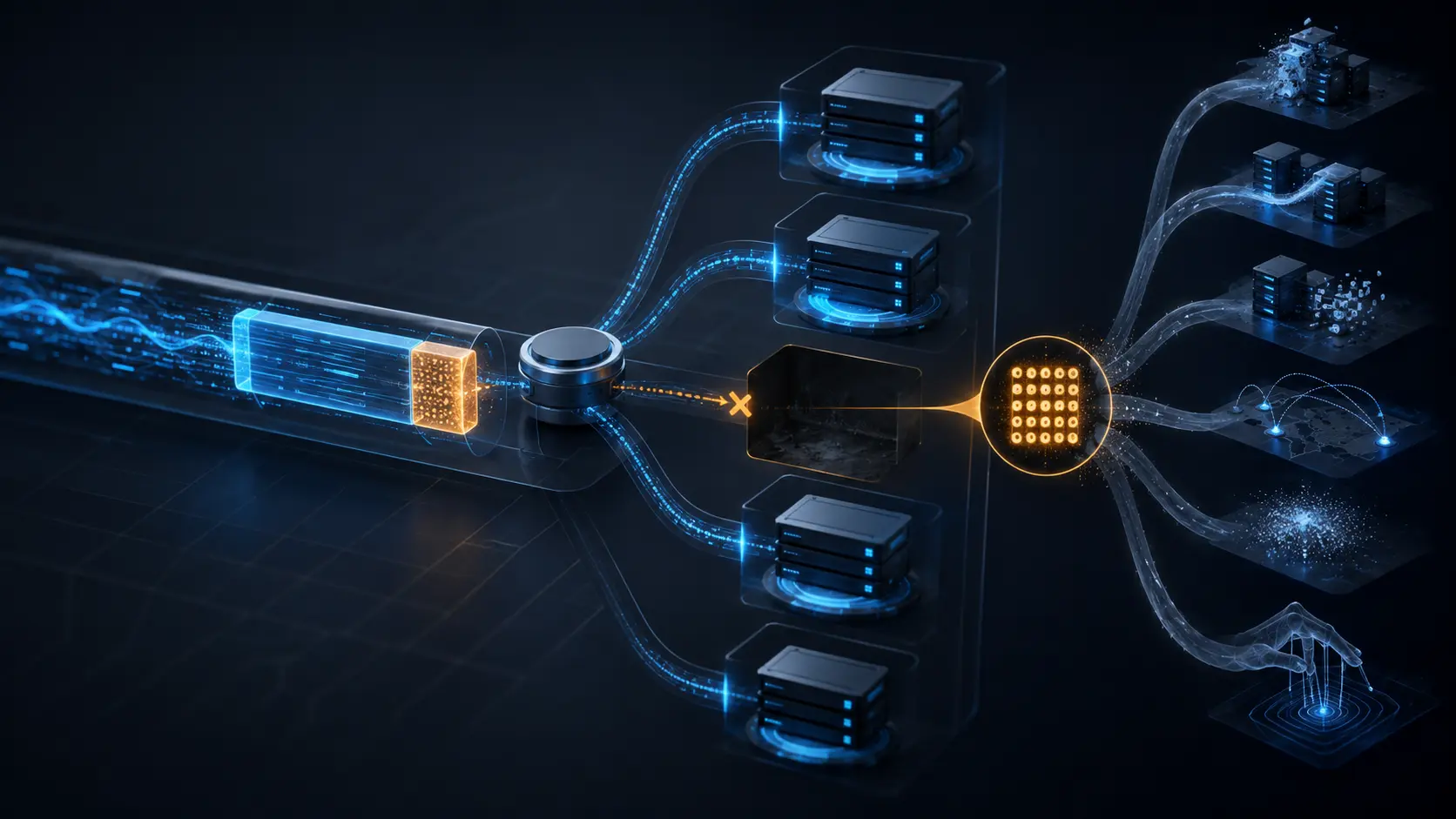
A client can recognize that its peer no longer has usable QUIC connection state without learning which machine, deployment or routing decision made that state disappear.

AFNOG
AfNOG presents AIS as a place where conversations translate into real progress. The current first-party page reviewed here does not publish the outcome ledger that would separate discussion from commitment and show follow-through.

IETF
Planned maintenance is a local decision, but the traffic it moves belongs to an interconnection. RFC 8326 gives one network a standard way to say that an EBGP path is about to disappear while leaving the neighboring network in control of its own route preference. That…

NANOG
NANOG’s archive contains survey numbers, but they do not all count the same thing. A response count can guide an event team without representing every attendee. Once that number is used to explain programme priorities, its population and method matter.

History
A middlebox can change a packet without changing its route. TCP-AO made the consequences depend on what changed: rewriting a TCP option could be accommodated by authenticating fewer fields, but rewriting an address or port changed the identity of the protected connection itself.

AFNOG
AIS 2026 publicly names AfNOG and AFRINIC as joint organisers and TESPOK as host. The current first-party page reviewed here does not say which institution decides what when their roles meet.

Story
A latency chart is not a verdict on a country’s Internet. It becomes useful when operators can see the probes, time window and comparison behind it—and when the result leads to a question that can be tested again.

ICANN
ICANN’s 2026 Round gives a qualifying .Brand applicant a narrow way to change a string when contention arises. It is not a general opportunity to rename an application.

Story
AFRINIC described route announcements involving parts of 102.224.0.0/12 and several response actions; its notice did not close the record on full withdrawal.

IETF
A failed steering instruction can now produce two opposite-looking outcomes. Revision 18 tells a supporting headend not to fall back to ordinary IP redirection when explicit Segment Routing intent is incomplete or unresolved; it must drop the matching traffic or use a declared…

AFNOG
AIS 2026 promises live streams and interactive discussions and says distance is not a barrier. The current first-party page reviewed here does not publish the service and remedy standard behind that commitment.

NANOG
Hybrid access is easy to announce and hard to measure. NANOG’s official record shows a progression from an exclusively virtual meeting in 2020 to hybrid events and persistent webcast participation. It documents real channels for questions, chat and remote presentation. It does…

History
TCP normally has a blunt way to tell a peer that an old connection no longer exists: send a reset. TCP-AO makes that answer harder to trust on purpose. When a protected peer reboots and forgets its connection state, the reset it can still send may be precisely the reset the…

AFNOG
AIS 2026 makes one end of its conduct system clear: AFRINIC may exclude a registrant from the meeting, including chat or other communication channels. The public pages reviewed for this article do not make the full meeting-specific decision and review chain equally visible.

IETF
A DNS failure can be technically correct and operationally opaque. RFC 8914 lets a responder attach a more precise explanation to the result, but it deliberately leaves the result itself unchanged. That separation gives operators a useful observability channel—and creates a…
Story
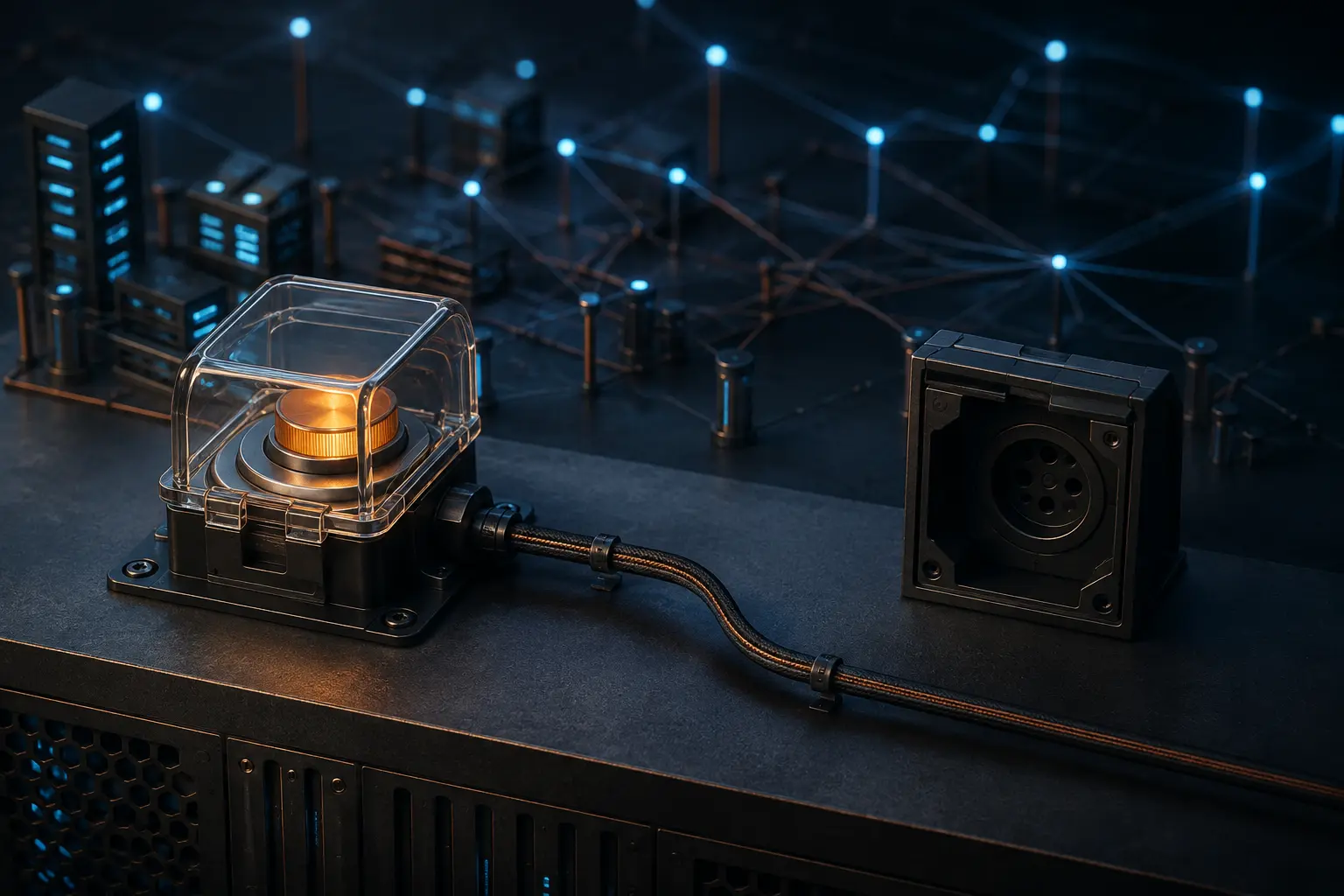
AFRINIC's deployment monitor contains the control announced in its August release, but not the address that would make the control usable. The public code handles that absence carefully: it leaves the button hidden. That is good failure behaviour. It is also evidence that a…

Story
LACNIC’s RPKI controls make route origin authority operable intelligence summary explains the development, the public evidence available to readers, the organisations involved, the regional context, market exposure, and the infrastructure consequences that may follow. The Story…

Number Resource Society
An ASPA can help an operator test whether an AS path is consistent with published customer-to-provider authorizations. That is valuable route-leak evidence. It is not a signature over every hop, a proof of route origin, a commercial contract, or a guarantee that the published…
Session Map
Five regional sessions tracking allocation policy, board legitimacy, and institutional continuity.
Open RIR WatchdogLong-cycle governance dossiers with legal, election, and institutional stress analysis.
Open Case FileMembership, charter, and resource-governance intelligence from the NRS ecosystem.
Open NRS SessionDNS coordination, accountability frameworks, and global multi-stakeholder process dynamics.
Open ICANN SessionProtocol standardization trajectory and interoperability risk under fragmented policy conditions.
Open IETF SessionLong-cycle infrastructure history used for governance interpretation and structural forecasting.
Open History SessionOperator-level implementation intelligence from APRICOT plus regional and national NOG ecosystems.
Open NOGs Session