
Policy continuity, legitimacy, and accountability signals across internet governance institutions.
Governance
Governance
Internet governance intelligence tracks institutions, policy processes, standards activity, registry operations, accountability disputes, and implementation signals that affect internet infrastructure. BTW.
RIR WatchdogCase FileNumber Resource SocietyICANNIETFHistory of InternetNOGs

RIR Watchdog, Case File, NRS, ICANN, IETF, History of Internet, and NOG sessions.
Coverage prioritizes implementation evidence and institutional behavior over declarative positions.
Latest Coverage
Latest from Governance
7,579 articles

Story
AFRINIC-38 Draws a Line Between Sponsor Visibility and Policy Voice
AFRINIC sells a five-minute Platinum welcome at the same meeting whose draft agenda gives the opening five minutes before policy discussion begins. The timing raises a concrete question for delegates: what, exactly, is the sponsor buying, and where does the policy microphone…
History
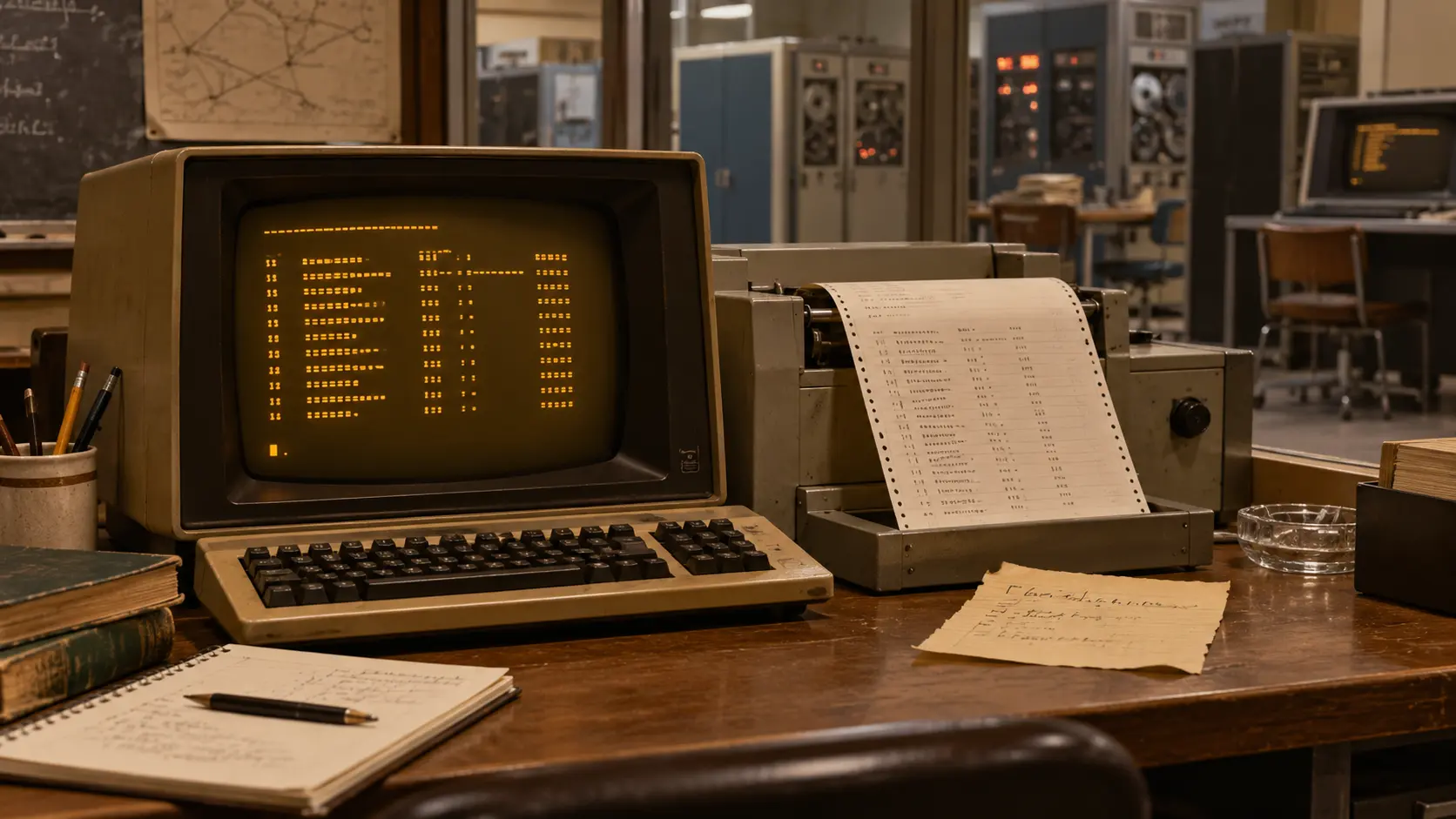
Before the Profile Page, a Remote User Could Ask Where You Were: NAME/FINGER, 1977
Before a profile page could follow you across a website, a bare network query could ask whether you were logged in, where your terminal sat, and what you wanted strangers to know while you were away.

CASE FILE
CrowdStrike's Channel File 291 remedy is a gate list without a test record
Two quoted sentences survive from the vendor's own root-cause text. What followed survives only as summaries — and a control that has been announced is not yet a control that has been demonstrated.

History
The Clock Trial Ran Through a Working Network: NTP’s 1985 ARPANET Experiment
A clock can display a number without agreeing with another clock. In 1985, the question was whether networked machines could keep time together while their links also carried ordinary traffic—and what a leap second would reveal about the answer.
History
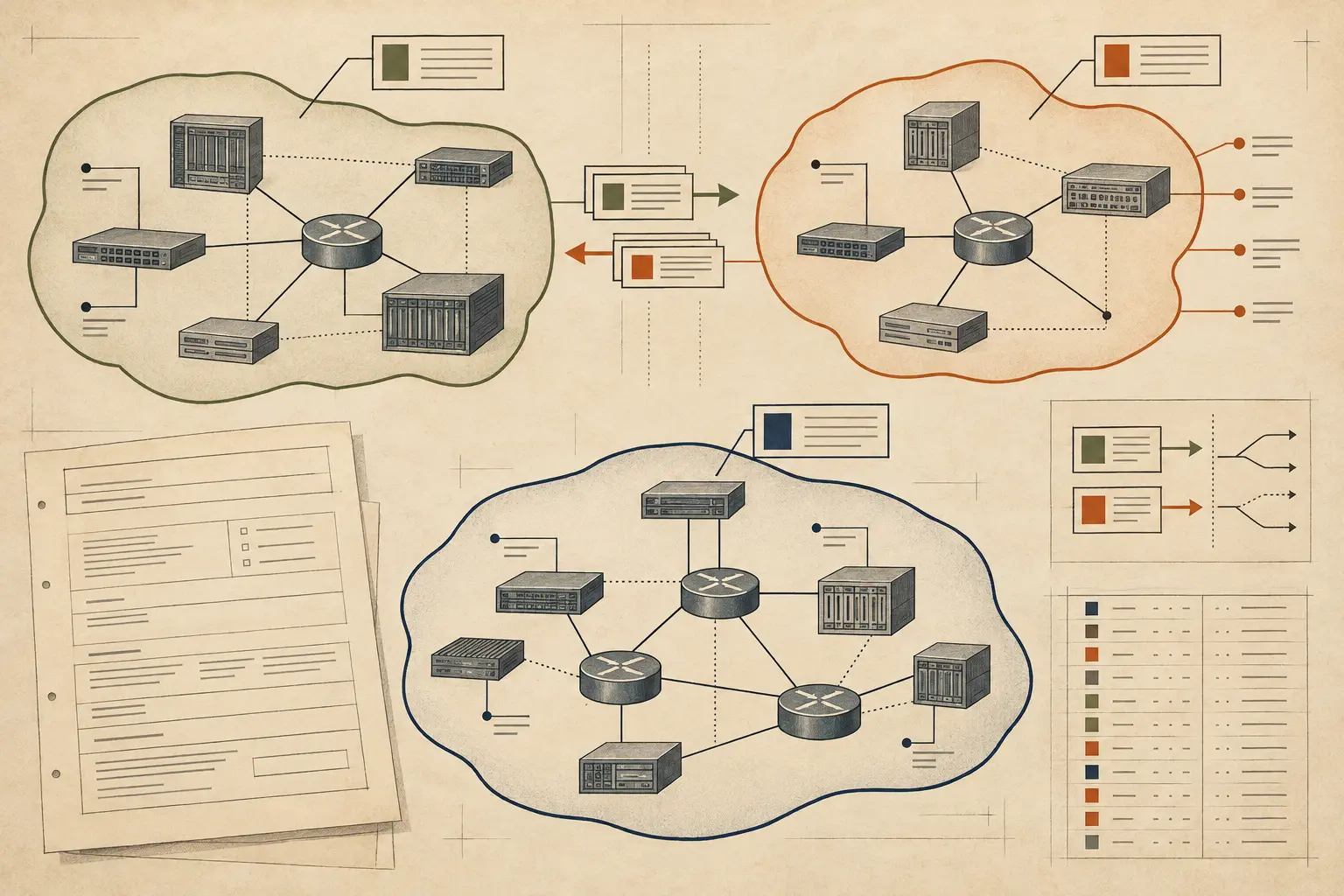
An Autonomous System Was a Routing Policy, Not a Pile of Routers
An AS number looks like a network’s name. The 1994 RIPE application and RFC 1930 gave it a narrower job: mark a coherent routing policy visible to other networks.

CASE FILE
APrIGF’s vice-chair vote shows the value—and limit—of a visible denominator
APrIGF published a result that makes its constituency and threshold unusually easy to inspect: 40 votes for one candidate, 10 abstentions, and 67 eligible members. That is a clear MSG election result, not a vote by the Asia-Pacific region.
History
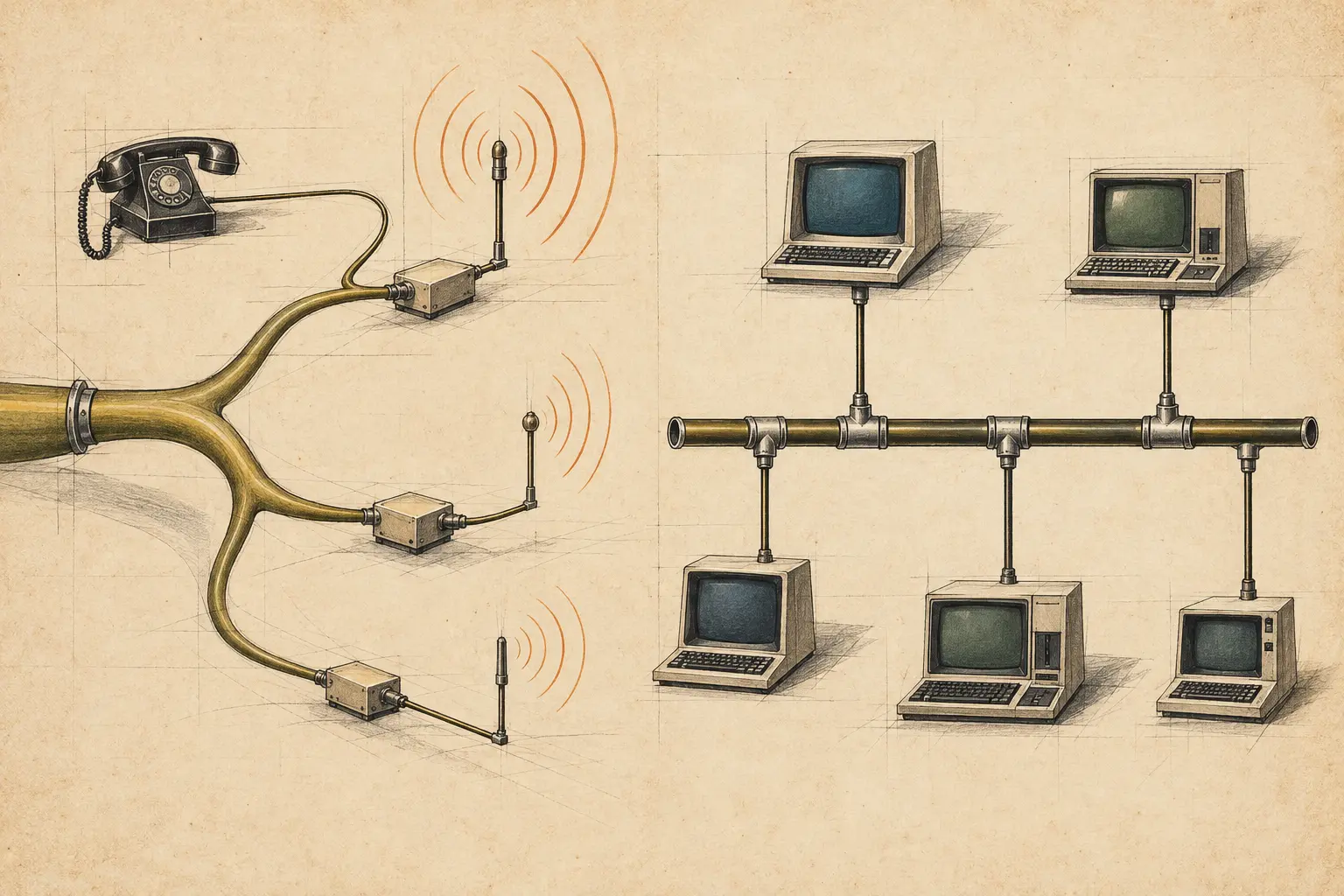
Ethernet Began with a Network Sketch. DIX Drew the Local Boundary
Ethernet’s 1973 proposal pictured more than a cable joining computers: it imagined “boosters” linking branched wire, telephone and radio media. Seven years later, Digital, Intel and Xerox published something deliberately narrower: a design reference for a local network’s…

History
The Route Collector Could Not See the Whole Internet: RIPE NCC’s RIS, 1999
The Route Collector Could Not See the Whole Internet: RIPE NCC’s RIS, 1999 intelligence summary explains the development, the public evidence available to readers, the organisations involved, the regional context, market exposure, and the infrastructure consequences that may…

History
RIPE’s 1990 debate: connectivity first, costs by bilateral agreement
Before European IP networks could behave like a wider system, their operators had to answer an awkward question: who would pay when one network carried traffic for another? RIPE’s January 1990 minutes show a community trying to grow connections without a central fund or a body…

History
The Queen’s ARPANET Message Announced CORAL 66, 1976
A familiar image shows Elizabeth II at a computer in Malvern. The message she sent on 26 March 1976 was less a greeting than a service notice: it told ARPANET users that the CORAL 66 compiler on the Royal Signals and Radar Establishment’s GEC 4080 was available. For a researcher…

Story
AFRINIC’s Country Export Counts Prefixes, Not Operators
A country table can count registry records or sum the address units inside them. AFRINIC’s raw export shows why those measures diverge—and why neither tells a reader how many providers operate a network or how much capacity people can use.

Story
RIPE's IPv6 proposal adds an LIR closure clause beside an existing procedure
A local Internet registry (LIR) can face two separate questions when it closes: what happens to its service agreement and how its number resources are handled. RIPE NCC’s new IPv6 proposal names both, while existing RIPE-858 sets out separate procedures without explaining how the…

CASE FILE
REPS case tests whether ticket limits can withstand account networks
The U.S. government has taken a ticket-broker dispute from checkout controls to federal court. The complaint says REPS & Company and three executives used networks of buyer accounts to get around event limits; the court has not decided whether those allegations are true.

Story
AFRINIC-38’s Draft Agenda Gives PPM Dates the Dashboard’s Identifier
An October 13 schedule pairs the Public Policy Meeting (PPM) Dates item with an identifier assigned to the Policy Compliance Dashboard. AFRINIC’s current register gives the two proposals separate records.

Story
APNIC’s Office Sale Tests Its Reserve Strategy; the Net Return Is Not Yet Visible
In 2010, APNIC said it used part of its cash reserve to buy 6 Cordelia Street, aiming to lower future operating costs and diversify its investments. The 2026 sale converts that owner-occupied asset into proceeds and a lease plan, but the headline price cannot settle the return.

CASE FILE
FSB asks how regulators can tailor rules without weakening resilience
The Financial Stability Board’s eight proposed principles put resilience alongside growth and national discretion. Its consultation now asks what evidence should show that proportionality and regulatory change preserve that safeguard.

CASE FILE
Switzerland expands platform notice draft after 214 submissions
The Federal Council plans to widen user notices to any content suspected of being unlawful and add risk duties for minors. The proposal remains a draft; consultation responses shaped its direction but did not settle its safeguards.

CASE FILE
The YouTube Hijack Case File: A Settled Story Without a Readable Record
The most familiar routing failure in internet history is usually told as if it were closed. In this review the page that should carry its own record returned no readable text at all, and the two documents that did return text describe a collection platform and an authorisation…

Number Resource Society
Where a Member Offers Services, and Where It Is Registered
The RIPE NCC's public member register gives VeriSign Inc. a postal address in Reston, Virginia, a contact block, and two country names under a single heading. The register keeps two geographies apart. Reading tends not to.
CASE FILE
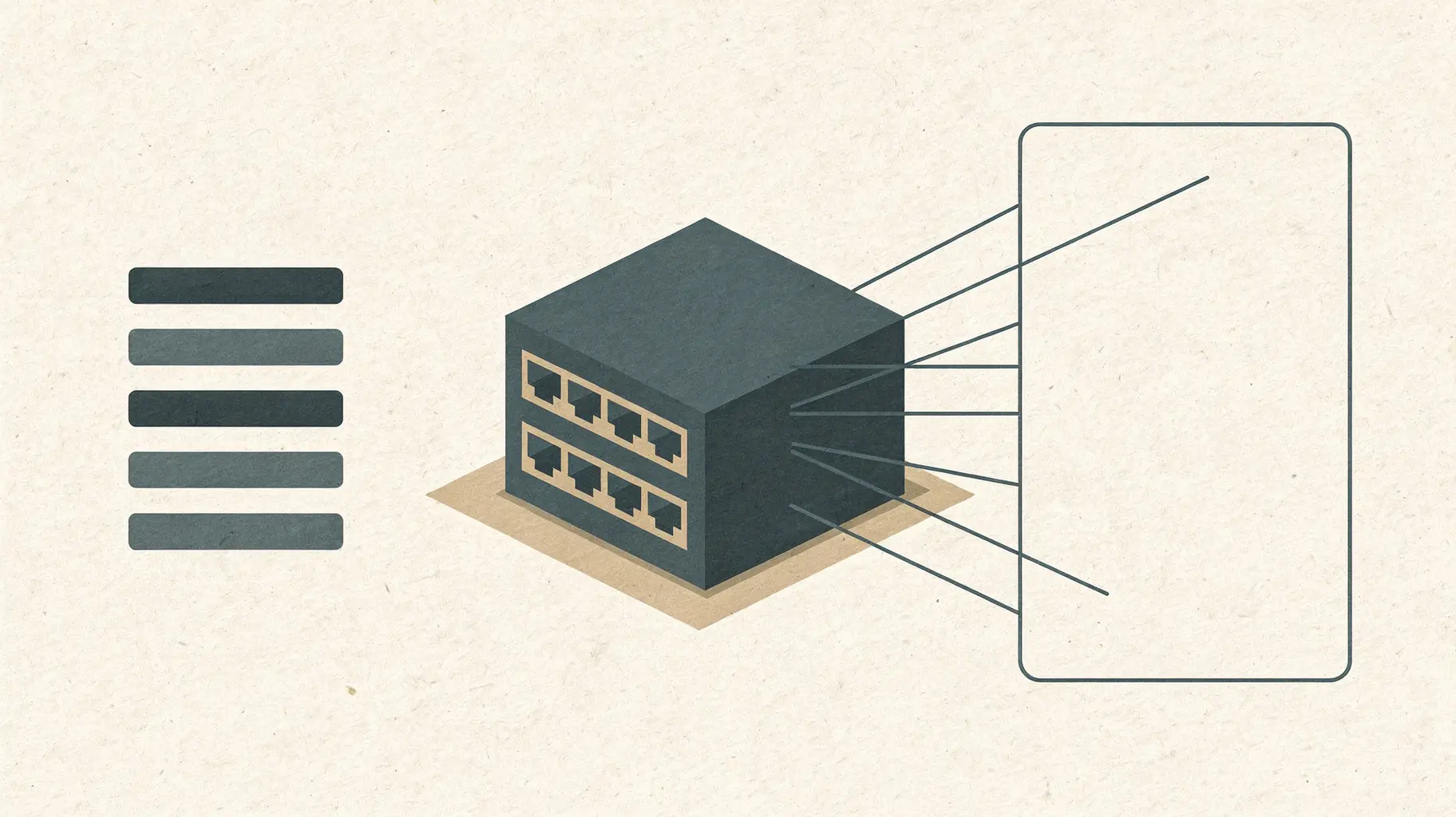
Five Sites, 67 Customers, No Per-Port Load: FICIX and the Utilisation Ratio That Cannot Be Built
Between 21:38 and 21:44 UTC on 18 October 2026, three public documents bearing on Finland's largest internet exchange were retrieved and retained. They establish what FICIX says it is, what interface speeds it offers, and something less comfortable: the two number classes a…
Session Map
Governance Branch
RIR Watchdog
Five regional sessions tracking allocation policy, board legitimacy, and institutional continuity.
Open RIR WatchdogCase File
Long-cycle governance dossiers with legal, election, and institutional stress analysis.
Open Case FileNumber Resource Society
Membership, charter, and resource-governance intelligence from the NRS ecosystem.
Open NRS SessionICANN
DNS coordination, accountability frameworks, and global multi-stakeholder process dynamics.
Open ICANN SessionIETF
Protocol standardization trajectory and interoperability risk under fragmented policy conditions.
Open IETF SessionHistory of Internet
Long-cycle infrastructure history used for governance interpretation and structural forecasting.
Open History SessionNOGs
Operator-level implementation intelligence from APRICOT plus regional and national NOG ecosystems.
Open NOGs Session