Summary
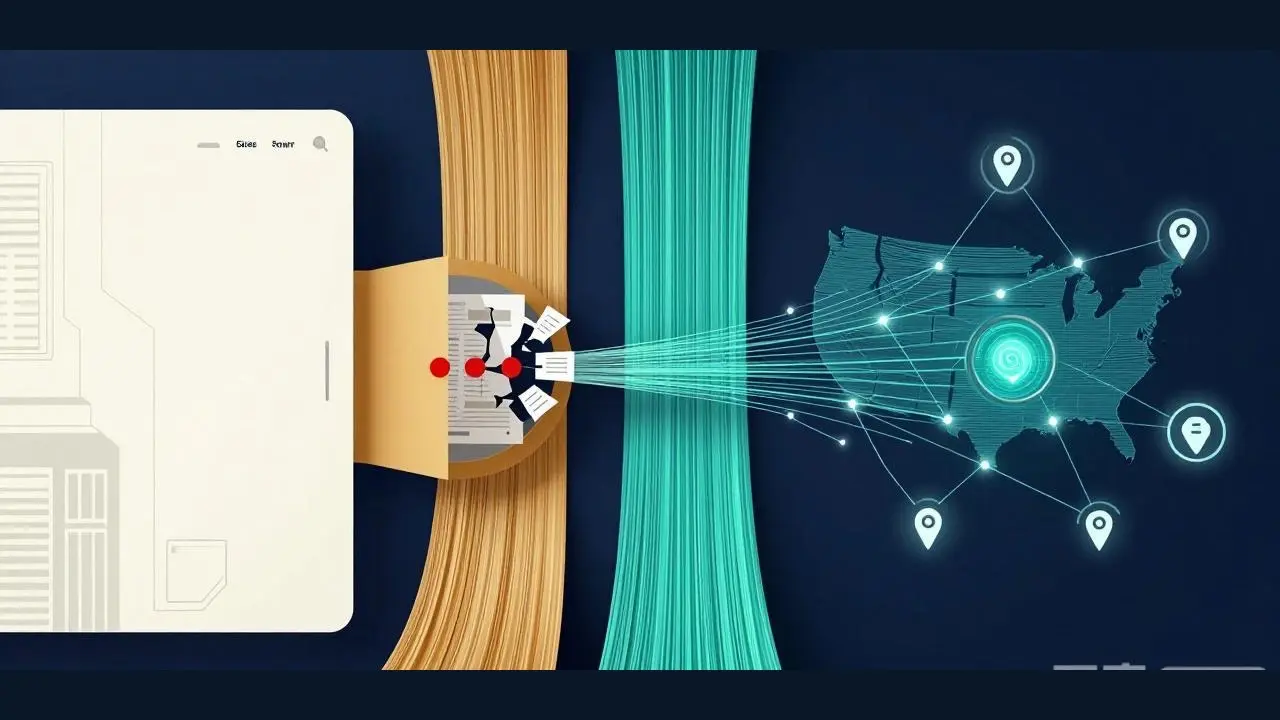
- LACNIC says agentic attack tools can take a high-level objective and break it into scanning, access tests, error correction and follow-on intrusion steps; the original ARTEX repository was removed, but forks remained in circulation.
- The underlying weaknesses did not change: compromised credentials and unpatched systems still open the route. In LACNIC’s example, a 2022 credential export containing keys likely never rotated was used to forge an administrator token and obtain VPN configuration.
- The defensive priority is now the age, scope and observability of trust: short-lived credentials, scoped permissions, restricted administrative paths, verified signatures, monitored API bursts and a tested CSIRT escalation path.
The frightening part of LACNIC’s warning is not a science-fiction attack. It is a modest piece of engineering applied to a familiar inventory problem. An operator gives an orchestration system a goal. The system tries paths, notices failures, adjusts and continues. Human operators often spend those same minutes paging someone, checking an old runbook and deciding whether the alert is real.
The machine did not create the administrator token. It found the conditions under which an old key could produce one.
The tool is less important than the stale key
The LACNIC briefing describes agentic frameworks as dynamic planners rather than ordinary scripts. The difference lies in loops: scan, test, observe, revise, continue. That can compress reconnaissance and intrusion into a single automated sequence.
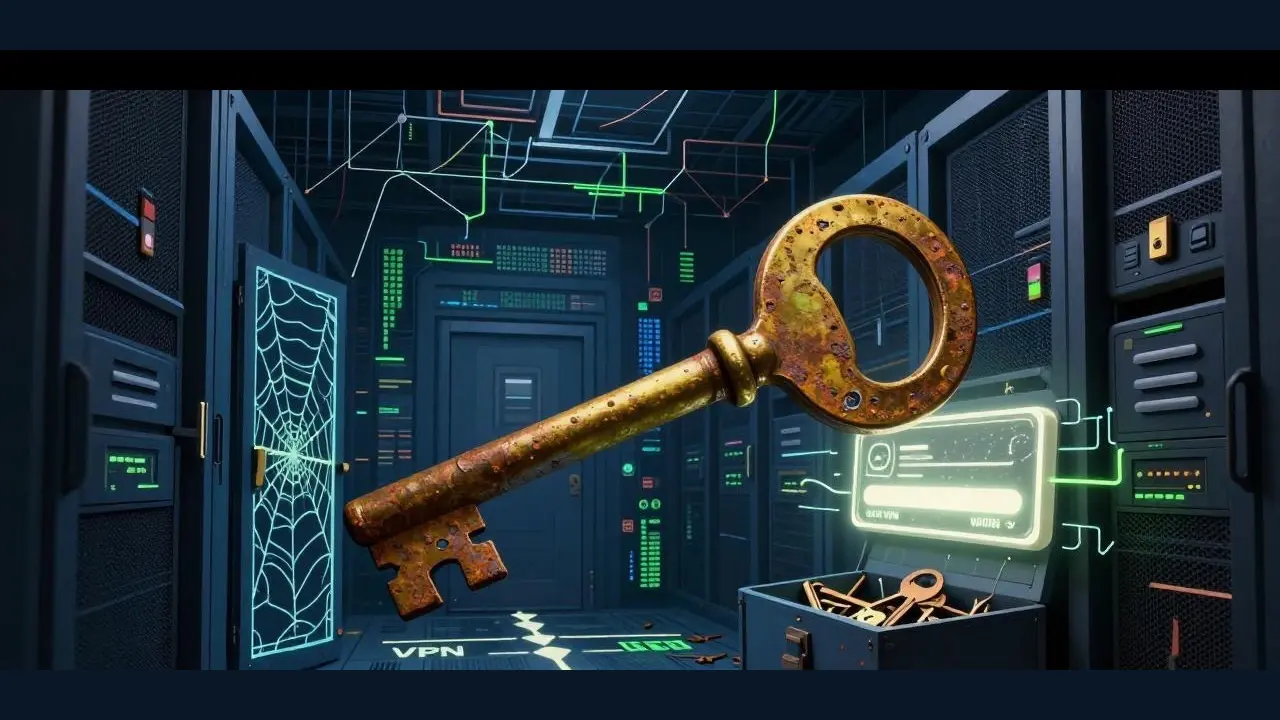
The example that matters for defenders is conservative. A credential export from 2022 contained keys that had probably never been rotated. The agent used them to forge an administrator token, opened mailboxes and found VPN configuration in email. No exotic exploit was necessary. The attacker inherited the access that the organisation had allowed to age.
This is why “AI attack” can be a misleading label. The model may be new. The vulnerable credential is old. The privilege is broad. The telemetry may already be there. The defender loses because those conditions are assembled faster than humans can review them.
Rotation is a date, not a policy slogan
LACNIC tells organisations to rotate signing keys, pre-authentication keys and service-account credentials after any exposure, including credentials found in historical backups and exports. The word “historical” matters. A backup is not safer because it is old. It may be safer for an attacker because it proves which secret was forgotten.
Short-lived credentials reduce the value of a stolen export. Per-identity scoping limits the pivot from one service account to the next. Restricting management consoles, APIs and continuous-integration systems to trusted networks limits where a stolen token can be used. Patching Internet-facing systems and validating SAML signatures remove further shortcuts.
None of those controls is new. Their importance changes when discovery and misuse happen at machine speed. A key-rotation schedule that assumes manual follow-up can trail the incident; a one-year service credential that managers know exists but cannot map to an owner can outlive the business unit that created it.
Make the invasion leave a receipt
The attacker’s weakness is noise. LACNIC notes that automated agents can generate large telemetry footprints. It recommends baselines for normal activity and alerts for bursts of API requests, previously unseen source locations and anomalous outbound connections.
Alerts only help if the organisation can connect them. Authentication logs, API calls, cloud metadata access, outbound VPN traffic and endpoint execution need a common identity and time axis. Without that join, the incident becomes a pile of systems each reporting its local part of a chain nobody assembled.
The same problem applies to authority. Which key minted the administrator token? Which service identity held the policy that allowed it? Which repository supplied the credential? Which person could revoke it? A machine-speed response requires a machine-readable inventory of secret owner, scope, creation time, rotation state and revocation path.
The human control plane has to be faster than the bot
The first responder cannot be a chat channel with no authority. LACNIC points organisations to its CSIRT for suspicious activity involving regional resources. A serious internal process should attach that external contact to a local decision tree: contain the token, isolate the account, preserve logs, coordinate disclosure, verify recovery and check whether another application used the same credential.
The uncomfortable conclusion is useful. AI does not make password hygiene obsolete. It makes every weak identity control easier to find and every slow exception harder to defend.
The next audit should list keys that have no owner, credentials that outlive the service, tokens whose scope exceeds the task, backups that still authenticate, administrative interfaces reachable from anywhere and alerts that never link. Then run the revocation and recovery path under a timer.
The machine is fast. The defensive inventory has to be faster.
Sources: LACNIC’s brief; LACNIC CSIRT.
Member Briefing
Read the full trend briefing
Members read the full briefing with the source notes behind every finding.
Strategic Circle
A daily briefing in your language, built from changes we have verified.
Join for USD 20/monthCancel anytime.
Members also get the full research library, a daily briefing on the networks they follow and the private forum.