Summary
- AFRINIC’s status record schedules a security-maintenance window from 22 October 2026 at 08:00 UTC to 30 October at 12:00 UTC: eight days and four hours.
- The notice cites a critical flaw in a widely used PHP component and links the maintenance to four status entries: AFRINIC Web Sites,
stats.afrinic.net,afrinic.academyand “other non-critical websites.” - An update says older applications could not be patched and would be restricted, migrated, replaced or decommissioned. The final closure is one sentence and gives no CVE, PHP version, per-system disposition or verification result.
Eight days is a strategy. “Complete” is a receipt.
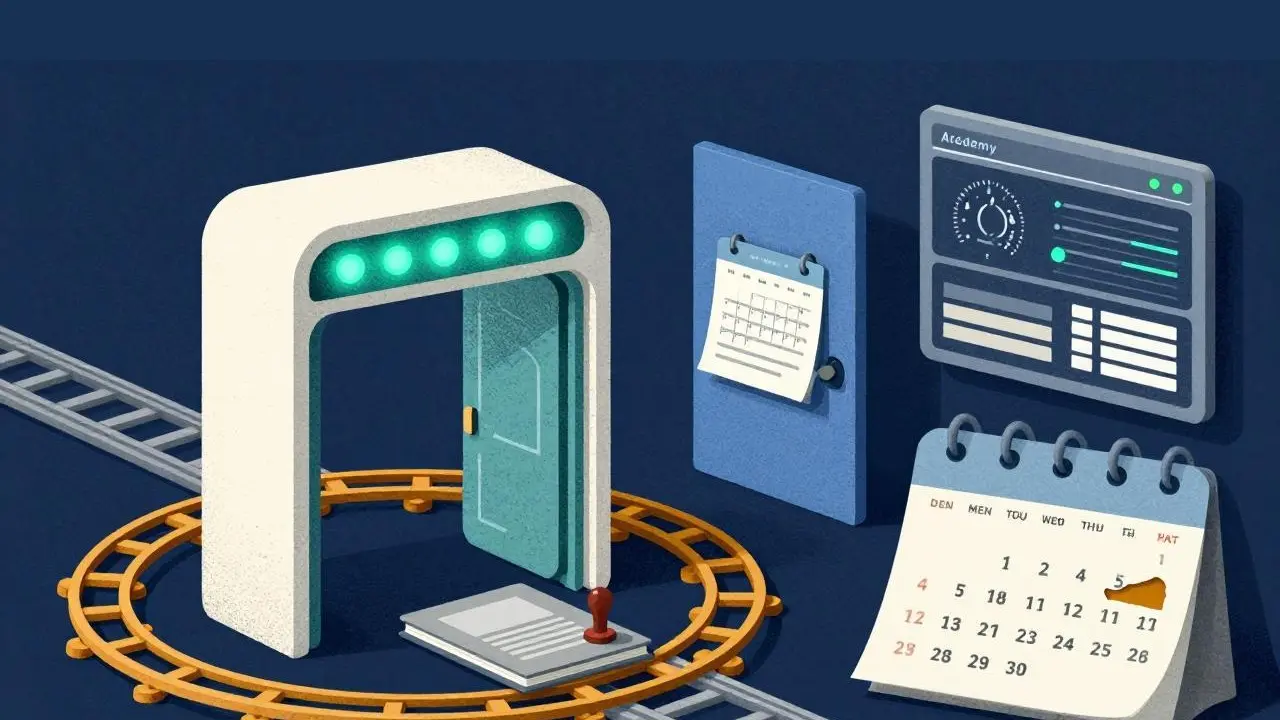
The public notice opens with a serious disclosure: a critical vulnerability in a widely used PHP component sat beneath several AFRINIC web services. The planned answer was the vendor security update. AFRINIC displayed a window of eight days and four hours and said affected services could be intermittently unavailable while patching and verification ran.
The timestamps are exact. AFRINIC marked the operation underway at 08:00:09.275 UTC and functionally complete at 12:00:00.422 UTC on 30 October. The component API now lists the named sites as operational. The record stops there, so a reader cannot reconstruct which site was down, when it returned or what test declared it safe.
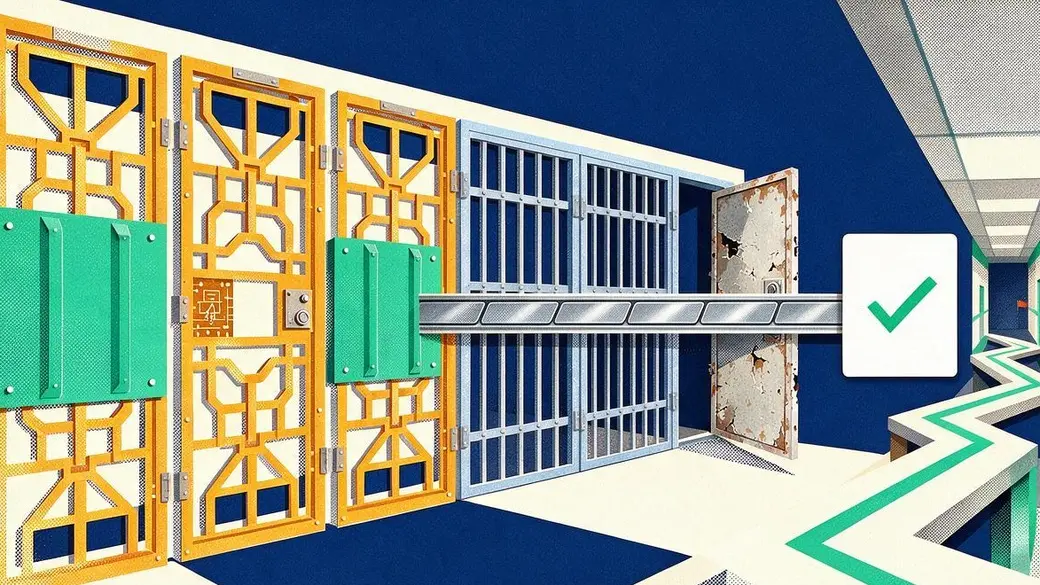
The 27 October update adds the hard part. AFRINIC said several systems, including member-facing services, were patched or secured through added protection. Older applications “cannot be patched directly” were being access-restricted and prepared for migration, replacement or decommissioning. Some services could remain unavailable or restricted after the initial patch campaign.
Three days later, the closure update was “The maintenance is now complete.” No inventory says which applications were patched, which stayed behind an access control, which were destroyed and which migration remained unfinished. The same word describes a successful software update, a firewall rule, a retired server and a problem handed to a future team.
An eight-day security window can be the responsible choice. A vulnerable registry portal is worse than an ugly notice. The closing label is the weakness. AFRINIC needs a dated closure ledger that maps each affected system to its patch or compensating control, verification evidence, service restoration and any residual migration. That would let members and the public distinguish containment from clean repair.
Sources: AFRINIC notice API; public maintenance page; component API; AFRINIC status.
Member Briefing
Read the full trend briefing
Members read the full briefing with the source notes behind every finding.
Strategic Circle
A daily briefing in your language, built from changes we have verified.
Join for USD 20/monthCancel anytime.
Members also get the full research library, a daily briefing on the networks they follow and the private forum.