
Topic
Peering and Transit
Within the Topic facet, Peering and Transit topic intelligence connects articles that share a specific subject, signal focus, or monitoring theme. The page gives readers a richer path through related reporting, source evidence, market actors, and infrastructure implications, with enough context to understand why the topic matters across company movements, governance decisions, regional exposure, and operational risk. Readers can compare recurring signals, affected organisations, public evidence, market context, service continuity, procurement, competition, compliance, and strategic planning questions behind the subject instead of stopping at a thin list of matching articles. It explains what the topic covers, which infrastructure actors or policies are involved, what evidence supports the coverage, and why the subject may matter for operators, customers, investors, and policy readers.
North America Institutional
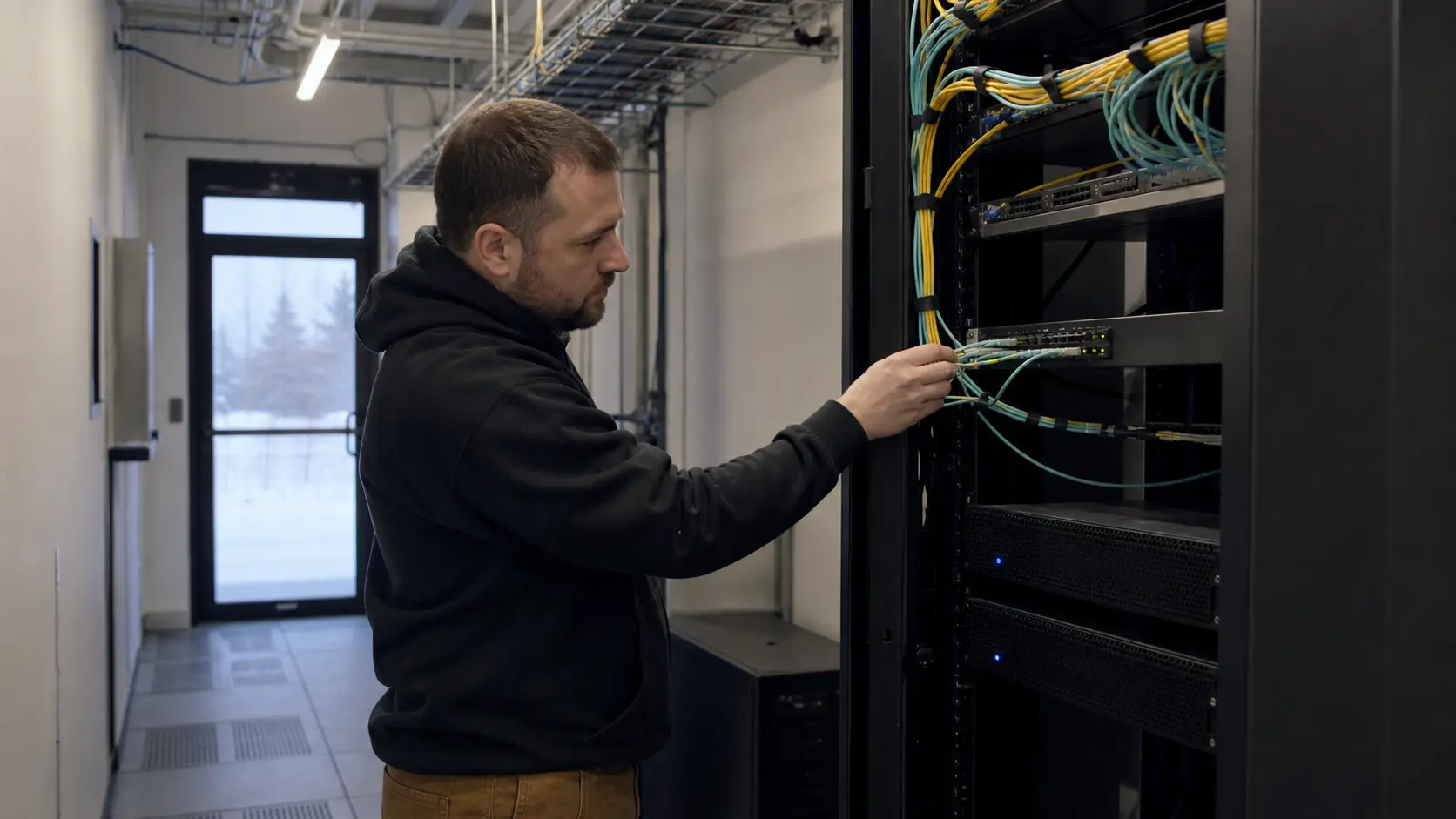
YEGIX Has Two Route Servers but Only One Publicly Listed Edmonton Site
Edmonton has an exchange built to keep nearby traffic nearby. The harder question is whether each participating network can reach that shared switch without following the same fibre, facility and human path as everyone else.

North America Institutional
Puerto Rico IX’s Hurricane Test Starts With a Five-Day Fuel Clock
PR-IX has built a visible island-local peering surface across metropolitan San Juan, but its value during the next major storm will be determined by a less visible chain of powered racks, intact member circuits, reachable fuel and operators who can keep the whole system—not just…

Global Institutional Trends
David Meyer and the Uneasy Work of Making Network Control Public
David M Meyer's public record crosses four ways of coordinating a network that no entity fully controls: exposing interdomain routing through RouteViews, expressing routing policy through RPSL, serving standards and operator communities, and helping to lead OpenDaylight's early…

History
Geoff Huston and the Transfer of Australia's University Internet
From building AARNet in 1989 to the migration of AUNIC in 2001, the documented roles of Geoff Huston reveal how capacity, commercial demand, and public legitimacy divided the overlapping responsibilities of a small technical community among universities, operators, registries…
Global Cloud Services
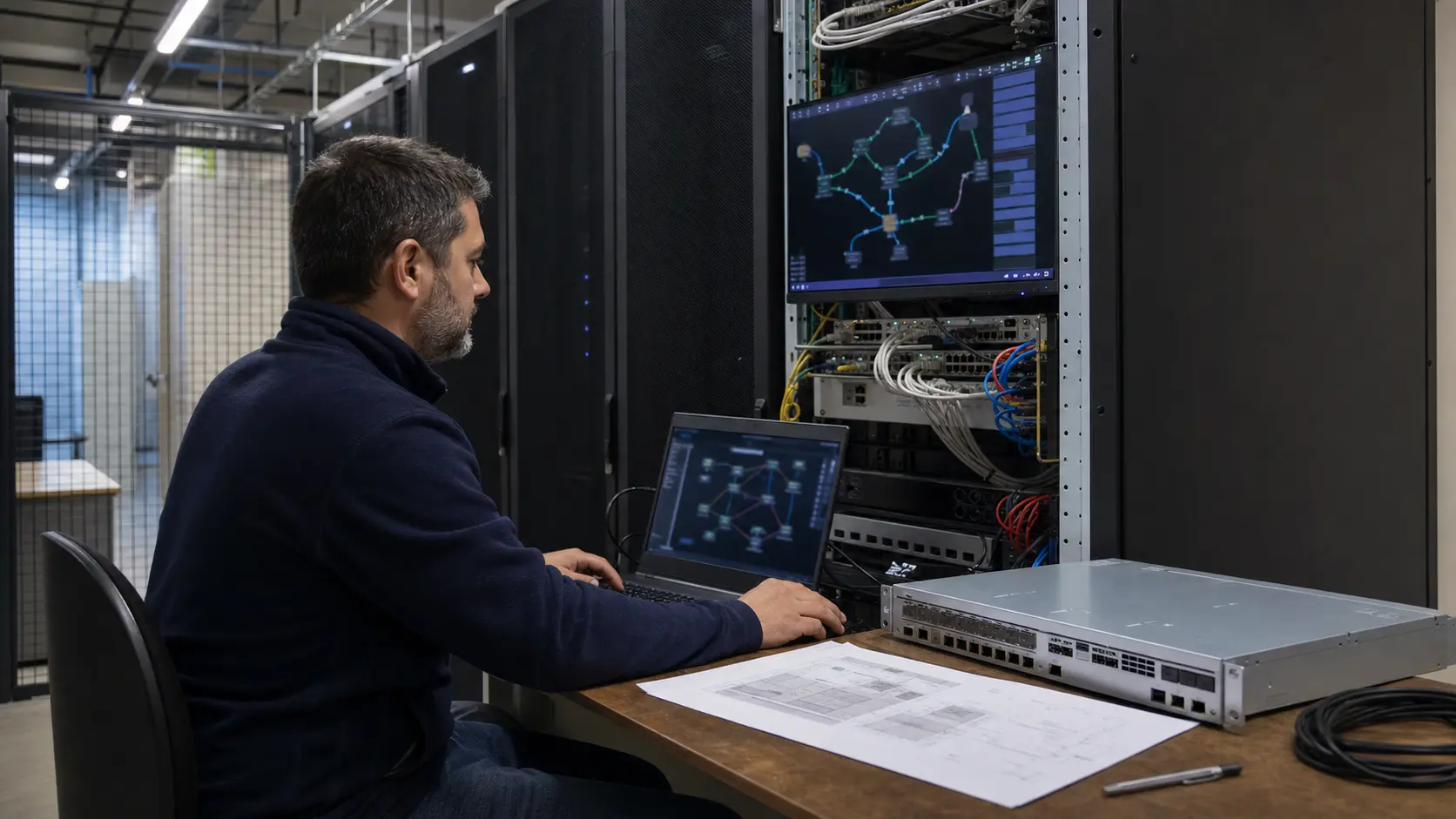
A button, a route and a small French host: Rock-Hosting's continuity bet
A button, a route and a small French host: Rock-Hosting's continuity bet intelligence summary explains the development, the public evidence available to readers, the organisations involved, the regional context, market exposure, and the infrastructure consequences that may…

Global Cloud Services
The ASN That Does Not Route: Mapping VNETWORK's Layered Vietnamese Cloud Edge
ASAP Software Solutions Company Limited appears in public infrastructure registries at the point where a legal name, an Internet routing identity and the VNETWORK brand meet. This junction – not a count of edge locations – is the right place to ask what a customer is really…

Europe and Middle East Institutional
Jane Street Europe Ltd And The Cost Of Staying Independent
Independence is valuable only when control earns more than scale would save. Jane Street Europe Ltd sits inside a private global trading group that chooses to own its trading technology, carry its own market risk, manage specialist network resources and pay for local compliance…

Latin America and Caribbean Regional ISP
ORELTELECOM's new AS274252 has one visible IPv4 upstream, while its Cotopaxi recovery routes remain unproven
ORELTELECOM has given the long-running AJnet retail operation a new legal and routing identity, but the public evidence still stops short of proving that customers across Cotopaxi would retain an independent path when a landslide closes the road beside the access cable.
Latin America and Caribbean Regional ISP
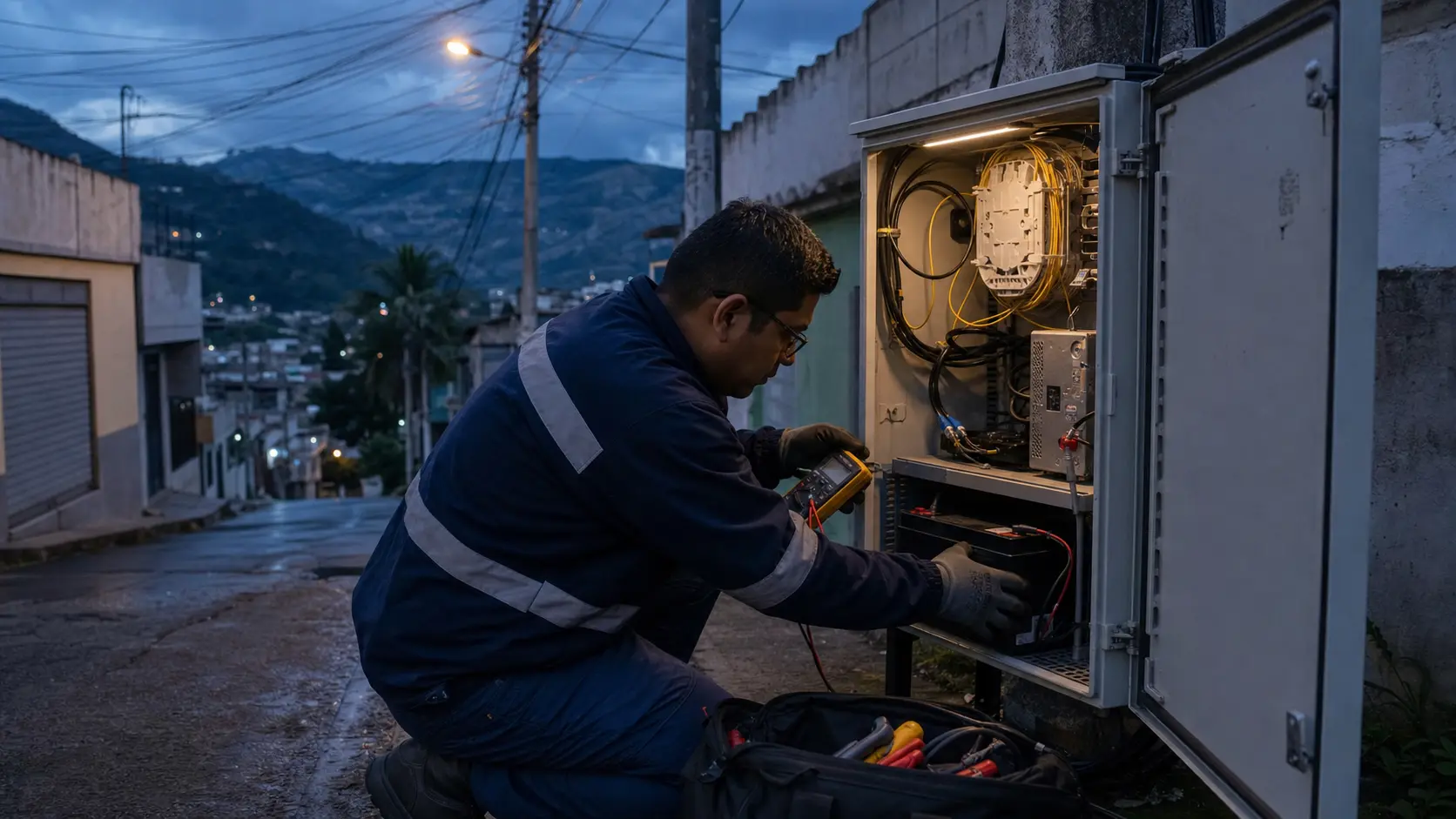
TELECOMNET promises 99% monthly availability in six El Oro towns, but leaves street-POP battery runtime undisclosed
TELECOMNET promises 99% monthly availability in six El Oro towns, but leaves street-POP battery runtime undisclosed intelligence summary explains the development, the public evidence available to readers, the organisations involved, the regional context, market exposure, and the…

Latin America and Caribbean Regional ISP
TELECOM3000 lists a 10Gbps NAP.EC port while UFINET precedes it in 99.7% of a July route snapshot
South Quito retailer Surnet now offers fibre plans as fast as 1Gbps, a striking distance from the proposed 100Mbps external link recorded in TELECOM3000’s 2021 licence. The gap tells a story of commercial expansion, but the public record still does not show whether the access…

Latin America and Caribbean Regional ISP
FIBERNET advertises 150/150 in Huehuetenango, but all three visible IPv4 routes converge on UFINET
FIBERNET advertises 150/150 in Huehuetenango, but all three visible IPv4 routes converge on UFINET intelligence summary explains the development, the public evidence available to readers, the organisations involved, the regional context, market exposure, and the infrastructure…

Latin America and Caribbean Regional ISP
AS27738 still says Ecuadortelecom, but CONECEL sells the circuit—and no public record proves where two enterprise paths first meet
Ecuadortelecom S.A. remains visible in Ecuador’s internet-routing layer, while current fixed-service contracts, maintenance notices and capacity reports identify CONECEL S.A. as the operating counterparty behind Claro. That split makes an enterprise resilience claim harder to…
Latin America and Caribbean Regional ISP
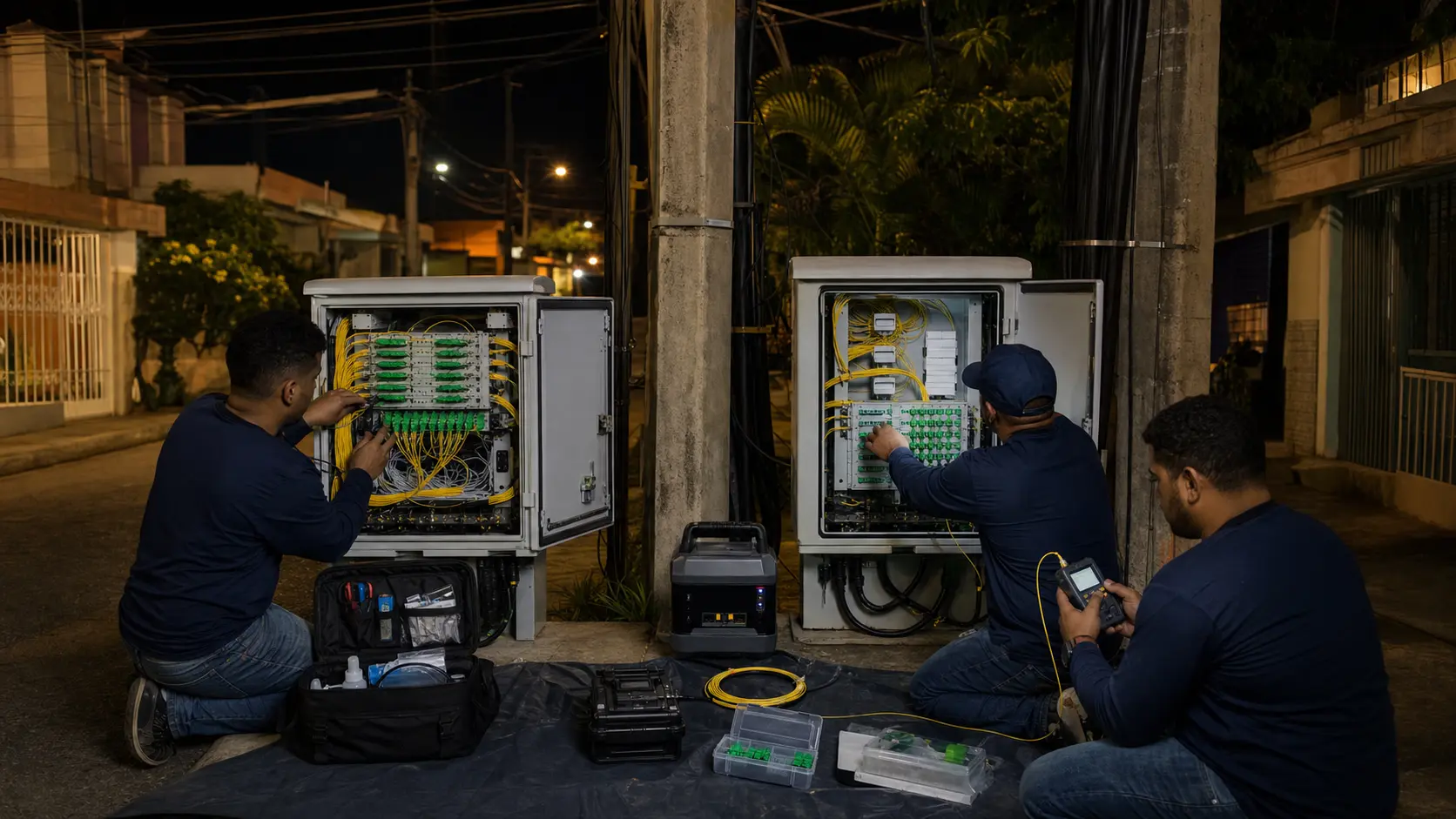
NEXTELECOM's one-neighbour AS273009 leaves a Dajabón fibre cutover without a public rollback margin
NEXTELECOM sells fibre access from the Dominican border province of Dajabón and now originates its own IPv4 and IPv6 routes, but the public record identifies only one immediate routing neighbour and discloses none of the powered nodes, spare optics or upstream headroom that would…

Latin America and Caribbean Regional ISP
MUNDO1TELECOM lists a 100 Gbps Santiago exchange port, but its storm-route separation is not public
MUNDO1TELECOM lists a 100 Gbps Santiago exchange port, but its storm-route separation is not public intelligence summary explains the development, the public evidence available to readers, the organisations involved, the regional context, market exposure, and the infrastructure…

Latin America and Caribbean Regional ISP
AS274266 has one visible upstream, while FIBERCOM Dominicana's bridge and repair routes remain undisclosed
FIBERCOM Dominicana has acquired its own autonomous-system number and IPv6 allocation, but the public record still does not show where its local access cables cross water, who controls the structures that carry them, or whether a failed crossing can be escaped without using the…

Latin America and Caribbean Regional ISP
CORPORACIÓN LORIATELECOM S.A.S. sells 800 Mbps FTTH in Cotopaxi, but its coverage polygon shows no routes or recovery design
CORPORACIÓN LORIATELECOM S.A.S. sells 800 Mbps FTTH in Cotopaxi, but its coverage polygon shows no routes or recovery design intelligence summary explains the development, the public evidence available to readers, the organisations involved, the regional context, market exposure…

Latin America and Caribbean Regional ISP
WHITETELECOM originates 36 IPv4 routes through one visible upstream, while Bonao's storm-ready last mile remains undisclosed
WHITETELECOM is visibly operating again after an upstream dispute once helped stop its service, yet the public record still cannot show whether its fibre cabinets, pole routes, power reserves and repair crews would keep Bonao connected through a hurricane and restore it in a…
Global Regional ISP
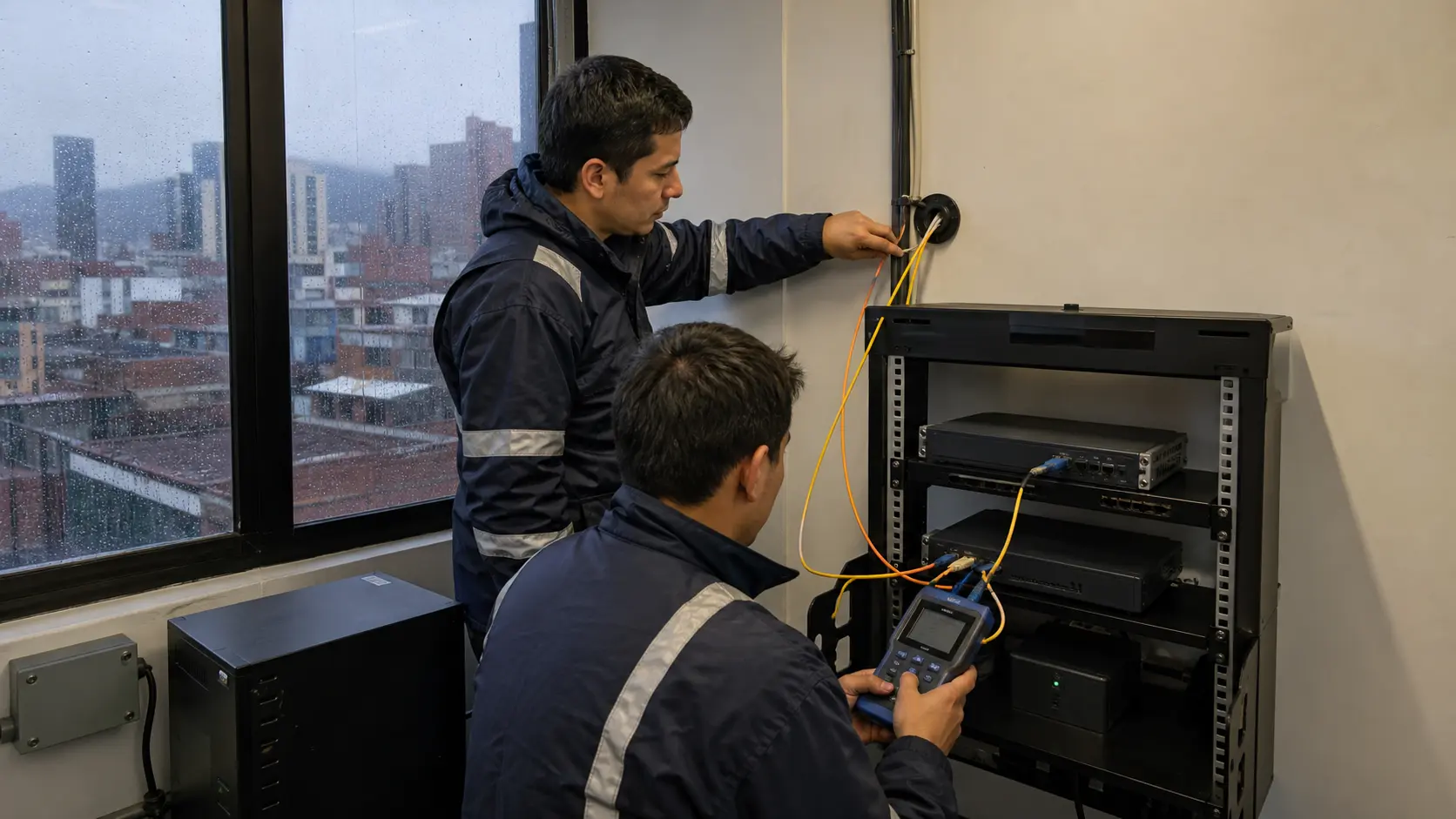
S3Wireless Colombia’s redundancy test begins at the building riser, not the router
S3 has a visible Colombian network, a long corporate-service history and several ways to reach the wider internet. None of that, by itself, proves that two enterprise circuits enter a customer site by independent physical paths. This report follows the service from a Bogotá…

Global Regional ISP
Why Sencinet Colombia's five-teleport reach cannot bypass the branch handoff
A terrestrial circuit fails at a remote Colombian operations site. What happens next depends less on a regional asset count than on the power, access carrier, satellite terminal, gateway, control system and people that must all work at the same time.

Global Regional ISP
Fiber57's October routing silence leaves Pimentel's recovery path unproven
Fiber57 has a documented right to resell internet service across four municipalities in the Dominican Republic's Duarte province, and its own internet number resources briefly appeared in the global routing system in 2025. Yet the public record still does not show the cables…