
Topic
Peering and Transit
Within the Topic facet, Peering and Transit topic intelligence connects articles that share a specific subject, signal focus, or monitoring theme. The page gives readers a richer path through related reporting, source evidence, market actors, and infrastructure implications, with enough context to understand why the topic matters across company movements, governance decisions, regional exposure, and operational risk. Readers can compare recurring signals, affected organisations, public evidence, market context, service continuity, procurement, competition, compliance, and strategic planning questions behind the subject instead of stopping at a thin list of matching articles. It explains what the topic covers, which infrastructure actors or policies are involved, what evidence supports the coverage, and why the subject may matter for operators, customers, investors, and policy readers.
Asia-Pacific Institutional
A Switch in Thimphu, a Zero in the Route-Server Field
The Bhutan Internet Exchange has a record anyone can read. The interesting part is what the record's own fields imply about how a small national exchange is wired, disclosed and governed — and how much of that an outsider can actually check.

CASE FILE
One ASN and Three Claims: The Thin Registry Evidence Behind Ghana's Internet Exchange Association
One ASN and Three Claims: The Thin Registry Evidence Behind Ghana's Internet Exchange Association intelligence summary explains the development, the public evidence available to readers, the organisations involved, the regional context, market exposure, and the infrastructure…

Story
AFRINIC’s IXP Reserve Needs a Ledger Before It Needs a Bigger Block
AFRINIC’s own policy record raises a practical question about the IPv4 held for Internet exchange points: can the community see which parts are used, which remain contiguous, and who is waiting? Until that picture is public, a debate over whether a `/16` should become a `/15` is…

North America Institutional
SIX publishes the register and defers the rules
A network weighing Seattle Internet Exchange can read two public pages before it decides: one describing the exchange, one listing its entities. Neither tells it what the exchange will check before accepting a route announcement. Both tell it a great deal about how the entity…
North America Institutional
The Rate Is Fixed When the Port Is Authorized. Seattle's Exchange Names the Documents That Would Show Who May Change It.
Between 08:36 and 09:04 UTC on 21 October 2026, the Seattle Internet Exchange's own pages produced two very different kinds of statement. One is a commercial rule, specific enough to calculate: the port fee a entity pays is the rate in force at the moment its port is authorised.…
CASE FILE
AS24388 Is a Record, Not a Fabric: Reading Christchurch Internet Exchange
AS24388 Is a Record, Not a Fabric: Reading Christchurch Internet Exchange intelligence summary explains the development, the public evidence available to readers, the organisations involved, the regional context, market exposure, and the infrastructure consequences that may…
Asia-Pacific Datacenter
BroadBand Tower: the card was wrong about two things, and silent on the money
A trade-press page puts BroadBand Tower on the Tokyo Stock Exchange's Standard market and dates its founding to February 2000. The same page, plus three facility listings from one publisher, leave the operator's revenue mix, capital spending and running capacity unstated — and…
Asia-Pacific Institutional
A Register Without a Measurement Basis: What NZIX's Retained Pages Establish
Between 20 and 21 October 2026, the exchange's public pages named three cities, listed nine facilities with street addresses and pointed to a paginated entity directory. On the pages BTW could retrieve and retain, no exchanged-volume figure arrived with a unit, an averaging…

Asia-Pacific Datacenter Trends
Two Labels, One Exchange: 'Very Small' at APNIC, 'Largest' in Singapore
The same company appears in APNIC's public member directory as a very small member and on its own front page as Singapore's largest not-for-profit internet exchange. The two statements count different populations, and neither of the pages retained for this reading states how much…
Europe and Middle East Institutional
Seventeen Sites Is a Footprint, Not a Failure-Domain Count: LINX's Rebuilt London Fabric
Retained trade coverage from March 2026 describes the London Internet Exchange's secondary London platform as a seventeen-site fabric, replaced after nearly twenty-five years in service. Seventeen facilities bound one class of failure and leave another untouched. The record that…
North America Institutional
The Capacity Sum That Closes: Seattle Internet Exchange's Published Inventory, Read Against Its Own Peak
On 19 October 2026, between 03:08:40 and 03:11:42 UTC, the Seattle Internet Exchange published five port classes, a peak figure and a capacity figure on the same page. Two of those numbers sit four words apart in one sentence. The capacity figure can be reproduced exactly from…

Europe and Middle East Institutional
SwissIX prices every port step and publishes no port's load
Between 22:41 and 22:42 UTC on 18 October 2026, four pages on the SwissIX website were captured and read: the homepage, the traffic statistics page, the entities page and the peering page. Together they hold a complete monthly price menu for port capacity and a set of four…
CASE FILE
Five Sites, 67 Customers, No Per-Port Load: FICIX and the Utilisation Ratio That Cannot Be Built
Between 21:38 and 21:44 UTC on 18 October 2026, three public documents bearing on Finland's largest internet exchange were retrieved and retained. They establish what FICIX says it is, what interface speeds it offers, and something less comfortable: the two number classes a…
Africa Regional ISP
The ownership verb: what WIOCC's homepage claim actually measures
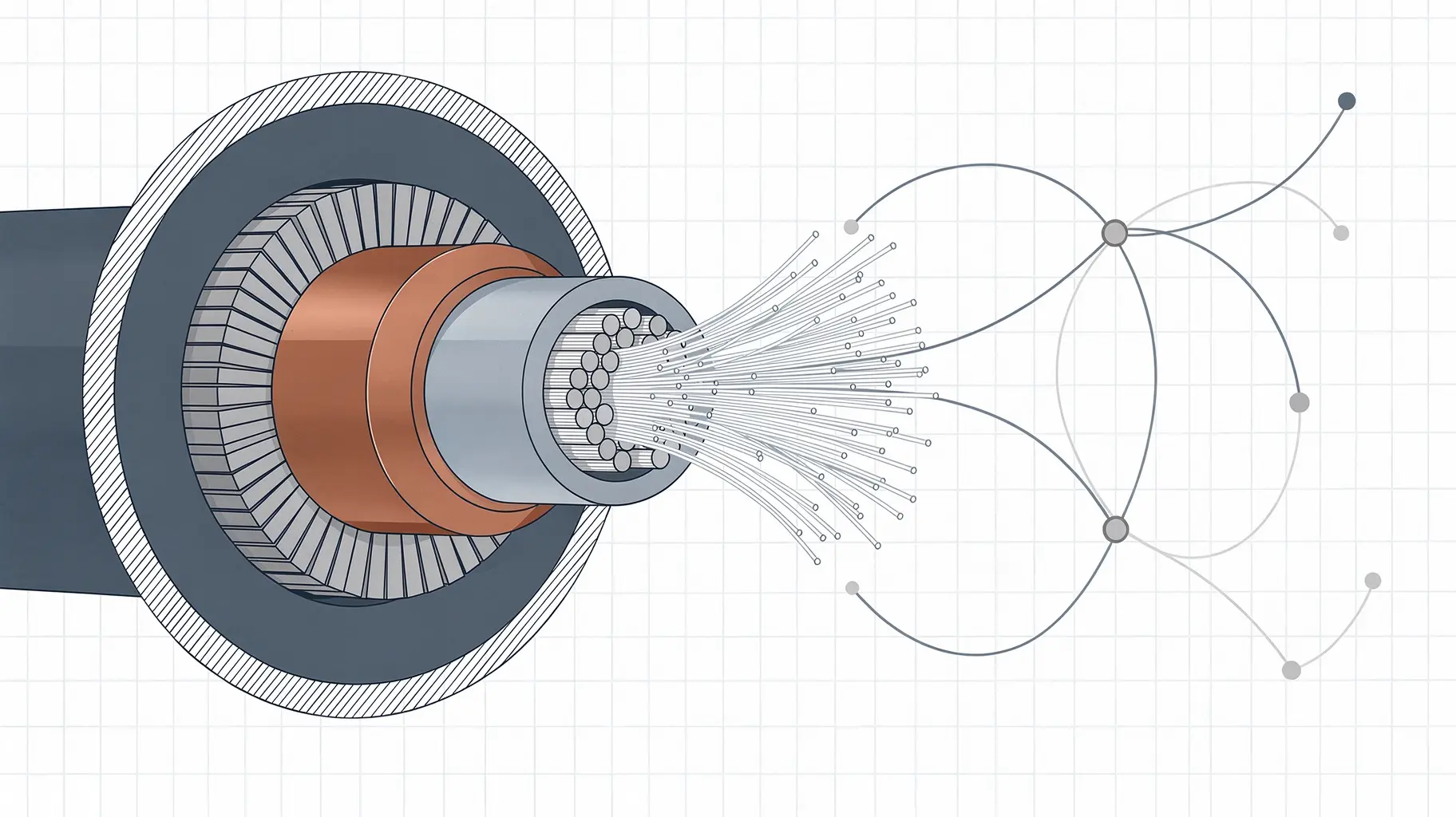
On 18 October 2026 WIOCC's own front page began stating a position in two named submarine systems. The same block gave three counters that each carry a unit, and the independent record retained alongside it counts routing adjacencies, not fibre. The gap between those two kinds of…

Global Regional ISP
Cogent's Margin Gap: What the Adjusted Number Carries, and What the Cash Did Not
A pure transit carrier's equity case assumes unit-price deflation is answered by volume and fixed-cost leverage. Cogent Communications' second-quarter 2026 disclosure does not let a reader test that assumption, and the one place where a test looked possible — the profitability…
Europe and Middle East Institutional
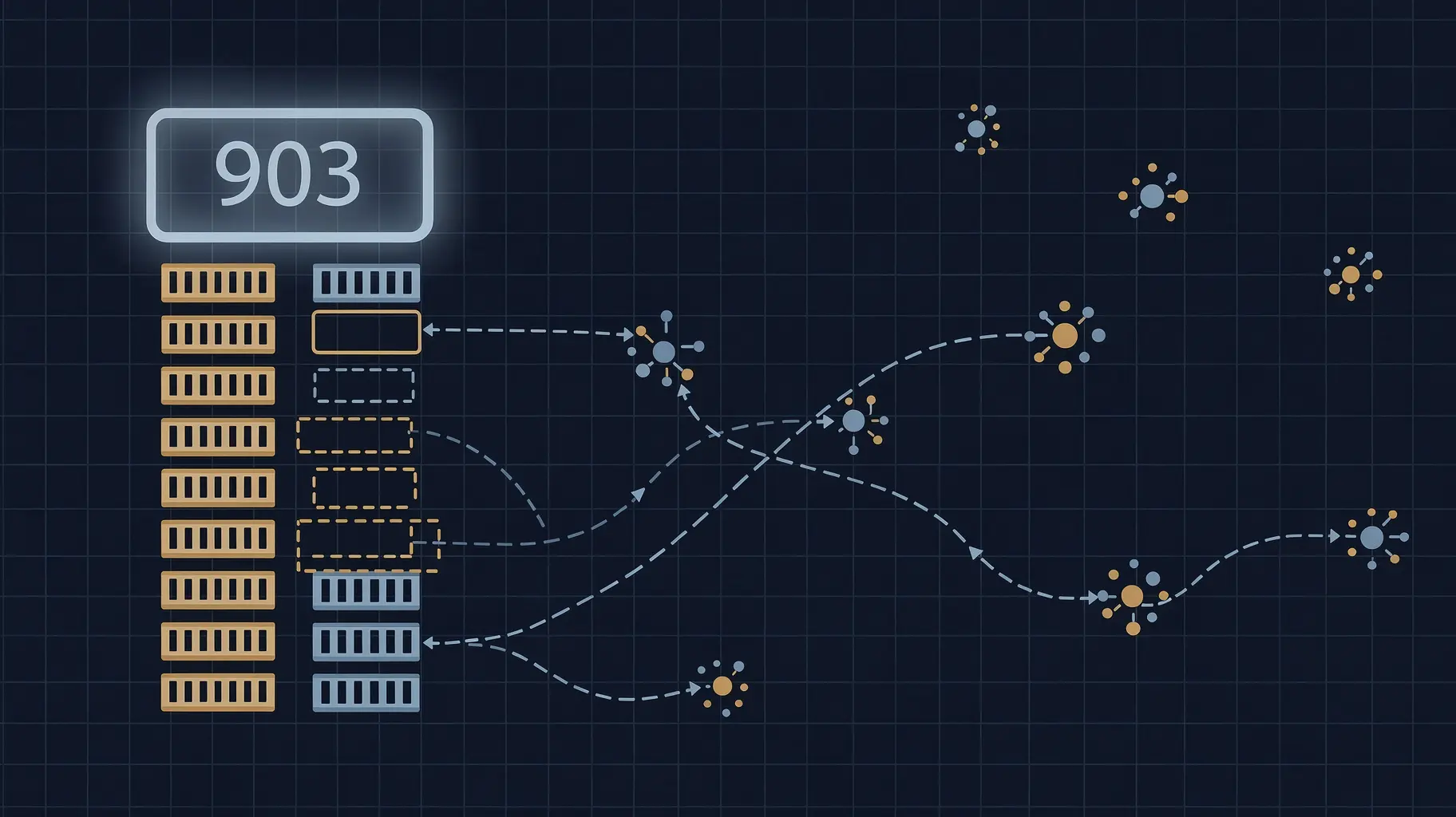
903 Connected Networks, Undefined: What AMS-IX's Headline Number Does Not Say
On 18 October 2026 the Amsterdam Internet Exchange displayed one number for its own size. The retained text around that number does not define what it counts — and in an interconnection market where the count is quoted in sales decks, procurement memos and site-selection…
Asia-Pacific Regional ISP
DE-CIX Kolkata: an assigned ASN, an unmeasured fabric
DE-CIX Kolkata: an assigned ASN, an unmeasured fabric intelligence summary explains the development, the public evidence available to readers, the organisations involved, the regional context, market exposure, and the infrastructure consequences that may follow. The Asia-Pacific…
History
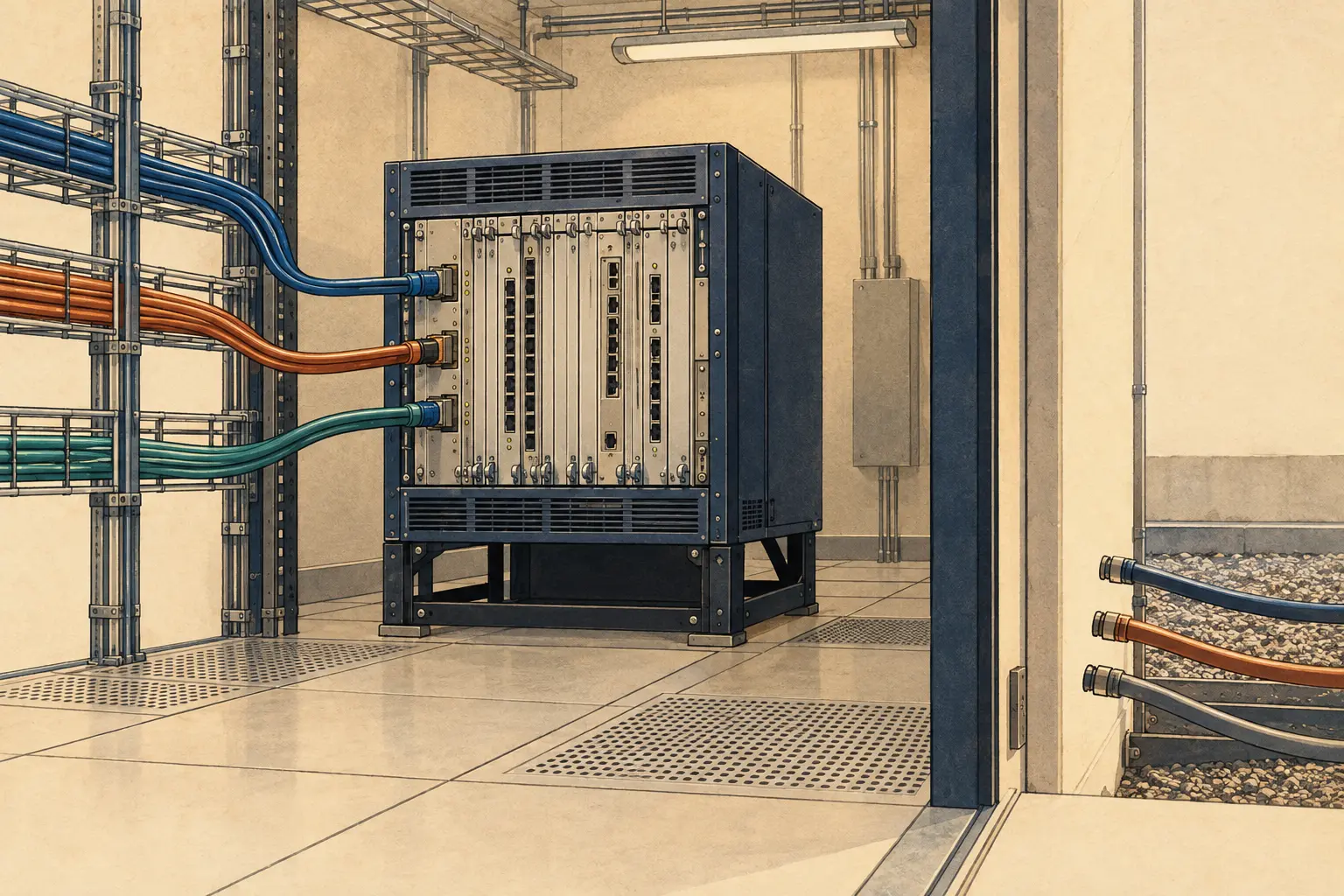
The Exchange Was Settlement-Free. The Connection Was Not: CIX, 1991
The Commercial Internet Exchange let participating providers exchange traffic without billing one another by volume. A router, private circuits and member boundaries still determined who could use that rule.
Asia-Pacific Datacenter
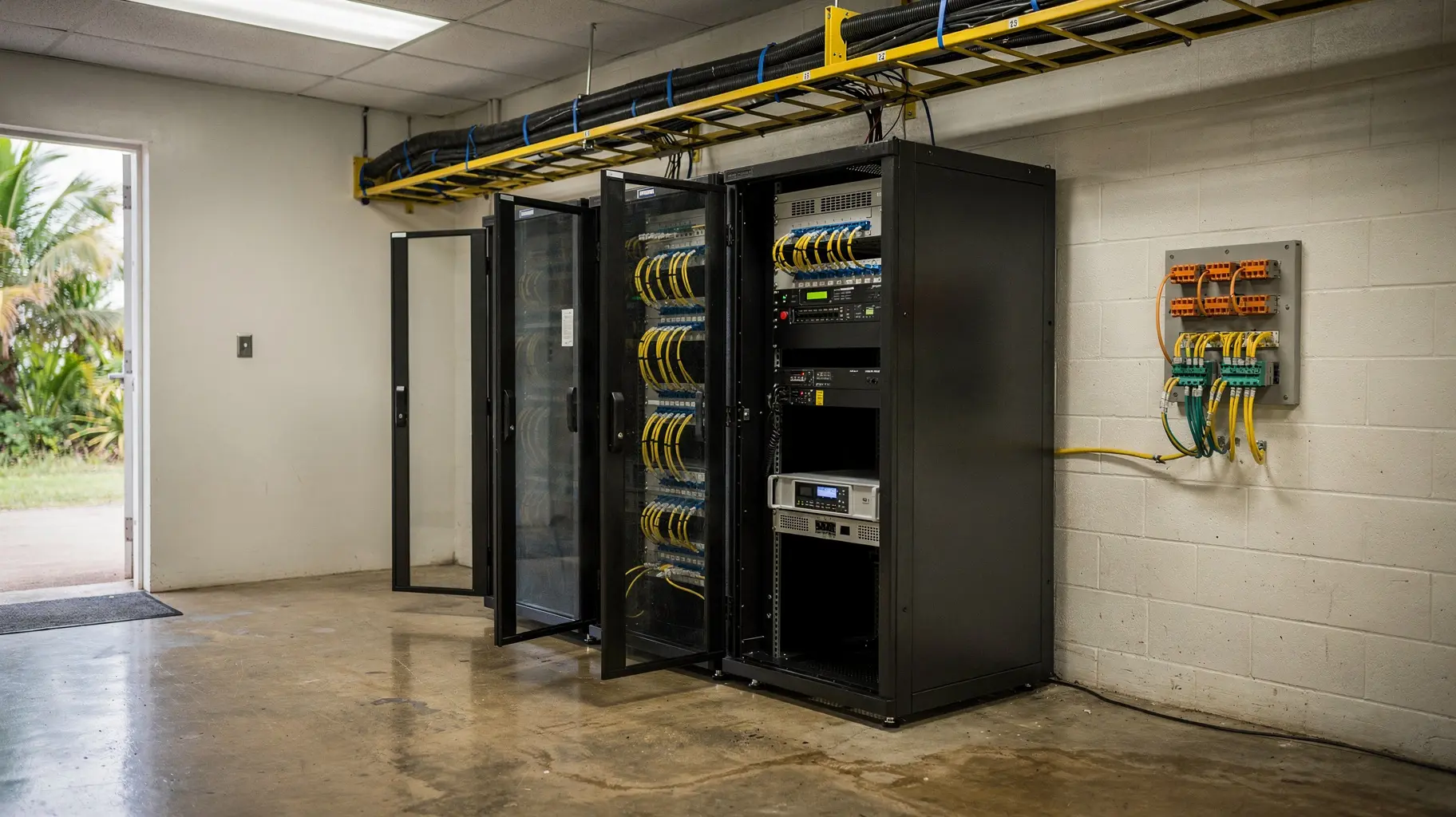
Guam Exchange: a Building, a Peering Fabric and an AS Number Under One Name
The BTW directory record for Guam Exchange carries exactly one citation: an autonomous-system query that returned no readable registry text when I retrieved it on 18 October 2026. The operator's own pages point at something more concrete — a peering fabric inside a named…
CASE FILE
Netnod's Three Service Lines and the Number That Cannot Be Split
Netnod publishes a peering fabric, a root-server role and a time service. The root system's operators publish one number that can be checked — 2,047 instances — and it cannot be attributed to any of them. Everything else here comes from the operator's own front page, captured on…