
Topic
Peering and Transit
Within the Topic facet, Peering and Transit topic intelligence connects articles that share a specific subject, signal focus, or monitoring theme. The page gives readers a richer path through related reporting, source evidence, market actors, and infrastructure implications, with enough context to understand why the topic matters across company movements, governance decisions, regional exposure, and operational risk. Readers can compare recurring signals, affected organisations, public evidence, market context, service continuity, procurement, competition, compliance, and strategic planning questions behind the subject instead of stopping at a thin list of matching articles. It explains what the topic covers, which infrastructure actors or policies are involved, what evidence supports the coverage, and why the subject may matter for operators, customers, investors, and policy readers.
Asia-Pacific Regional ISP
AS138234 names Bloglytics while RIPEstat shows no visible prefix footprint
AS138234 names Bloglytics while RIPEstat shows no visible prefix footprint intelligence summary explains the development, the public evidence available to readers, the organisations involved, the regional context, market exposure, and the infrastructure consequences that may…
Leaders
Nurani Nimpuno and the Operational Record Behind Internet Resource Coordination
Nurani Nimpuno and the Operational Record Behind Internet Resource Coordination intelligence summary explains the development, the public evidence available to readers, the organisations involved, the regional context, market exposure, and the infrastructure consequences that may…

Global National Telecom
Rostelecom's 2020 Route Leak Made Origin Validation Limits an Accountability Test
Rostelecom's April 2020 routing incident showed why a valid origin record is not a complete route-policy guarantee. Accountability depends on accurate RPKI data, current relying-party caches, explicit boundary filters, path-aware controls, independent monitoring and coordinated…
Leaders
Bevil Wooding and the Operational Work Behind Caribbean Internet Resilience
Bevil Wooding's public record connects Internet exchange development, a regional network operator community, post-hurricane infrastructure analysis, and a bounded role in root DNSSEC recovery. Those records show how continuity depends on distinct people and institutions keeping…
Global Institutional
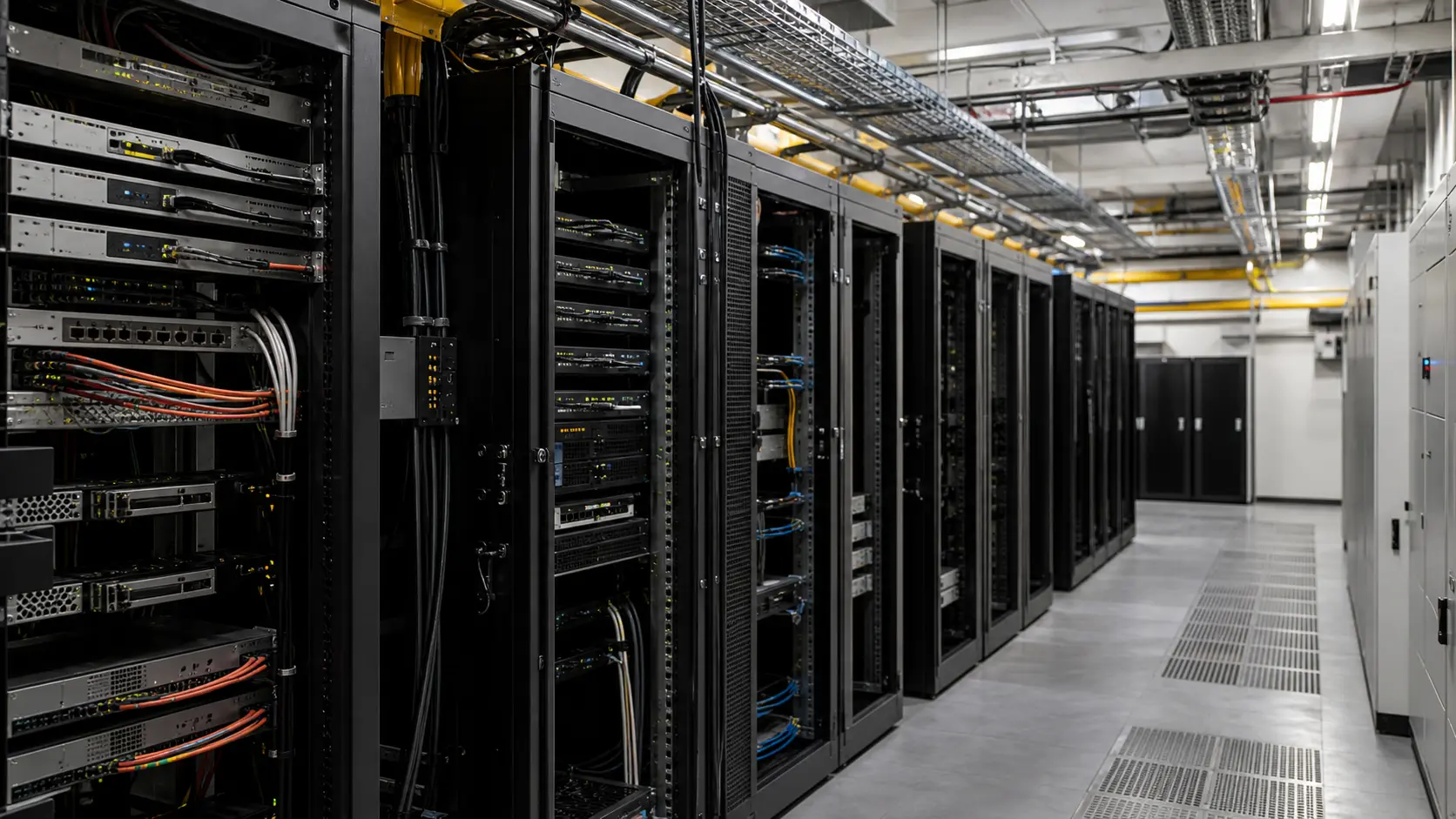
The 2002 Root DNS Attack Made Distributed Service Resilience an Accountability Test
The October 2002 attack against the DNS root server system showed why an accurate record of authority is not an availability guarantee. Accountability rests on reachable authoritative service, route and capacity diversity, resolver behavior, traffic controls, measurement…
North America National Telecom
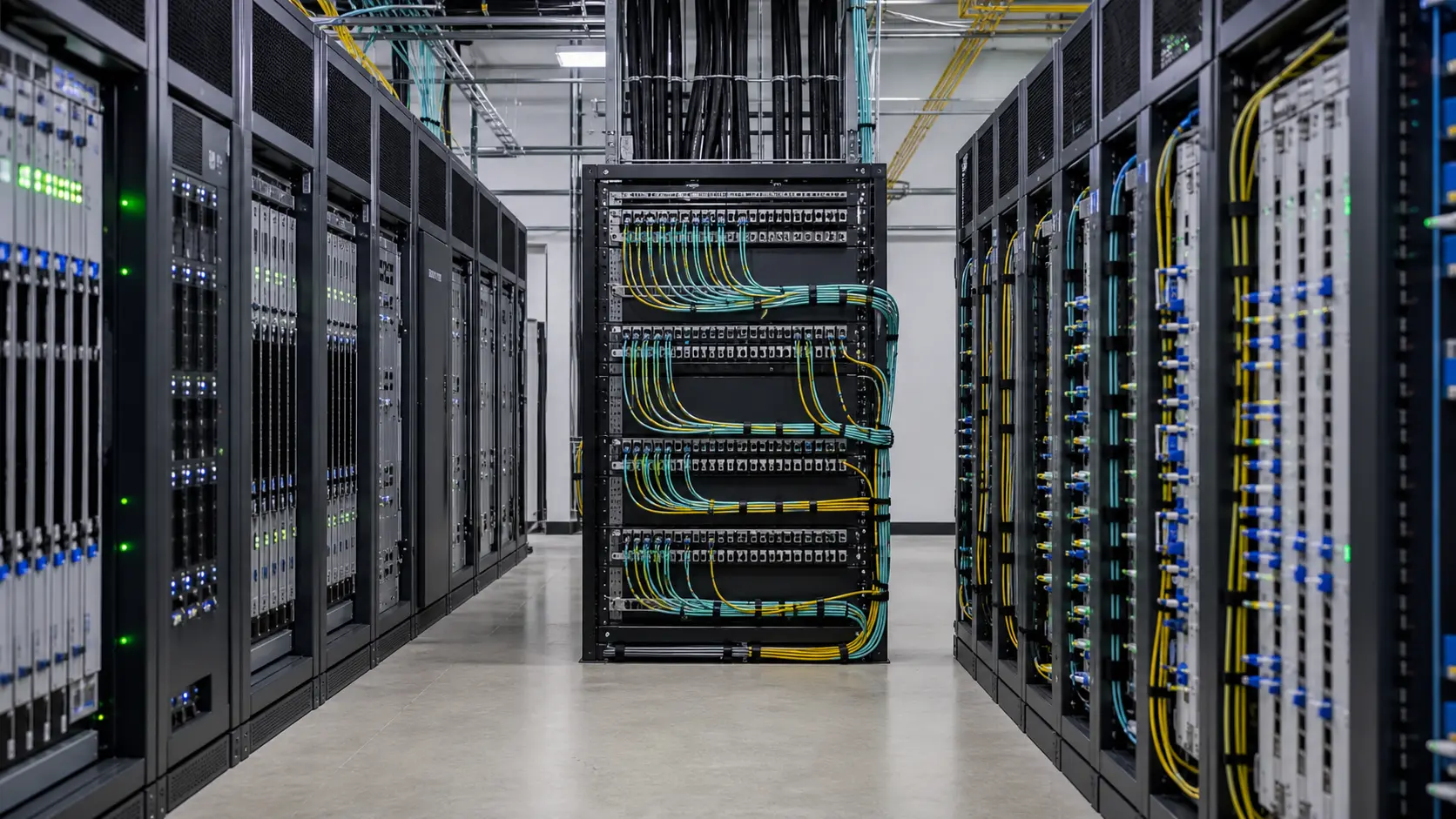
The 2005 Cogent-Level 3 Depeering Made Full-Internet Reachability a Transit Accountability Test
When Cogent and Level 3 stopped exchanging traffic directly in October 2005, some dependent customers discovered that an Internet contract and a registered prefix did not guarantee a working path. The accountable control was the route actually exchanged, the alternate path…

Asia-Pacific National Telecom
The 2006 Hengchun Earthquake Made Submarine-Cable Route Concentration an Accountability Test
How a sequential cable-failure corridor exposed the difference between nominal redundancy, usable alternate capacity and repairable network continuity.

Europe and Middle East Institutional
The 2010 RIPE-Duke BGP Experiment Turned Standards Compliance into a Routing Accountability Test
How a valid experimental BGP attribute exposed an IOS XR propagation defect, session-reset amplification and the need for bounded routing experiments.

Global Cloud Services
OVH's 2017 Optical-Network Failure Made Redundancy Independence an Accountability Test
On 9 November 2017, OVH lost the optical paths connecting its Roubaix hosting site to major external points of presence. The event showed why redundant paths and saved configuration do not amount to resilient network infrastructure when they still depend on one software state…

Global National Telecom
Indosat's 2014 Route Leak Made Full-Table Export Controls an Accountability Test
Indosat's 2014 Route Leak Made Full-Table Export Controls an Accountability Test intelligence summary explains the development, the public evidence available to readers, the organisations involved, the regional context, market exposure, and the infrastructure consequences that…
Global Datacenter
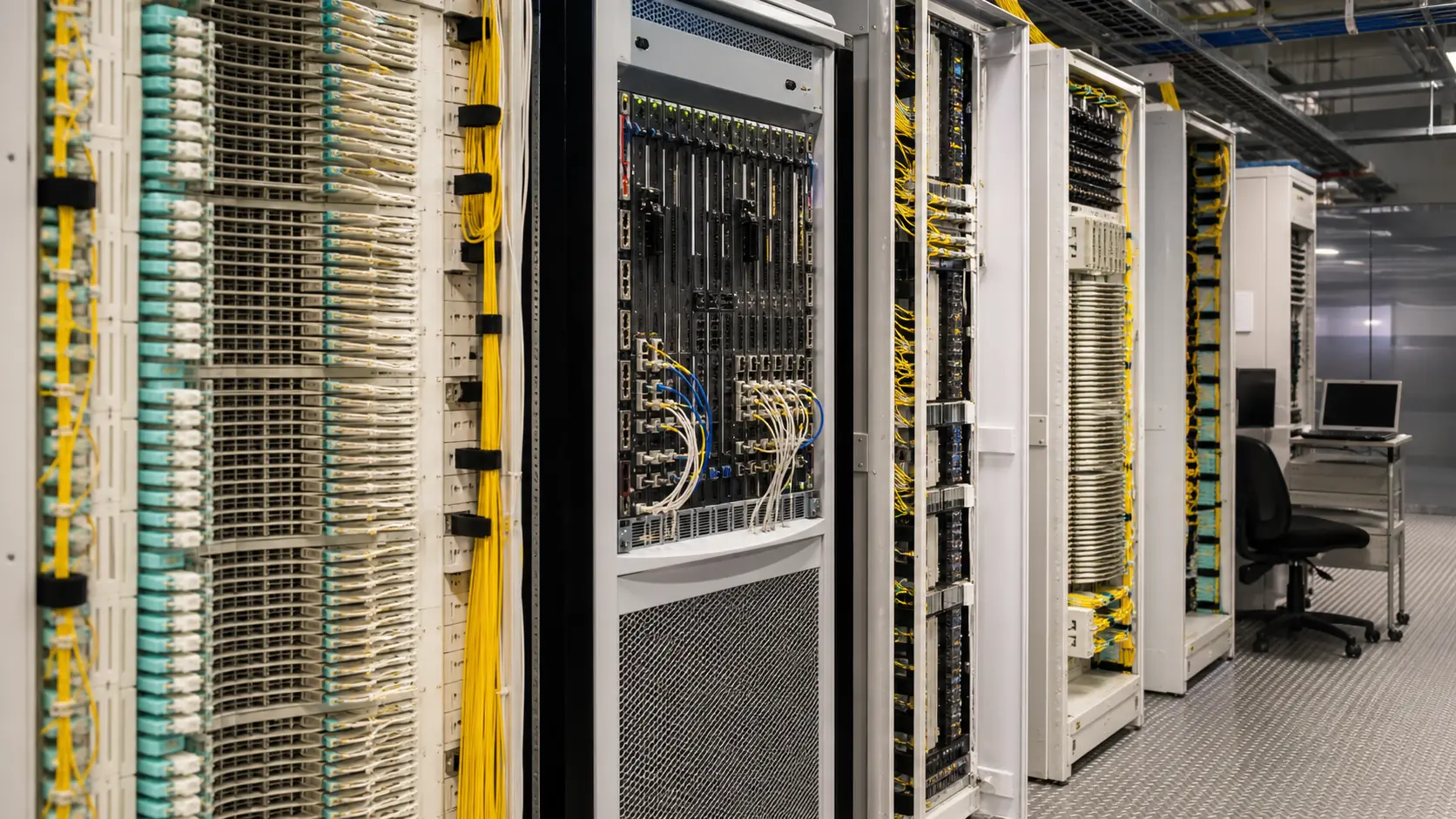
Safe Host's 2019 Route Leak Made Peer Filtering a Cross-Border Accountability Test
The Safe Host routing incident of 6 June 2019 showed how an export mistake can become an international infrastructure event when another network accepts and propagates routes outside their intended relationship scope. The durable accountability question is not whether one…

Global National Telecom
TTNet's 2004 Route Leak Made Customer-Prefix Filtering an Accountability Test
TTNet's 2004 Route Leak Made Customer-Prefix Filtering an Accountability Test intelligence summary explains the development, the public evidence available to readers, the organisations involved, the regional context, market exposure, and the infrastructure consequences that may…

North America National Telecom
The 1997 AS7007 Leak Made Route Filtering an Internet Accountability Test
The 1997 AS7007 Leak Made Route Filtering an Internet Accountability Test intelligence summary explains the development, the public evidence available to readers, the organisations involved, the regional context, market exposure, and the infrastructure consequences that may…

North America National Telecom
Level 3's 2017 BGP Misconfiguration Made Backbone Change Control an Accountability Test
The 6 November 2017 Level 3 routing incident showed how one backbone policy error could redirect traffic across organizational boundaries before customers or access providers could see which control had failed. The accountability question is whether the operator and its peers…

Global Cloud Services
UltraDNS's 2014 DDoS Attack Made Authoritative DNS Continuity an Accountability Test
The 30 April 2014 disruption of Neustar's UltraDNS service showed why authoritative DNS must be treated as running network infrastructure rather than a static entry in a configuration file. The accountability question is whether the provider, its carriers and its customers could…

NANOG
A NANOG thread says 300 IS-IS routers are the easy question
Three hundred is a count, not a design. A late-indexed NANOG reply completed an operator exchange in which the short answer was that a flat IS-IS Level 2 domain can carry that scale; the more consequential answer was that acceptable failure scope, repair time and…
Global Cloud Services
Cloudflare's 2025 1.1.1.1 Outage Made Route Withdrawal a DNS Accountability Test
Cloudflare's 1.1.1.1 public DNS resolver became unreachable worldwide for 62 minutes on 14 July 2025 after a service-topology change withdrew the resolver's anycast prefixes from production locations. The failure was not caused by an attack, a defective DNS protocol, or the…

SANOG
NPIX closes the Kathmandu host week as SANOG’s next meeting moves to Dhaka
NPIX and npNOG brought SANOG 44 to Kathmandu after four days of local workshops. The useful outcome at the closing plenary was not ceremonial: the regional meeting passed to Dhaka for SANOG45, alongside bdNOG23, moving the next agenda-setting opportunity from one national…
Europe and Middle East Regional ISP
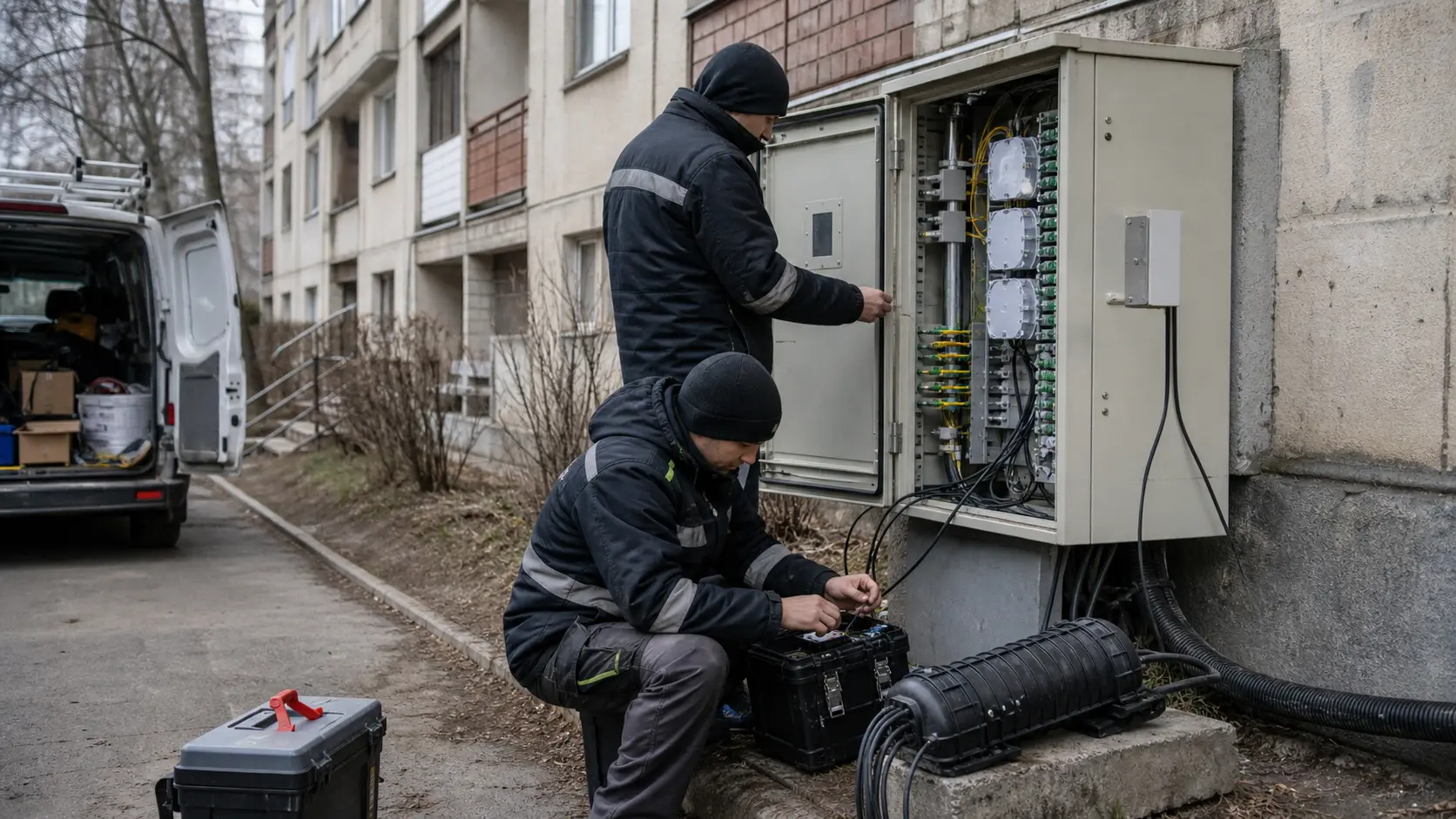
K-telekom must make local access density outrun repair and renewal costs
K-telekom LLC is best understood as a regional access-density business, not as a national telecom story: the economics turn on whether enough paying homes and small businesses can be won around each local node to cover installation, upstream capacity, support labour, churn…
Europe and Middle East Regional ISP
Khadamat Ertebati Must Show Where Network Control Ends and Billable Service Begins
Khadamat Ertebati Pishkhan Arvin Chenaran Co.LLC has enough public evidence to be treated as a real legal and resource-holding boundary, but not enough to be treated as a proven scaled ISP; the economics visible from registries, regulated counter-service records and routing pages…