
Topic
Network-resource Evidence
Within the Topic facet, Network-resource Evidence topic intelligence connects articles that share a specific subject, signal focus, or monitoring theme. The page gives readers a richer path through related reporting, source evidence, market actors, and infrastructure implications, with enough context to understand why the topic matters across company movements, governance decisions, regional exposure, and operational risk. Readers can compare recurring signals, affected organisations, public evidence, market context, service continuity, procurement, competition, compliance, and strategic planning questions behind the subject instead of stopping at a thin list of matching articles. It explains what the topic covers, which infrastructure actors or policies are involved, what evidence supports the coverage, and why the subject may matter for operators, customers, investors, and policy readers.
North America Regional ISP
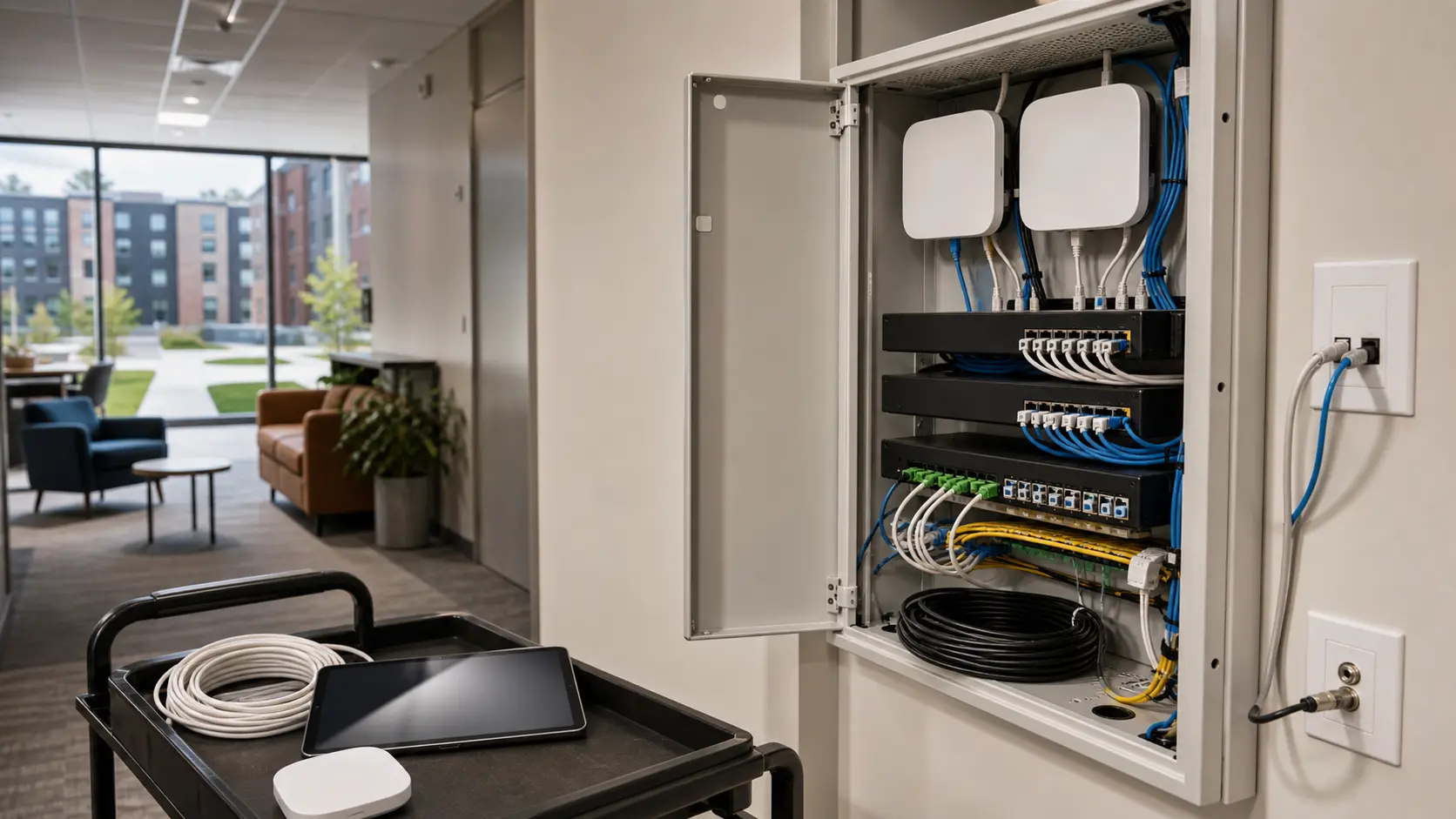
Pavlov Media and the campus broadband bill hidden inside the rent
A student-housing owner does not buy broadband in the abstract. The owner decides whether connectivity is an amenity that helps lease beds, a risk reducer that keeps residents from punishing the property at renewal, or an operating headache that moves angry calls from a national…

Europe and Middle East Regional ISP
Olivenet and the Costa del Sol fibre account priced by installation patience
An expatriate household, a remote worker or a small hotel on the Costa del Sol does not buy fibre only by reading the advertised speed. The real decision sits inside building access, appointment discipline, multilingual support, router logistics, seasonal occupancy, local…

Africa Institutional
9 Payment Service Bank and the cash-out toll inside financial inclusion
A wallet balance in Nigeria is useful only when the surrounding machinery works: the nearby cash counter has float, the phone network is reachable, the customer can pass KYC, the receiving bank accepts the transfer, settlement completes, support answers, fraud controls do not…

Asia-Pacific Institutional
ACLEDA Bank and the Cambodian merchant account that must work in cash, a branch queue and a phone app
A Cambodian merchant choosing whether to trust a branch account, QR payments and a mobile balance over cash is not buying only a screen. The real question is whether ACLEDA Bank Plc. can fund trust across physical service and digital scale without turning every phone transaction…
Latin America and Caribbean Institutional
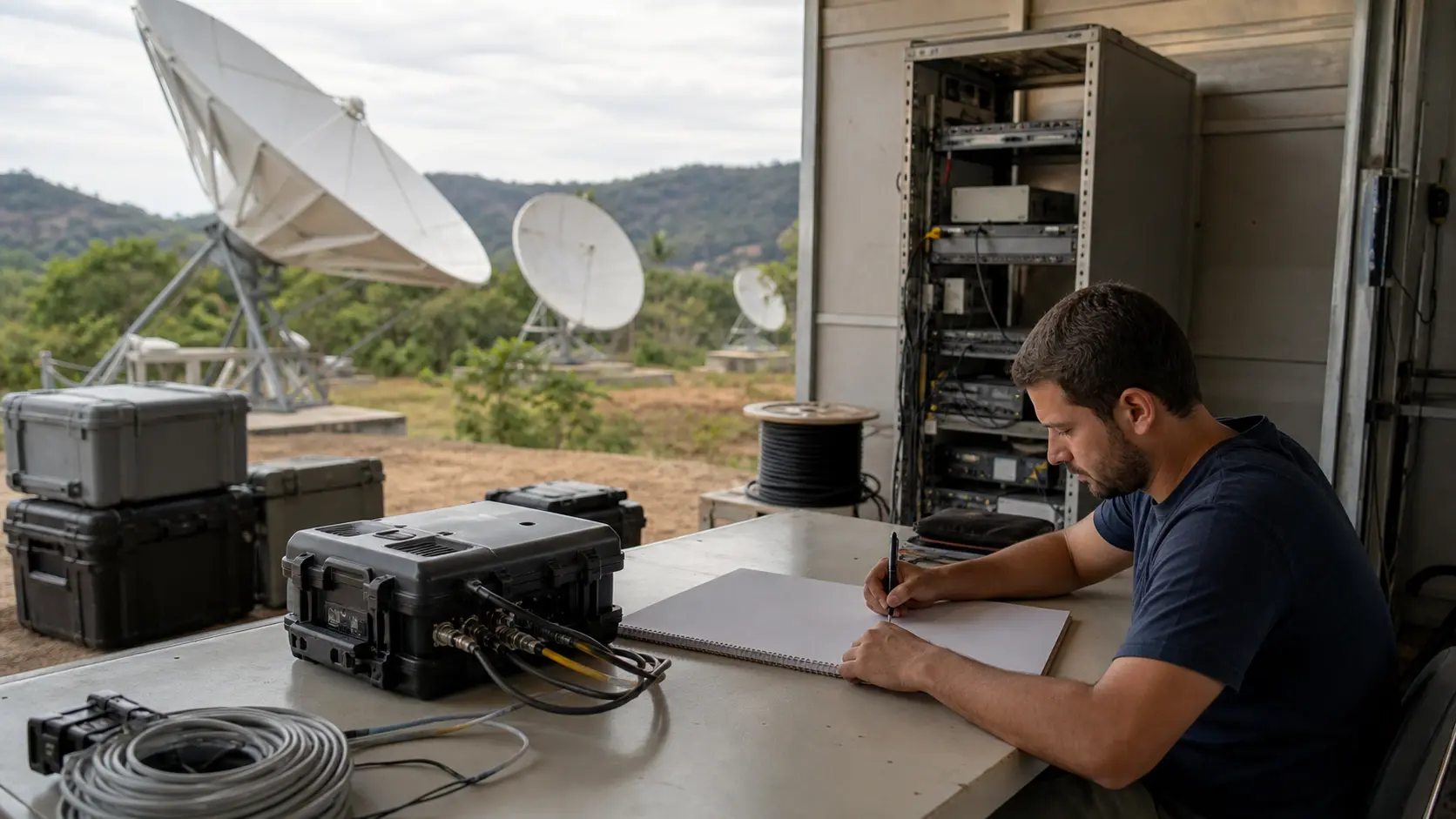
Hispamar and the satellite megahertz priced against fibre patience
Hispamar Satelites S/A sits inside a Brazilian buyer's hardest connectivity calculation: whether satellite capacity is expensive insurance, a temporary bridge until terrestrial networks arrive, or the only credible link when geography, power, rain, regulation and fibre economics…

Latin America and Caribbean Institutional
HSBC Mexico and the operating account priced by trust infrastructure
A Mexican bank account becomes valuable when it can keep payroll, suppliers, card activity, cross-border receipts, tax-sensitive records and fraud controls working at the same time. HSBC Mexico's public record is strongest when read through that operating-account lens: the bank…

North America Cloud Services
S3 Partners and the price of seeing the short book
A portfolio manager pays for short-interest, securities-lending and crowding data because the cheaper alternative is discovering positioning risk after liquidity has already moved. S3 Partners is not best understood as a broad market-data terminal story; its value sits in a…

Asia-Pacific Regional ISP
ONEQODE Assets and the price of making latency disappear
For an Australian game publisher, Pacific exchange, trading desk or enterprise network team, the cheapest route is useless if cross-border handoffs, DDoS exposure and jitter make the service feel broken. ONEQODE Assets Pty Ltd is a bet that customers will pay for latency as…

Latin America and Caribbean Cloud Services
Gamers Club and the match that has to feel fair before it is worth anything
A Brazilian Counter-Strike team does not first buy a sponsor slot, a content package or a season pass. It buys the chance for a match to feel fair enough that the score deserves to matter. Gamers Club Ltda sits in that fragile paid unit: latency low enough to trust a duel…

North America Cloud Services
F5 and the edge bill cloud platforms keep testing
An enterprise application owner pays F5 because a login flow, API and payment page have to stay fast and defended when ordinary demand spikes, credential stuffing starts, bot traffic probes checkout and cloud teams keep moving workloads around. The contract is not just a…

Latin America and Caribbean Institutional
Itau Unibanco and the cost of making instant money feel free
A Brazilian merchant can see Pix as a free, immediate way to get paid. Itau Unibanco S.A. has to price the bank account behind that moment: settlement, fraud review, uptime, cards, branches, apps, cyber controls, data locality, network resources, compliance teams and credit-cycle…
North America Cloud Services
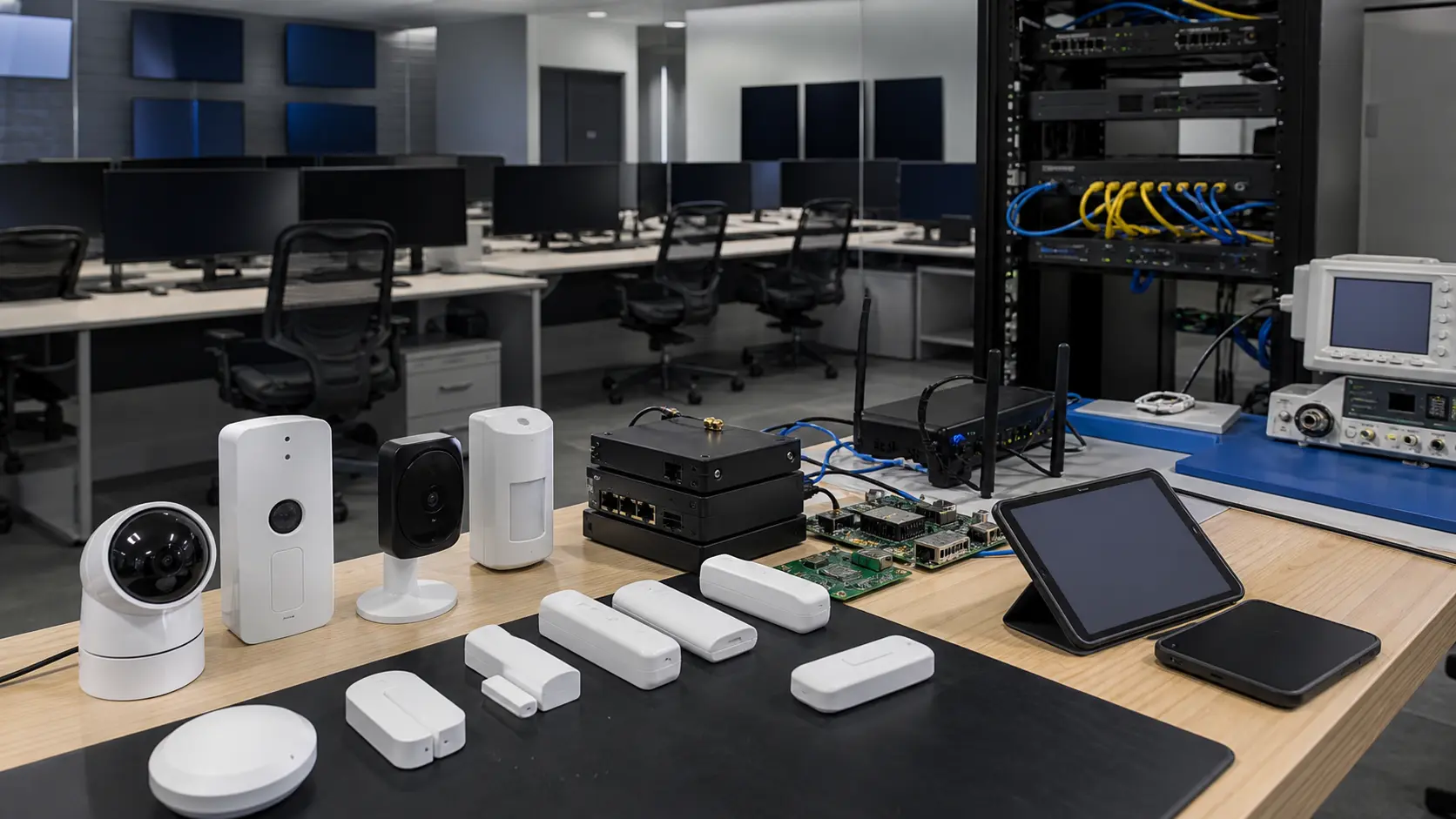
Alarm.com and the price of a signal that arrives in time
A small business owner does not pay each month for a motion sensor in the abstract, and a homeowner does not pay because a doorbell camera exists. The paid unit is a signal that moves from device to cloud, dealer support, monitoring workflow and phone screen quickly enough to…

North America Cloud Services
Tradeweb and the compliance price behind a bond-market click
A rates trader or asset manager does not pay for an electronic bond-market button because clicking is novel. The click is valuable only when it brings live liquidity, usable pricing data, dealer accountability, workflow integration, compliance records, clearing links, uptime…

North America Institutional
Zebra Technologies sells inventory certainty one scan at a time
A warehouse manager thinks the handheld scanner is hardware until one missed scan turns into a wrong pick, a bad labour plan, a delayed truck, a disappointed customer and a question about who really controls the record of what is inside the building.

Asia-Pacific Regional ISP
2talk and the phone bill that became a cloud service
A small New Zealand firm deciding whether to keep its phone number, voicemail and inbound calls on a specialist communications platform is really pricing continuity: the account must preserve a known number, route calls into modern software, survive fraud attempts and outages…

Asia-Pacific Cloud Services
Data Hub Pvt. Ltd. and the Nepal rack that has to beat distance
A Nepali customer comparing a local rack with India, Singapore and hyperscale cloud regions is not simply buying compute. It is deciding whether lower domestic latency, local support, recoverable hardware access and regulatory comfort are worth the extra operating complexity of…
Latin America and Caribbean Regional ISP
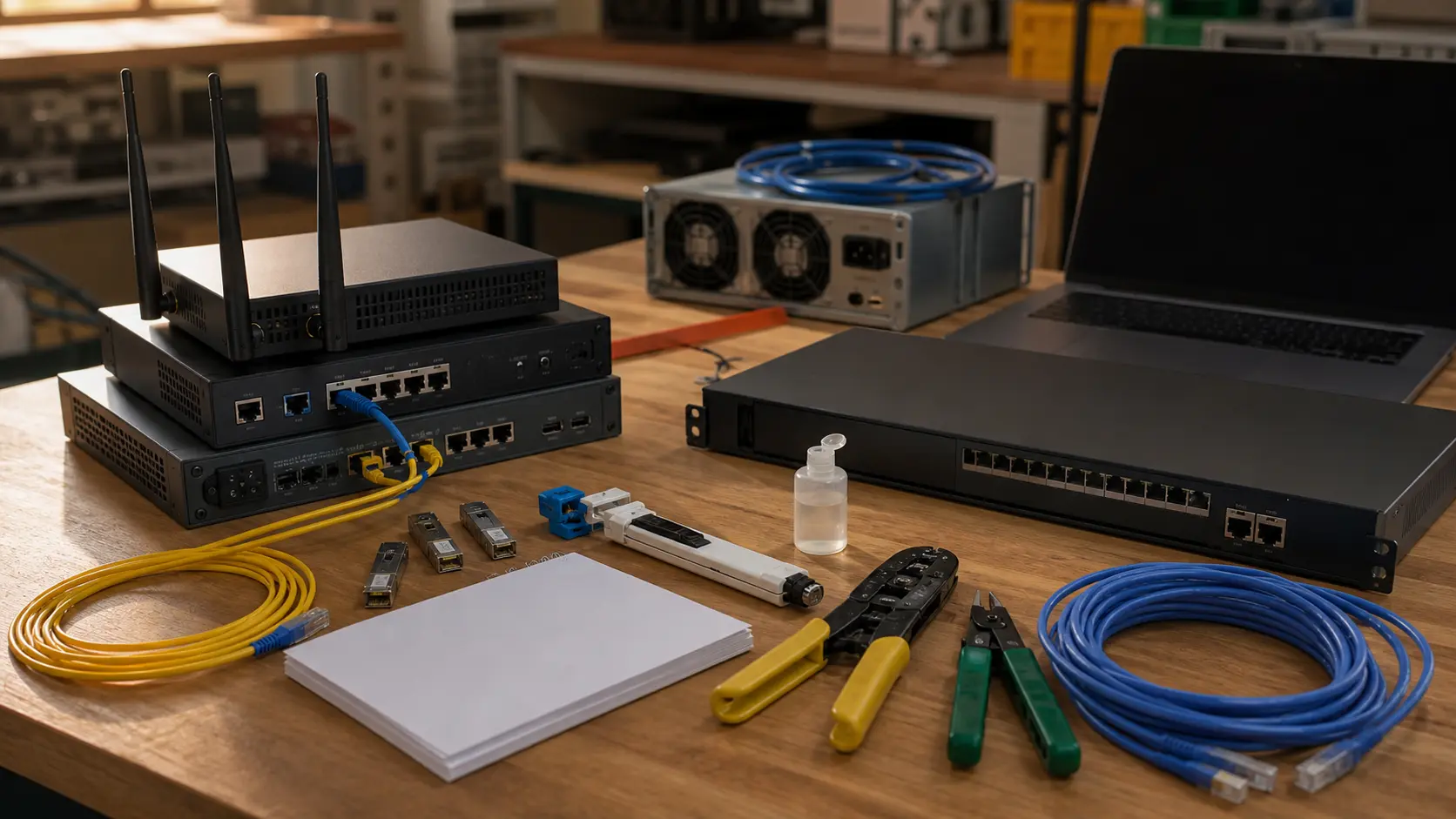
i96 and the Brazilian support contract that has to survive imported inputs
A Brazilian small business does not renew a managed connectivity account because a logo looks technical. It renews when the provider can keep routers, wireless links, fibre handoffs, Linux services, DNS, monitoring, support calls, field visits and monthly billing calm enough that…

North America Institutional
Electronic Arts and the Server Bill Behind a Live Game Season
When a new live season opens inside Electronic Arts, the sale has already moved beyond the disc, the download button and the trailer. The commercial test is whether matchmaking, account identity, anti-cheat, CDN delivery, cloud capacity, support queues and platform entitlements…

Global Institutional
eBay and the trust machinery inside a marketplace listing
A small seller who refreshes an eBay listing is not only buying traffic. The listing fee, final value fee, promoted placement, payment deduction and occasional dispute fee are payments into a machine that has to rank the item, process the buyer's money, keep the page reachable…

North America Institutional
Dish DBS Corporation and the brand-control bill behind a satellite bundle
A DISH account looks like a television bill until the operating stack underneath it is counted: satellites, spectrum rights, receivers, support labor, billing software, content contracts and a quiet portfolio of branded top-level domains all have to keep working at once.