Summary
- AEP's 28 October results set a $100 billion investment plan for 2027–2031: about $37 billion for transmission, $36 billion for generation and $22 billion for distribution.
- AEP added 15GW of signed load commitments in the quarter and now expects 84GW of incremental contracted load by 2031. Its projected residential fixed-cost offset of up to $21 billion comes from fully executed take-or-pay agreements in vertically integrated states over the contracts' lives.
A builder's invoice and a customer's receipt
There are two ledgers in AEP's new earnings release. The first has a $100 billion heading: money the utility plans to invest from 2027 through 2031. The second contains up to $21 billion of expected fixed-cost offsets for existing residential customers. They meet in the power system, but they have different boundaries. One is a five-year capital plan across AEP. The other is a lifetime forecast attached to certain large-customer contracts in vertically integrated states. Anyone subtracting one from the other has invented an accounting statement AEP did not publish.
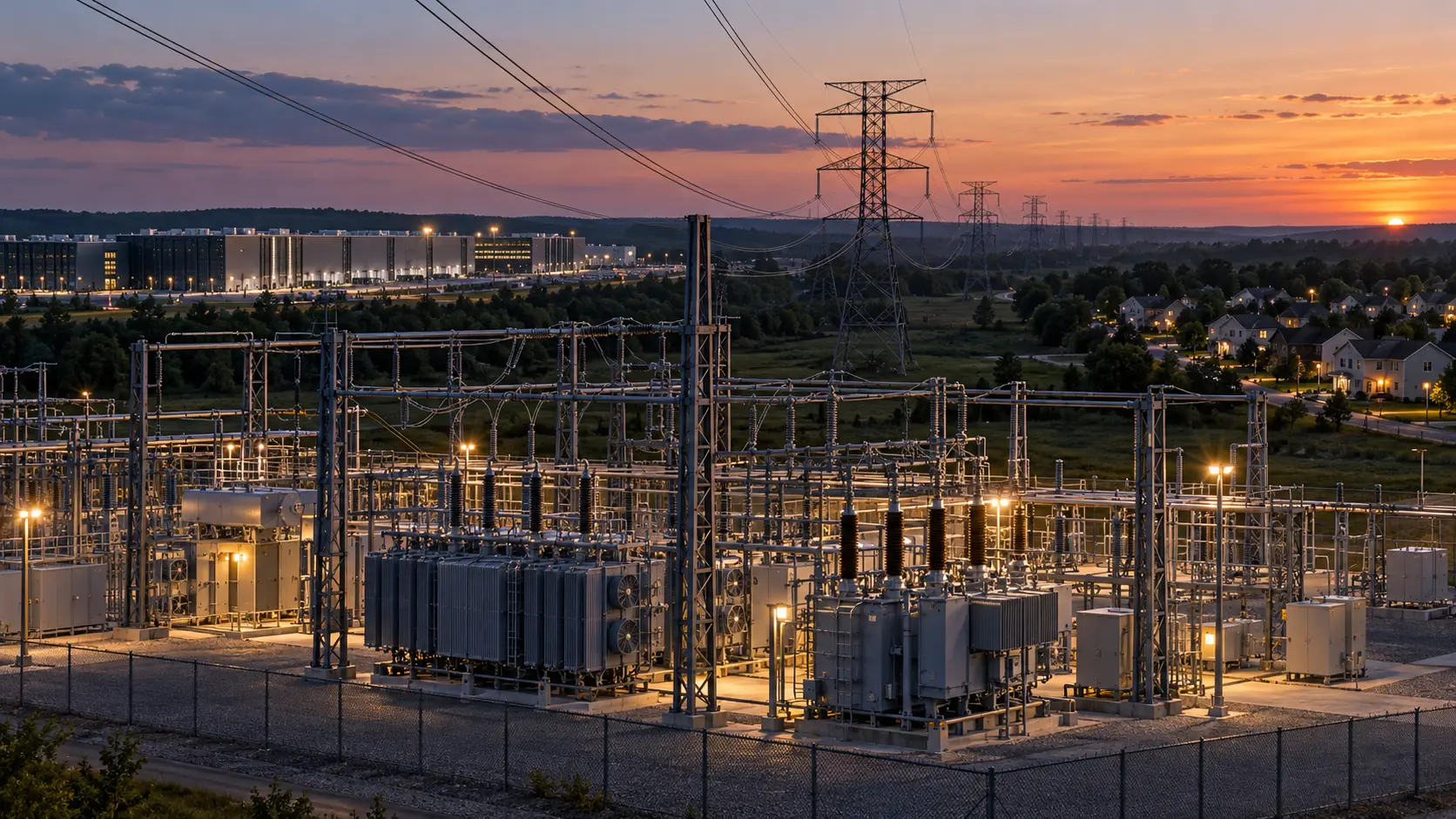
The bill for the first ledger is already organised by asset. AEP assigns roughly $37 billion to transmission, $36 billion to generation and $22 billion to distribution. Those named buckets add to $95 billion; the release does not break out the remaining $5 billion. AEP expects its rate base to reach $162 billion by 2031, with compound annual growth above 13%. That is an investor's growth engine. A household sees the other side of the same machinery when a regulator decides which costs enter rates and which new customer pays for them.
AEP has given the demand story a firmer spine than a queue of inquiries. It signed 15GW of new load commitments during the third quarter and now counts 84GW of incremental contracted load expected by 2031. The company's definition admits projects backed by fully executed electric-service agreements or letters of agreement. Those instruments put names and documents behind the forecast. The release does not allocate the 84GW among states, customer types, contract forms or energisation years. A signed future load is still waiting for a meter.
The protection promise is more specific. AEP says fully executed take-or-pay electric-service agreements in its vertically integrated states should generate up to $21 billion of fixed-cost offsets for existing residential customers over the life of the contracts. July's estimate was $16 billion. AEP points to a second proposed Indiana rate reduction as an example; a proposal is a different thing from a realised bill cut. The public release gives no state-by-state offset schedule or customer-level payment terms. Its $21 billion cannot be assigned automatically to every gigawatt in the 84GW book.
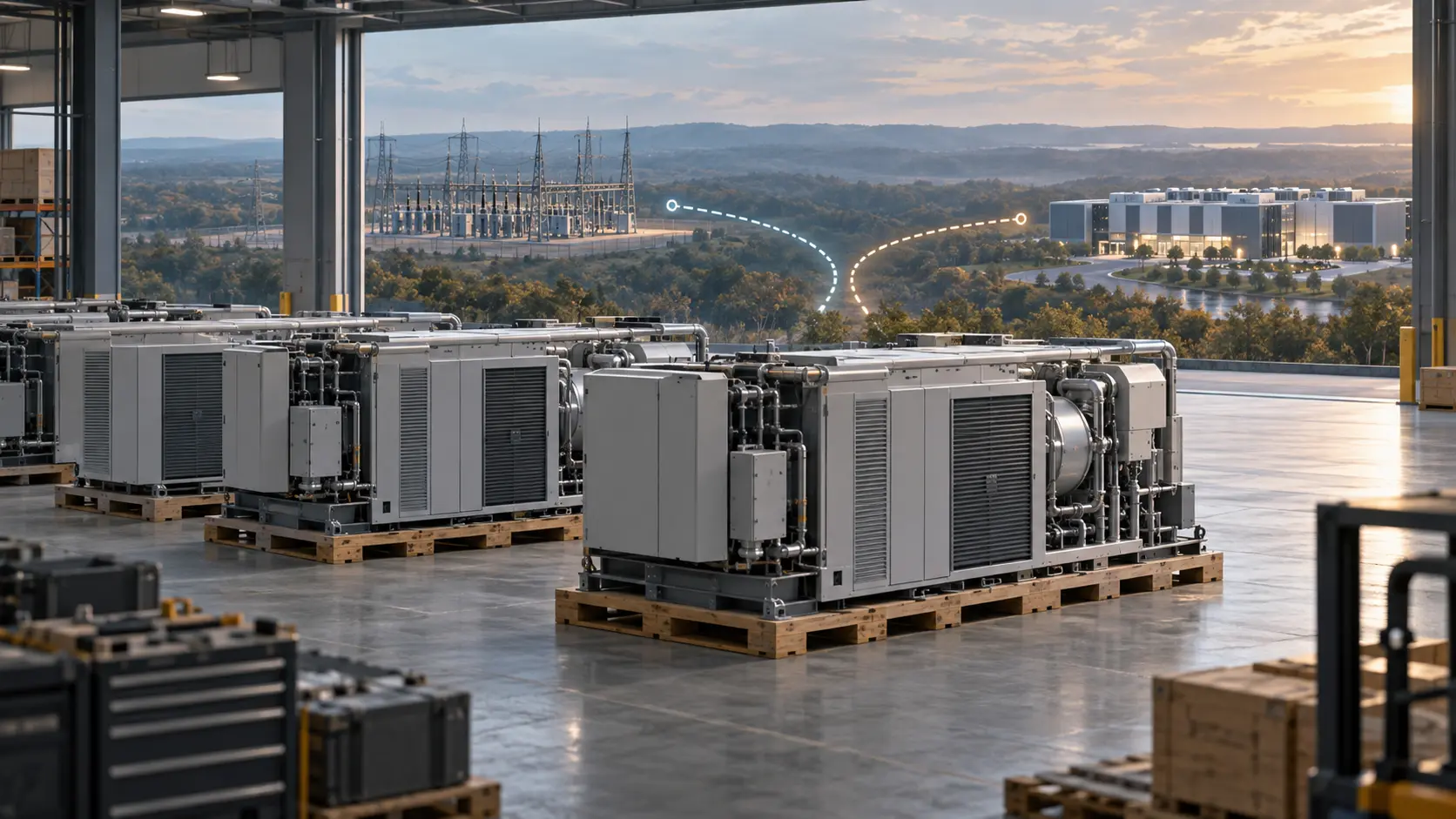
That leaves a sharp market question. The utility is proposing to build generation, wires and distribution capacity in anticipation of huge customers while telling households the newcomers will carry the extra cost. The promise will be tested where the capital plan meets the contracts: minimum payments, credit backing, regulatory approvals, construction dates and actual power consumption. The disclosure supplies the aggregate ambition. It has yet to show the bridge from each expensive asset to a bill protected by a paying counterparty.
The AEP directory entry Only for Strategic Circle connects this release to earlier research. That work examined 69GW of contracted load against turbine reservations. The October event moves the question from equipment access to a five-year spending programme and the distribution of its cost.
Sources
Member Briefing
Deeper Profile Context
Sign in with the right membership level to unlock the full briefing and source notes.
Only for Strategic Circle
Strategic Circle
Open to all readers. Unlock profile briefings after joining and signing in.
Join Strategic CircleOnly for Leadership Alliance
Leadership Alliance
For qualified IP-asset owners and management; sign in to unlock alliance briefings.
Join Leadership Alliance