
Profile
Analysis
Analysis profile intelligence connects person, company, institution, and other entity coverage for readers comparing the subjects behind BTW.MEDIA reporting. The page helps compare public profiles, related events, evidence packs, role changes, operating footprints, governance exposure, organisational links, and market relevance while keeping organisation and people records distinct from ordinary news chronology. Readers can understand the subject behind the headline, the evidence supporting that profile, and the infrastructure or market relationships that make the profile relevant. They can see who or what the profile represents, which public sources support it, how it connects to companies, markets, governance bodies, or events, and what changes may deserve continued attention as the subject evolves.

History
The Window That Learned Restraint: How TCP Stopped Congestion Collapse Without a Traffic Authority
The Internet's answer to its first congestion crisis was not a controller above the network. It was a new discipline inside every sender: learn the path from acknowledgements and loss, increase carefully, and retreat before retransmissions turn shared capacity into useless…

History
The Worm That Needed a Switchboard: How the 1988 Internet Built CERT Without Giving It Command
When the Internet’s first great emergency arrived, its most effective institutional answer was neither a central operator nor a security sovereign. It was a small, trusted point of contact built to make independent operators faster and better informed while leaving their…
Global Institutional
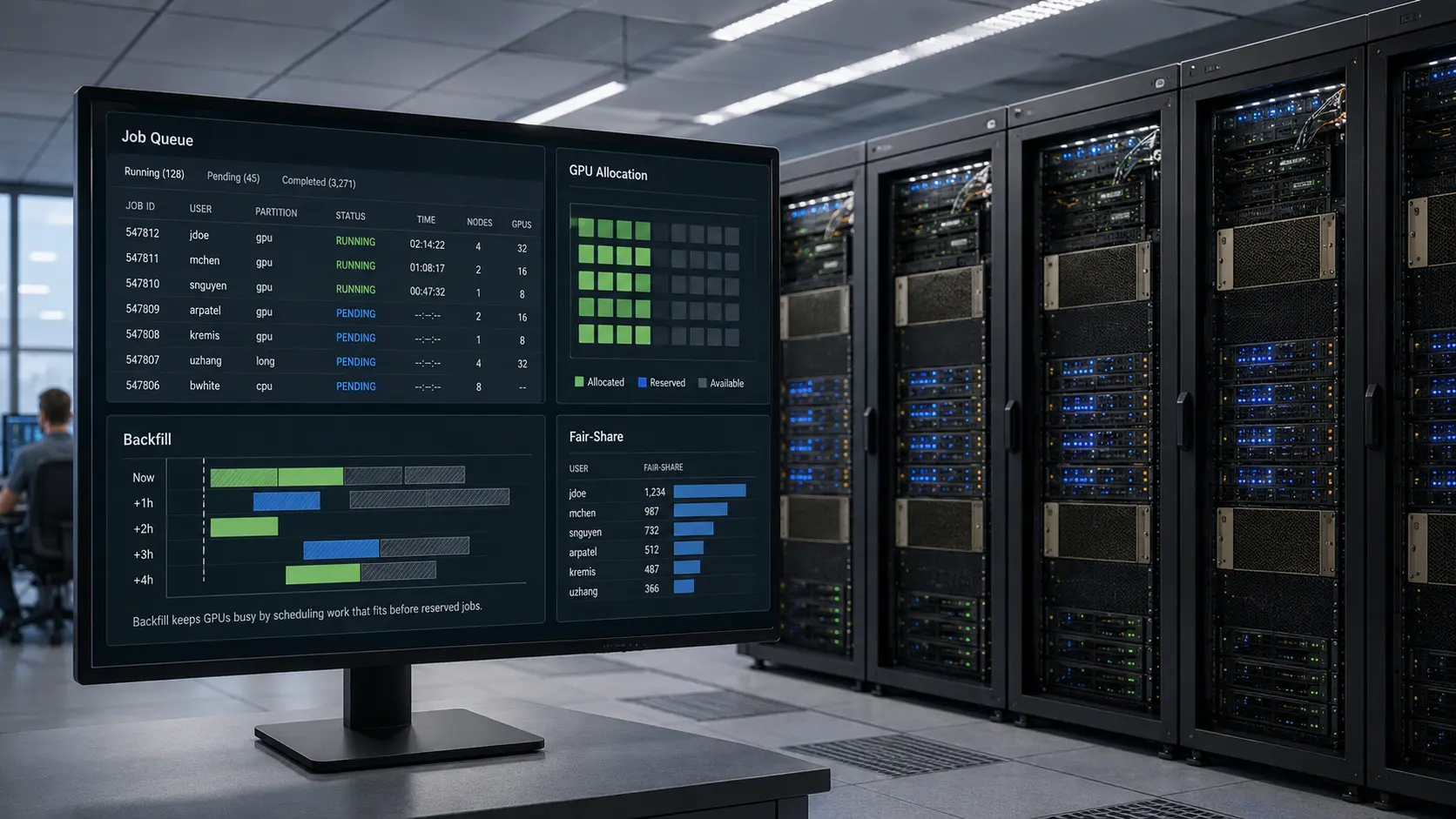
Slurm: The Scheduler That Decides Who Gets the GPU
Slurm allocates scarce compute across HPC and AI clusters, turning queue policy into a practical decision about who gets GPUs and when. NVIDIA’s 2025 acquisition of SchedMD gave the project more resources while making vendor-neutral stewardship a question that now has to be…
Creators
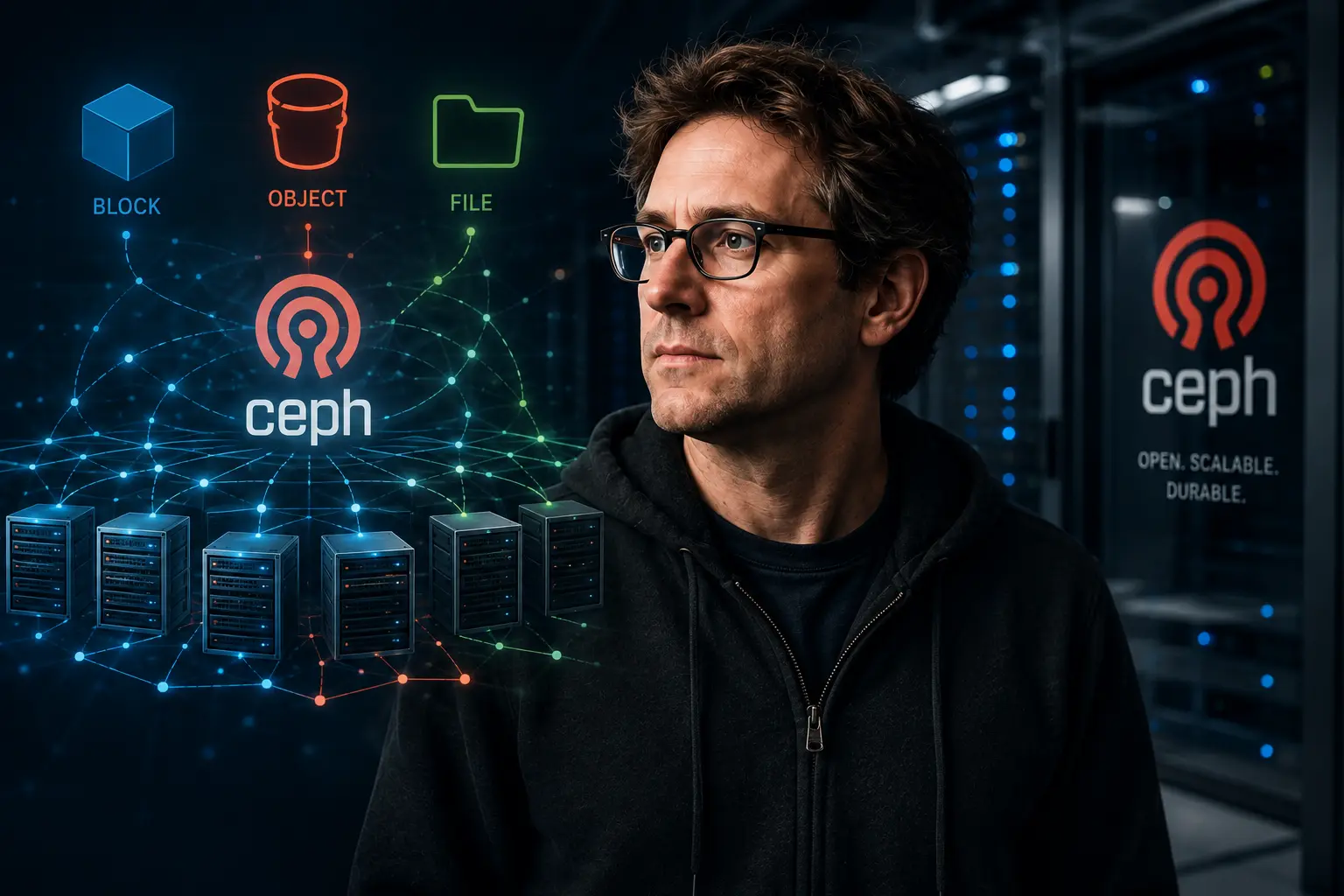
Sage Weil: The Architect Who Made Distributed Storage Calculable
Sage Weil’s most durable contribution to internet infrastructure was not a storage appliance but an architecture. Ceph used CRUSH to calculate where data belongs and RADOS to spread storage, repair and movement across a cluster. The design helped commodity machines behave like…

Global Institutional
NVM Express: how storage became a network protocol
NVMe began as a more efficient way to talk to the flash memory installed in a server. It has become a family of protocols capable of carrying the same command queues and namespaces over PCIe, TCP or RDMA. That continuity has made storage composable, while moving part of its…

Global Institutional
NVM Express: how storage became a network protocol
NVMe began as a more efficient way to communicate with flash memory installed inside a server. It became a family of protocols capable of carrying the same queue, controller and namespace model over PCIe, TCP or RDMA. That continuity enabled capacity to be disaggregated, but…
Global Institutional
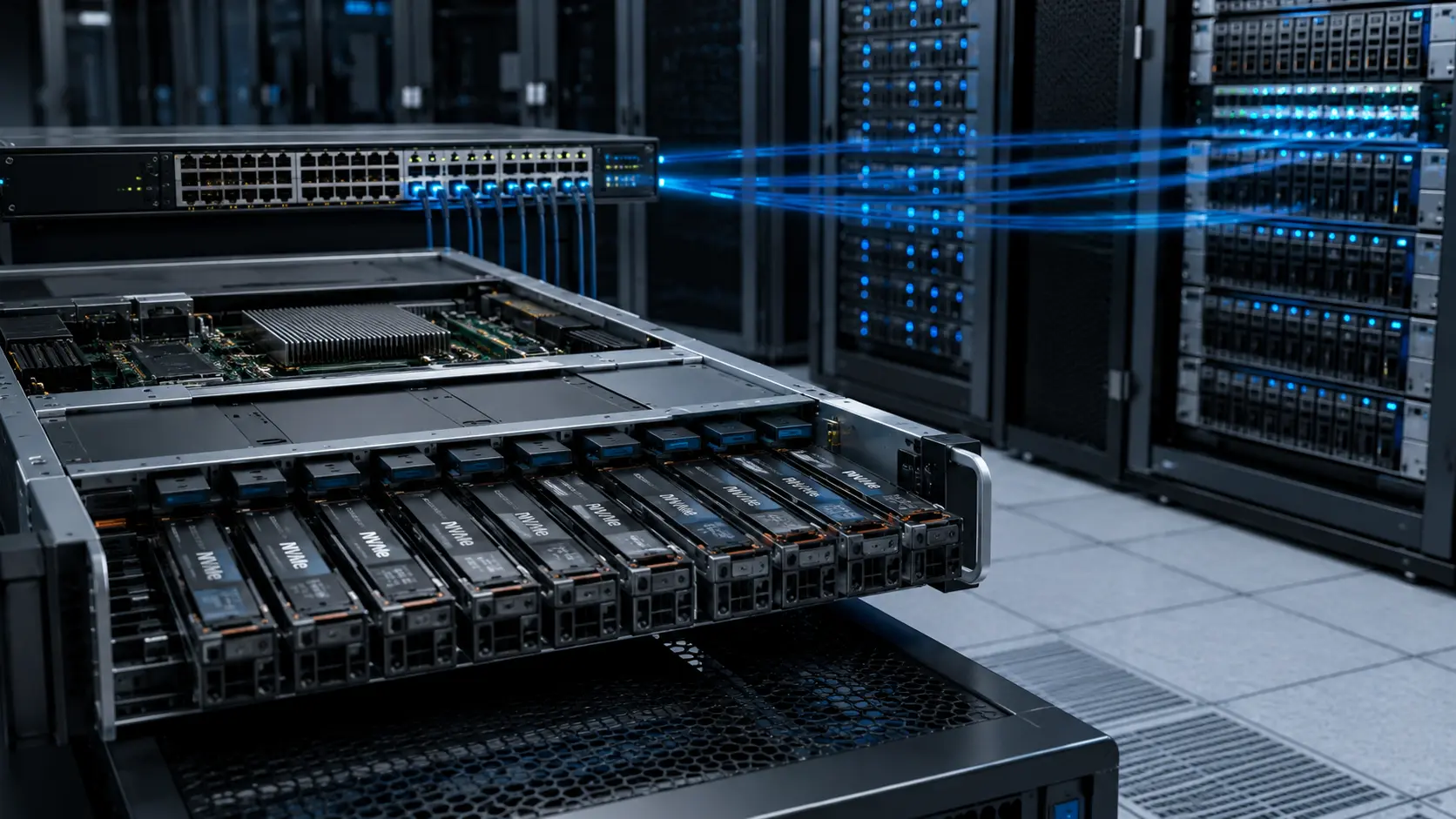
NVM Express: How storage became a network protocol
NVMe began as a more efficient protocol for accessing flash inside servers and developed into a family of standards that carries consistent queue, controller and namespace semantics over PCIe, TCP and RDMA. It makes storage easier to pool and compose while shifting complexity…

Global Institutional
UCIe's chiplet promise depends on engineering and accountability beyond the link
UCIe has pushed the die-to-die interface to 64 GT/s and added 3D packaging, raw data transport and whole-package management. The real test is whether these rules can support multi-vendor products when power delivery, thermals, yield, software, security and accountability still…

Global Institutional
UCIe’s chiplet promise extends beyond the link
UCIe has defined a die-to-die interface capable of 64 GT/s, 3D stacking, raw traffic and package-wide management. The decisive test is whether those rules enable multi-vendor products while power, thermal design, manufacturing yield, software, security and contractual…
Global Institutional
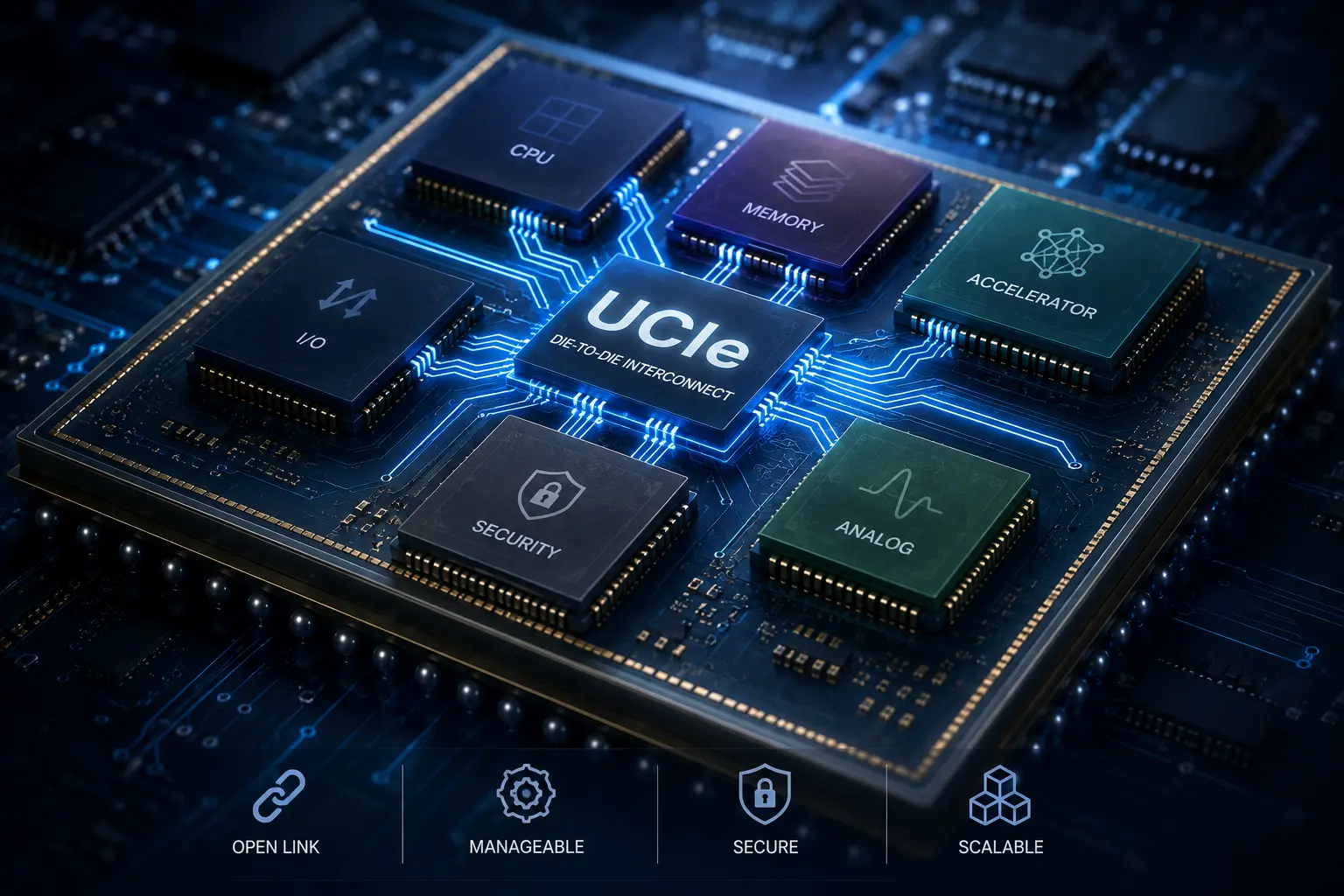
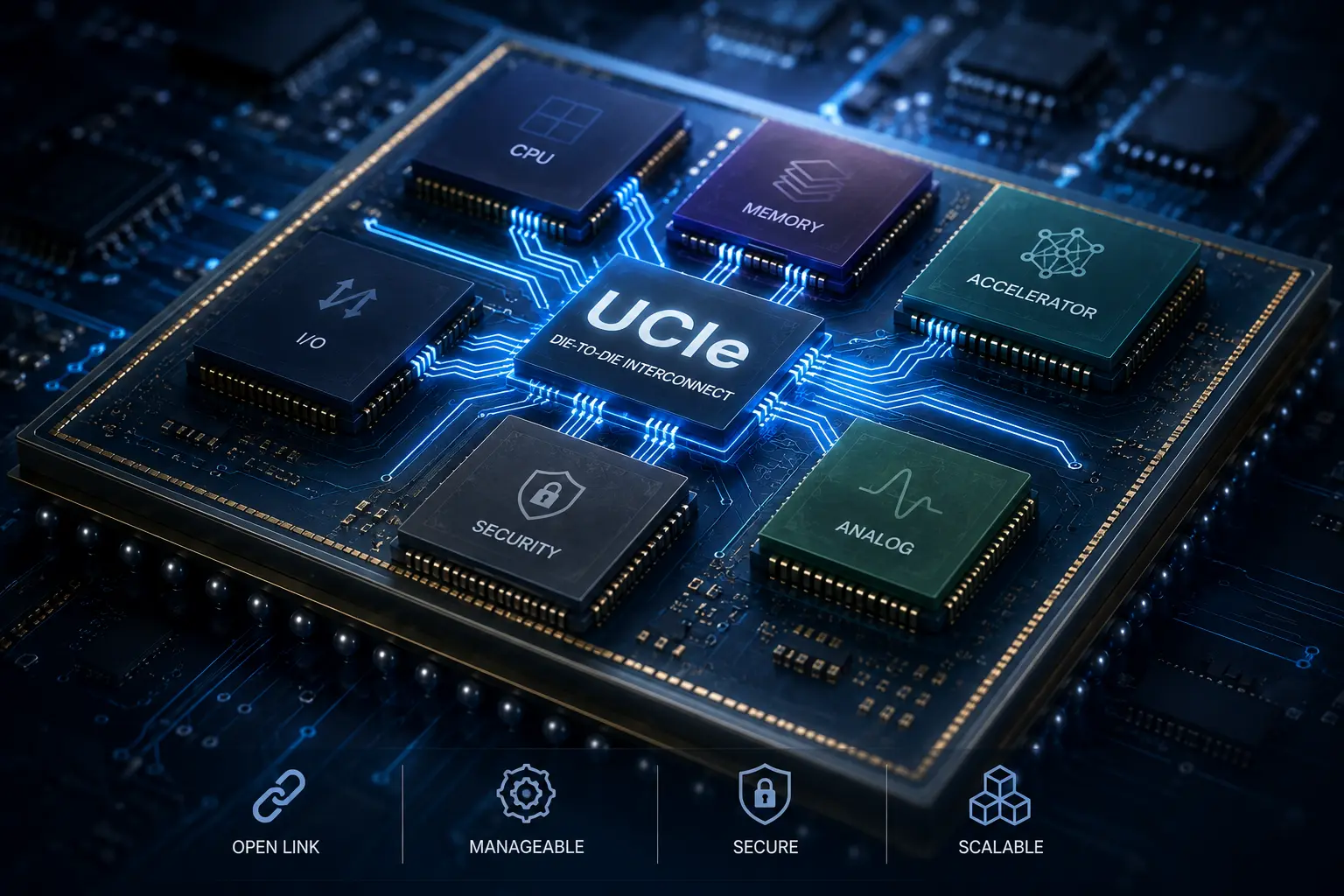
The promise of UCIe depends on what happens beyond the link
UCIe has defined an inter-chip interface that reaches 64 GT/s and already covers 3D packaging, raw traffic and whole-package management. The decisive test will be whether those rules can sustain multi-vendor products when power, thermals, manufacturing yield, software, security…
Global Institutional
UCIe’s chiplet promise depends on what happens beyond the link
UCIe has defined a die-to-die interface that reaches 64 GT/s and now covers 3D packaging, raw traffic and package-wide management. The consortium’s real test is whether those rules can support multi-vendor products when power, thermal design, yield, software, security and…

Global Institutional
PCI-SIG: The common rules inside AI servers
An AI server may combine processors, accelerators, network cards, storage controllers, switches, retimers and security devices from competing vendors. PCI-SIG maintains a common interface that lets these components be discovered, negotiate capabilities and exchange data, while…

Global Institutional
PCI-SIG: the internal rulebook of the AI server
An AI server can bring together processors, accelerators, network cards, storage controllers, switches, retimers and security devices from competing companies. PCI-SIG maintains the common interface that lets these components discover one another and exchange data, then organises…

Global Institutional
PCI-SIG and the internal rules of the AI server
An AI server can bring together processors, accelerators, network adapters, storage controllers, switches, retimers and security devices from companies that compete with one another. PCI-SIG maintains the common interface that lets these components discover one another and…

Global Institutional
PCI-SIG and the rulebook inside the AI server
An AI server may bring together processors, accelerators, network adapters, storage controllers, switches, retimers and security devices from companies that compete everywhere else. PCI-SIG maintains the shared interface that lets those parts find one another and exchange data…

Global Institutional
Console Connect: The Telecom Network Behind a Cloud-Style API
Console Connect presents global connectivity through the language of cloud consumption: choose endpoints, select capacity, create a service and manage it through a portal or API. Beneath that interface sits a more complicated system of carrier backbone, data-centre ports, local…

Creators
Steven Bellovin and the security questions that escaped the network
Steven M. Bellovin began by testing the claims computers accepted from packets: source addresses, routes, sequence numbers and names. His later work applied the same suspicion to institutions, asking what systems make the public trust when governments demand access, companies…
Global Institutional
Caliptra and the root of trust inside the data-centre chip
Modern servers contain several chips that boot code, hold keys and enforce policy before the host operating system is awake. Caliptra gives those components a common open root of trust, but factories, provisioning systems, physical implementations and fleet verifiers still decide…

Creators
Ion Stoica and the abstractions behind distributed computing
Distributed systems fail when software assumes machines are interchangeable. Ion Stoica’s work repeatedly moves complexity behind a narrower abstraction—from packet-carried state and Chord to Mesos, Spark, Ray and cross-cloud placement—then tests how much operational, economic…
Global Institutional
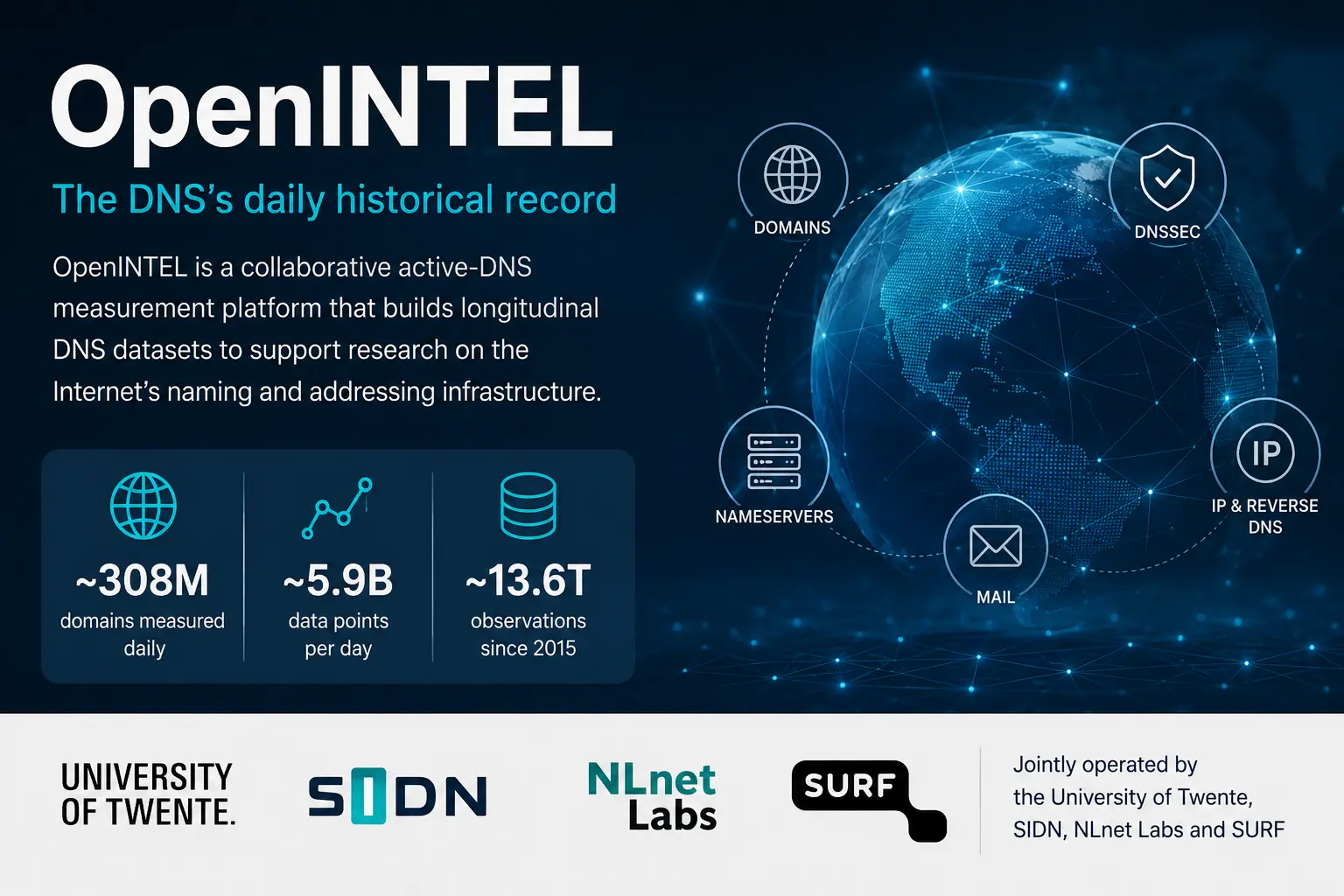
OpenINTEL built a memory for the DNS—not a copy of it
The Domain Name System answers current questions and preserves little of its own history. OpenINTEL has built a longitudinal record by repeatedly measuring a defined set of domains and address space, creating unusual research value while leaving user demand, resolver behaviour…