
Primary Domain
Internet Infrastructure
Within the Primary Domain facet, Internet Infrastructure intelligence groups reporting by primary domain so readers can follow a focused area of internet infrastructure, governance, connectivity markets, or digital capital. The page brings together related articles, public evidence, institutions, companies, people, regional exposure, operating dependencies, and market context that may otherwise sit across separate category pages. It explains the domain, the likely actor class, the market or governance context, and the source material readers should use when comparing signals. Operators, analysts, and governance readers can see how the same domain appears across events, profiles, market shifts, public-source evidence, regional dependencies, and longer-cycle infrastructure decisions over time.
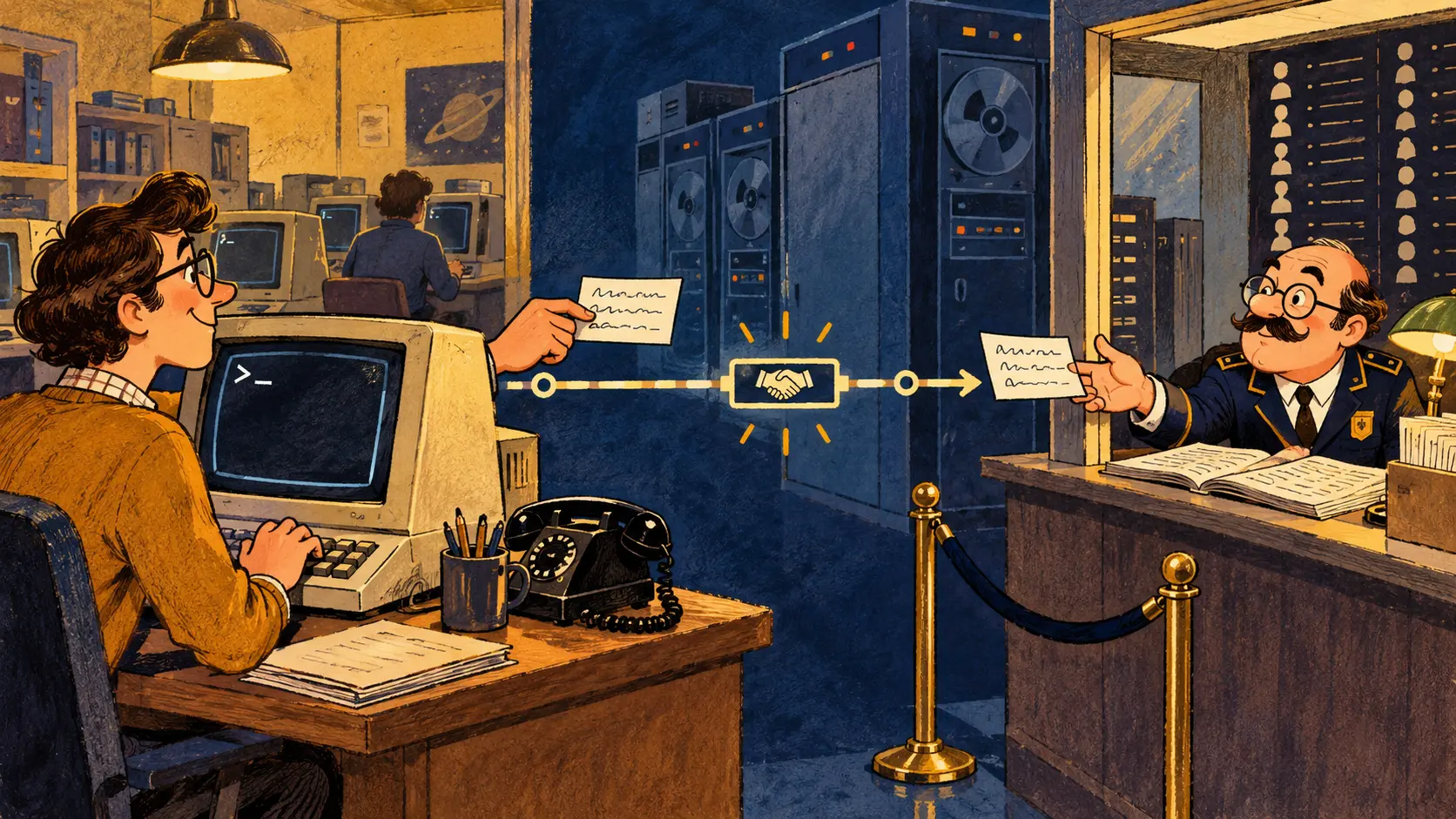
History
The Remote Host Knew the Site. Telnet Offered Your Desk.
In 1981, a remote computer might know that someone logged in from another institution and little more. A Telnet option offered a human detail: a location string that could help a colleague find the user's room or telephone.
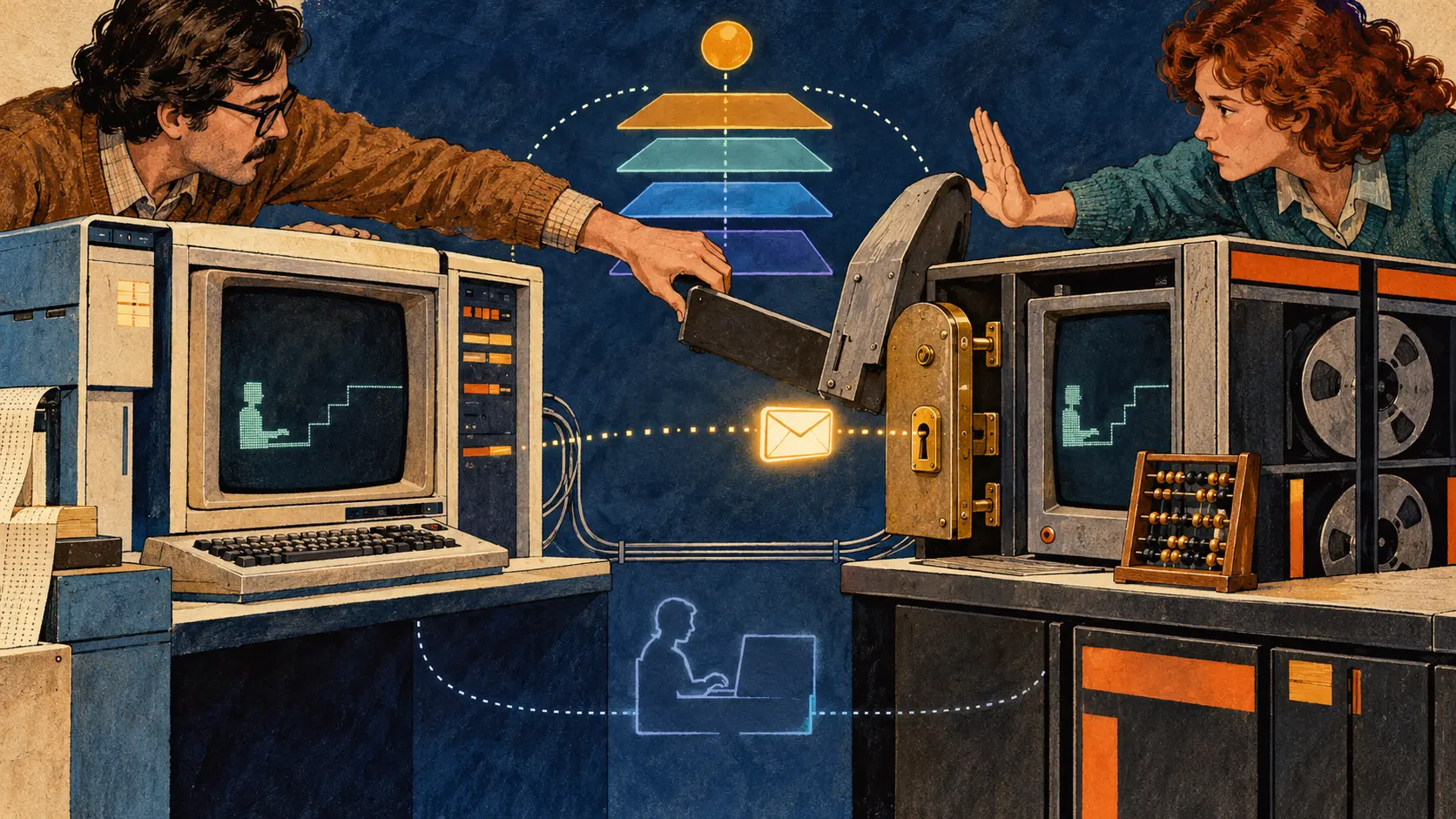
History
The Network Model Met an Operating System. The Operating System Said No.
An elegant mail shortcut ran into an inconvenient host in 1982: remove a login step to spare recipients a charge, and another system loses an authentication step. RFC 871 made that collision part of the ARPANET’s design story.
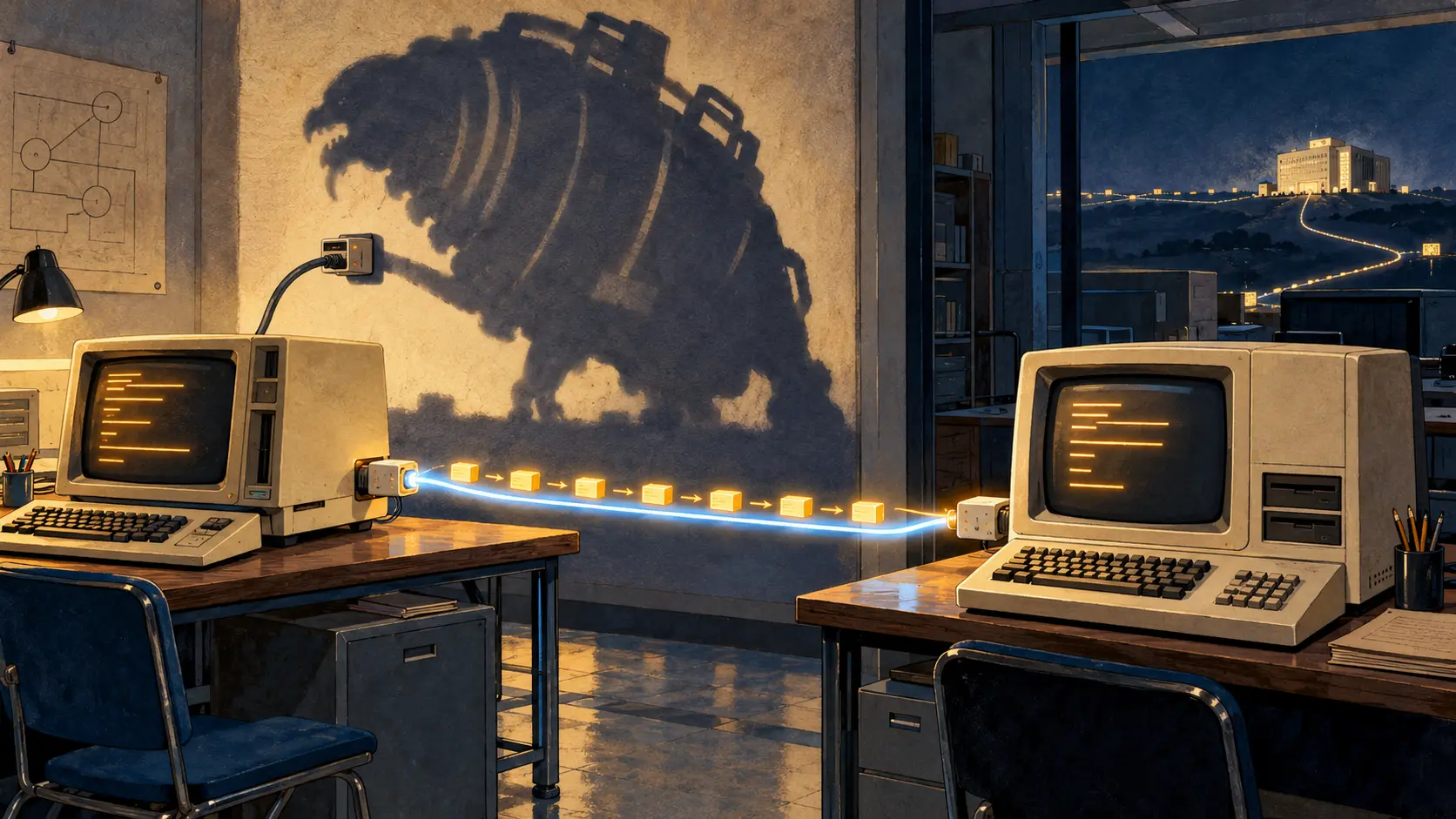
History
The LAN Was Fast. The TCP Monster Lived in Their Heads.
In 1982, engineers worried that TCP was too heavy for a quick local network. Michael Padlipsky followed the fear back to the job the computers were actually doing. The cable had one set of properties; the application still had its own demands.
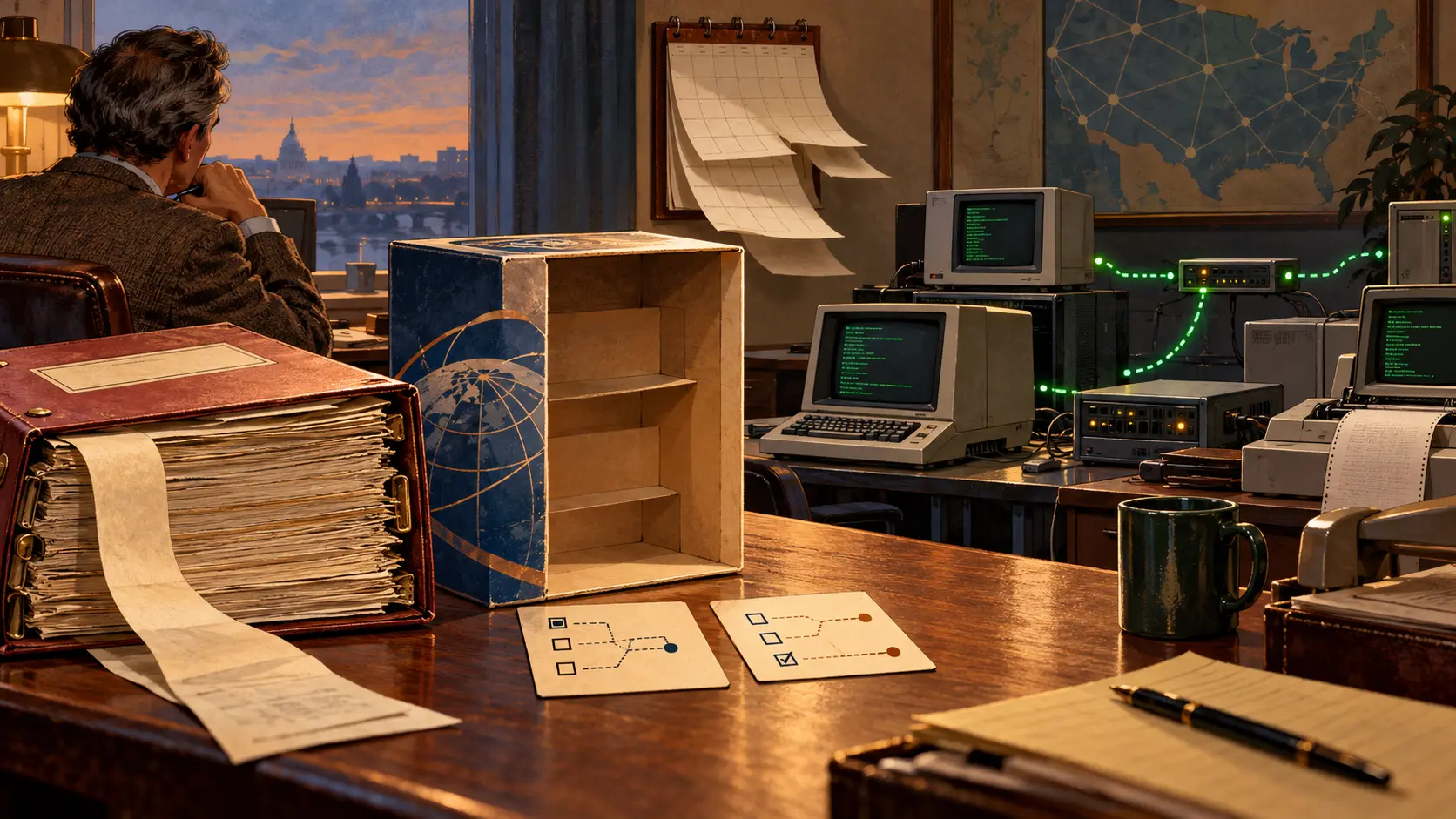
History
The Vendor Promised a Protocol Suite. The Purchase Order Needed One Now.
In 1982, the U.S. Defense Department could buy networking systems sooner than a promised standards suite could be finished. Michael Padlipsky asked who would pay when a reassuring vendor label failed to make two machines talk.
IETF
Your AI Found a Gateway. Who Put It There?
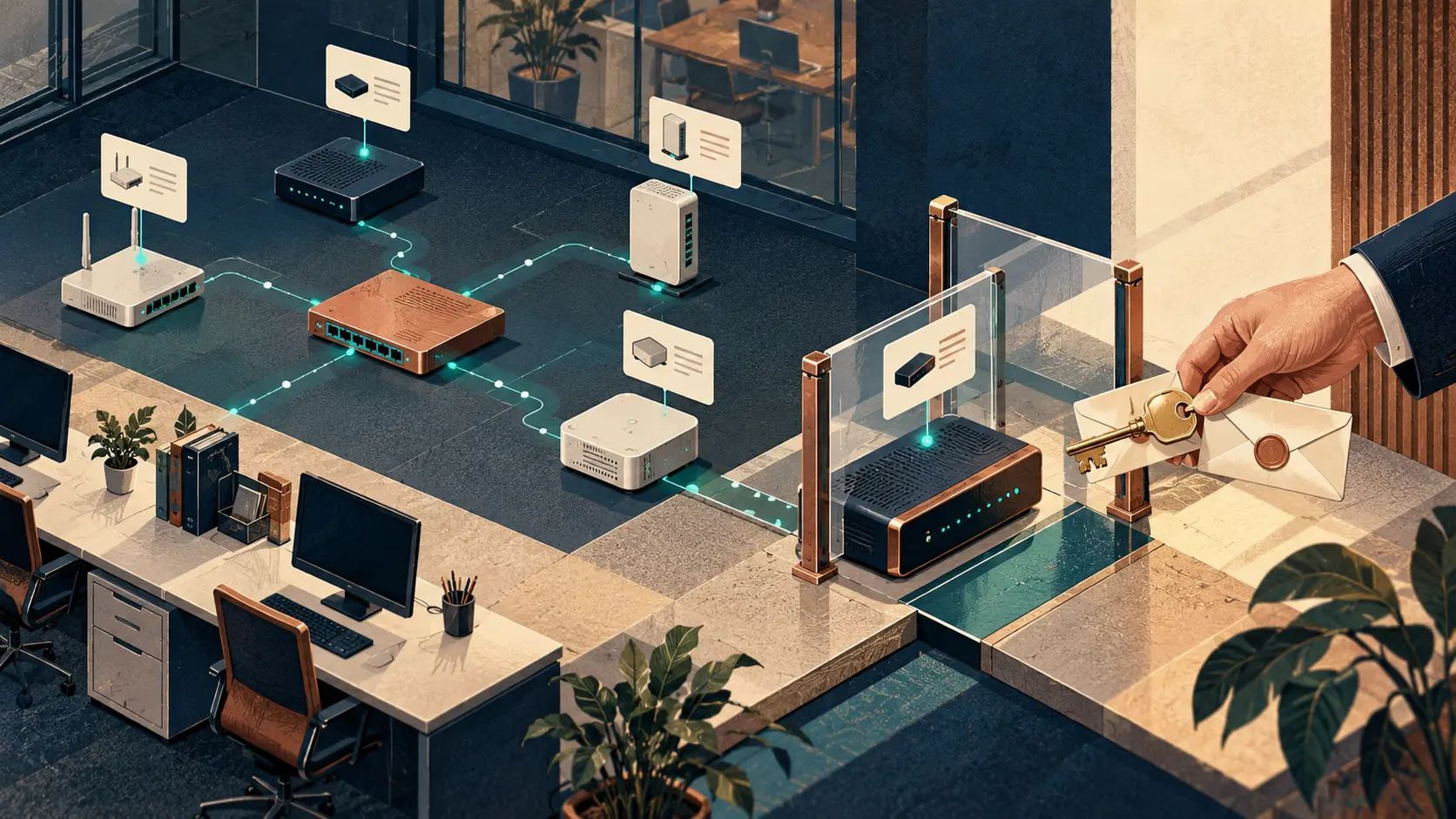
A new IETF individual draft would let AI clients find a gateway on the local network and read its address, path and advertised capabilities. The awkward part arrives one beat later: discovery can point to a machine, but the client still has to decide who gets the API key.
History
The Network Experts Took Their Papers on the Road
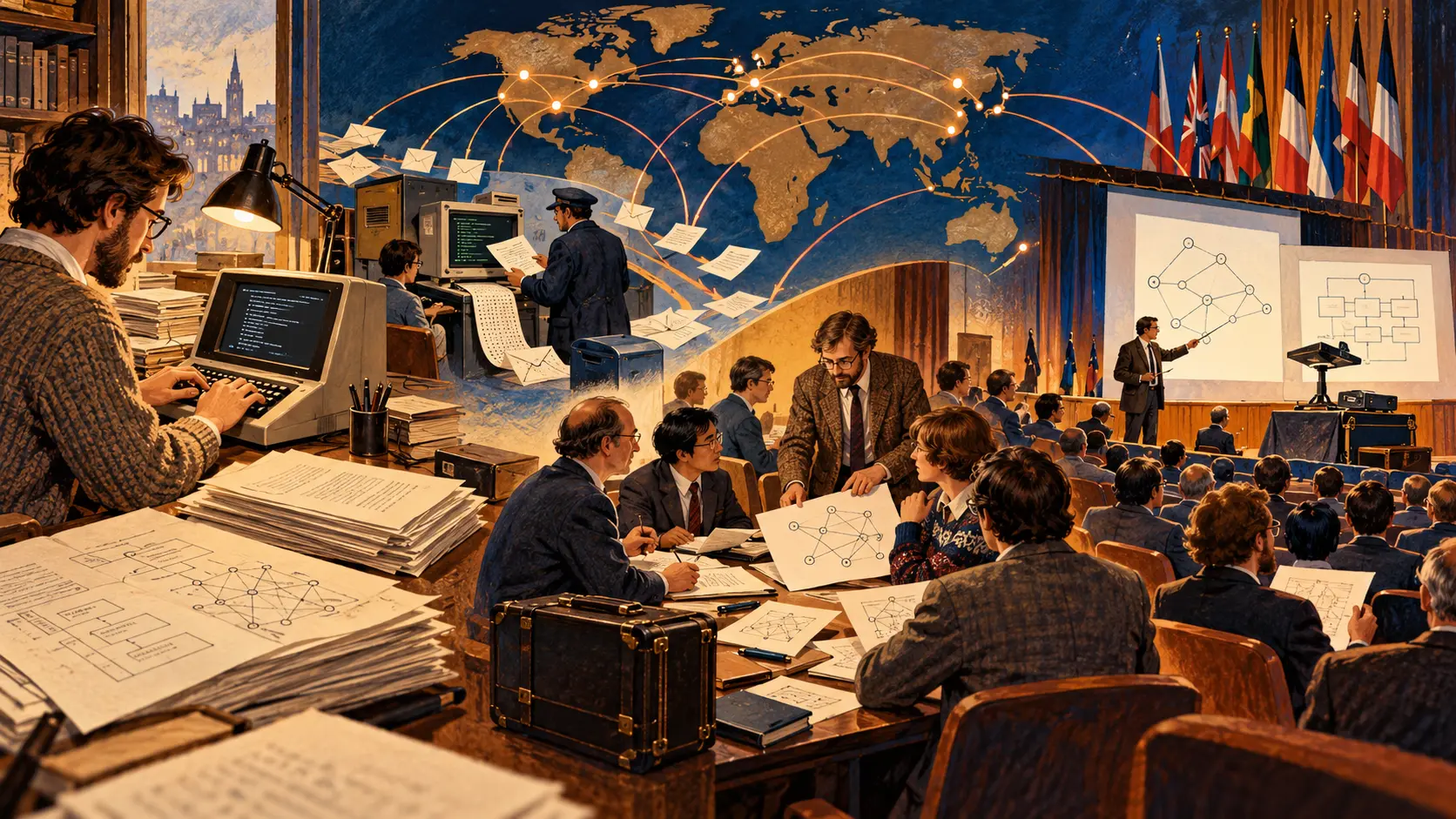
In 1982, the traffic that mattered to one international network group was often a draft in the mail, a workshop argument or a suitcase full of conference papers. The wires came later in the story.
History
Cronus Told IP: Don’t Look Down, We’re Changing the Network
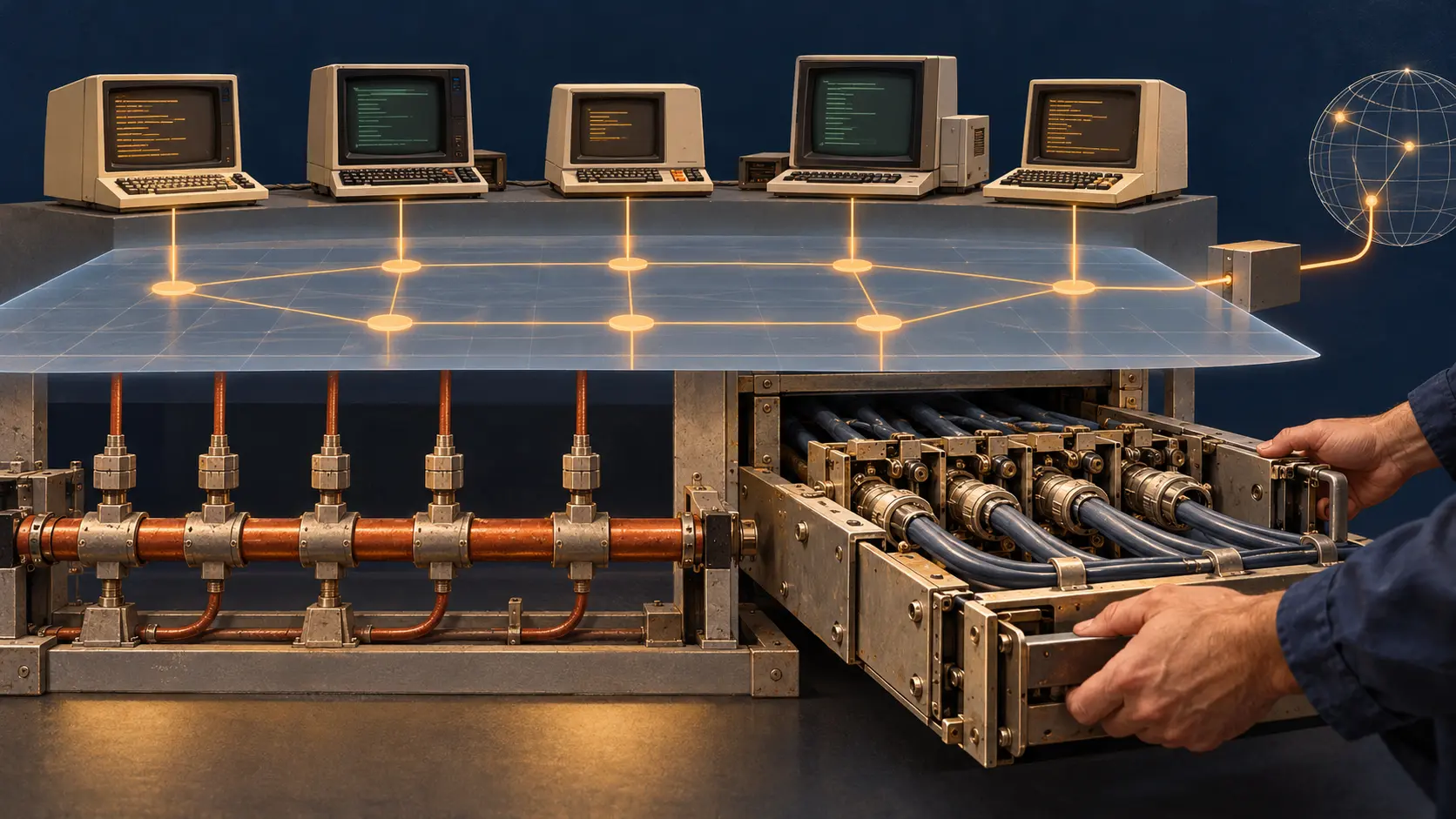
In 1982, a distributed-system design made a wonderfully practical bargain: keep the Internet-facing interface steady, and let the local network underneath change its shoes.
Asia-Pacific Institutional Trends
A hundred gigabits that stay in Nepal — and the missing number that would make it mean something
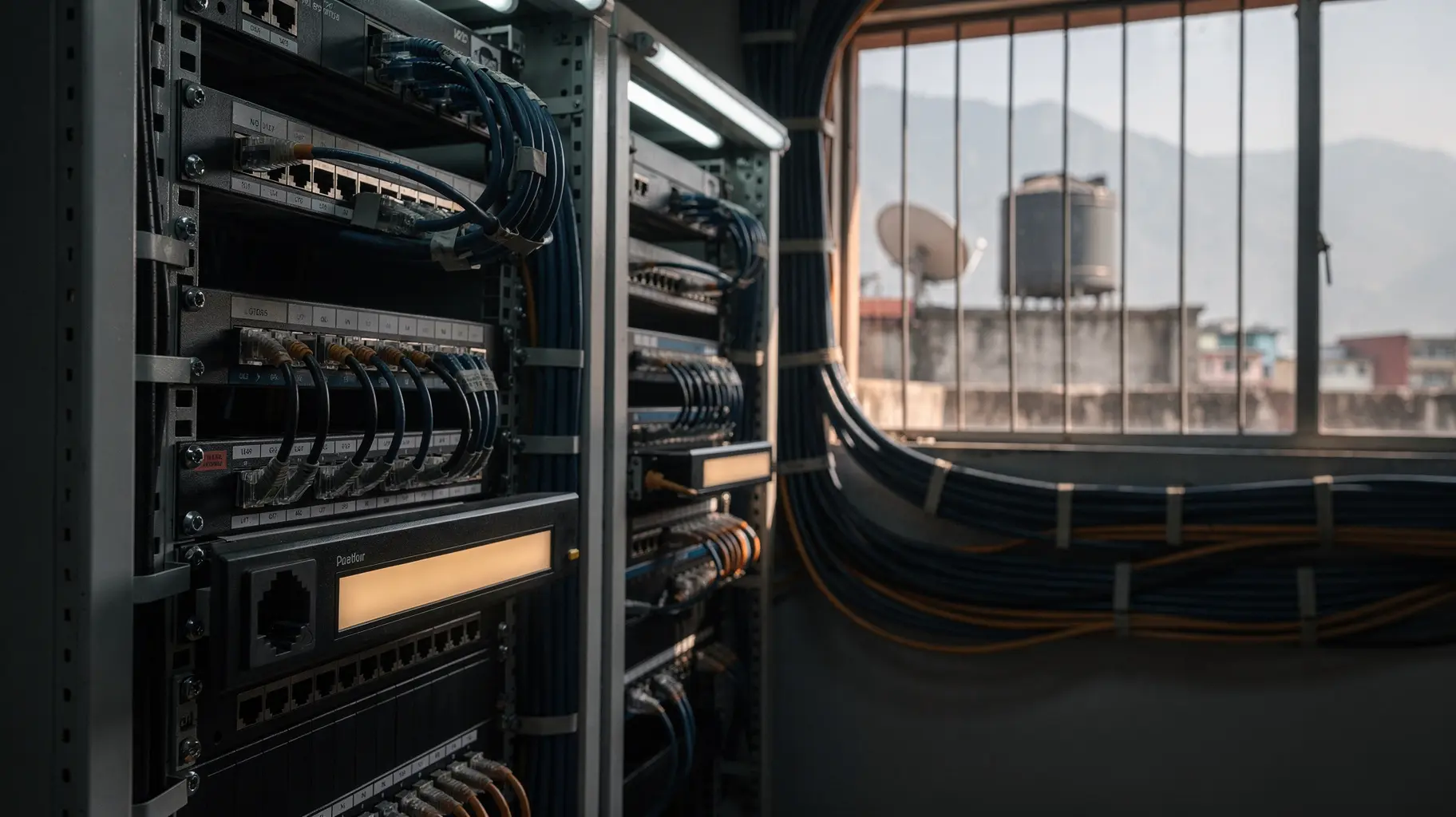
NPIX says it crossed 100 Gbps of traffic swapped inside Nepal in April 2026, and that the level looks stable rather than spiky. The retained record still supplies no denominator or port count, and its provider summaries conflict — one reports more than 40 entities, a later one…
History
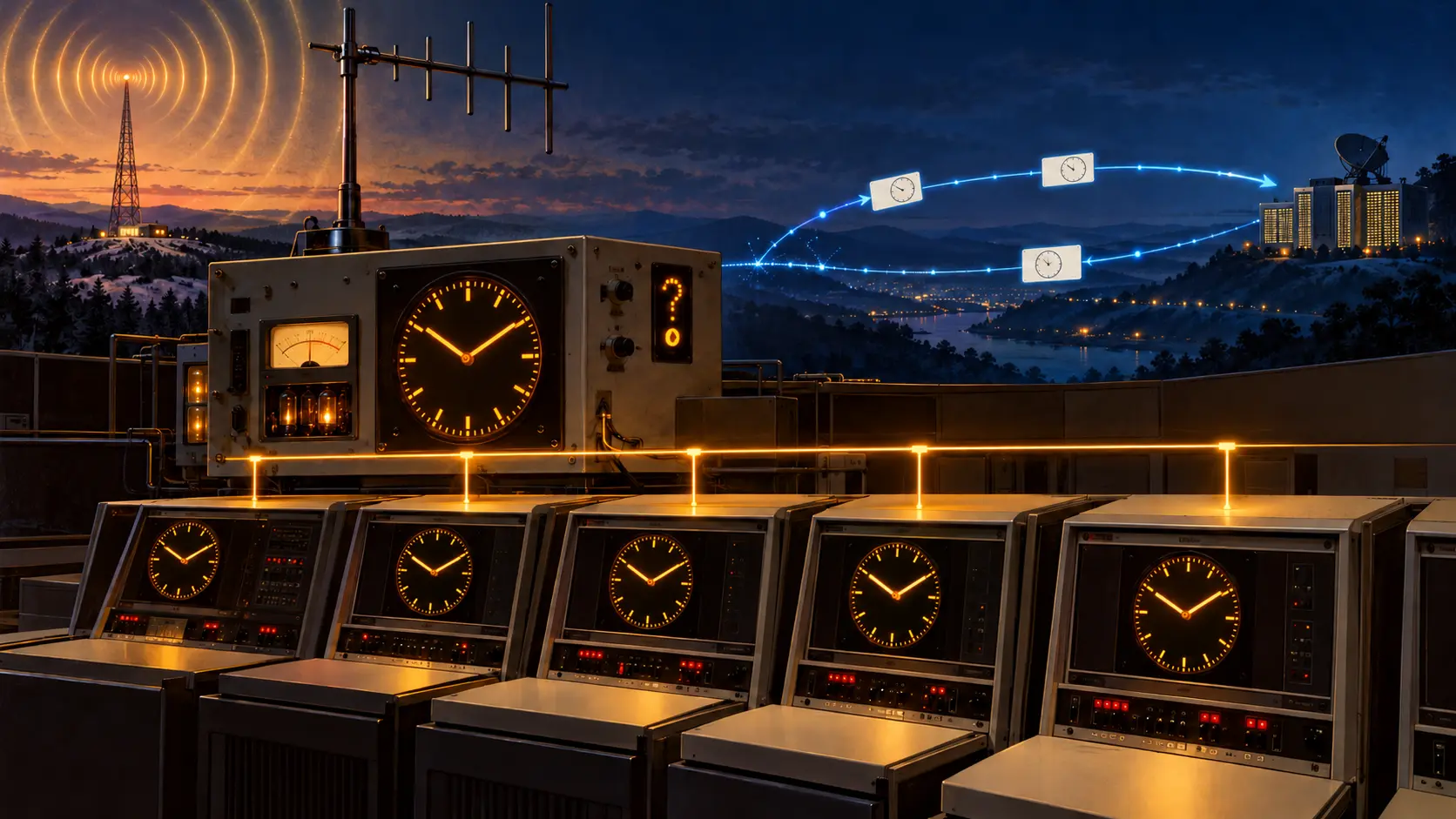
The Radio Clock Was Right. The Host Was Still Late.
In 1981, DCNET offered Internet hosts a clock tied to a radio signal. Its own memo also told operators where to find the offsets, the delay and the little question mark that could spoil the reading.
History
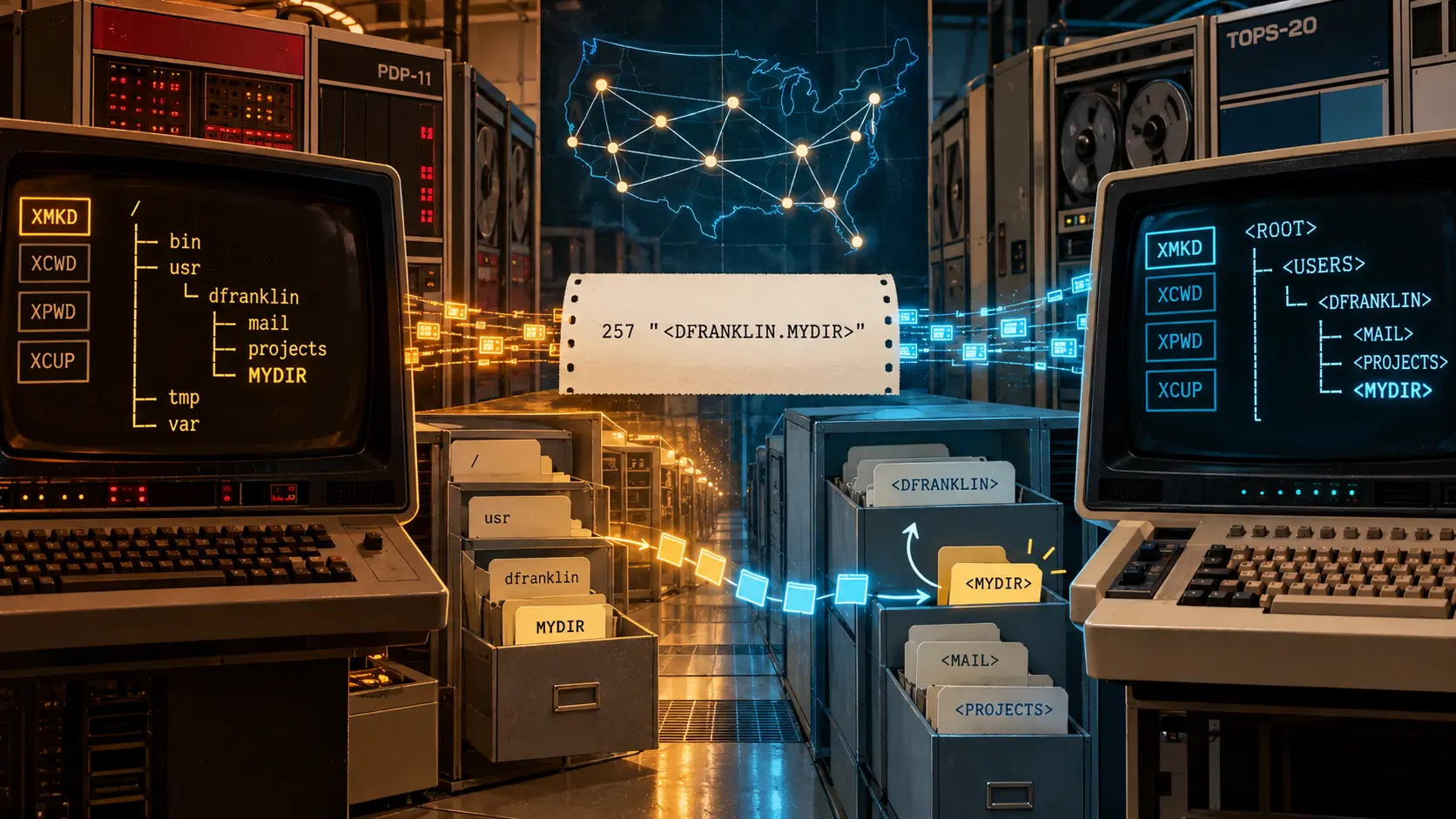
FTP Made a Folder. Then It Forgot What You Called It.
In 1980, a newly created remote directory could refuse the very name its creator had just typed. RFC 775 made the server answer with the name that actually worked.

History
The Key Looked Random. The Clock Had Given It Away.
In 1994, Internet engineers spotted a wonderfully bad bargain: a computer could print a formidable secret while giving its adversary only a few plausible starting guesses.

Europe and Middle East Institutional Trends
OpenCAPIF Found the API Neighbour’s Door. Release 5 Brought a Clipboard.
ETSI’s OpenCAPIF 5.0.0 lets separate CAPIF deployments exchange service APIs. The interesting part is the guest list: peer identity, provider consent, visibility rules and a paper trail for every API that crosses the boundary.
History
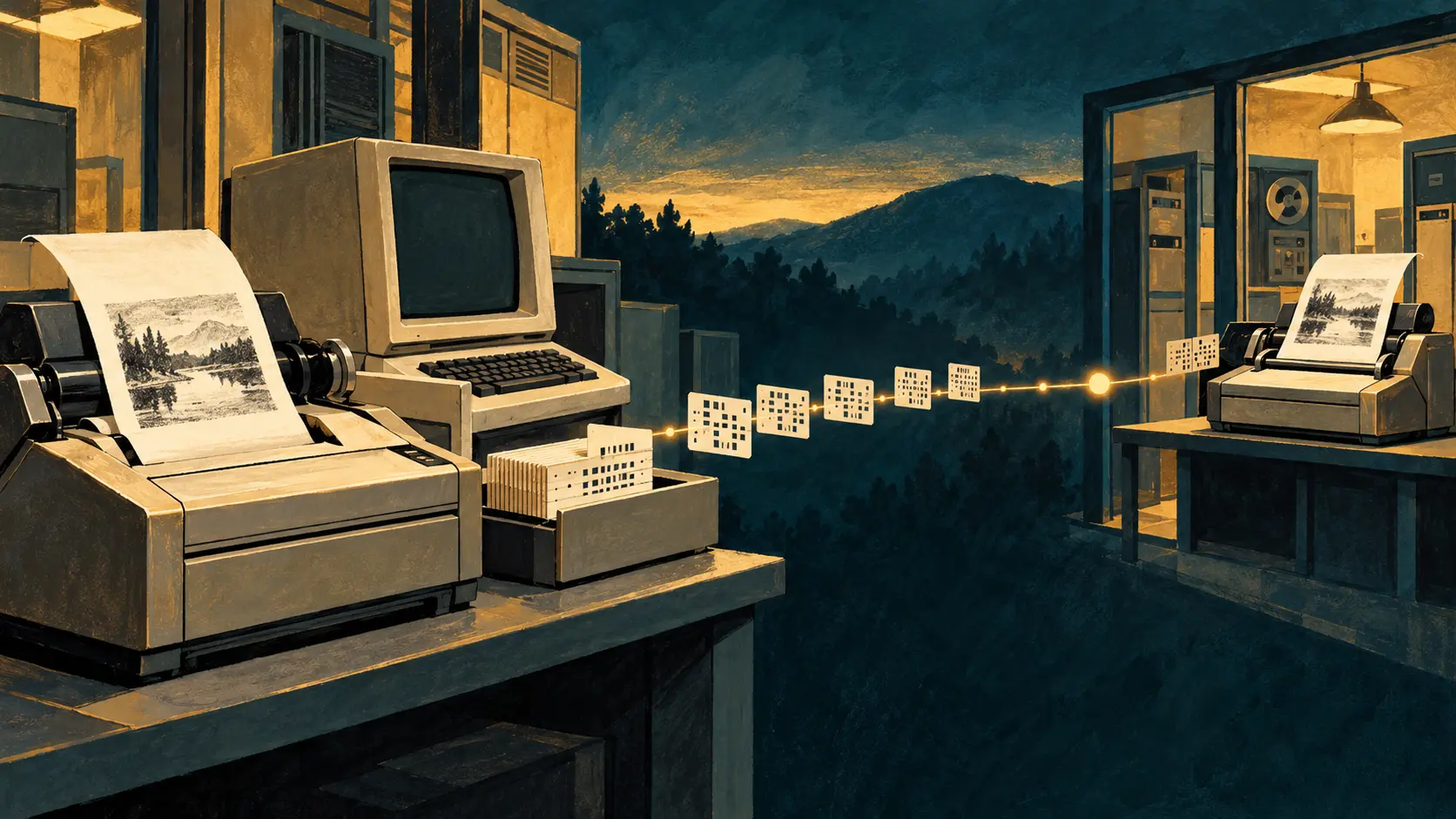
The Internet Carried the Fax. The Decoder Stayed in the Machine.
In 1980, Jon Postel wrote down how to move a fax page as a file. The network could carry the bytes; reading them still required the right appliance.

History
The Thief Sampled One TCP Number. The Next Door Had Another Starting Line.
In the 1990s, one ordinary connection could help predict the first number of a forged one. RFC 1948 kept the clock moving but gave each pair of endpoints a secret offset.

History
After 24 Days of Silence, TCP Had to Forget Its Last Clue
A timestamp kept old packets from masquerading as new ones on fast links. Leave the connection quiet long enough, though, and the watchlist itself could become the problem.
CASE FILE
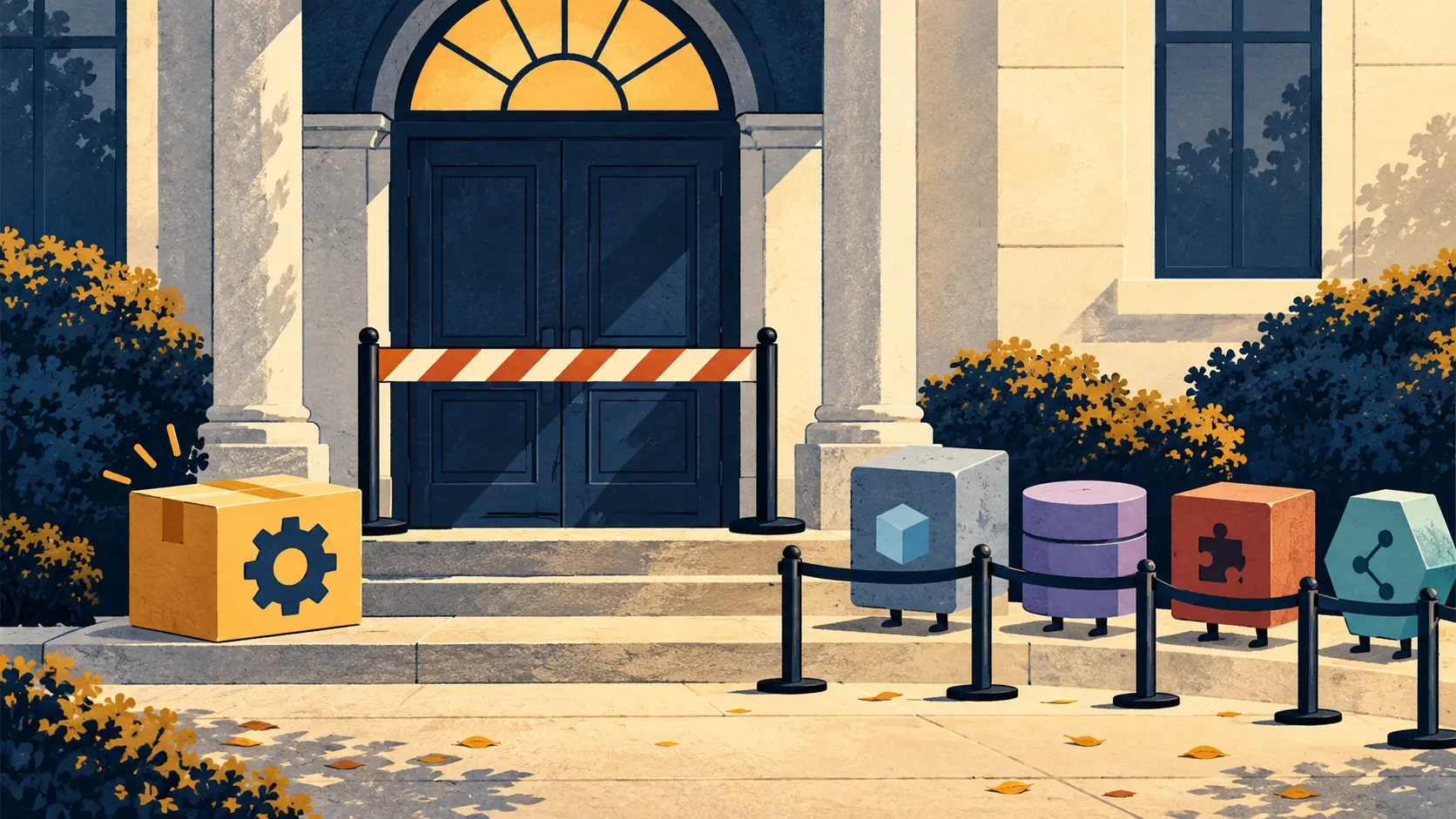
PHP Fixed the Bug. RIPE’s Websites Still Had to Wait Their Turn.
RIPE NCC took its Academy, the NRO site and the ASO site offline after two critical PHP flaws surfaced. The status log turns the response into a practical sequence: close, patch, wait for dependencies, reopen.

History
TLS Knocked on Port 80. The Web Had Already Named Door 443.
In 2000, an RFC offered to put plain and encrypted HTTP through one entrance. The plan was clever. Its own authors recorded how little appetite generic Web browsing had for moving away from the other door.
History
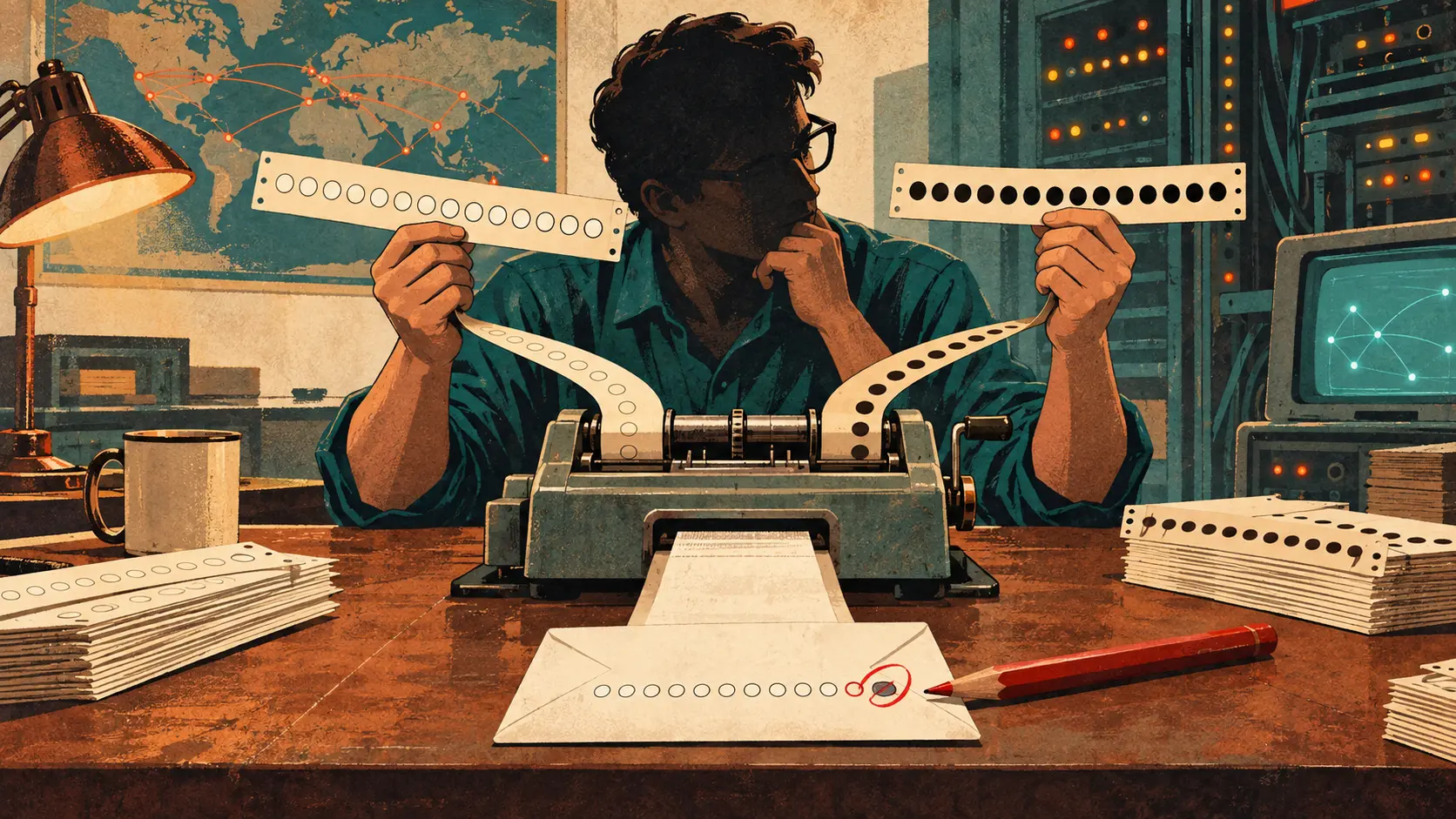
The Internet Had Two Zeros. A Checksum Shortcut Picked the Wrong One.
For years, a fast way to update an IP header checksum looked like tidy arithmetic. A packet test found the catch: in this arithmetic, zero has a twin.

History
TCP's Receiver Checked the Box, Then Kept the Right to Bin It
A selective acknowledgment could tell the sender which later bytes had reached the far end of a broken sequence. The receipt came with a surprising footnote: the receiver could still clear its tray.
History
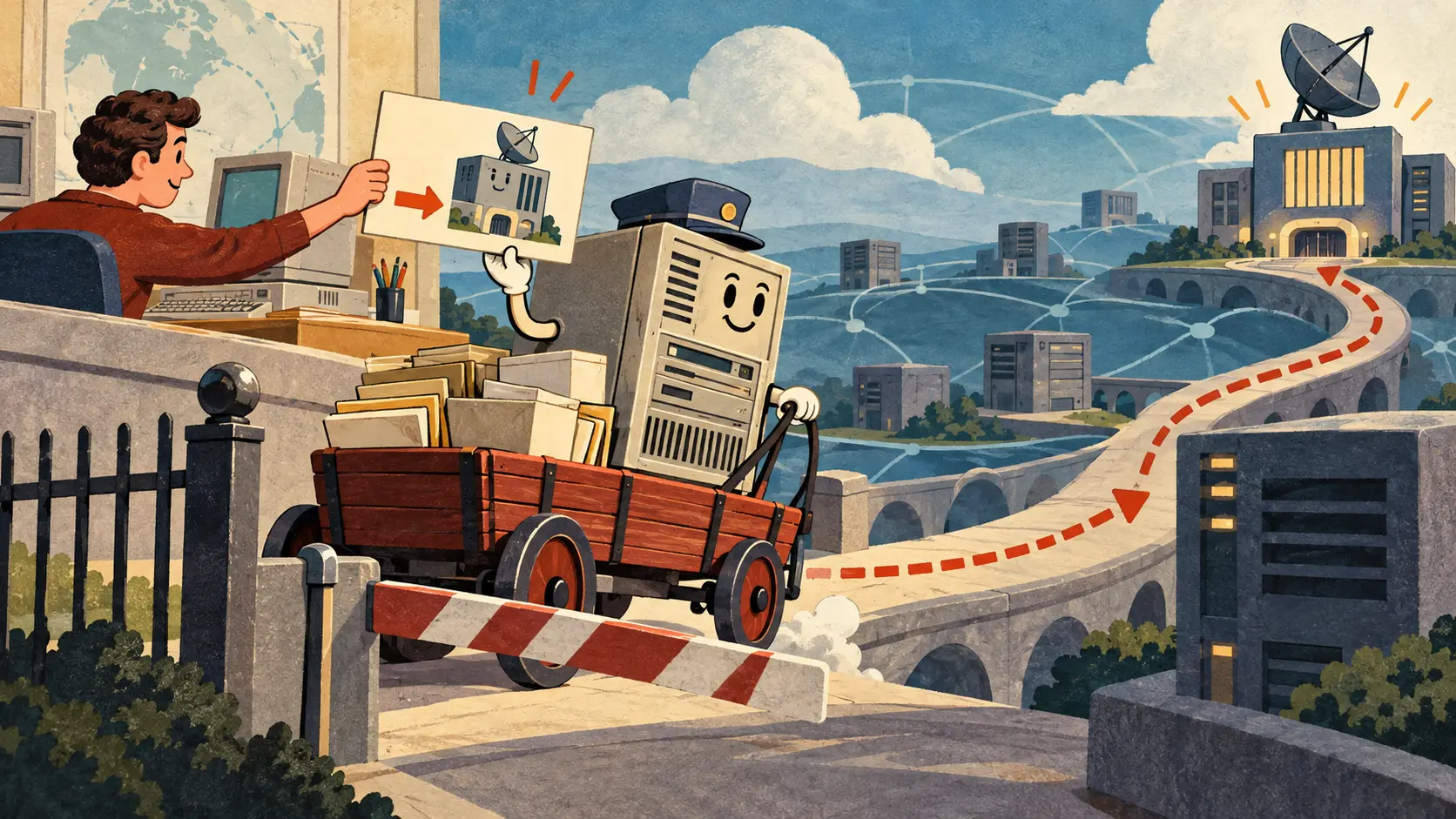
FTP Let a Customer Send the Courier to Someone Else's Door
A convenient 1985 shortcut let two servers move a file without routing it through the client. By 1999, the destination card in that arrangement had become a security problem.