
Primary Domain
Infrastructure
Within the Primary Domain facet, Infrastructure intelligence groups reporting by primary domain so readers can follow a focused area of internet infrastructure, governance, connectivity markets, or digital capital. The page brings together related articles, public evidence, institutions, companies, people, regional exposure, operating dependencies, and market context that may otherwise sit across separate category pages. It explains the domain, the likely actor class, the market or governance context, and the source material readers should use when comparing signals. Operators, analysts, and governance readers can see how the same domain appears across events, profiles, market shifts, public-source evidence, regional dependencies, and longer-cycle infrastructure decisions over time.
North America Cloud Services Trends
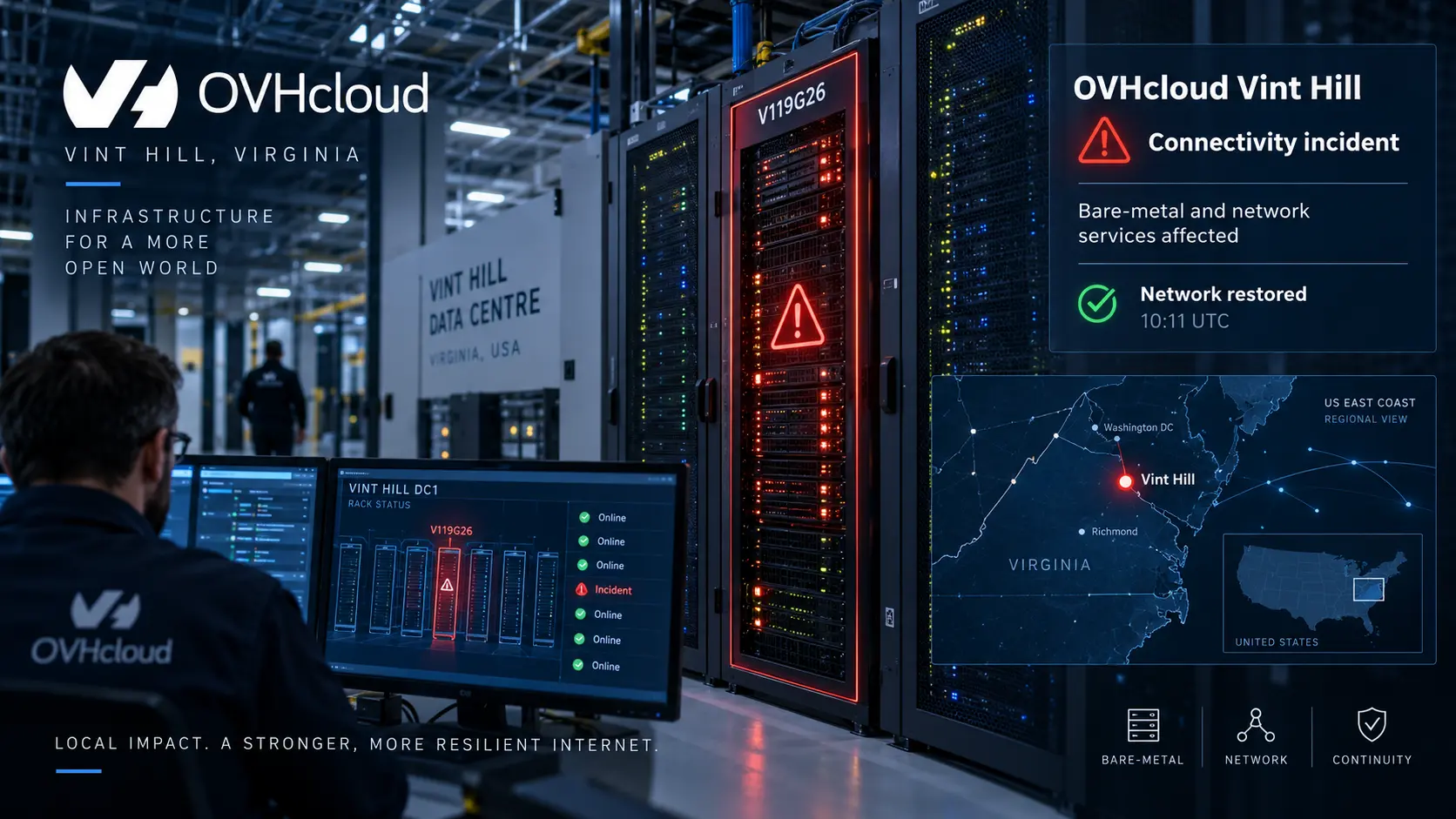
OVHcloud restores connectivity after Vint Hill rack fault
OVHcloud restored connectivity at its Vint Hill data centre after a network fault linked to one rack affected bare-metal and network services.

Asia-Pacific Institutional Trends
Papua adds temporary broadband at Lake Sentani Festival
Papua and Telkom used three load-balanced IndiBiz links to support connectivity during the Lake Sentani Festival.

Asia-Pacific Datacenter Trends
LG Uplus forms alliance for 100MW modular AI data centres
LG Uplus and four construction partners will develop modular designs for 100MW-class AI data centres and conversions of existing buildings.

Asia-Pacific National Telecom Trends
XLSMART Surabaya 5G exceeds 1,200 base stations
XLSMART says more than 1,200 5G base stations support Surabaya, while its national footprint now covers over 50 cities and regencies.
Asia-Pacific National Telecom
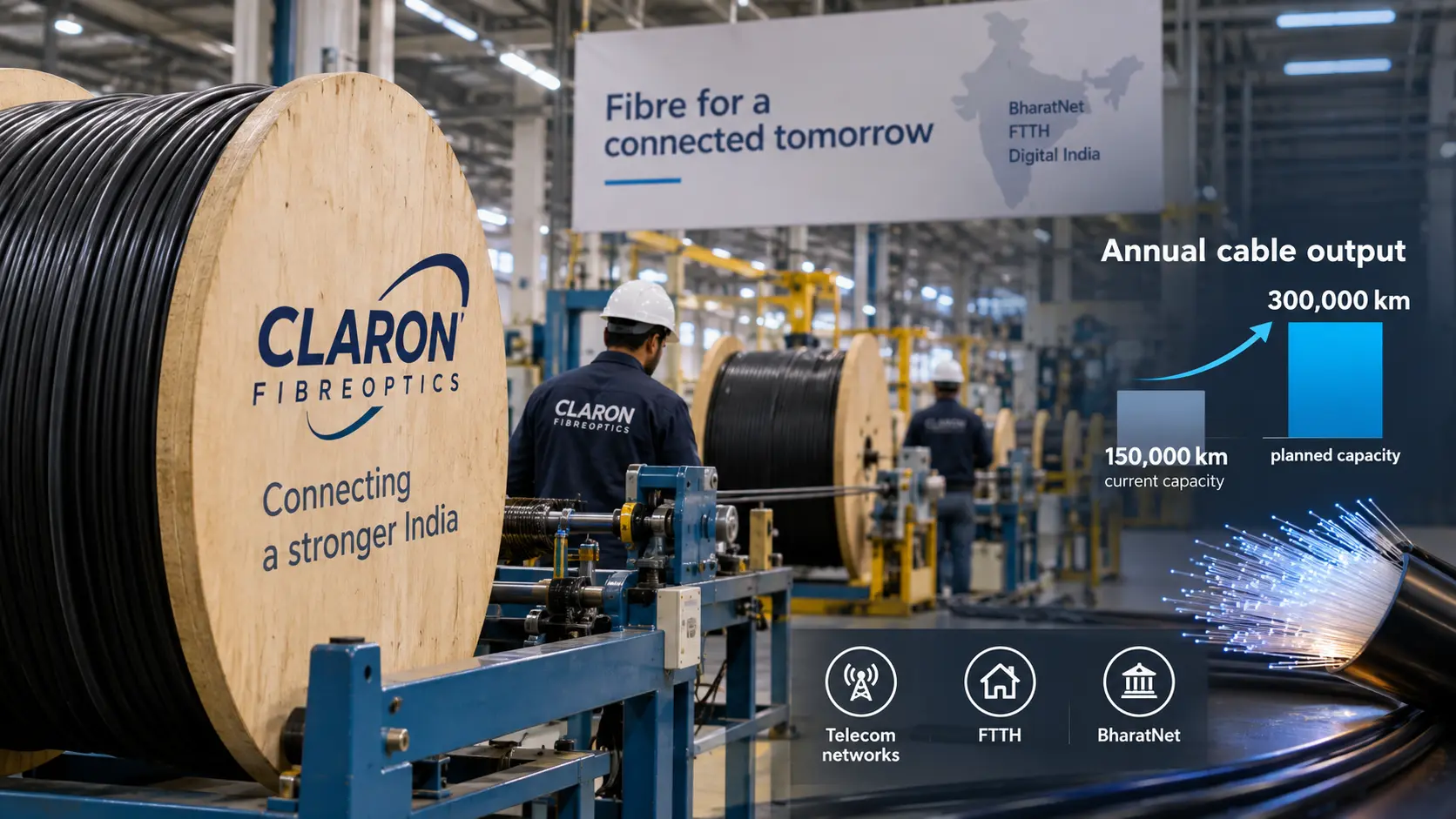
Claron Fibreoptics targets 300,000km cable output
Claron Fibreoptics plans to double annual optical-fibre cable capacity to 300,000km over the next year as it targets BharatNet and FTTH demand.

Story
RIPEstat Is Rebuilding Routing History to Enable CSP. The New View Needs a Parity Record
A safer browser should not leave an operator wondering whether a changed graph reflects changed routes or changed presentation. RIPE NCC has a sound reason to replace legacy RIPEstat visualisations. Routing History is precisely where the migration needs a small public receipt…

Asia-Pacific National Telecom
Jio marks 10 years with 533.3 million subscribers
Jio marks a decade with 533.3 million subscribers and a network spanning 4G, 5G, fibre, and fixed wireless.

North America Institutional Trends
SPP keeps East grid under Resource Advisory
Southwest Power Pool kept its East Balancing Authority Area under a Resource Advisory through 6 September amid severe heat and potentially higher electricity demand.

North America Institutional Trends
NOAA reroutes GOES data after NWAVE outage
A 2-hour 13-minute NWAVE outage disrupted GOES-18 and GOES-19 data distribution before NOAA rerouted the feed through WCDAS.

North America Cloud Services Trends
Azure Databricks reports two Central US compute incidents
Two Central US incidents disrupted Azure Databricks cluster starts, notebooks and jobs on 5 September, with both services later restored.
History
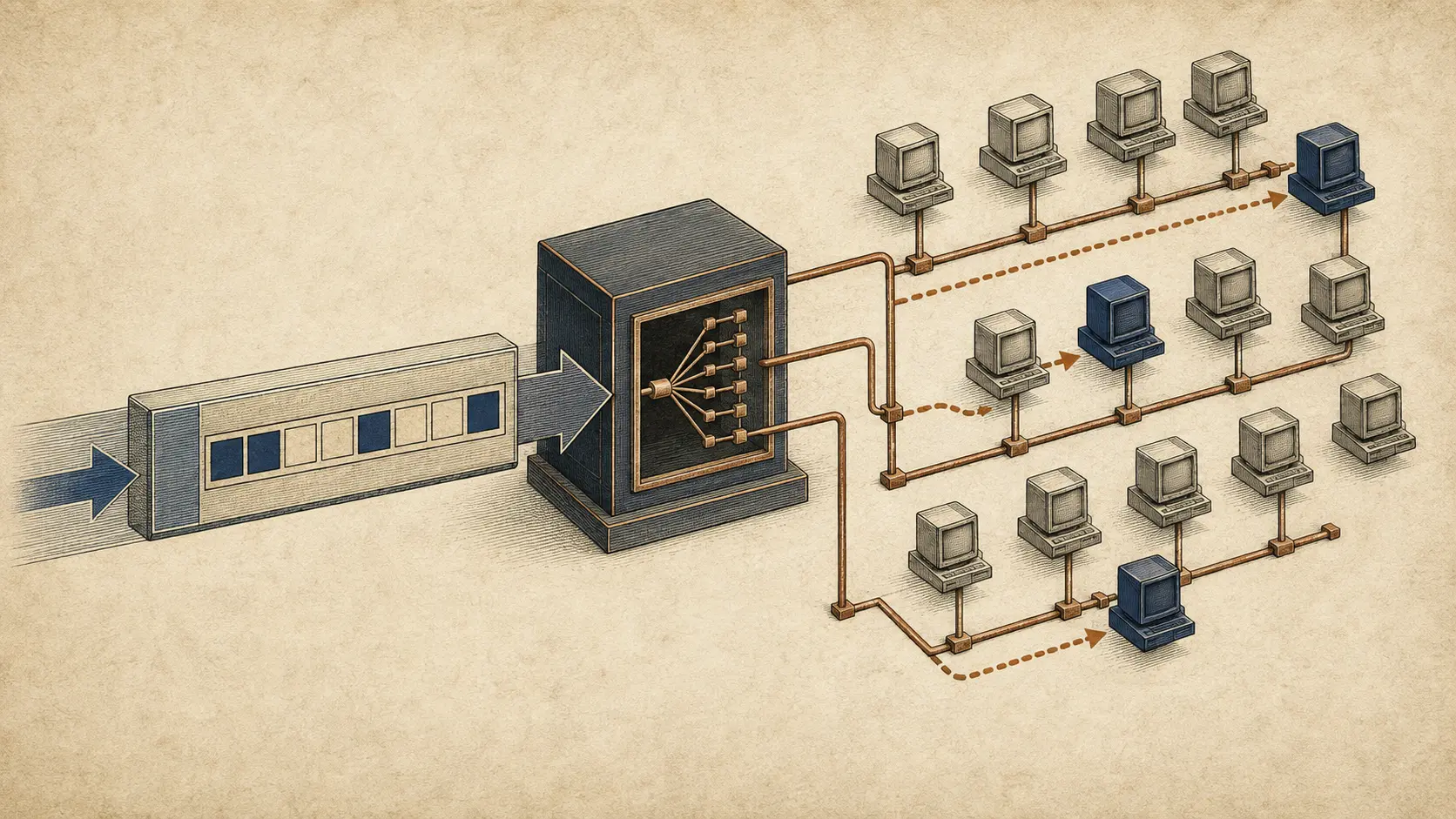
The Broadcast Packet That Carried Its Own Guest List
One UDP datagram approached a remote subnet as a broadcast, yet it carried a private instruction inside its IPv4 header: these hosts may listen; the others must stop. Selective Directed Broadcast Mode tried to make the packet itself serve as a temporary membership list.

CASE FILE
The Algorithm Name Matched. The Hash Receipt Did Not: RFC 9861
KangarooTwelve and TurboSHAKE give operators fast, extendable cryptographic output, but the label on a library call is only the beginning of the evidence. Reproduction depends on the exact function, byte stream, domain or customization input, output length and execution path that…

History
The Future Protocol That Hid Inside an IPv4 Option
EIP's version field looked backward while its address space looked forward. RFC 1385 kept the familiar IPv4 header so an old machine would see an ordinary packet with an option it did not understand—and, ideally, keep forwarding it.
History
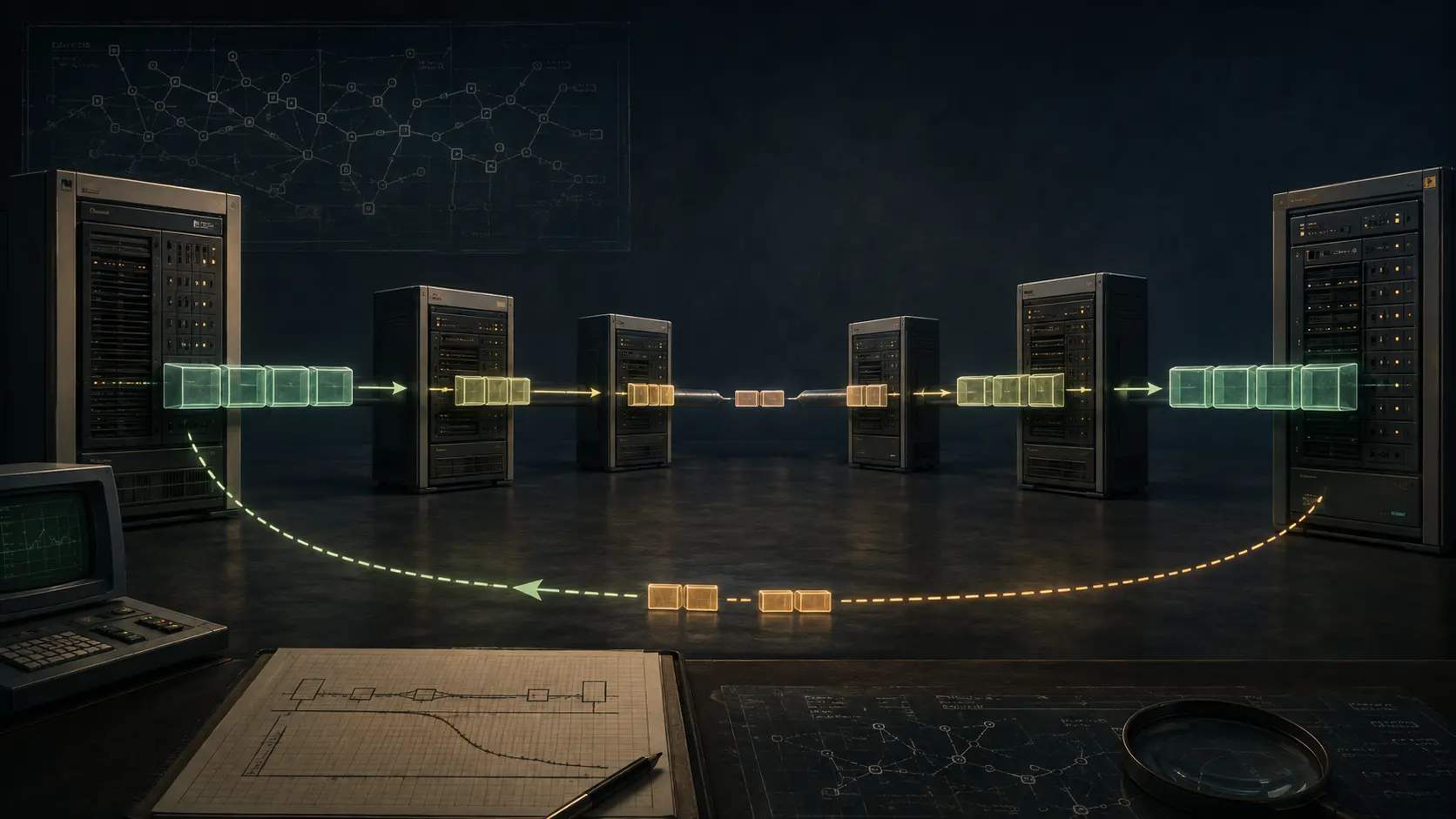
The Four Bytes That Asked Every Router for Its Narrowest Link
Before Path MTU Discovery learned from failure, an IPv4 packet could carry a tiny writable question. Each router was asked to compare two links and leave behind only the smallest number it had seen.
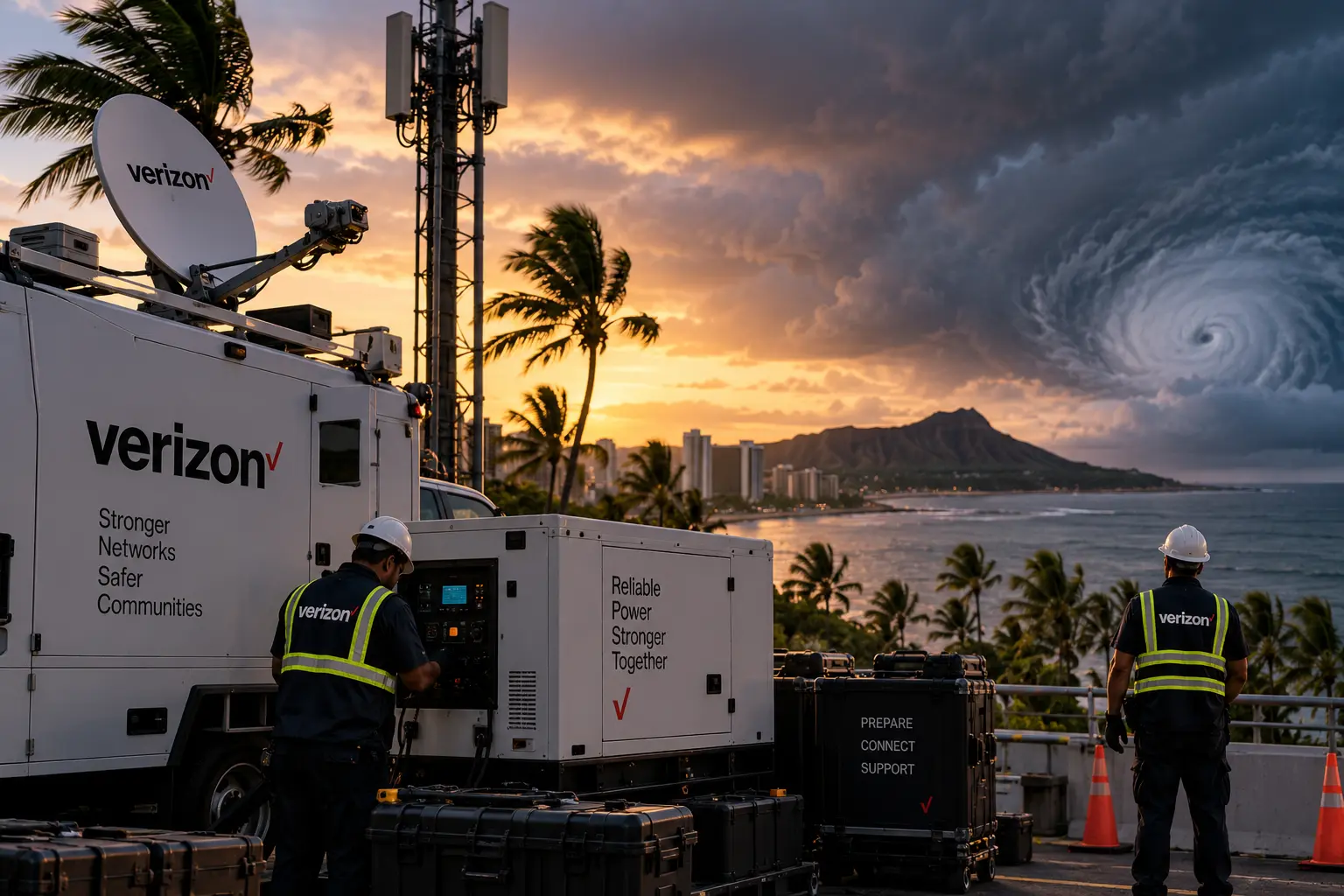
North America National Telecom
Verizon prepares Hawai‘i network for Hurricane Lowell
Verizon has positioned backup power, satellite assets and field equipment across Hawai‘i before Hurricane Lowell, preparing for possible network disruption.

History
The Number That Changed Meaning at the Domain Boundary
One security domain could encode “Unclassified” as 5 while another encoded the same human label as 1. CIPSO did not solve that disagreement by choosing a universal number. It put a Domain of Interpretation identifier beside the number and made interoperability depend on the…

Asia-Pacific Datacenter Trends
TCS HyperVault secures Hyderabad site for 1GW data centre
TCS HyperVault has secured 264 acres in Hyderabad for a phased AI data-centre campus designed to scale to 1GW.

History
The Security Label That Needed Its Own Specification
One IPv4 option could appear more than once in the same datagram, yet no occurrence was self-explanatory. Its one-byte format code pointed outward to another specification that defined what the remaining bytes meant and whether a system should accept them.

Europe and Middle East Institutional Trends
Germany plans Cyberdome network to detect cyberattacks
Germany plans a Cyberdome sensor network to detect cyberattacks, but has not set out deployment dates, funding or operator responsibilities.

Asia-Pacific Datacenter Trends
LG Uplus, GS E&C form modular data-centre alliance
LG Uplus and GS E&C are developing modular AI data-centre models for a 100MW new build and conversions of existing buildings.