Summary
- Europeana's early homepage offered suggestions tailored to the interface language. A 2011 report preserves a French list containing Napoleon Bonaparte, Alexandre Dumas and Dior.
- Project records describe moderation trouble at the 2008 launch, continuing work with users and, by October 2011, a redesigned browsing entrance built around pictures and accompanying text.
Napoleon Bonaparte, Alexandre Dumas and Dior make an unusual welcoming committee. In a screenshot preserved by EuropeanaConnect, they share a small French-language list of suggested searches. A neighbouring Spanish example offers Galicia, Sevilla and Mary Quant. A visitor could arrive without a research question and borrow an interest from the homepage.
That was the charm of the section called People are currently thinking about. A cultural portal could feel less like a catalogue awaiting a correctly completed form and more like a place where somebody had already found something worth pursuing.
It also gave the people running the site another display to look after.
The collections stayed home
Europeana opened in November 2008. The European Commission's launch FAQ described a portal collecting descriptions and small images from cultural institutions. The books, films and other digitised objects stayed on those institutions' servers. A search result sent the reader onwards to the collection that held the material.
The arrangement brought many collections within reach of one search. It also left a great deal of work at both ends. Institutions supplied descriptions and kept their material available; the portal organised ways of finding it. The FAQ advertised browsing through themes other users were viewing, alongside saved objects and tags.
Language affected that journey. The same FAQ used treaty as an example of a search that would then find English material, while broader cross-language searching remained a development ambition. Choosing a familiar interface language was one step; finding an object described in another language required more work.
A friendly box acquires a workload
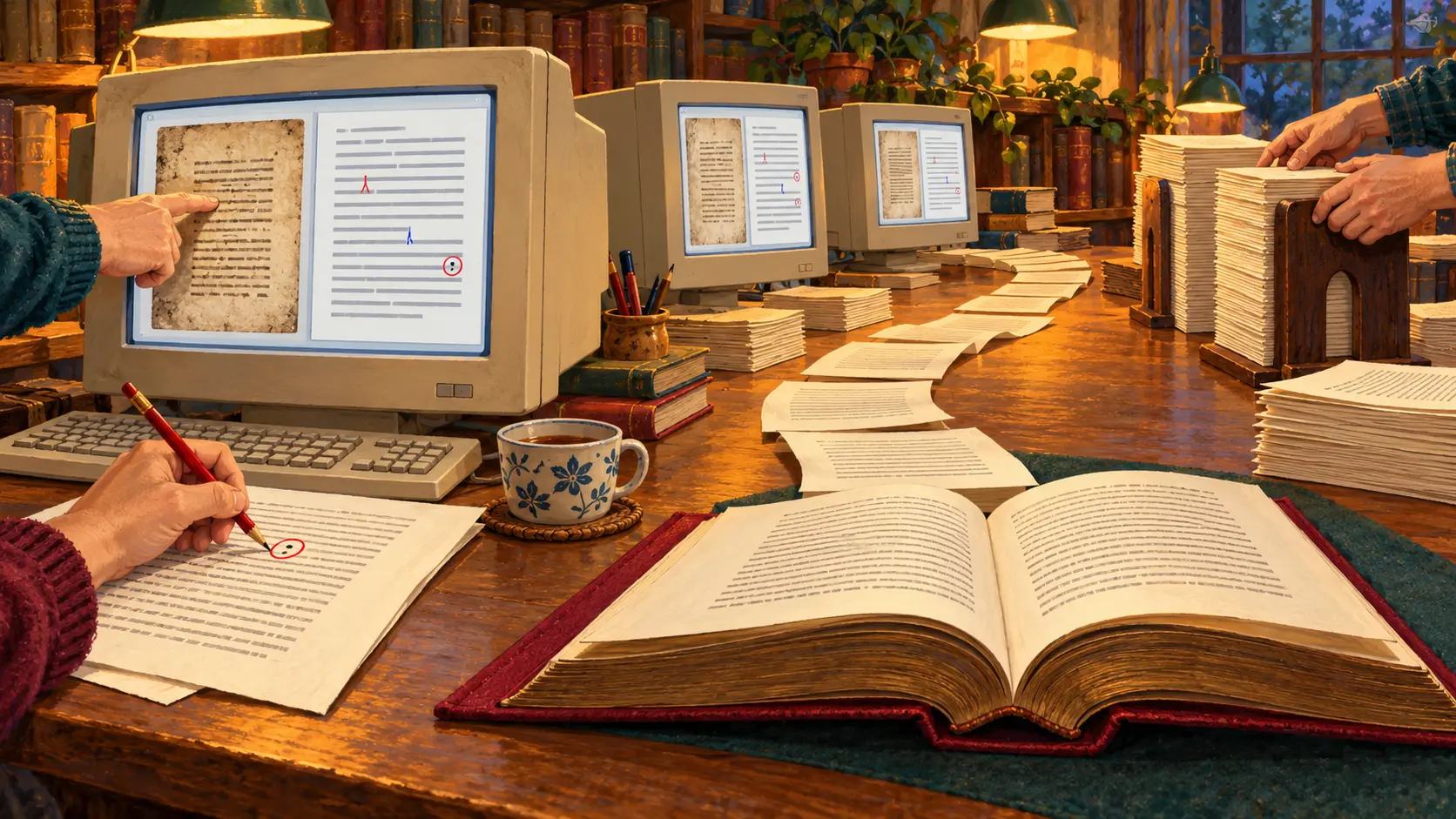
The annual progress report covering February 2009 to January 2010 records what happened around the prototype launch. Both the homepage carousel and the thinking-about section produced complicated moderation problems. Operating across languages made the task harder. The Commission requested withdrawal of the user-input mechanisms at the time, and the team continued looking for suitable moderation models.
The account records the intervention but leaves the disputed material undescribed. What it makes plain is the extra responsibility created by the feature: an interest supplied by a visitor had become something the institution presented to other visitors. A little box on the homepage had acquired editorial duties.
The subsequent record is more interesting than a simple tale of a feature switched off. Europeana's 2010 annual report, published in April 2011, calls the thinking-about feature popular, citing its analysis of site use. It also describes the effort to understand what visitors wanted from the service.
Students asked for more contemporary and audiovisual material, downloads and opportunities to contribute. Some were frustrated by charges at the institutions providing content. A volunteer panel of 17 people answered surveys, tested changes and met annually. Homepage exhibition displays were among the things they helped examine. The portal's audience was doing something more useful than politely admiring the launch.
New invitations to wander
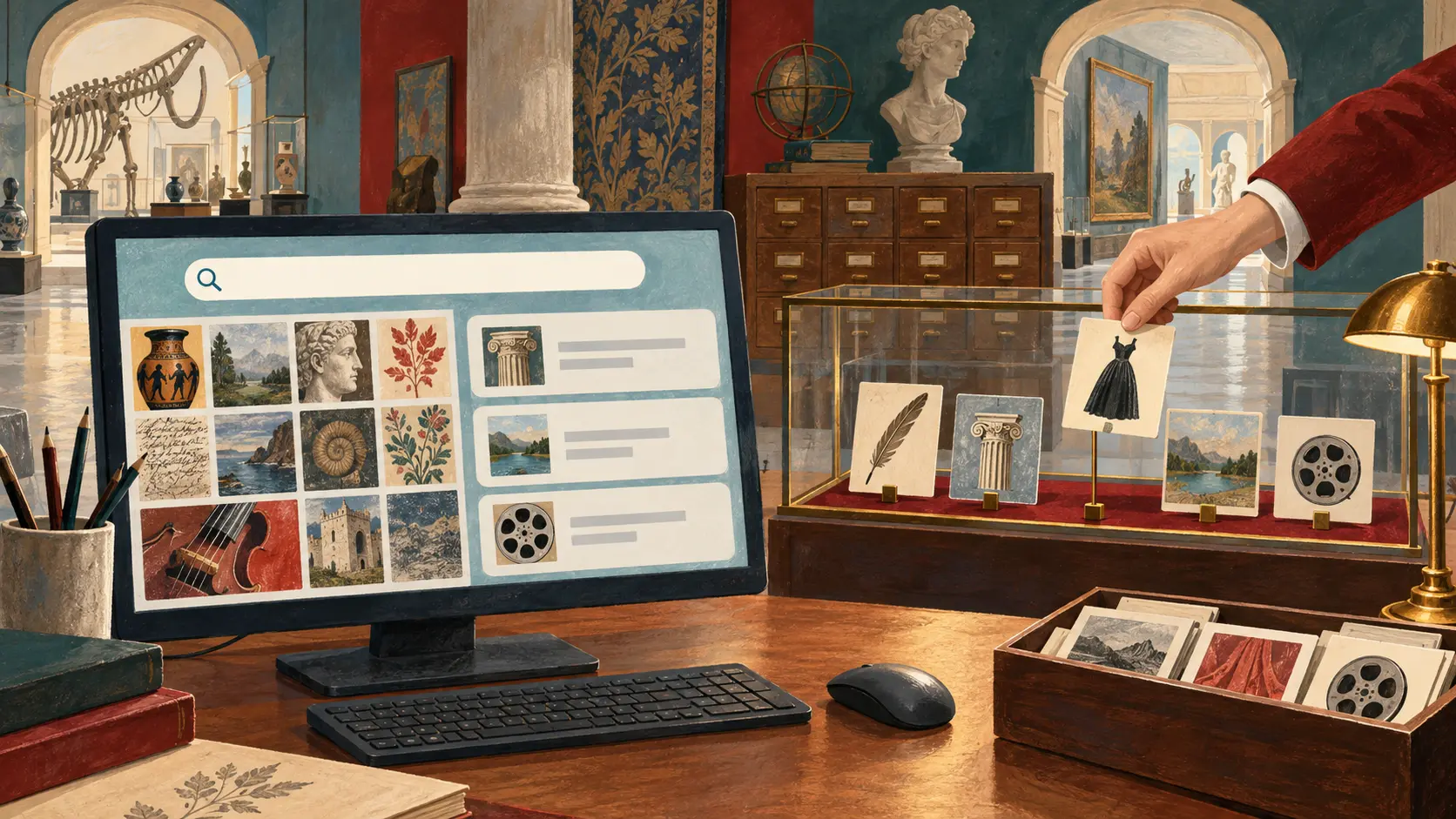
By October 2011, EuropeanaConnect's report on multilingual access described a changed entrance. Earlier language-specific query suggestions appeared in its screenshots; the new design offered pictures with accompanying text adapted to the chosen interface language. The report documents the design change without assigning it a single cause.
Those modest invitations mattered. Someone arriving with a precise title could use the search box. Someone merely curious needed a reason to take the next step. Suggestions and pictures supplied that reason, while the people operating the portal carried the responsibility for what appeared there.
Europeana could gather descriptions from collections across a continent. The work of welcoming a visitor still came down to the small things: a useful prompt, a comprehensible label, an onward link that delivered. Even Napoleon needed someone to mind the entrance.
Original records
Member Briefing
Deeper Profile Context
Sign in with the right membership level to unlock the full briefing and source notes.
Only for Strategic Circle
Strategic Circle
Open to all readers. Unlock profile briefings after joining and signing in.
Join Strategic CircleOnly for Leadership Alliance
Leadership Alliance
For qualified IP-asset owners and management; sign in to unlock alliance briefings.
Join Leadership Alliance