Summary
- Anurag Bhatia's APRICOT 2020 study reported 34,565 IPv4 prefixes with limited visibility after excluding announcements more specific than
/24, but the result belonged to its selected best-path views and was not a global outage count. - A defensible routing-difference record must preserve collector, peer, time, raw data, comparison rule, candidate causes and corroborating tests before absence becomes a claim about impact or responsibility.
The word “missing” quietly joins two different propositions. One is reproducible: a prefix appeared in comparison set A and did not appear in selected view B at a stated time. The other is much larger: users could not reach it because a named network made a particular mistake. Between those propositions sit export policy, import policy, best-path selection, collector participation, convergence, validation data, forwarding and traffic demand.
Anurag Bhatia's “Observations from Routing diff”, presented at APRICOT 2020, makes that gap unusually visible. The deck compared routes seen through selected large networks. It explicitly diagrams a route collector receiving best paths. A collector is therefore an observation surface, not a copy of every route known anywhere.
The study first counted 802,156 unique IPv4 prefixes and 34,872 with limited visibility, or 4.34%. After removing announcements more specific than /24, it counted 801,834 unique prefixes and 34,565 with limited visibility, or 4.31%. Individual views differed sharply: the deck listed 32,691 prefixes missing from the AS7018 comparison and 4,904 from AS6939.
These are useful numbers because they locate questions. They are not percentages of users, packets, revenue or failed connections. A prefix can carry no current traffic or a great deal; a less-specific covering route may still deliver packets; a route absent at one peer may be present at another; and a best-path feed does not expose all alternatives available inside the observed network.
The deck itself resists a one-cause verdict. It lists RPKI-based filtering, IRR filters built from bad route objects, missing AS-SET links, scoped anycast announcements with NO_EXPORT, slow convergence, mistaken peer-versus-transit assumptions and inconsistent downstream filtering as possible reasons. A row in the difference set cannot select among them.
RFC 4271 explains why. BGP separates routes received from peers in Adj-RIBs-In, routes selected locally in Loc-RIB, and routes selected for advertisement in Adj-RIBs-Out. Local policy may exclude a Loc-RIB route from one Adj-RIB-Out. By the time a collector sees one advertised path, several distinct decisions have already occurred. Absence at the final surface does not reveal which earlier state lacked the route.
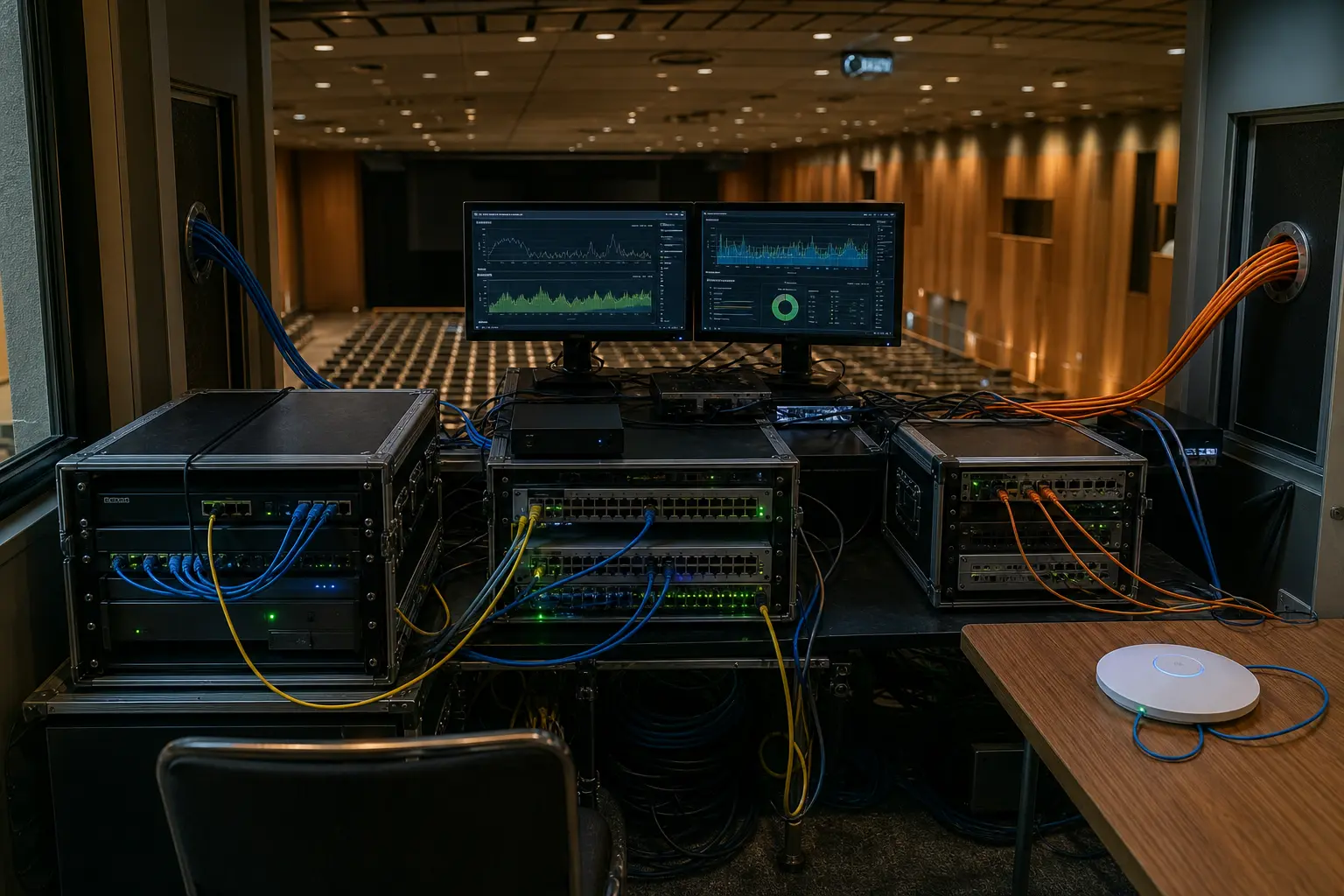
The collector also has a constituency. RIPE RIS documentation says its collectors ingest BGP through voluntary peering sessions, with different physical locations, exchange fabrics and multihop scopes. A peer exports what its policy permits. A collector records what arrives. Neither act turns the resulting table into an omniscient global RIB.
Time changes the evidence as well. RIS MRT documentation distinguishes dumps, which store routing state at a point in time, from update files, which record changes during an interval. Comparing two dumps can reveal a set difference without showing whether it lasted seconds, followed a session reset, appeared during convergence or was withdrawn and restored between snapshots. The update sequence is a different evidentiary object.
RouteViews' API documentation similarly describes current access to a subset of its collector infrastructure and points historical work toward MRT archives. “RouteViews” is not one universal eye. Collector, peer, timestamp and archive object belong in the citation just as much as prefix and origin.
Bhatia's later work demonstrates that discipline. In his 2025 analysis of transit-free networks, he combined Oregon RouteViews and RIPE RIS dumps, named the observation date and viewpoint, warned that routing views can vary, and stated that route percentages do not equal traffic percentages. The article reported 749 million collected route rows; scale increased query power, not completeness of inference.
His 2024 analysis of Google's backbone confronted a different blind spot. Public BGP views did not expose Google's full table, so he supplemented them with active traces from Google Cloud and plainly described the experiment as imperfect. The two evidence planes did not make the Internet fully visible. They made some hypotheses easier to reject.
Bhatia's public biography identifies him as a network researcher in Haryana, India, working around BGP, IXPs, DNS, IPv6, anycast and measurement. That establishes why the method belongs in a person article. It does not give him authority over the networks in the comparison or make every candidate explanation his verdict.
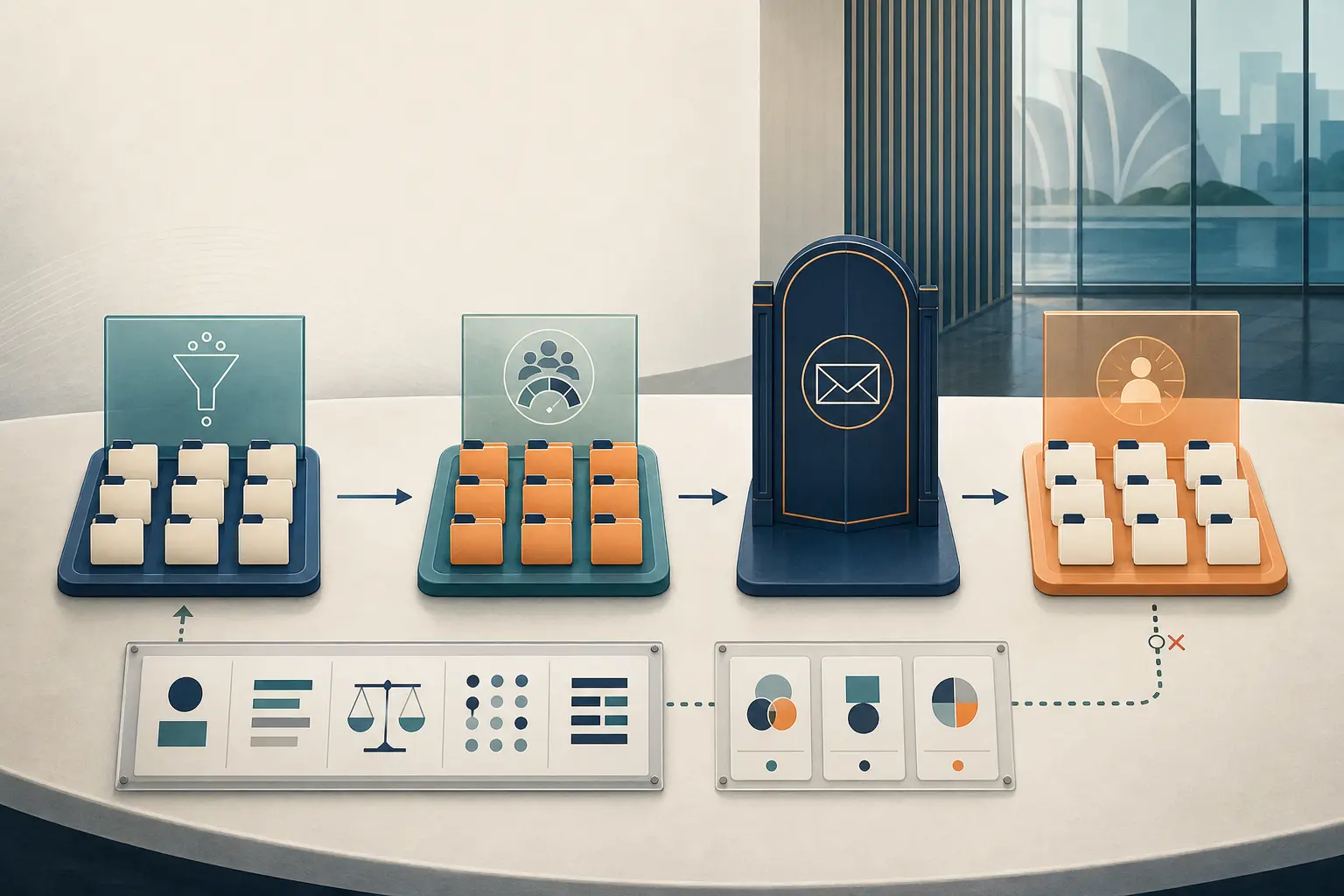
The right output is a routing-difference ledger. Each entry needs the prefix and address family; collector and peer; time and interval; raw file and hash; selected path; baseline set; exclusions such as prefix length; covering route; validation and IRR state at that time; updates around the observation; active tests where authorized; operator confirmation; candidate and rejected causes; confidence; independently measured effect; controlled decision surface; next test; and expiry.
That ledger keeps four states apart. “Observed absent” says what the selected evidence contains. “Candidate cause” says what could produce it. “Forwarding impact” requires data-plane or user evidence. “Accountable remedy” requires knowing who controlled the relevant configuration, record or announcement. Skipping a state creates an attractive story and a weak diagnosis.
Member Briefing
Deeper Profile Context
Sign in with the right membership level to unlock the full briefing and source notes.
Only for Strategic Circle
Strategic Circle
Open to all readers. Unlock profile briefings after joining and signing in.
Join Strategic CircleOnly for Leadership Alliance
Leadership Alliance
For qualified IP-asset owners and management; sign in to unlock alliance briefings.
Join Leadership Alliance