Summary
- A Morgan Stanley-led consortium is reportedly discussing about $15bn of financing for Nexus Data Centers and a proposed Anthropic campus in Hubbard, Texas.
- The reported package includes roughly $14bn of bridge financing and a revolving facility, but no executed agreement or closing has been disclosed.
- The campus has been reported with a proposed 1.6GW onsite natural-gas power plant; that is a design claim, not proof of permits, fuel supply or operation.
- Google would reportedly guarantee billions of dollars of Anthropic lease and power obligations if the startup defaulted.
- The structure could move part of Anthropic’s infrastructure credit risk toward Google while leaving construction, power and residual project risk elsewhere.
- Pricing, tenor, covenants, lender allocations, final guarantee exposure, construction sequence and customers beyond Anthropic remain unknown.
The guarantee is the bridge between demand and debt
A project lender does not lend against enthusiasm for artificial intelligence. It lends against contracts, security, cash flows and counterparties that can keep paying when forecasts fail. Anthropic may provide the demand for the Hubbard campus, but the reported Google guarantee would give lenders recourse to a far larger balance sheet for specified lease and power obligations. That distinction may determine whether the project can borrow at all, how much equity it requires and what interest margin lenders demand.
The word “guarantee” still needs discipline. The report does not publish its cap, duration, triggers, exclusions, collateral or treatment if the campus is delayed. It may cover only defined payments rather than the whole debt. It may decline as Anthropic’s obligations mature. Until the documents are executed, it is a proposed credit support, not cash already committed to construction.
The mechanism nevertheless matters. Google is an investor and strategic compute partner of Anthropic. If it also supports obligations at a third-party campus, the relationship extends from chips and cloud services into project credit. That does not make Google the site owner. It means AI demand can become financeable through a web of contracts whose economic sponsor is not always the legal borrower.
Bridge financing creates a deadline, not permanent certainty
About $14bn of the reported package would be bridge financing. A bridge is designed to be replaced: by longer-term project debt, asset-backed securities, institutional capital or another permanent structure after milestones are met. Its usefulness is speed. Its risk is that the replacement market may be less receptive when the bridge matures.
Lenders therefore need an exit as much as a repayment source. They will ask which permits, construction stages, lease conditions and power milestones must be achieved before the debt can be refinanced. If equipment prices rise, schedules slip or Anthropic’s capacity needs change, the permanent market may value the project differently. Google’s support could reduce one counterparty risk without eliminating refinancing risk.
The revolving facility matters for a different reason. Large campuses draw cash unevenly as civil works, electrical equipment, turbines, cooling systems and computing hardware arrive. A revolver can absorb timing mismatches and contingencies. Its size, seniority and borrowing conditions would show how much flexibility the project has. Those terms are not public.
A 1.6GW gas plant moves the power problem inside the perimeter
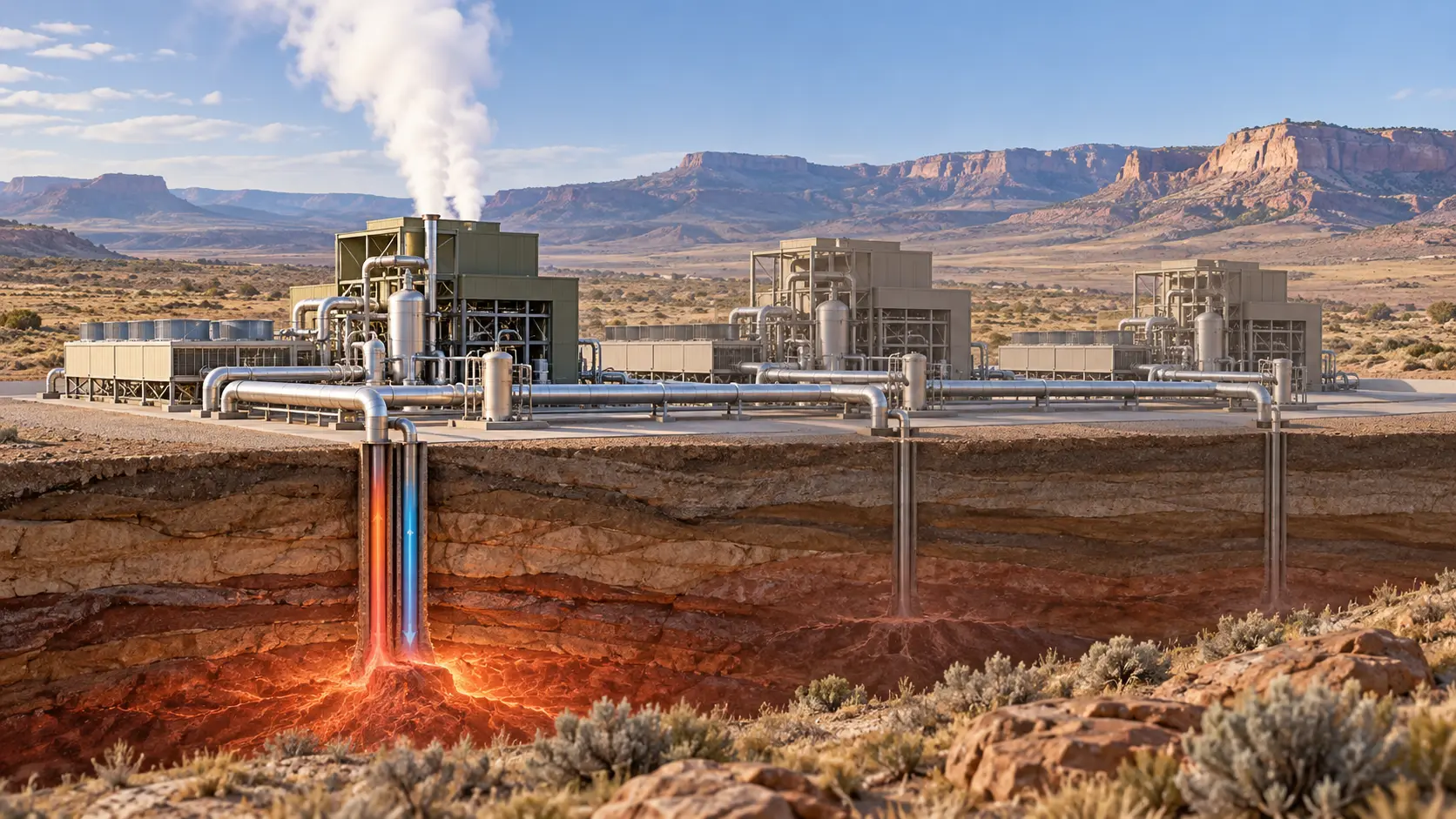
The proposed onsite natural-gas plant is not simply an accessory to the data halls. At 1.6GW, it would be a major power asset with fuel, emissions, water, interconnection and reliability obligations of its own. Dedicated generation can reduce dependence on a congested grid connection, but it does not make electricity risk disappear. It substitutes a different set of dependencies.
Gas must be contracted and delivered through sufficient pipeline capacity. Turbines and electrical equipment have long lead times. Air permits and local approvals can alter the schedule. Maintenance creates outages, so the campus needs reserves, grid exchange or another redundancy plan. If the plant exports or imports power, market and transmission rules enter the structure. None of those outcomes follows automatically from a financing conversation.
Power payments are reportedly among the obligations Google could support. That is important because a generator’s capital is recovered over years, while AI demand can change more quickly. A strong payment promise may be what makes the plant bankable. The unanswered question is who absorbs fuel-price, availability and stranded-capacity risk if actual compute use diverges from the campus plan.
The capital stack separates legal ownership from economic exposure
Nexus Data Centers is reported as the financing recipient and project developer. Anthropic would be the major user. Google could be guarantor for defined obligations. Banks would provide bridge and revolving credit. Equipment vendors, gas suppliers and future permanent lenders would occupy other layers. Each party can say truthfully that it does not own the whole project while still carrying material exposure to its success.
That fragmentation has advantages. Specialist developers can build, technology companies can reserve capacity without putting every asset on their own balance sheets, and institutional lenders can fund contracted infrastructure. It also makes accountability harder to read. A public headline may attach the campus to Anthropic, while planning documents name Nexus and the strongest credit promise comes from Google.
The final documents should be judged by risk allocation rather than brand names. Who pays if power arrives before the data halls? Who pays if halls are ready before chips? Who funds cost overruns? Can Anthropic reduce its commitment, and under what penalty? Does Google cure only payment defaults or also performance failures? Those answers would determine who truly bears the project.
Texas offers scale, but not exemption from sequencing
Google has separately announced major investment in Texas infrastructure, and Anthropic describes a broader compute partnership with Google and Broadcom. That context makes the state a plausible location for another large AI supply chain. It does not validate the Hubbard project’s permits, construction status or economics.
A campus of this scale must coordinate land, local approvals, gas supply, generation, transmission, water and fibre. The slowest element sets the useful date. A financing close can fund deposits and works, but cannot compress every equipment lead time. Conversely, developers may order long-lead items before permanent debt is ready, increasing exposure if the loan does not close.
Public reporting should preserve that sequence. “Banks in talks” comes before signed commitments. Signed commitments come before funded draws. A generation proposal comes before permits and construction. Construction comes before testing and service. Collapsing the stages would turn a meaningful credit development into a fictional operating campus.
The next evidence should be contractual and physical
The first decisive evidence would be an executed financing announcement identifying borrower, lenders, size and closing conditions. A credible disclosure would distinguish committed debt from potential accordion capacity and describe the guarantee at least by maximum exposure and covered obligations. It need not reveal commercially sensitive pricing to establish that the structure exists.
The second evidence set is physical: land control, permits, gas and grid arrangements, construction notices, major equipment orders and an independently observable schedule. A named permanent refinancing route would reduce bridge risk. A disclosed lease commencement test would show when Anthropic must start paying and what happens if capacity is late.
Until then, the report is valuable because it shows the architecture lenders are considering. It is not evidence that $15bn has been funded. The proposed Hubbard campus sits at the point where AI demand must become a durable set of promises. Google’s reported backstop may make those promises stronger, but only executed contracts and operating milestones can turn them into infrastructure.