Summary
- The Broadcasting Services (Class Licences) Determination 2017 is due to sunset on 1 April 2027. ACMA proposes remaking it without substantive changes or new class-licence conditions; the consultation closed on 19 October 2026 and remains under review.
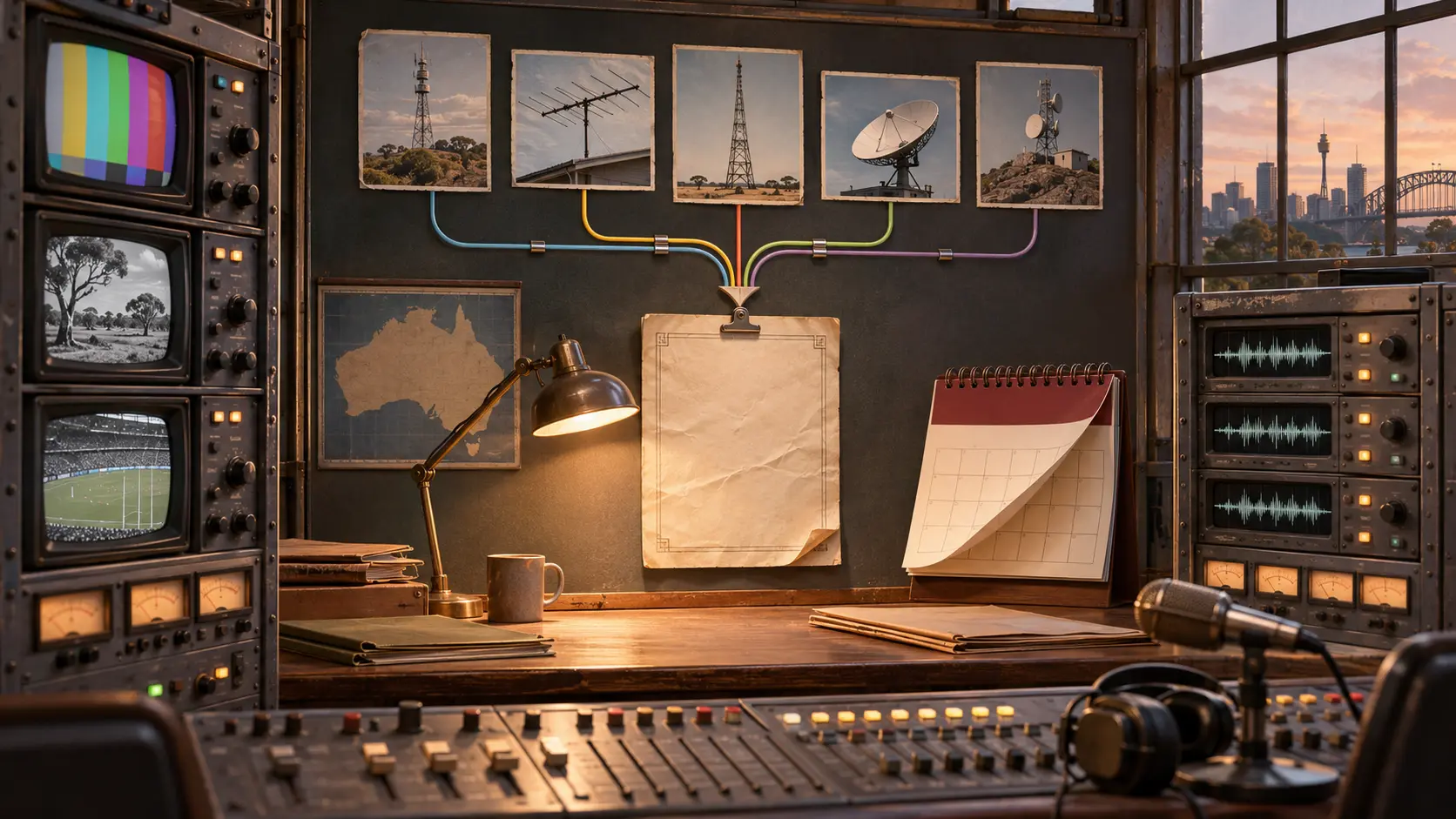
- One determination grants class licences to five service categories: subscription radio broadcasting, subscription radio narrowcasting, subscription television narrowcasting, open radio narrowcasting and open television narrowcasting. The scheme removes individual service-permission applications and fees for these categories.
Five kinds of broadcaster rely on one document that has a date with the shredder. The Australian Communications and Media Authority's consultation says its 2017 class-licence determination will sunset on 1 April 2027. ACMA proposes a 2027 replacement with the same substantive permissions. The consultation closed on 19 October and is under review. For operators, the important action is a final instrument registered before the old one expires, not a headline about deregulation.
The permission is broad but precisely enumerated. The consultation paper lists subscription radio broadcasting; subscription radio and television narrowcasting; and open radio and television narrowcasting. Under section 117 of the Broadcasting Services Act, the determination gives each category a class licence. ACMA says that framework spares providers an individual application and a fee for providing these services. The ordinary statutory conditions in Schedule 2 still apply. A class licence is a shared route into the market, not a licence with no rules.
ACMA's proposed change is deliberately dull. It says the 2017 determination works effectively, sees no need for added conditions and proposes no change to the substantive wording. The draft 2027 instrument mainly updates the title, revokes the 2017 instrument and starts the day after registration on the Federal Register of Legislation. The draft is undated and marked for consultation. It has not itself replaced the running permission.
That is the stake hidden in a routine remake. The old instrument has an automatic repeal date; the new one needs a decision and registration. A broadcaster operating under one of the five classes does not need a new policy bargain. It needs the authority to finish the administrative act that keeps the existing route open. The next evidence is a final ACMA determination and its registered commencement date. Until those appear, the calendar is firmer than the replacement.
Member Briefing
Deeper Profile Context
Sign in with the right membership level to unlock the full briefing and source notes.
Only for Strategic Circle
Strategic Circle
Open to all readers. Unlock profile briefings after joining and signing in.
Join Strategic CircleOnly for Leadership Alliance
Leadership Alliance
For qualified IP-asset owners and management; sign in to unlock alliance briefings.
Join Leadership Alliance