
Summary
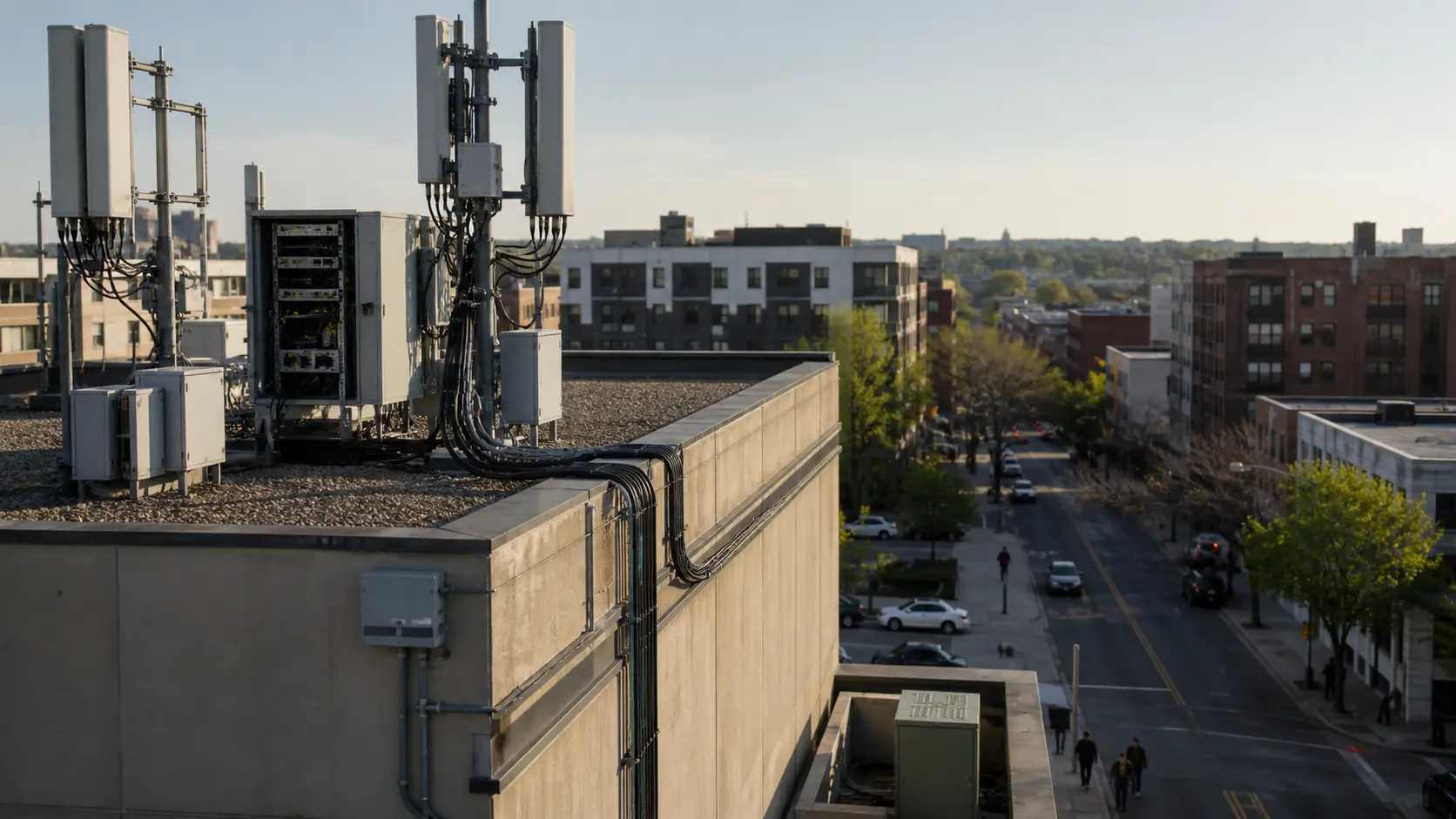
- 5G capacity depends on spectrum and many nearby sites, but each site still needs power, backhaul and a capable core.
- Operators should report busy-hour throughput and latency by location, not rely on a coverage badge or peak laboratory speed.
5G combines new radio technology with a denser operating system. Higher frequencies can deliver more capacity, yet travel shorter distances and struggle more with walls. Lower bands reach farther but offer less new bandwidth. The result depends on how an operator assembles bands and places sites.
The hidden constraint is transport. A powerful radio connected to limited microwave or fibre backhaul simply moves congestion away from the handset. Core-network design, peering, software upgrades and power resilience also shape latency and availability.
The useful evidence is therefore local: performance at peak demand, indoor coverage, upload speed, handover reliability and restoration after a site failure. Until those measures improve together, a 5G label describes radio access—not the quality of the complete service.
