- 76% of drivers report losing mobile signal at least once a week, and 43% rank emergency calling as their top satellite-enabled service
- 5GAA expects the first narrowband automotive satellite services in production vehicles from around 2027, ahead of higher-bandwidth applications
What the Viasat-5GAA survey actually found
Satellite operator Viasat and the 5G Automotive Association put the question to 1,606 drivers across 10 markets: would you pay to stay connected in the car where the cell tower gives up? Three-quarters said yes. But the real signal is buried in what they wanted first.
Emergency calling won the wishlist at 43%. Real-time hazard and traffic alerts came next at 17%, and traffic management during disasters drew 10%. High-bandwidth appetites were real too — 45% picked options such as 4K or 8K streaming and automated software updates — but the safety basics outranked the cinema.
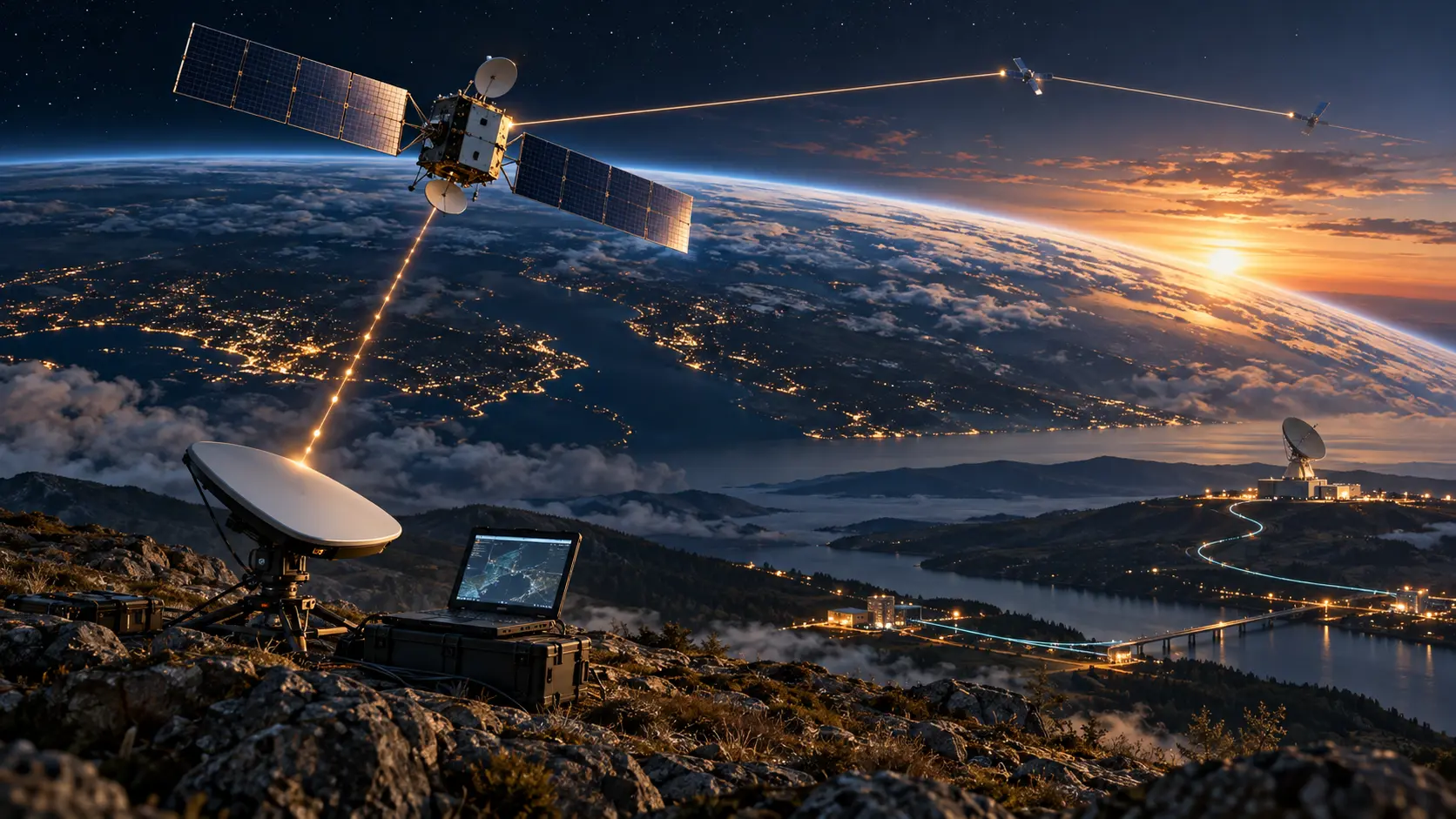
The backdrop explains the mood. 76% of respondents said they lose mobile signal at least once a week. That is not a rare edge case; it is the ordinary texture of driving — the tunnel, the mountain pass, the stretch of highway where the bars evaporate.
Why safety beats streaming in a moving car
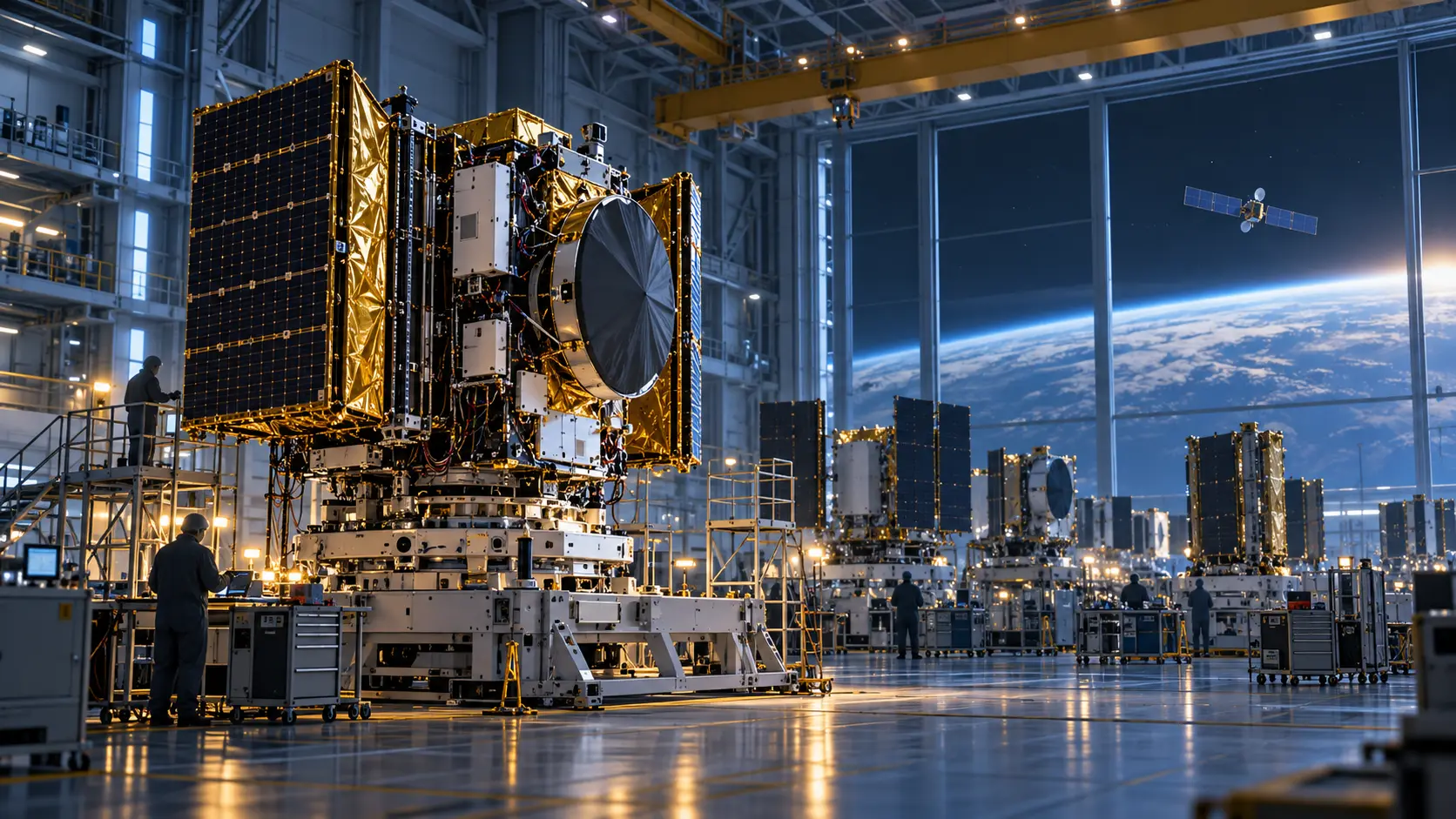
5GAA, whose members span automakers, telecom operators and technology suppliers, expects the first narrowband satellite services in production vehicles from around 2027, built on 3GPP-based non-terrestrial network technology. Narrowband is the tell: the first wave is a thin, resilient pipe for voice, SOS and small data messages — exactly the services drivers ranked on top — not a fat pipe for streaming.
That ordering matters. Emergency calling and hazard alerts fit the low-data links that reach vehicles first; 4K video does not. The survey hands automakers a rough priority list that happens to line up with the physics of what the technology can actually deliver in the near term.
What it means for automakers
The survey does not prove how many drivers will actually subscribe. A stated willingness to pay is cheap; a monthly line item is not. The 75% figure is a signal of intent, not a revenue forecast. The more useful finding is the ranking: safety services ahead of entertainment, which points to which features are worth engineering into the first production models.
Whether drivers pay will hinge on integration — does the satellite link switch on automatically when cellular drops, or does the driver have to hunt for it? — plus where the service is available and what it costs.
What to watch
Watch for the first production models, launch markets and pricing for satellite-connected cars. The details that reveal design intent are unglamorous: which functions run over satellite when coverage fails, and whether the handover from cellular happens without the driver noticing. Once the services ship, subscription and usage numbers will say more about real demand than any survey response ever could.