
•US opposition to nearby data centres rose to 41% from 28% in January, as support fell to 24% from 37%
•Opposition rose most sharply among Harris voters, while support also weakened among Trump voters
The fact
Public First’s July poll for POLITICO found that opposition to nearby data-centre projects had risen since January. 41% of respondents said they would oppose a data centre within three miles of their home, while 24% would support one. In January, 28% were opposed and 37% were in favour. The shift was largest among voters who backed Kamala Harris in the 2024 presidential election. Opposition in that group rose from 33% to 53%, while support fell from 36% to 22%. Trump voters also became less supportive. Support fell from 45% in January to 34% in July, while opposition rose from 26% to 33%.
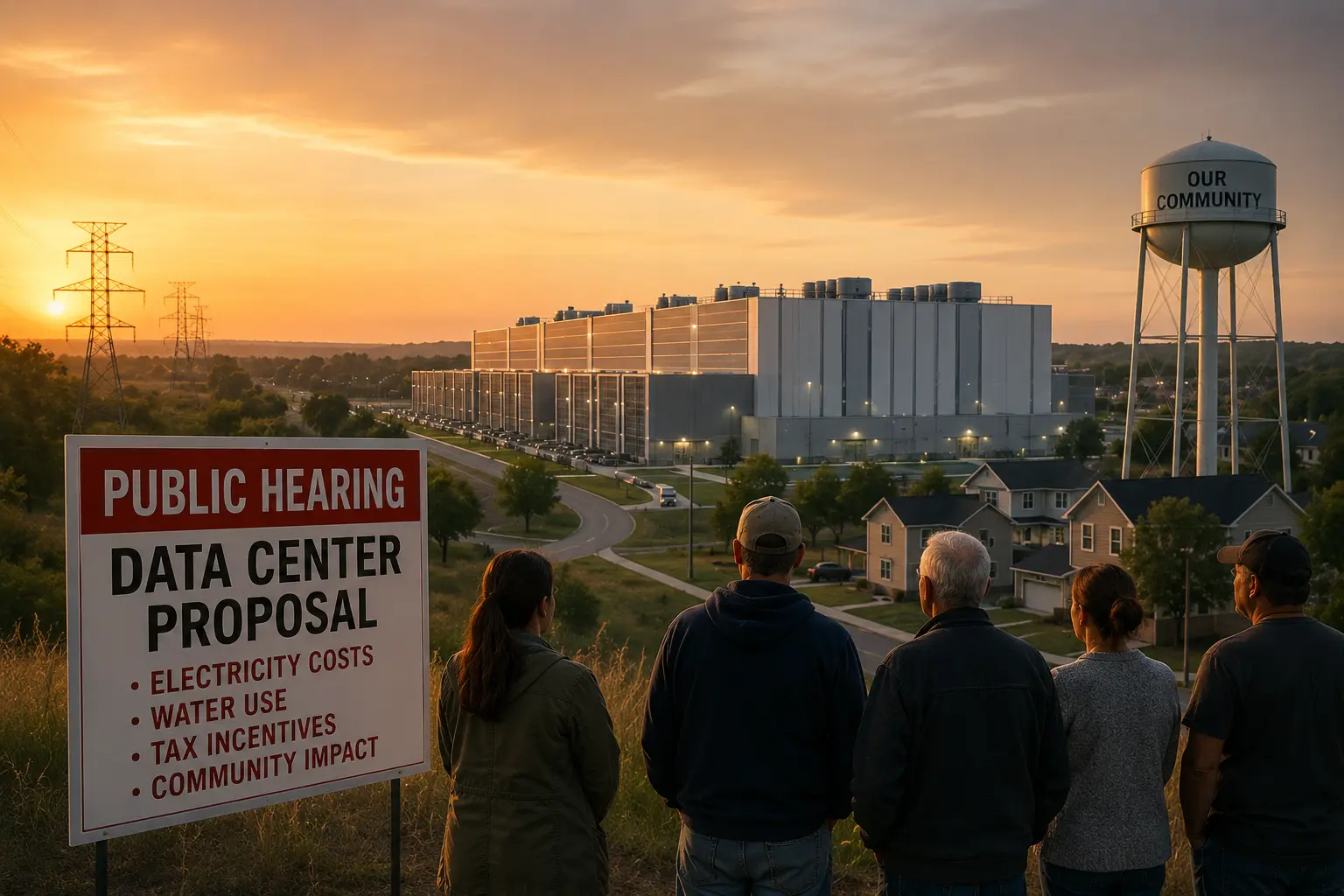
The findings come as data-centre projects face closer scrutiny over electricity costs, water use, land, tax incentives, and the role of local authorities in approving large developments. More than 200 data-centre projects are planned or under construction across 40 of the 69 competitive House districts identified by POLITICO, giving the issue greater political relevance ahead of the elections.
The assessment
Rising opposition should make local approvals harder to secure. Even where land and demand are in place, projects still depend on planning authorities, utilities, and elected officials. Developers will need to show who pays for supporting infrastructure and how local effects will be managed before a project reaches final approval.
The poll does not show that opposition has already delayed any projects. But it gives candidates and local officials more reason to scrutinise project terms—grid-upgrade costs, water requirements, tax treatment, community benefits. Each project's impact will depend on the local approval process and any conditions attached to it.
For BTW readers, developers face greater pressure to prove that local communities will not bear a disproportionate share of a project's infrastructure costs and operating effects. They will need to provide that evidence earlier, with clearer details on costs, resource use and community impact.
What to watch
Watch for candidates and local authorities to propose specific rules on grid-upgrade costs, water use, and whether tax incentives should face tighter limits. Progress in areas with planned data centres would show whether shifting public opinion is beginning to reshape project terms.