Summary
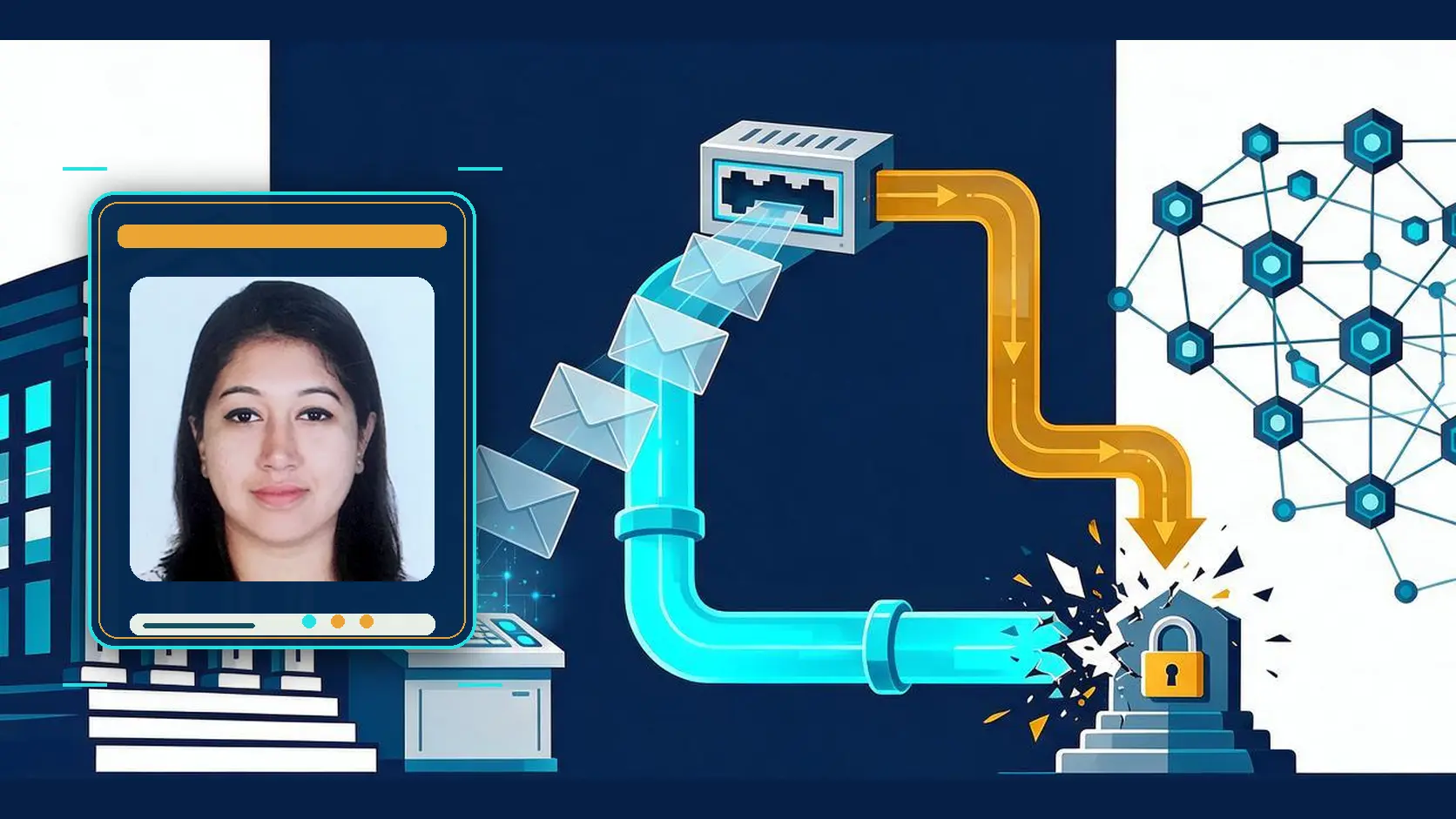
- Navin Suvarna, a Cisco principal architect and ARIN 57 Fellow, proposes version-controlled policy text, transparent change history, community review workflows and CI/CD-style validation for ARIN’s Policy Development Process.
- The current PDP already publishes revisions, mailing-list discussion, meeting feedback, staff and legal review, Advisory Council assessments, petitions, Last Call and Board decisions. It also gives the Council authority to edit, merge, abandon or advance drafts.
- A repository can make those steps easier to inspect. It cannot decide who owns the merge, what support is substantial enough, or how the losing side of a revision stays visible. Those rules have to be written before the software makes them feel automatic.
Suvarna’s fellowship post is more useful than a generic call for “modernization.” His stated problem is concrete: much of ARIN’s policy work still travels through mailing lists and meetings, while infrastructure teams already use version control, review, testing and deployment records. He wants policy to gain the same traceability without losing human oversight.
The visible advantage is obvious. A proposal could have a stable identity, diffable text and a dated chain from problem statement to final manual language. A change could cite the comment that caused it. A withdrawn clause could remain retrievable. A CI check could catch broken cross-references, invalid policy scope or a missing review before publication.
None of those checks can perform the political decision. ARIN’s process does not equate agreement with unanimity. Community support is judged through a Public Policy Consultation, the Public Policy Mailing List and feedback to Council members, with substantial support required from the participating community. A syntax test can confirm that a document exists. It cannot prove that affected networks consented.
The power map is equally specific. The Proposal Author controls the language until the Council accepts a complete proposal as a Draft Policy. The Council can edit a draft, merge similar drafts and abandon one that cannot meet the fairness, technical and community-support principles. It must record significant concerns, but it still decides what happens next. A two-thirds roll-call vote is required before the Board receives a Last Call policy for adoption.
A Git-shaped interface would make that map more legible, not less political. The missing design is a proposal object whose history preserves who changed each sentence and why, which meeting or mailing-list message supplied the evidence, which concerns remain open, whether the change is minor or substantial, and which petition or vote gate it crossed.
The Advisory Council becomes a reviewer only if the interface records its roll-call vote and assessment beside the exact text reviewed. A “merge” becomes legitimate only when the rule says whether it follows from a public edit, a two-thirds vote, a petition, or Board action. A green status becomes evidence of a completed check, not a proxy for community support.
Suvarna’s interest in AI-assisted validation makes the boundary sharper. Automation can find configuration drift, inconsistent route-origin statements or stale policy references. It can route a proposal to the correct reviewer. Human authority remains necessary for identifying affected parties, weighing arguments and accepting that a technically valid proposal may lack support.
The practical successor to the mailing list is not a repository that silently replaces it. It is a linked ledger that keeps email and meeting speech attributable, attaches revisions to their evidence, and exports the exact text and unresolved issues at every decision point. The public should still see the objections that did not win.
ARIN already has the hard constitutional pieces: author control, Council stewardship, petitions, time limits, public review, two-thirds votes and Board adoption. Suvarna adds a good software metaphor. The next step is to name the merge permission for each transition, not merely put the existing process behind a nicer diff view.
Sources: Navin Suvarna fellowship account; ARIN PDP; Advisory Council; Fellowship Program.
Member Briefing
Read the full trend briefing
Members read the full briefing with the source notes behind every finding.
Strategic Circle
A daily briefing in your language, built from changes we have verified.
Join for USD 20/monthCancel anytime.
Members also get the full research library, a daily briefing on the networks they follow and the private forum.