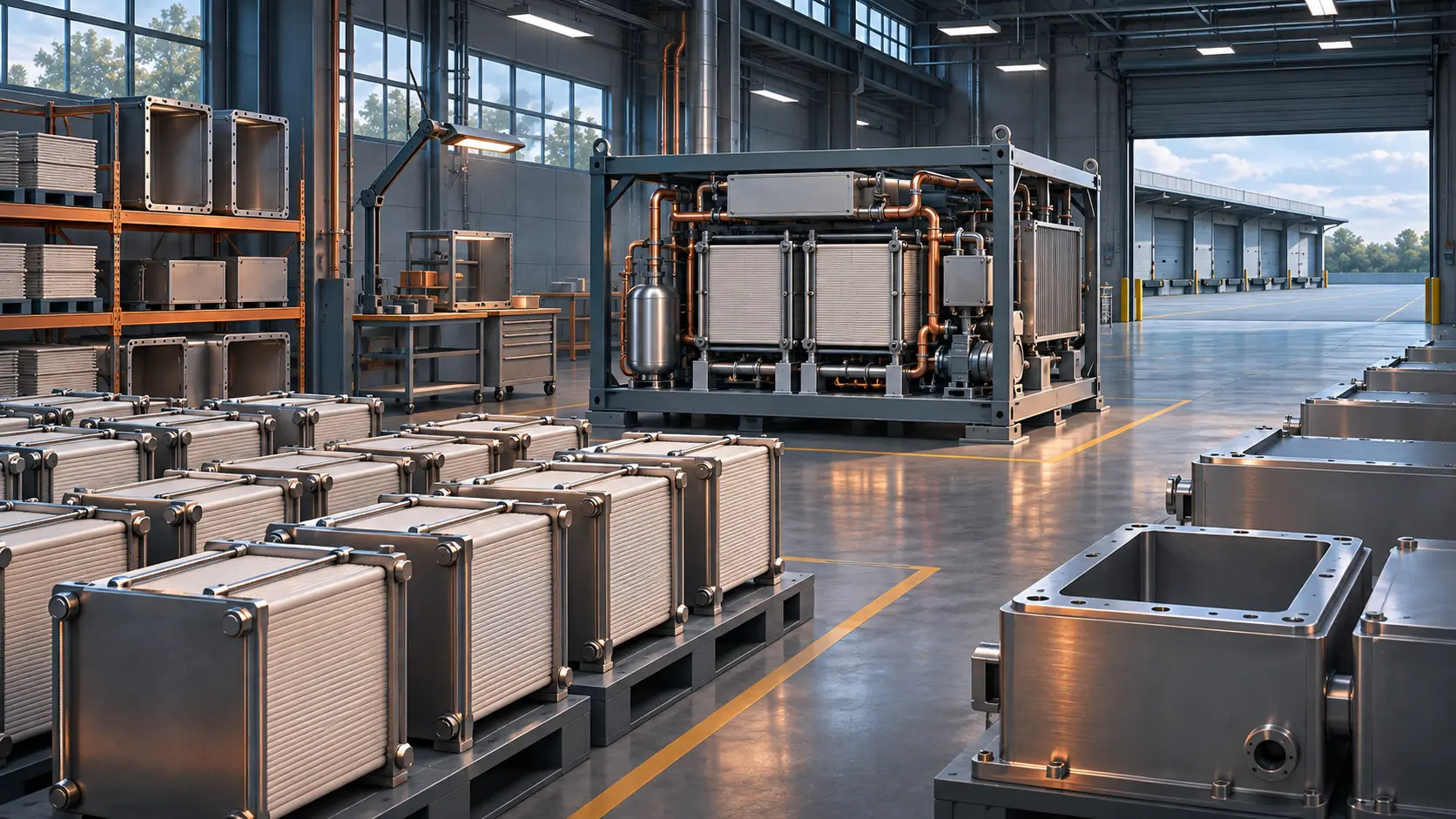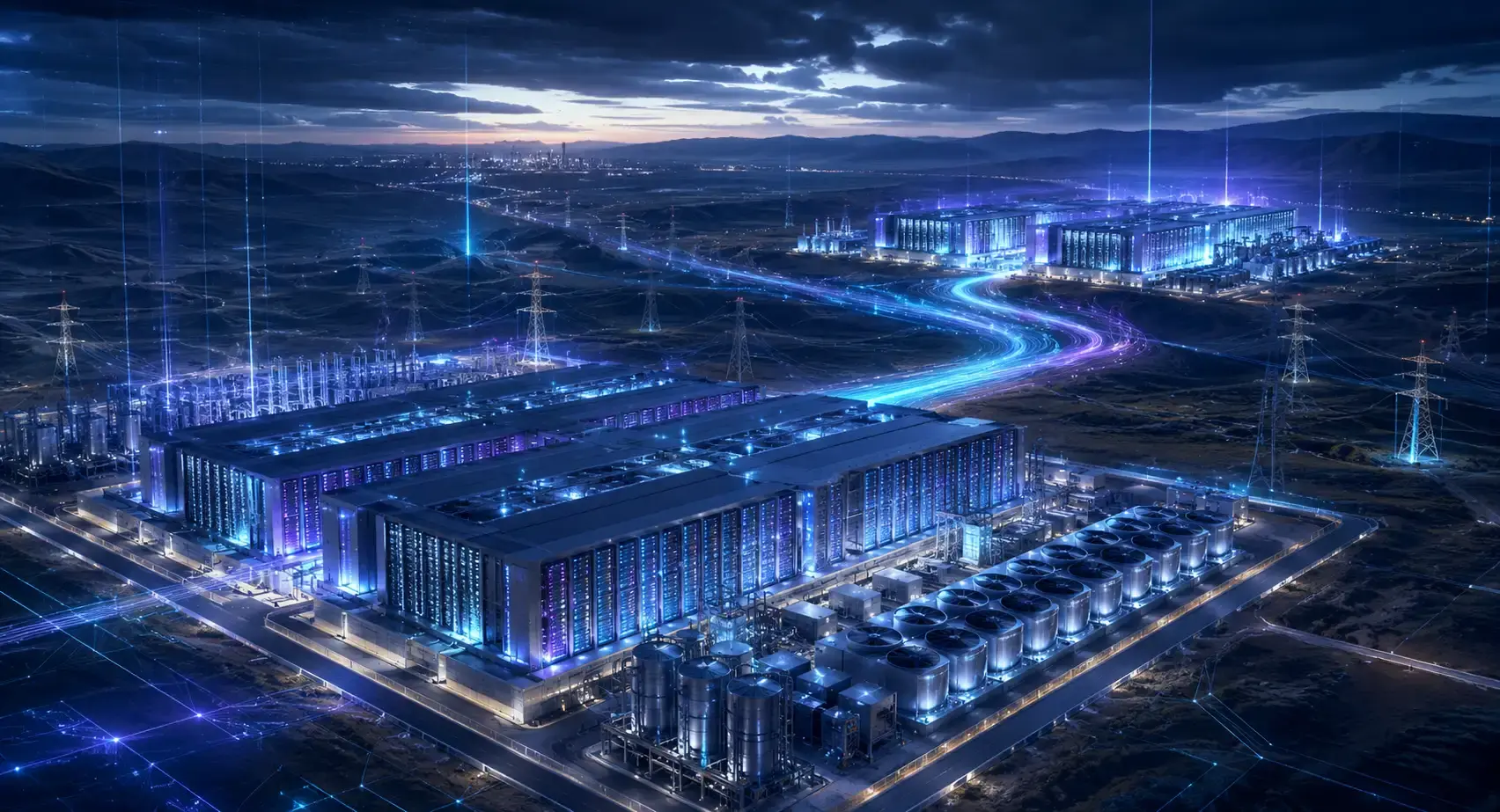
Meta secures about 1.6GW AI computing capacity from Crusoe across two US data centre sites.
Forget the model weights. The scarcest commodity in artificial intelligence right now is a substation, a transmission line, and a patch of Texas dirt with water rights attached. Meta just went shopping for all three.
On June 18, Meta Platforms signed agreements with data center developer Crusoe to buy roughly 1.6 gigawatts of AI computing capacity across two US sites — Childress, Texas, and Warrenton, Missouri. The price tag and the delivery calendar stayed in the vault, which is exactly where the interesting part lives.
Meta's 1.6 GW Crusoe Deal: The Facts
- Two sites: Childress, Texas, and Warrenton, Missouri.
- Combined contracted capacity: approximately 1.6 gigawatts.
- Spend and delivery schedule: confidential.
That silence is the story. A gigawatt is not a purchase order you can wave around; it is a decade-long bet on land, permits, transformers, and the patience of a local utility board. Meta is not buying servers. It is buying the right to plug them in.
Why Power, Not Chips, Is the New AI Bottleneck
For two years the industry obsessed over GPUs. The constraint has quietly migrated downstream. Access to data centers, firm power, and compute supply is now the choke point in the hyperscale supply chain — the thing that decides whether a model ships on schedule or slips a quarter.
Meta is treating that reality as strategy, not inconvenience. These agreements sit inside its pledge to invest $600 billion in US infrastructure and jobs over three years. Read the number again: six hundred billion. That is not a capex line, it is a land-grab dressed in a spreadsheet.
Crusoe's Rise: From Specialist to Strategic Supplier
The deal also marks a shift in who matters. Specialized infrastructure developers like Crusoe are no longer just real estate or colocation vendors renting out floor space — they are becoming strategic suppliers to the largest tech companies on earth.
For BTW readers, that is the thread worth pulling. These same developers underpin the physical layer of Internet infrastructure: the data centers, power grids, and interconnection points that everything above them — cloud, content, commerce — quietly depends on. When a hyperscaler signs a multi-site gigawatt deal, it is not just buying compute. It is hardening, or straining, the substrate the rest of the Internet runs on.
What to Watch: Grid Interconnection and the Next Multi-Site Deal
Two things will decide whether 1.6 GW becomes a headline or a habit. First, delivery timelines and progress on grid interconnections in Texas and Missouri — the permitting and power math is where ambitious capacity announcements go to die. Second, whether other hyperscalers strike similar multi-site deals with specialized AI infrastructure developers, turning a one-off into an industry template.
The model race gets the applause. The grid gets the bill. Whoever wins the next few years of AI will be the one who locked down the megawatts first — and Meta just made sure it was standing at the front of the line.
Signal Brief
- Signal: Meta Buys 1.6 GW of AI Muscle From Crusoe—and the Grid Pays the Bill
- Region: North America
- Market Class: Global Datacenter Trends
Market Context
- Expansion of large-scale AI compute contracting
- Operational relevance: High
- Time Horizon: Next quarter
Member Briefing
Read the full trend briefing
Members read the full briefing with the source notes behind every finding.
Strategic Circle
A daily briefing in your language, built from changes we have verified.
Join for USD 20/monthCancel anytime.
Members also get the full research library, a daily briefing on the networks they follow and the private forum.
Snapshot
Category
Global Datacenter Trendshyperscale AI compute buyer
Region
North AmericaContent Type
Signal BriefingPrimary Domain
MarketTopic
TechnologyImpact
HighExpansion of large-scale AI compute contracting
Confidence
Good confidence (82%)Confidence score guide
Several public sources