
Europe and Middle East National Telecom Trends
Europe and Middle East National Telecom Trends
National Telecom trend intelligence tracks national telecom market trends, 5G rollout, fibre modernisation, wholesale network strategy, spectrum pressure, and digital infrastructure investment in Europe and the Middle East, giving readers a fuller view of the demand shifts, capacity constraints, platform strategies, capital timing, regulatory pressure, and operating assumptions behind the market.

Latest Coverage
Latest from Europe and Middle East National Telecom Trends
494 articles

Europe and Middle East National Telecom Trends
Britain’s Cable Plan Has Two Security Settings—and One Is Missing a Word
The UK wants to regulate fibre that can listen to the seabed, control who handles its data and order cable or repair firms to act in a national-security crisis. Its new White Paper sets out the machinery. It also gives the proposed direction power two different thresholds…

Europe and Middle East National Telecom Trends
Britain Gave Telecom Continuity a Seat at the Merger Table
A new UK order puts the continuity of phone and broadband supply on the public-interest side of merger review. Its sharpest instrument is an order-making power, available only through a defined statutory doorway.

Europe and Middle East National Telecom
Telia Put the Night Shift on the Price List. The Price Is a Phone Call.
Telia’s new Secure 24/7 service gives smaller businesses a staffed security centre through the hours when the office lights are off. The product page publishes prices for backup and basic security, then sends buyers to sales for the people who answer at 03:00.

Europe and Middle East National Telecom
Apax’s Odido stake agreement leaves price and closing conditions open
An agreed change in ownership can concentrate decision rights. Odido’s announcement, however, supplies neither a price nor a public operating scorecard for the promises of continuity and investment that accompany it.
Europe and Middle East National Telecom
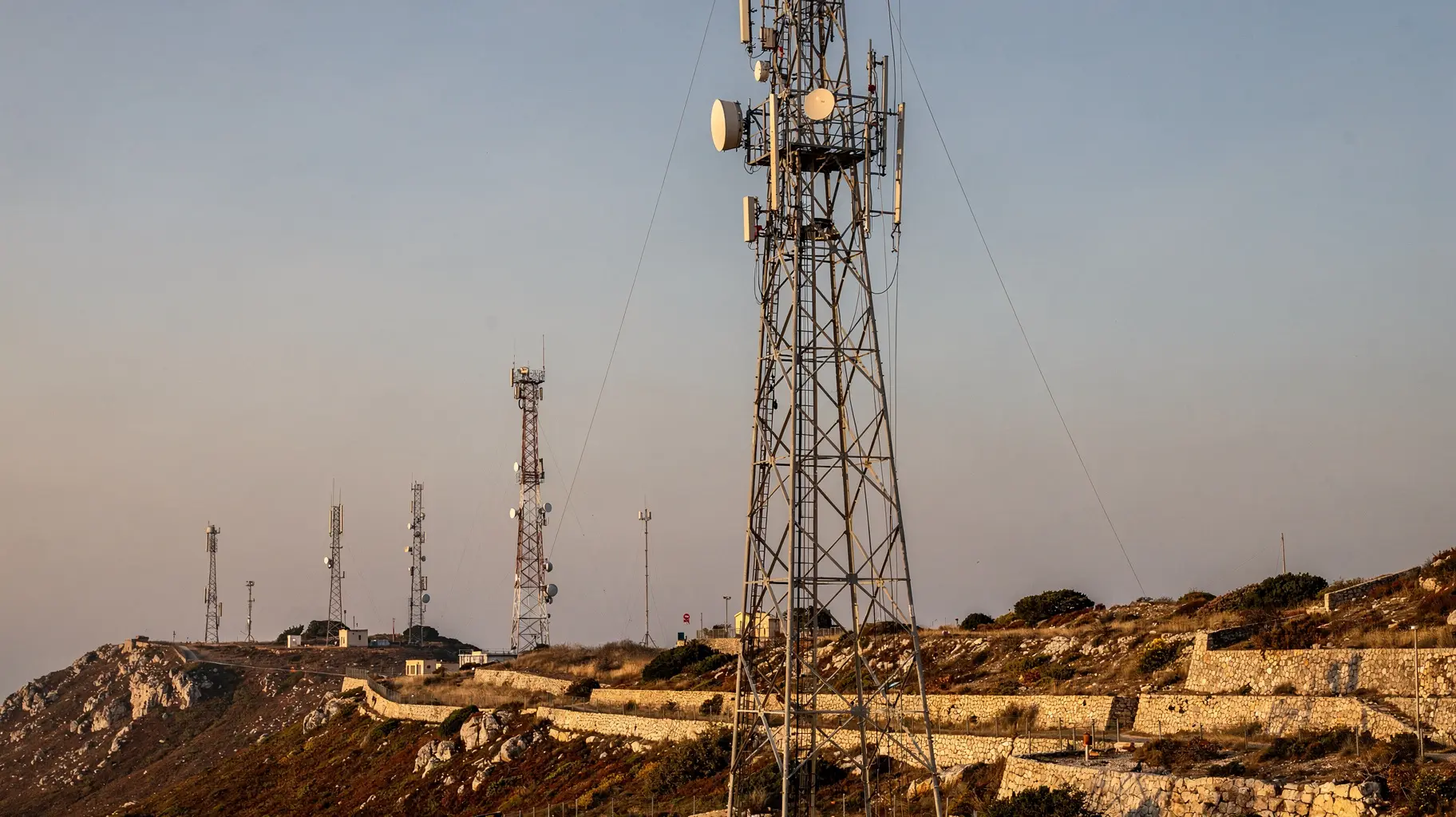
EI Towers: a price gap, an unmeasured contract, and a deadline that moved twice
The Rai Way–EI Towers combination missed its 30 June 2026 date after the owners had already moved the timetable once. The reported obstacle is valuation. The only operating variable anyone named in public was the length of the tower company's transmission contracts with…

Europe and Middle East National Telecom
Telefonica de Espana: public remedy, unreadable access price
Spain's competition and telecom regulator keeps a public file on the wholesale market where rivals buy the use of an incumbent's network. The file, the regulator's press page and the operator's own results page were all retrieved. None of them yielded a price, a volume or a…

Europe and Middle East National Telecom Trends
Fraud data can travel; suspicion still needs a label
The UK’s new telecom fraud-sharing guide lowers the practical barrier to cooperation, but its real test is whether each signal keeps its source, confidence and correction path as it crosses company and sector boundaries.

Europe and Middle East National Telecom Trends
The Caspian cable is launched; the corridor still has to perform
The 380-kilometre link between Azerbaijan and Kazakhstan has crossed a real commissioning milestone. Its design capacity and inauguration establish the segment; they do not yet show how much end-to-end traffic the wider Asia–Europe route carries.

Europe and Middle East National Telecom
e&’s 500 Tbps target needs a definition before it can be audited
The operator’s 2030 ambition is easy to repeat and difficult to verify. A dated baseline, a stable perimeter and a clear account of what “capacity” counts would turn the headline into a monitorable commitment.

Europe and Middle East National Telecom Trends
France’s 1800 MHz sharing pools capacity but keeps licence duties separate
France’s four mobile operators can now pool 1800 MHz radio capacity at selected shared sites. Arcep’s decision leaves each licensee answerable for its own deployment duties.

Europe and Middle East National Telecom Trends
Oman’s private-network rules and spectrum study run on separate clocks
Oman closed a spectrum study for private broadband in October after consulting separately on a personal-use private-network regulation in June. The public record does not join the two processes or show an allocation decision. For an enterprise, that means network permission and…

Europe and Middle East National Telecom Trends
France lets four mobile rivals share more than a mast
Bouygues Telecom, Free Mobile, Orange and SFR may pool 1800 MHz frequencies at selected shared sites. The permission could ease local congestion; whether a subscriber gets a faster connection depends on what happens next.

Europe and Middle East National Telecom Trends
Europe's telecom passport leaves someone else to read the rulebooks
A telecom operator could receive its European passport in a week and still lack the spectrum needed to serve a customer. The proposal's value depends on whether that quick reply makes the remaining work clearer.

Europe and Middle East National Telecom Trends
Colt's Connect button still leads to a conversation
Putting last-mile access inside Equinix Fabric makes a connection easier to order. The useful detail is what happens after the price appears.

Europe and Middle East National Telecom Trends
Telia moves technology roles closer to markets; accountability is the next test
Telia’s proposed transfer of about 220 technology positions to country units is a change in where work sits. Whether it improves decisions will depend on the authority, expertise and service obligations that move with it.

Europe and Middle East National Telecom Trends
Ofcom's empty columns have an explanation. The falling line count needs another.
Britain's fixed-voice market is shrinking in the published figures. To understand whose business is changing, readers first have to separate a decision about disclosure from a change in the network.

Europe and Middle East National Telecom Trends
Odido’s next network bill
Apax’s proposed buyout of its fellow shareholder comes after an expensive radio upgrade. The question now is what happens to the cash when that work winds down—and which network costs keep coming.

Europe and Middle East National Telecom Trends
Spain's 400 numbers make the sales pitch visible before you answer
The new commercial-call prefix cannot be called back. A dispute over fresh numbers shows what happens when a sales call becomes easier to recognise—and easier to ignore.

Europe and Middle East National Telecom Trends
Ofcom’s AI agent scenario puts customer authority at the centre
Ofcom’s future broadband agent can compare, shortlist and prepare a switch. The decisive test comes later: can a provider verify that the customer, after seeing the contract summary, actually authorized the contract to take effect?

Europe and Middle East National Telecom Trends
State Aid Builds Fibre. Wholesale Access Still Has to Work.
Public funding can build fibre networks, but a formal wholesale-access obligation does not guarantee that competing providers can order, receive and use a suitable input. BEREC’s draft report examines the distinction between required products and practical access, against a…