
Europe and Middle East National Telecom Trends
Europe and Middle East National Telecom Trends
National Telecom trend intelligence tracks national telecom market trends, 5G rollout, fibre modernisation, wholesale network strategy, spectrum pressure, and digital infrastructure investment in Europe and the Middle East, giving readers a fuller view of the demand shifts, capacity constraints, platform strategies, capital timing, regulatory pressure, and operating assumptions behind the market.

Latest Coverage
Latest from Europe and Middle East National Telecom Trends
335 articles

Europe and Middle East National Telecom Trends
Openreach's copper price lever still depends on each address
A lower exchange-wide coverage hurdle gives Openreach more scope to encourage fibre migration. Retailers still have to make that move work for individual customers.

Europe and Middle East National Telecom Trends
Russian ministry says independent MVNOs cannot offer 5G
Independent Russian MVNOs may be excluded from 5G under new spectrum rules, although industry figures dispute whether the restriction amounts to a direct ban.

Europe and Middle East National Telecom
Gamma's UK SME gross profit falls 7%
Gamma added cloud and fibre volumes in the UK, but lower pricing on new and renewed business outweighed that growth in the first half.

Europe and Middle East National Telecom Trends
Four telcos weigh joint EU satellite-spectrum bid
Deutsche Telekom, Orange, Vodafone, and Telefónica are reportedly discussing a joint bid for EU spectrum that could support satellite-to-phone services.

Europe and Middle East National Telecom Trends
UK allocates £2.8bn to space connectivity programmes
The funding covers programmes including SKYNET, C-LEO and £57 million for better rail connectivity under the UK's new space strategy.

Europe and Middle East National Telecom Trends
Bouygues Telecom's Cloud TV test lies in what remains
Kaltura's new platform is live, with Aurora Networks leading its integration. The economic question is which work can be retired and who will maintain the delivery interfaces that still matter.

Europe and Middle East National Telecom
O2 brings Starlink satellite service to UK businesses
O2 is extending Starlink-backed satellite coverage to business customers when its terrestrial network is unavailable.

Europe and Middle East National Telecom
Eutelsat joins Greenland satellite connectivity project
Eutelsat will provide OneWeb capacity through Tusass to extend connectivity to remote Greenland communities and critical infrastructure.

Europe and Middle East National Telecom Trends
Haivision brings network-priority requests to the producer
Choosing the important camera feed and obtaining priority on a mobile network are different decisions. A European proof of concept is trying to connect them.

Europe and Middle East National Telecom Trends
EXA, euNetworks file plans for Ireland-UK subsea cables
EXA and euNetworks have filed separate applications for new Irish Sea fibre cables, with both projects still at the regulatory stage.

Europe and Middle East National Telecom Trends
Kontron wins Romanian rail communications contracts
Kontron Transportation has won several railway communications contracts in Romania and will deliver the work with Hitachi Rail Romania over 48 months

Europe and Middle East National Telecom Trends
4iG plans Starlink Mobile launch in Hungary and Albania
4iG will start with Hungary and Albania, then extend a later 2GHz 5G NTN service to Montenegro and North Macedonia.

Europe and Middle East National Telecom Trends
Elliott urges Deutsche Telekom to drop T-Mobile merger
Elliott is pushing Deutsche Telekom to abandon a potential T-Mobile US combination and favour larger share buybacks instead.

Europe and Middle East National Telecom Trends
AST’s US$23.5m SatCo Contribution Now Sits in Three Ledgers
A European satellite distribution venture can look straightforward in a partnership announcement: a company contributes rights, receives a stake, and gains a route to mobile-network operators. AST SpaceMobile’s latest filing makes the arrangement more useful—and more…
Europe and Middle East National Telecom Trends
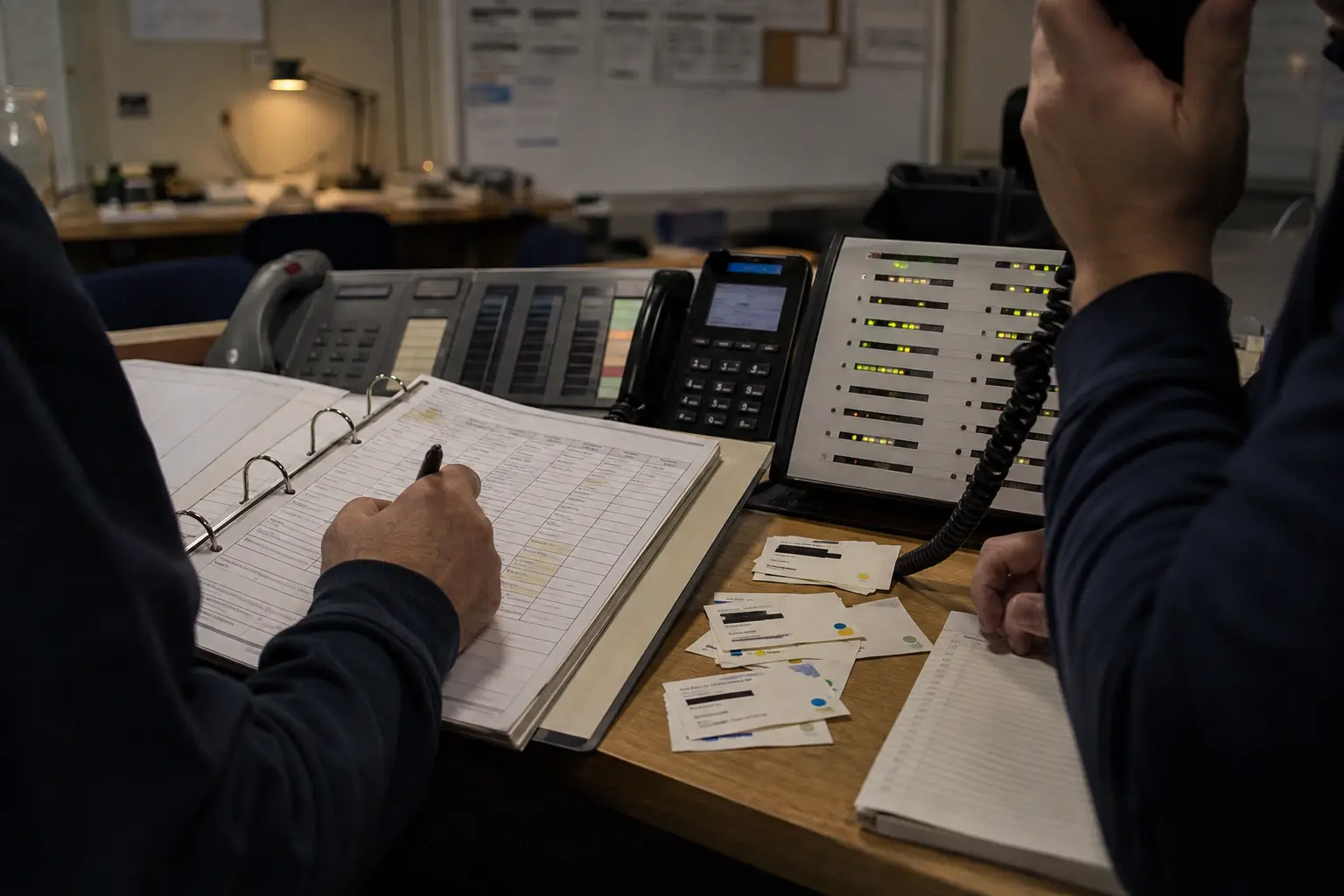
A priority telecom restoration register is not a local continuity plan until eligibility, escalation and service recovery are verified
The outage call begins with confidence. Someone opens the “priority sites” spreadsheet. The rows name a civic coordination room, two health facilities and a transport control point. Then the useful questions begin. Which access service serves each building? Has the provider…
Europe and Middle East National Telecom Trends
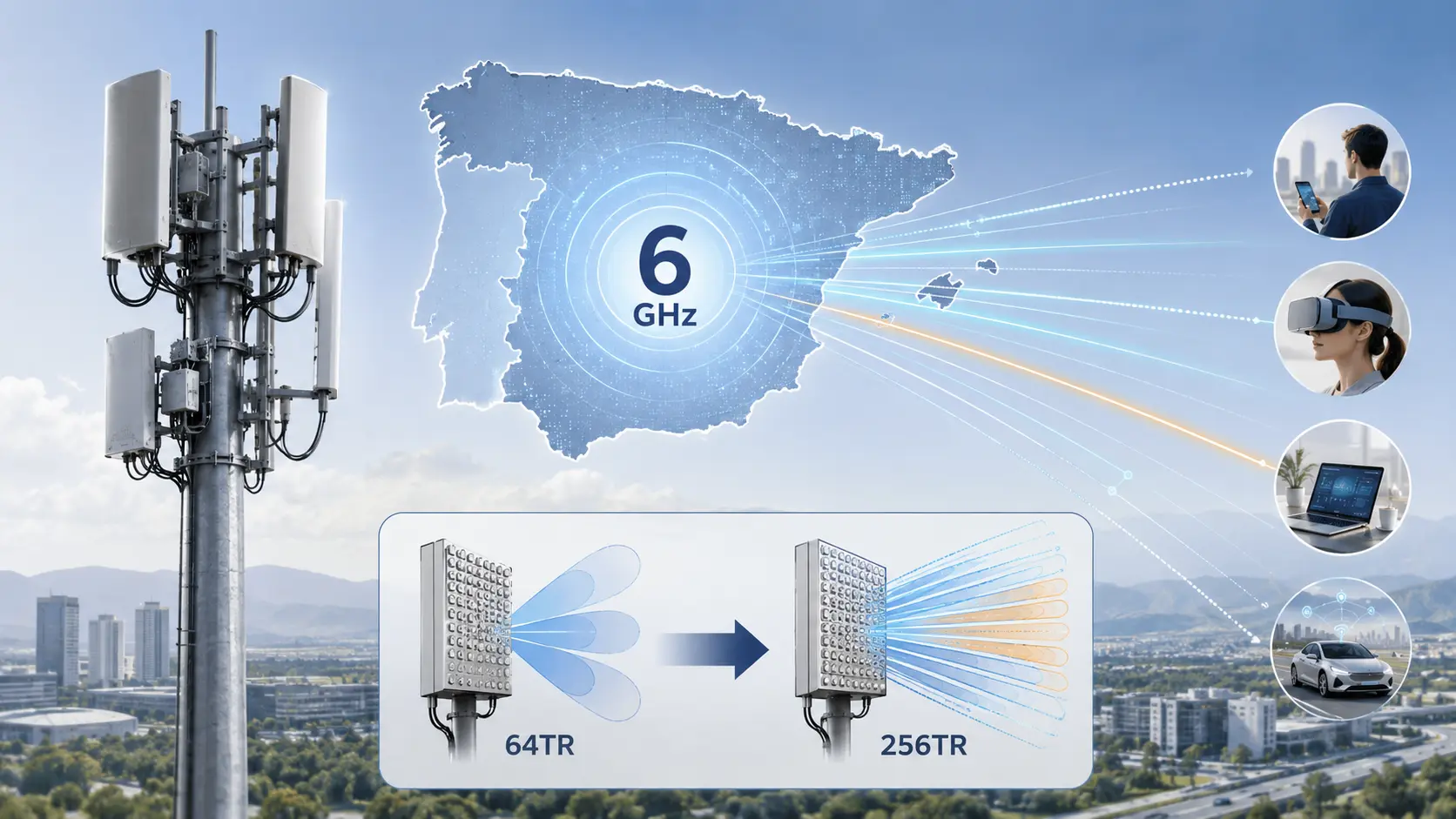
MasOrange tests 6GHz radio technology with Ericsson
MasOrange has tested 6GHz spectrum with 256TR active antennas and beamforming as it evaluates radio technology for future 6G deployment.

Europe and Middle East National Telecom Trends
Tottenham Hotspur upgrades stadium network with Wi-Fi 7
HPE will add outdoor Wi-Fi 7 and bring data-centre, campus and edge network management into Aruba Central at Tottenham Hotspur Stadium.

Europe and Middle East National Telecom Trends
A mobile-site generator is not a local continuity plan until refuelling access, runtime and restoration priority are verified
A generator beside a mobile site is equipment, not proof of continuity. The local capability begins only when the site’s real load, safe access, fuel replenishment authority, delivery time and restoration priority can be exercised as one bounded operating chain.

Europe and Middle East National Telecom Trends
An alternate coordination room is not a local continuity site until access, data, call routing and staffing are exercised
An address on a continuity plan does not prove that an alternate coordination room can take over. The capability begins only when authorised people can enter, receive the right calls and data, recover the current incident picture and accept command responsibility under controlled…

Europe and Middle East National Telecom Trends
A satellite handset in storage is not a local outage fallback until airtime, deployment and call routing are exercised
A satellite handset can diversify emergency communications when terrestrial services fail. Its presence in a resilience cupboard does not prove that the duty team can power it, deploy it, obtain service or complete the call route the local plan depends on.