
Intelligence
Latest Articles
Latest intelligence on infrastructure operators, policy decisions, market moves, and digital power shifts.

History
The Domain Entry Pointed to the Organisation. It Was Not the Organisation: RFC 1279
The most disciplined line in RFC 1279 was not about search speed or a grand replacement for DNS. It was about identity. A domain and an organisation were different entities; a mailbox and a person were different entities. The proposed directory could connect them, but it was not…

AFNOG
AfNOG Publishes Host Preferences but Makes the Convenors’ Choice Final
AfNOG’s public hosting page gives a prospective Africa Internet Summit host an unusually detailed list of obligations. It also publishes three selection preferences. What it does not publish is how those preferences are compared before AfNOG Convenors and AFRINIC Management make…

Leaders
Prawijaya Prawijaya and the Human Name Inside a Network Record
Prawijaya Prawijaya and the Human Name Inside a Network Record intelligence summary explains the development, the public evidence available to readers, the organisations involved, the regional context, market exposure, and the infrastructure consequences that may follow. The…

History
The Fallback Was Written Down. Running Servers Still Broke the Session: RFC 1425
The old server was supposed to say that it did not understand `EHLO`, remain connected and let the client try `HELO`. That was the elegant transition drawn in RFC 1425. Seventeen months later, its successor had to record what running systems actually did: some dropped the…

History
The Shortcut Was for Display. The Stored Address Had to Outlive It: RFC 1278
The sharpest sentence in RFC 1278 comes after the convenient machinery. Macros could shorten a long presentation address, nest inside one another and choose the longest available substitution for display. Then the memo drew the line: no macro should ever be relied on. In 1991…

Europe and Middle East Datacenter Trends
Equinix's atNorth Stake Closed at 34%, Not the Planned 40%
Equinix reached the atNorth closing with a smaller cheque and a smaller stake than its February filing described. The disclosed commitment moved from up to US$963 million for approximately 40% to US$895 million for approximately 34%. That US$68 million gap is real as a comparison…

History
The Mail Stayed Readable. Every Rewrite Became the Verifier's Problem: RFC 1421
The words were already on the screen. A recipient could read the paragraphs, understand the request and even act on them. Yet the machine still had a different question: were these the same canonical lines that the sender had signed? In RFC 1421's `MIC-CLEAR` format, human access…

Latin America and Caribbean Institutional Trends
Chevron’s 600,000 bpd Venezuela target is a JV total, not disclosed net production
Chevron has put a large operating ambition on Venezuela: more than $7 billion over five years and production of about 600,000 barrels a day. The numbers become useful only after they are placed on the right ledgers. They describe a programme across three joint ventures with…

History
The Plan Was Published Before the Result. The Announcement Could Change the Sample: RFC 1273
The awkward number in RFC 1273 was not 73,760 connection attempts. It was the cost of explaining them. In the study’s initial tests, messages intended to notify remote administrators generated more network and administrative load than the measurement itself, while roughly half…

History
The Name Service Failed. The Agent Could Still Answer: RFC 1419
The management station remembered an agent's name and yesterday's address. Today the name service could not resolve it. The direct datagram path might nevertheless still work—and that old address might still reach the intended box. Or a new box might have acquired it. RFC 1419…

History
The Session Died. Route Memory Became an Explicit Exception: RFC 1267
An incremental protocol carries an unspoken dependency: both sides must remember the same beginning. RFC 1267 sent a complete routing table once, then only the changes, and required each BGP speaker to retain its peer’s current table for the life of the connection. Later BGP…

North America National Telecom Trends
TDS Withdrew Its 0.86-Share Array Proposal and Reopened $523.9m of Buyback Capacity
TDS has turned its common-share denominator around without yet moving it in either direction. The abandoned Array proposal pointed toward issuing roughly 13.49 million TDS Common Shares on the latest disclosed share count. The post-withdrawal plan points toward repurchasing TDS…

History
The Specification Called Zero VAR. Running Code Called It VALUE: RFC 1408
One octet crossed a Telnet connection. The new specification said zero introduced a variable name. A family of existing programs read the same zero as the beginning of a value. Nothing in the packet announced which dictionary had produced it. RFC 1408 had given the exchange a…
History
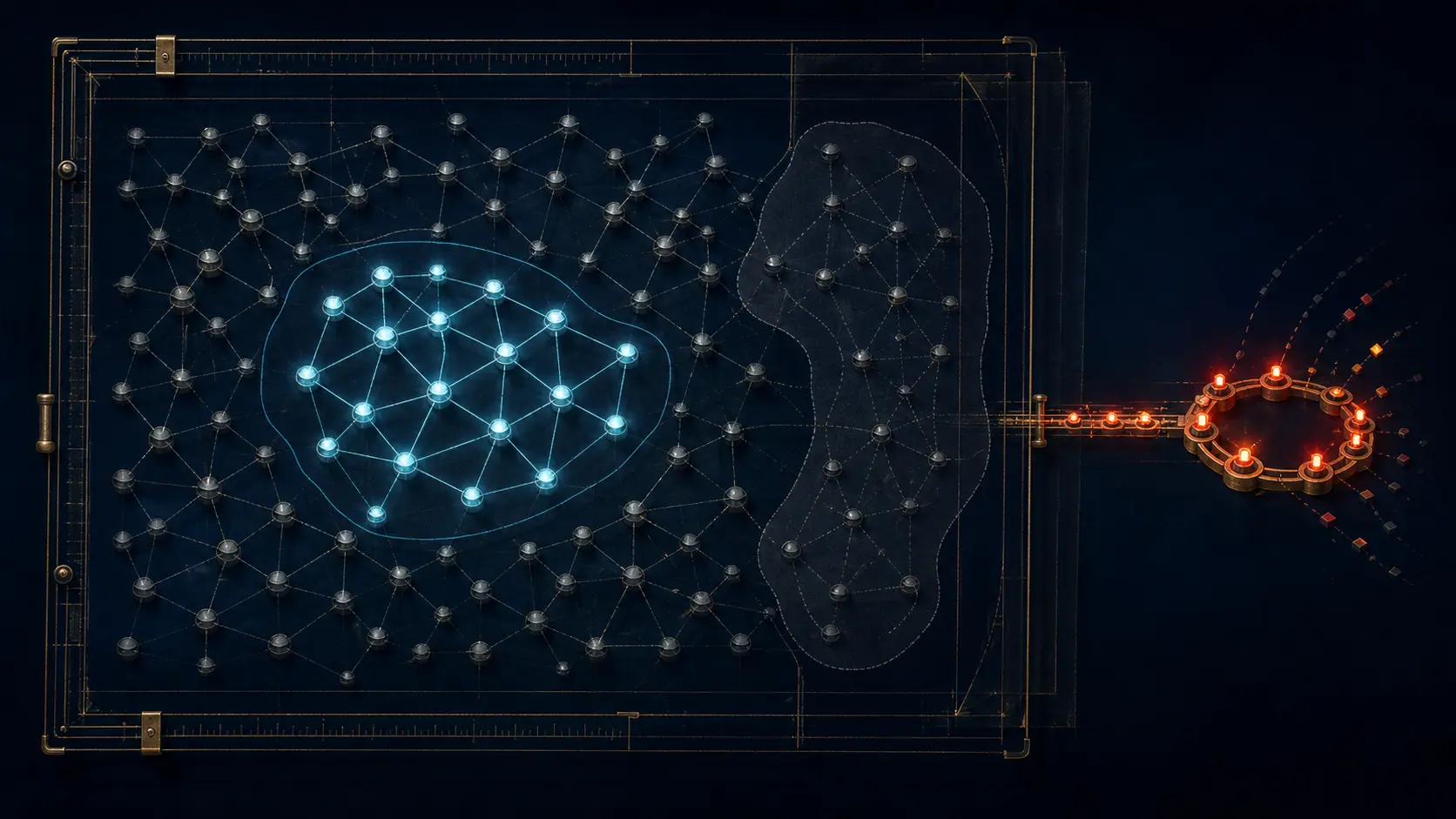
The Report Counted 56 Routers. It Refused to Call the Stress Case Normal: RFC 1266
Fifty-six was not the number of production routers. RFC 1266 first counted 56 BGP border routers in seven autonomous systems, then removed the seven-router T3 NSFNET Test Network from the operational denominator: 49 routers, six systems. That correction is the most important line…

IETF
Colin Perkins and the Sent Event That Did Not Say Transmitted
A local transport API can report that it has finished with a message while the network has not yet made the message observable anywhere else. RFC 9622, co-authored by Colin Perkins, makes that boundary unusually explicit: a `Sent` event marks a handoff below the API, not a…

History
The Graph Could Travel. Its Measurement History Had to Travel With It: RFC 1404
A line on a screen looks self-contained. In 1993, RFC 1404 treated it as the end of a chain: a named interface had been polled at an actual interval, its counter had been turned into a delta, the result had been mapped to a continuing network resource, and older samples may…

Asia-Pacific Institutional Trends
ITOCHU Bought 50 Shares Above Its Tender Plan—and Stayed Inside the Mandate
ITOCHU’s tender result contains an apparent impossibility. The company planned to buy 82,735,700 shares, yet its result table records 82,735,750 purchased. The fifty-share excess is not a breach hiding in a footnote. It is the visible consequence of a disclosed allocation rule.…
History
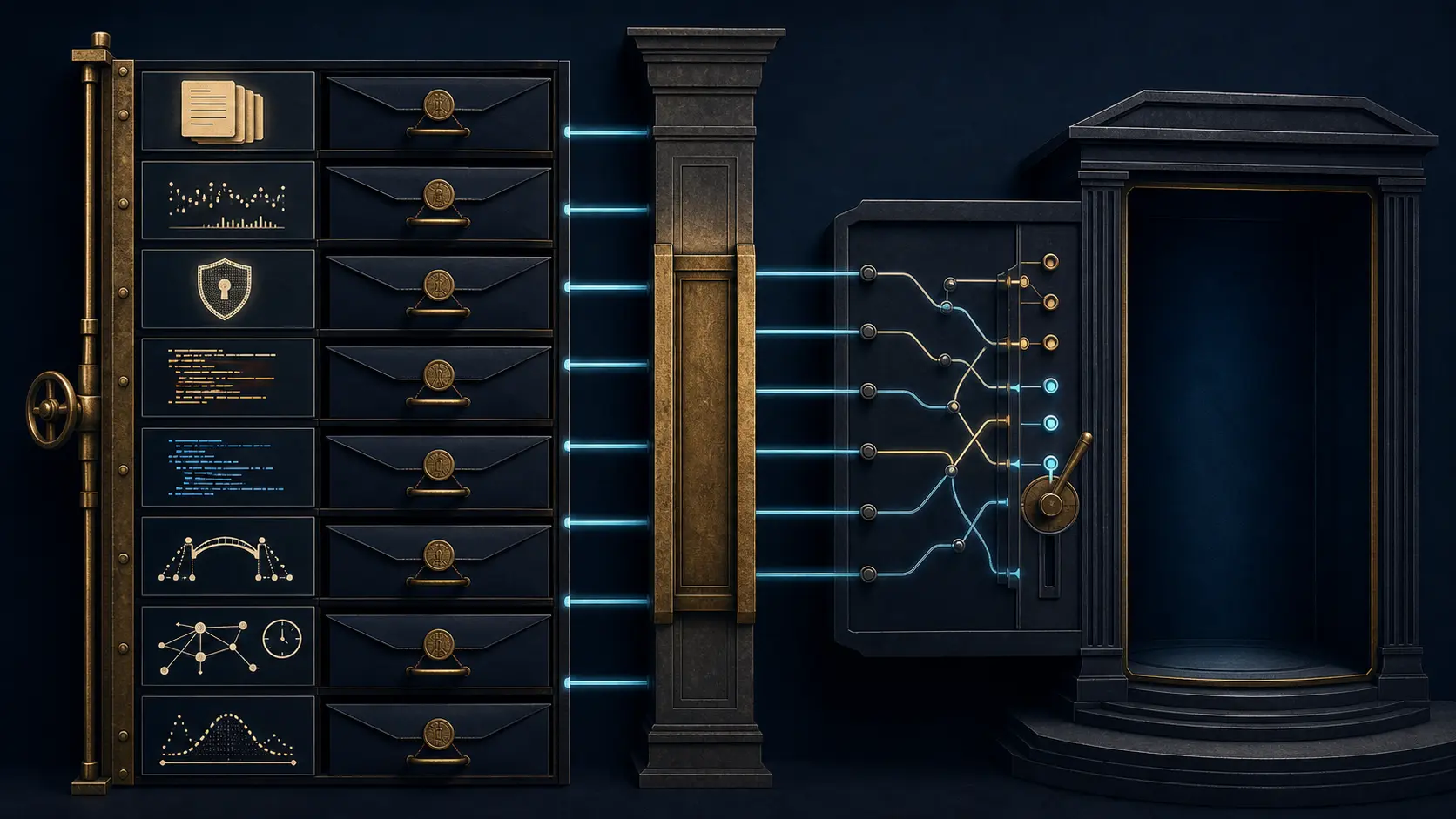
The Checklist Was Retired. The Evidence Question Moved: RFC 1264
In 1991, a routing protocol did not advance merely because its specification looked complete. RFC 1264 asked for separate receipts: independently written code, tests for every feature, security demonstrations, operational history, and an account of where the design would break.…

History
The Route Tag Could Admit It Had Forgotten the Path: RFC 1403
A border router in 1993 could squeeze a route’s history into thirty-two bits only by throwing most of that history away. RFC 1403 made the loss visible: its OSPF tag could say whether path knowledge was complete and roughly how long the path had been. When the missing detail was…

IETF
Marco Tiloca and the Revocation Notice That Did Not Withdraw Access
An authorization server can place a token on a revocation list and send a notification while a constrained resource server has not yet learned the change. RFC 9770, co-authored by Marco Tiloca, creates a disciplined way to distribute that information in ACE. It does not collapse…