
Intelligence
Latest Articles
Latest intelligence on infrastructure operators, policy decisions, market moves, and digital power shifts.

History
The Public Register Lost Its Coin Slot
In 2015, Companies House made more than 170 million digital records free to inspect. The useful part was what happened after the first question: people could keep looking, and software could join in.

History
The Play Button Got a Mixing Desk. The Browser Did the Heavy Lifting.
A play button can start a song. Ask it to make a game explosion fade behind a character, pan a passing car across a room, or shape a note into a new instrument, and the button stares back. W3C's Web Audio API gave web applications a different piece of furniture: a graph of…

History
NOAA’s Chart Website Needed a Map
In 2013, NOAA put about a thousand nautical charts online as free PDFs. The first entrance was a list of chart numbers. Even a mapmaker could leave the visitor looking for directions.

History
The Website Asked for One Photo. The Browser Kept the Filing Cabinet.
A reader picks a photograph to show a web page. The page would like the picture; it has no business browsing the tax returns in the next drawer. W3C's File API gave the browser a way to represent the chosen file and let the page work with its bytes. That small handoff turned the…

Leaders
Philip Smith Gave IPv6's Imaginary Networks a Real Address
A network manual needs addresses that look ready to work. In 2002, Philip Smith asked a deceptively practical question: whose live network would a reader accidentally copy from the page?

History
The Library’s $24.95 Account Came with Homework
In 2008, a Flickr account brought old photographs new names, family memories and an eager audience. Turning that enthusiasm into a better catalogue kept the librarians busy.

Leaders
Bijal Sanghani Wouldn't Call a Few Emails a Consensus
Two people wanted the chair. The mailing list had spoken, but it had not settled the matter. At RIPE 87, Bijal Sanghani made the working group say the quiet part out loud: whom did it actually support?

History
The Map Wanted Your Location. The Browser Asked You First.
Lost in an unfamiliar city, a traveler opens a map and finds the little blue dot more useful than another heroic guess at the street names. The site would like to know where to place it. In 2008, W3C's first Geolocation API draft described a browser interface for exactly that…
History
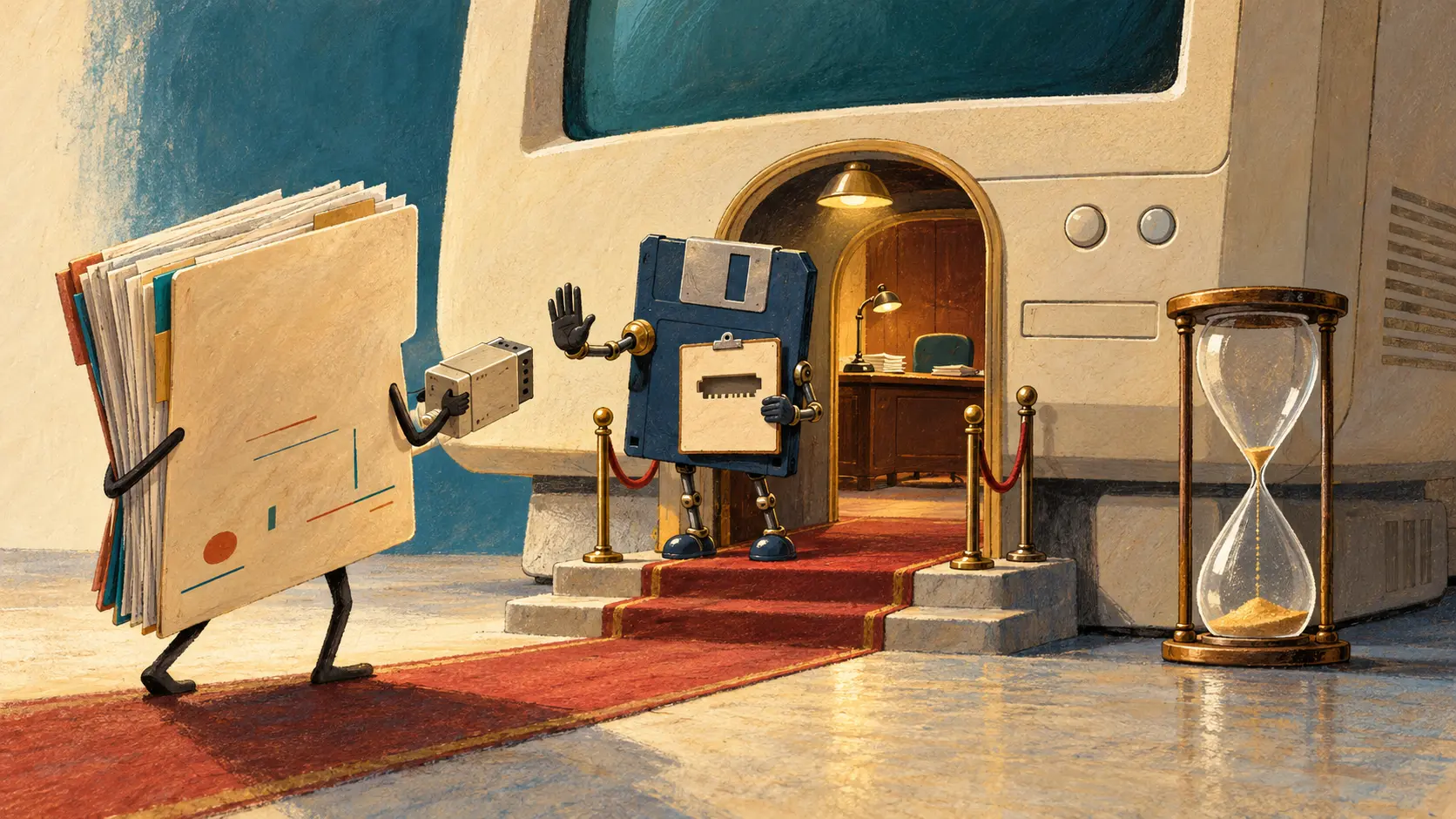
The Grant Application Met a Software Bouncer
Grants.gov promised a common front door to federal funding. Between 2006 and 2009, getting through it could depend on the forms software—and on which clock the agency believed.

Leaders
Rob Evans Took BGP Out of the IPv6 Application Form
An address-allocation form once asked a network operator to promise how it would announce its route. Rob Evans looked at that line and saw a registry trying to write the router's job description.

Leaders
Nick Hilliard Told the Calendar to Wait for the Routers
A conference network can be temporary without materialising overnight. RIPE's old address rule allowed just seven days beyond the event itself. Nick Hilliard persuaded the community to give the cables, shipping boxes and routing filters a more realistic timetable.
History
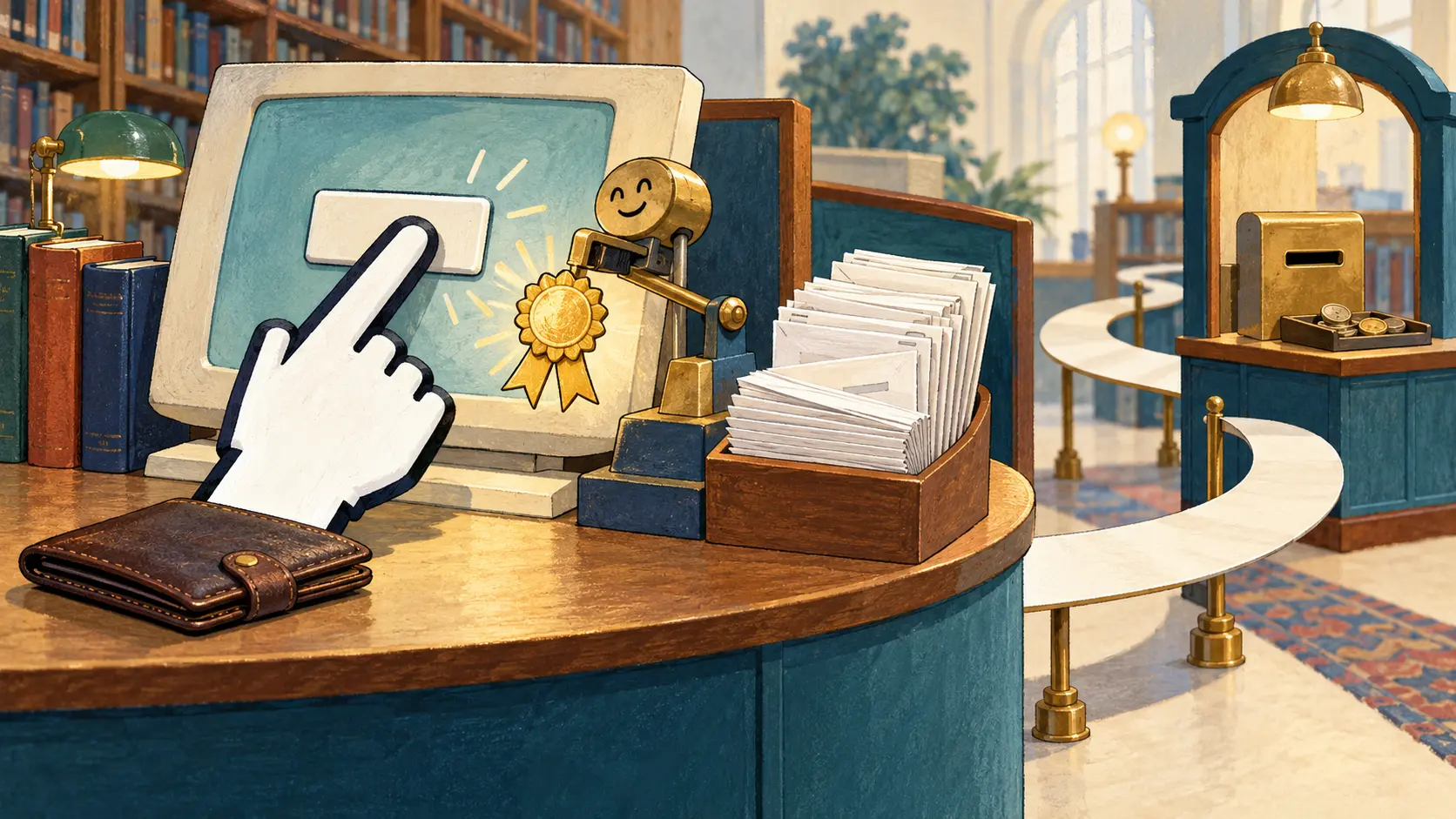
The Library’s Donate Button Was Generous with the Word “Donor”
An early web fundraiser promoted visitors to donors before the money arrived. The promotion came with a perk: fewer appeals.

Leaders
Nurani Nimpuno Put IANA on a Report Card. The Comment Box Stayed Empty.
The first annual check of IANA's numbering service had a contract, a stack of monthly figures and a public invitation from its chair. Nurani Nimpuno got four transactions and zero comments back. The little numbers make the big handover legible.
History
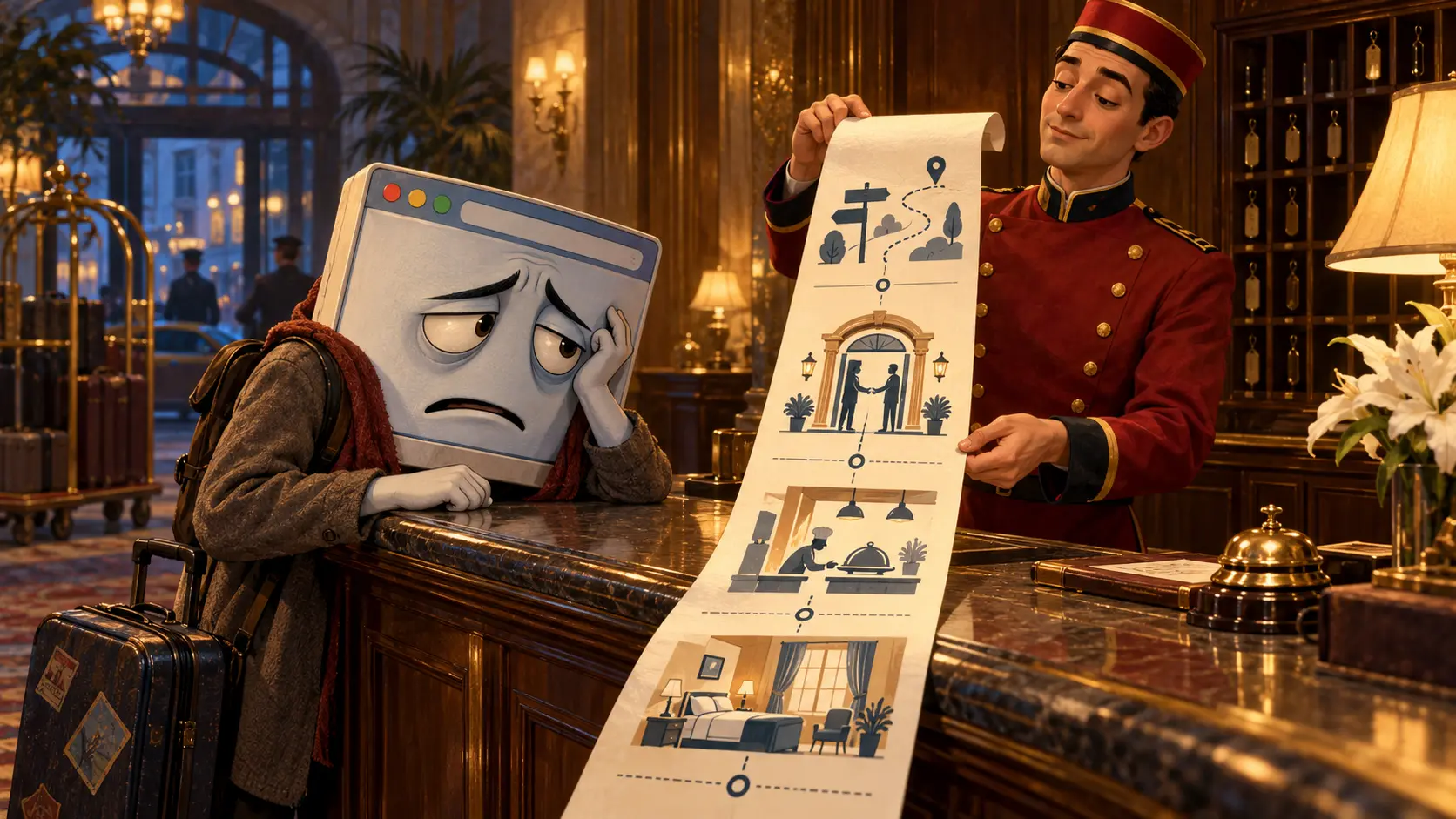
The Browser Was Late. This Time It Brought an Itemized Bill.
A page that opens slowly can blame the network, the server, the browser, or whatever is least likely to answer back. In 2010, W3C's Navigation Timing draft gave the page a better prop than an excuse: timestamps for the trip from navigation to the load event. By the 2012…

Leaders
Nathalie Trenaman Ran Out of Weeks
RIPE NCC delivered 48 in-person IPv6 courses in 2016. The calendar had almost no blank squares left, and the classes were in English. Trenaman’s answer was to grow a bench of local teachers, then make them earn the whistle.

Leaders
Sander Steffann Handed Over the Whistle
An Internet policy chair wanted to argue the case. His next move was to tell everyone who would judge it instead. That little handoff deserves more attention than the usual grand speeches about neutrality.

History
The Hidden Tab Kept Checking Mail. Someone Told It to Relax.
A webmail tab that has slipped behind another page can behave like a clerk checking the post every few seconds in an empty office. The 2011 Page Visibility draft gave the browser a way to tell the page that nobody could see it. The page could then slow its checks, pause a game…

History
The Official Time Is Stuck in Traffic
When time.gov brought the clock to the web, even the correct time needed time to arrive. Its engineers put the delivery problem on the page, just below the big digits.

Leaders
Andrea Cima Found a Landlord Behind the “Independent” Address
An old registry label told customers their addresses could travel. The keys to the covering block were still in somebody else's pocket. In 2016, Cima brought that awkward arrangement into the RIPE policy room.

History
The Stock Ticker Lost the Line. It Called Back with a Number.
A live feed has a small social problem: once the line drops, where does the conversation resume? The 2009 Server-Sent Events draft gave the browser a way to remember an event's ID and present it on reconnection. The server still had to decide what came next. That modest division…