
Intelligence
Latest Articles
Latest intelligence on infrastructure operators, policy decisions, market moves, and digital power shifts.

Story
AFPUB-2007-GEN-001 cut the allocation and assignment planning horizon from two years to one
AFRINIC’s 2007 change looked like a simple adjustment to a forecast period. In operation, however, the difference between accepting two years of prospective need and accepting one year changed both how much uncertain demand could enter a single decision and how soon a growing…
Global Cloud Services
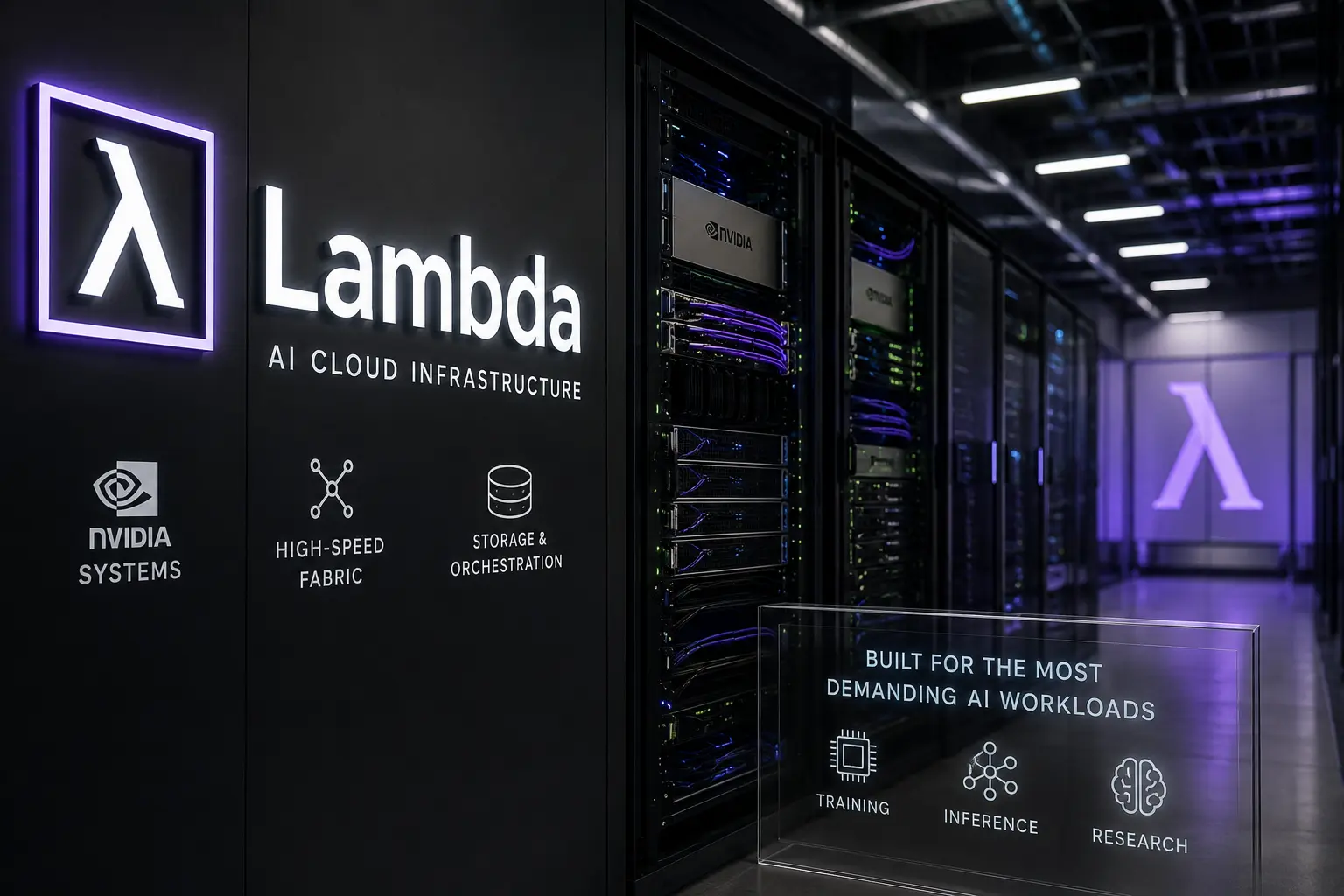
Lambda’s Integrated AI Cloud Is Also a Financial Test
Lambda has raised and borrowed billions to convert NVIDIA systems, high-speed fabrics, storage, schedulers, and data centre capacity into managed AI infrastructure. Its advantage is offloading integration work from customers; its risk is that each added layer deepens dependence…

Story
What AFRINIC’s 9–5–1 hand count did—and could not—establish
On 27 September 2007, a show of hands at AFRINIC-7 gave one IPv4-exhaustion proposal the larger recorded response, but the surviving numbers cannot answer the question later claims of mandate would require: larger among whom, under what response rules, and with what checkable…

Global Cloud Services
LAMBDA's integrated AI cloud is also a financing test
LAMBDA has raised billions in equity and debt to turn NVIDIA systems, high-speed fabrics, storage, schedulers and data centre capacity into managed AI infrastructure. The advantage lies in taking integration work off customers; the risk is that each additional layer deepens…

Story
The Six Rows Missing From AFRINIC-6
AFRINIC’s surviving account of its sixth policy meeting offers a memorable result—three proposals reached consensus, two were withdrawn and one did not reach consensus—but not the decision ledger needed to verify it at a glance. Reconstructing the six proposal lines shows that…
Global Cloud Services
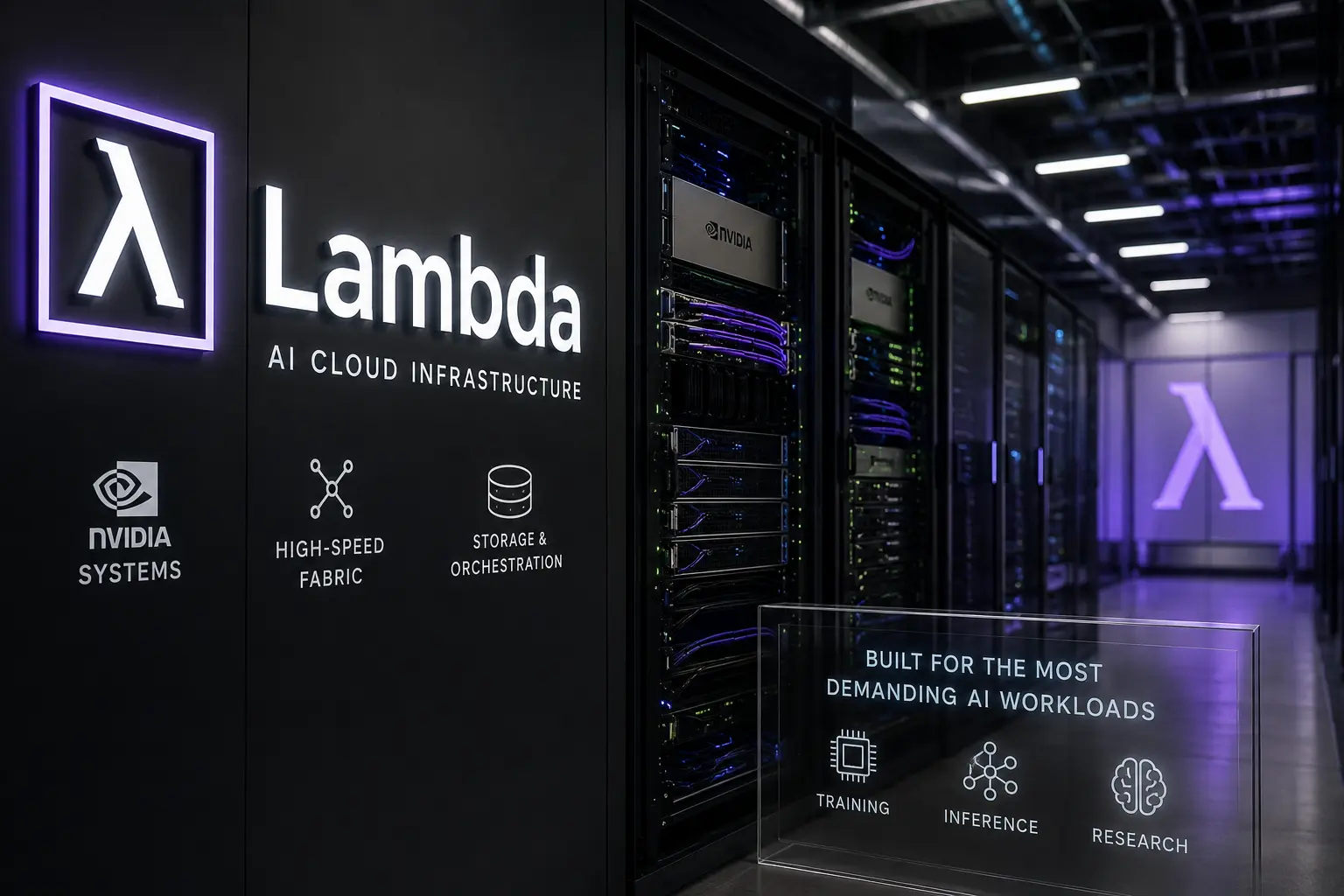
LAMBDA’s integrated AI cloud is also a funding test
LAMBDA raised and borrowed billions of dollars to turn NVIDIA systems, high-speed networking fabrics, storage, schedulers, and data centre capacity into managed AI infrastructure. Its advantage is shifting the integration burden off customers; its risk is that each additional…

Global Cloud Services
Lambda’s integrated AI cloud is also a financing test
Lambda packages NVIDIA systems, fabrics, storage and orchestration into AI infrastructure, but scaling depends on power, suppliers, lenders and large customer commitments.

Global National Telecom
Arelion’s AS1299: Tier-1 Reach Still Demands Constant Renewal
Arelion’s AS1299: Tier-1 Reach Still Demands Constant Renewal intelligence summary explains the development, the public evidence available to readers, the organisations involved, the regional context, market exposure, and the infrastructure consequences that may follow. The…

Global National Telecom
Arelion's AS1299: Tier-1 Reach Requires Constant Renewal
Arelion's AS1299: Tier-1 Reach Requires Constant Renewal intelligence summary explains the development, the public evidence available to readers, the organisations involved, the regional context, market exposure, and the infrastructure consequences that may follow. The Global…

Story
The bylaw bridge from registry policy to membership termination arrived in 2012, not 2007
AFRINIC’s archive reveals a consequential constitutional change in two stages: a broad Associate Member termination-and-return structure in the instrument labelled 2007, followed in 2012 by an express clause making compliance with Number Resources Management Policies a condition…

Story
AFRINIC’s 2007 Fee Clause Made Discretion a Continuing Duty to Account
Article 4 of the instrument archived as AFRINIC’s 2007 bylaws gave the Board continuing authority to review a portfolio of recurring charges. That was adaptable private-company financing, not taxation; but where operators depend in practice on reliable registry coordination…

North America Datacenter Trends
Minneapolis outage puts one shared building behind many network brands
MPR News has newly placed the origin of a 6 August telecommunications outage inside Minneapolis’s 511 Building, where COLOGIX operates its MIN3 data centre. That finding identifies a physical concentration point, not a culprit: the failed layer, the number of affected customers…

North America Datacenter Trends
Meta has accepted Texas’s data-centre rulebook; project ledgers must follow
Meta has agreed to meet Texas standards intended to prevent large data-centre loads from shifting grid costs and undisclosed resource pressures onto existing communities. The commitment is a governance step, not a project approval: no Meta site, demand filing, upgrade payment…

Asia-Pacific Datacenter Trends
Alibaba Cloud’s 100-day data-centre clock still lacks a named project
Alibaba Cloud says a fully modular design has cut delivery of a large AI data centre to 100 days, reduced overall construction cost by more than 10% and will support a more-than-twofold increase in global modular capacity this year. Those are striking operating claims from a…

North America National Telecom Trends
Verizon restored Southern California service, but the severed route remains unnamed
Thousands of Verizon users in Southern California reportedly lost calls, messages and internet access after multiple fibre lines were cut in what the operator described as vandalism. Service returned in stages on Sunday, yet the public account leaves the most important resilience…

Asia-Pacific National Telecom Trends
China Telecom turns satellite-ready phones into a flood-response access layer
A public emergency mechanism built around China Telecom’s Tiantong direct-to-satellite service has moved beyond instructions to reported flood use. Trapped users in Dingxi sent their location and party size after terrestrial coverage disappeared, yet the available figures…

Story
Resolution 200605.28: When a Board Calendar Creates Capacity but Not Accountability
In May 2006, AFRINIC’s Board fixed a recurring teleconference date for its own work. The choice was practical and potentially valuable. But a date on a calendar is only the space in which oversight might happen; the public record needed to show whether that space was used is a…

Story
The name behind the ledger: what AFRINIC’s 2007 Article 2.2 put in Board hands
A single sentence in AFRINIC’s archived 2007 bylaws separated the company’s registered identity from a direct member vote. Reading that sentence as an authority chain—not as either harmless branding or constitutional grandeur—shows where efficient corporate administration ends…

Story
The IPv6 PI Choice AFRINIC-4 Could Not Settle
In Nairobi on 17 May 2006, a proposal for provider-independent IPv6 space forced an unusually clear argument about what a registry can record, what operators will route, and who should pay when those two realities do not align. The answer was not adoption or rejection, but an…

Story
AFRINIC implemented AFPUB-2005-v4-001 as its regional IPv4 allocation rule
On 17 May 2006, a dense allocation manual became the practical interface between an African Local Internet Registry and new IPv4 supply: a /22 floor, or 1,024 addresses, an additional-allocation test at about 80% use, and assignment benchmarks of 25% immediately and 50% after one…