
People who built the network
Researchers, engineers, operators, and community leaders whose choices shaped the internet's open architecture.
BTW Media Editorial Collection
The internet was not born as a finished system. It was built across decades by researchers, engineers, operators, institutions, and communities who chose openness, interoperability, and shared stewardship before the world knew what the network would become.
History of the Internet is BTW Media's editorial archive of the people, protocols, institutions, and turning points that shaped the global network.
Researchers, engineers, operators, and community leaders whose choices shaped the internet's open architecture.
TCP/IP, DNS, routing, email, the Web, number resources, and standards processes made global interoperability possible.
Interviews, profiles, and records preserve how the internet was imagined, governed, expanded, and defended.
This collection brings together interviews, profiles, source-backed reporting, and historical analysis about the builders and witnesses of the internet age.
This page follows how individual decisions, technical principles, public institutions, and regional communities became civilization-scale infrastructure.
For the people recorded here, this is a record of contribution. For readers, it is a map of how the internet became one of humanity's shared systems.
Series
From packet-switching theory to the World Wide Web, this map connects the people, protocol decisions, and governance transitions that shaped the global network.
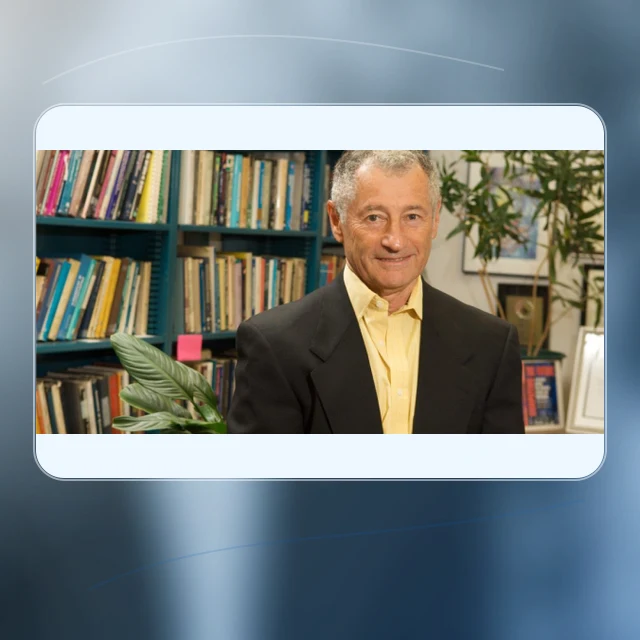
1961
Leonard Kleinrock (1961): Published the earliest packet-switching and information-flow work that provided mathematical foundations for breaking messages into packets.
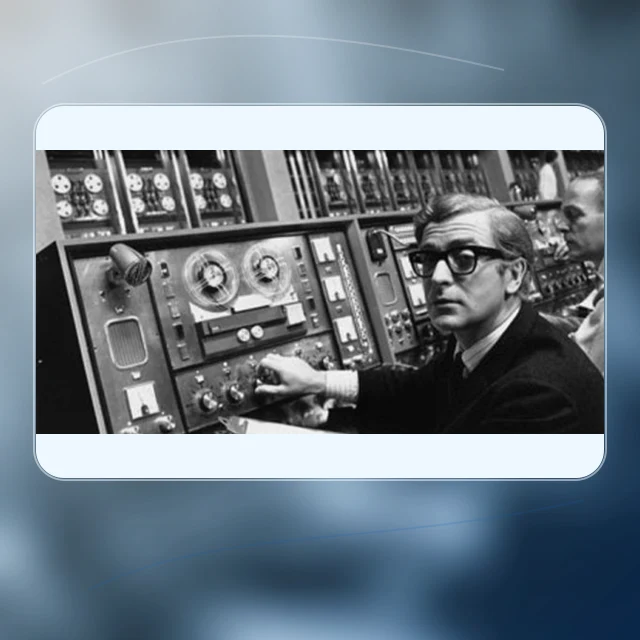
1962 / 1963
J.C.R. Licklider (1962 / 1963): Articulated the "Intergalactic Computer Network" vision that inspired ARPA's networking goals and the idea of a globally-connected computing commons.
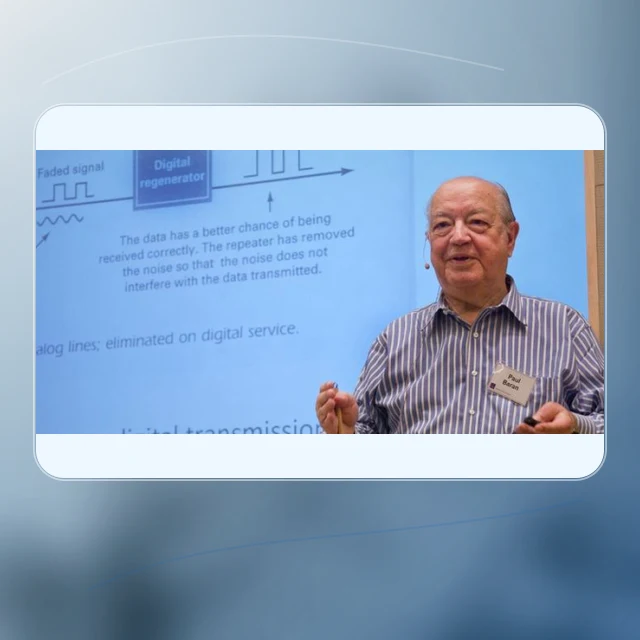
1964
Paul Baran (1964): RAND memorandum On Distributed Communications laid out distributed network designs intended to be survivable — a key conceptual precursor to later packet networks.
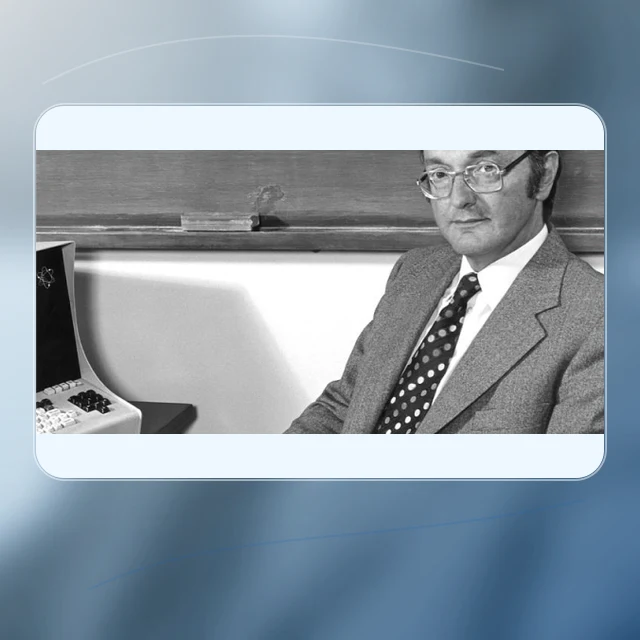
1965
Donald Davies (1965): Coined the term "packet" and advanced practical packet-switching architecture at the UK National Physical Laboratory.
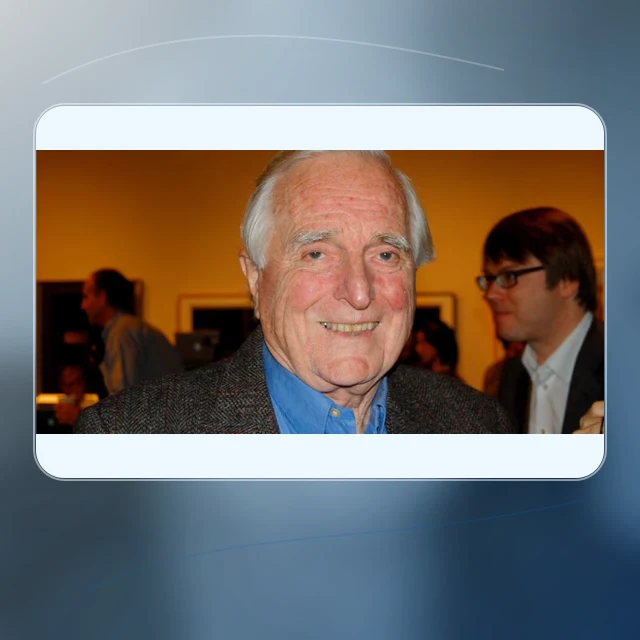
1968
Douglas Engelbart (1968): Demonstrated the oN-Line System (NLS) at the "Mother of All Demos" — showing hypertext, shared editing, the mouse and other interactive concepts that shaped future online tools.
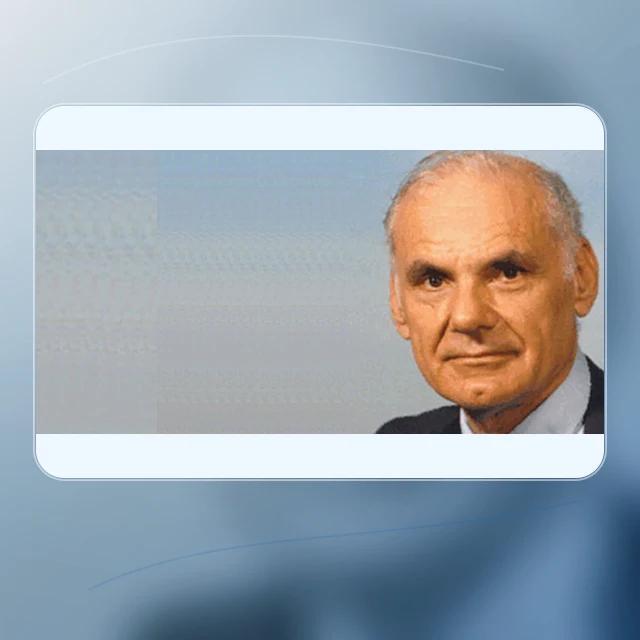
1969
Lawrence (Larry) Roberts (1969): As ARPA program manager he designed and led the ARPANET construction, turning packet-switching proposals into the first operational research network.
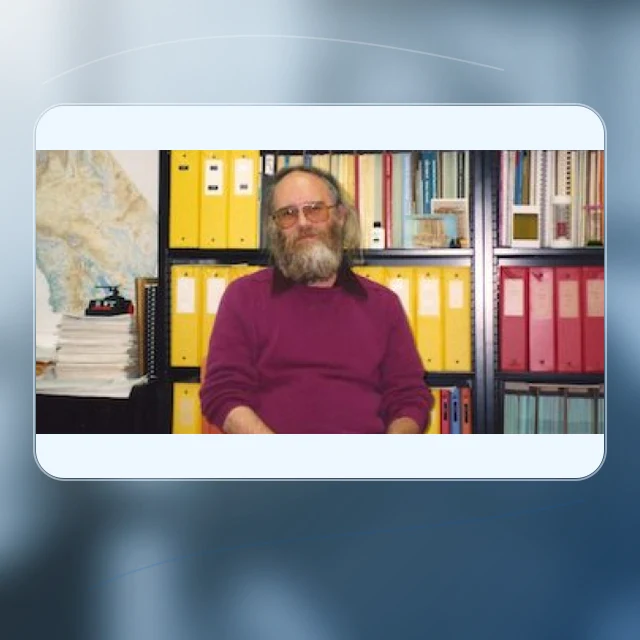
1969
Jon Postel (1969): Became central to the RFC series and began his long stewardship of protocol documentation and numbering — the Internet's numbering authority.
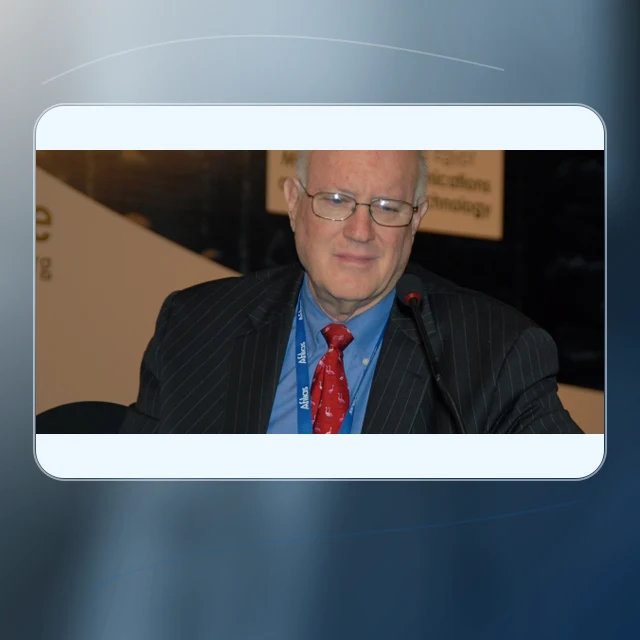
1969
Steve Crocker (1969): Instigated the ARPANET "Network Working Group" and created the Request for Comments (RFC) series — the primary open documentation mechanism for Internet protocols.
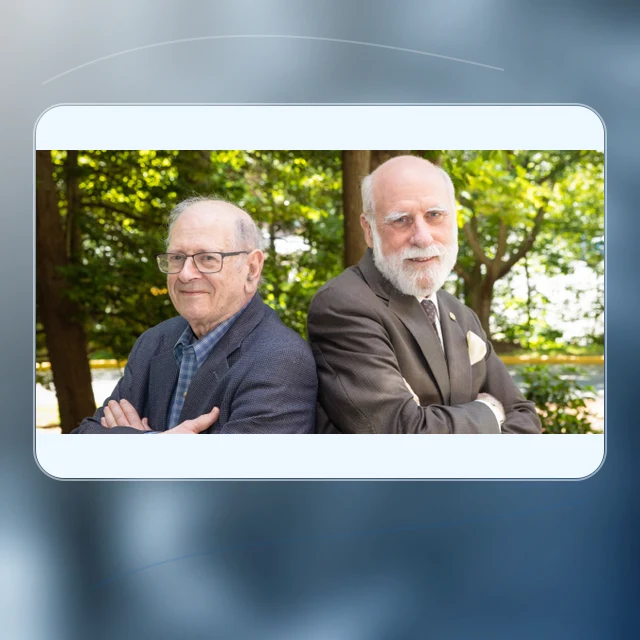
1972–1973
Vint Cerf & Bob Kahn (1972–1973): Co-designed the Transmission Control Protocol (TCP) and later TCP/IP, enabling communication across multiple networks — the birth of internetworking.
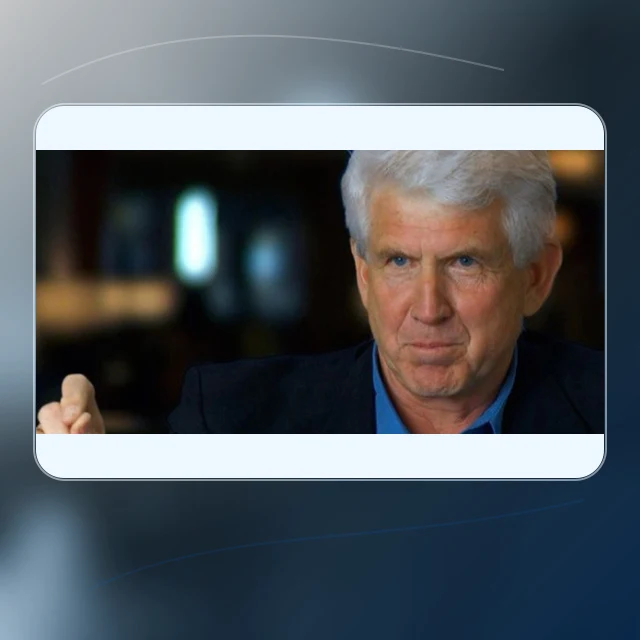
1973
Robert Metcalfe (1973): Invented Ethernet at Xerox PARC, making local networking fast and scalable for office and campus environments.
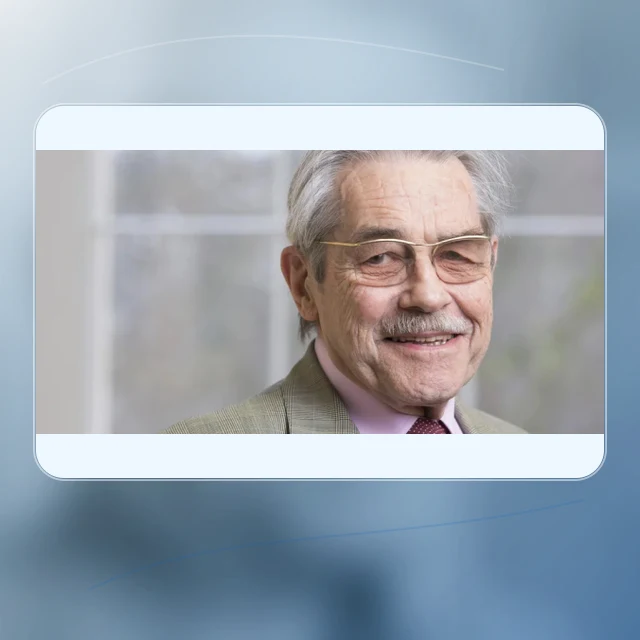
1973–1975
Louis Pouzin (1973–1975): Developed CYCLADES in France, a datagram-based packet network that directly influenced TCP/IP's design.
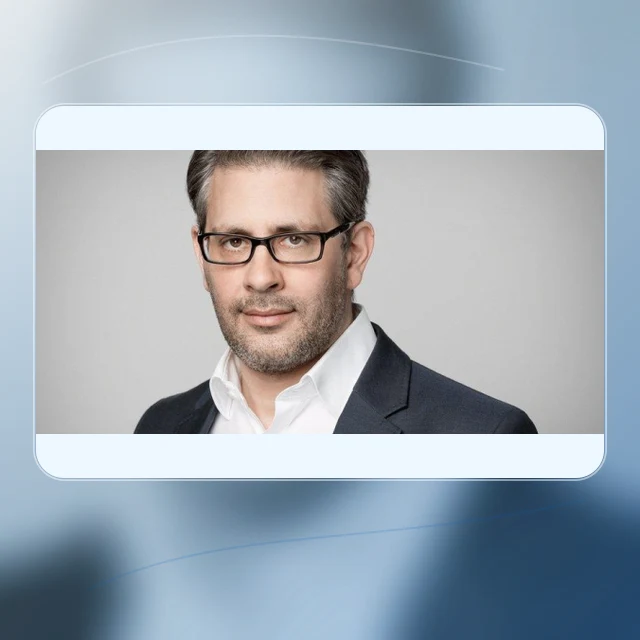
1973
Danny Cohen (1973): Pioneered early packet voice transmission and endianness concepts, key to interoperability in TCP/IP systems.
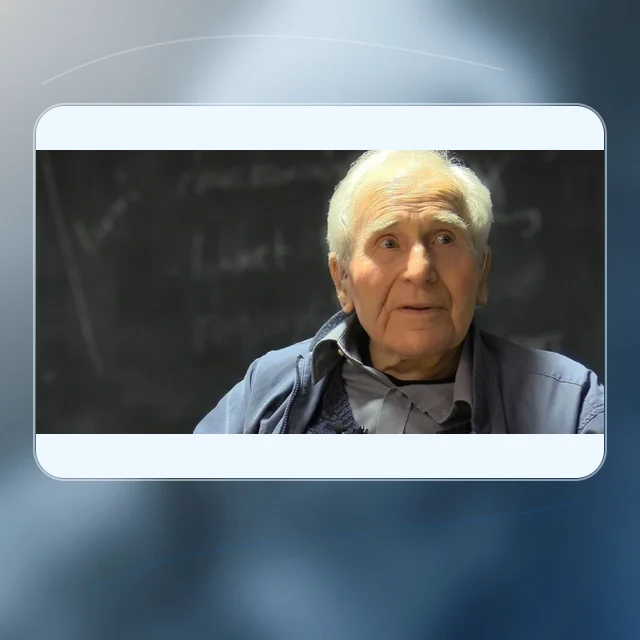
1975
Yngvar G. Lundh (1975): Promoted and implemented early packet networking in Scandinavia, connecting European research networks.
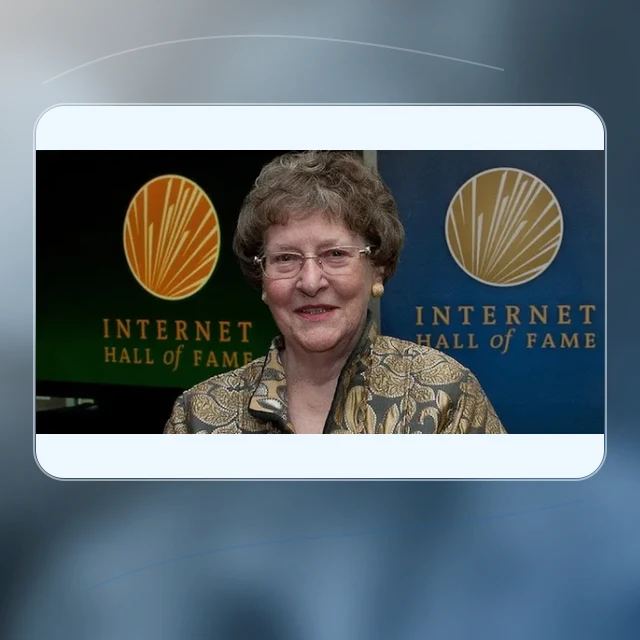
1976
Elizabeth "Jake" Feinler (1976): Managed the ARPANET Network Information Center (NIC) at SRI, maintaining the official host name directory before DNS.
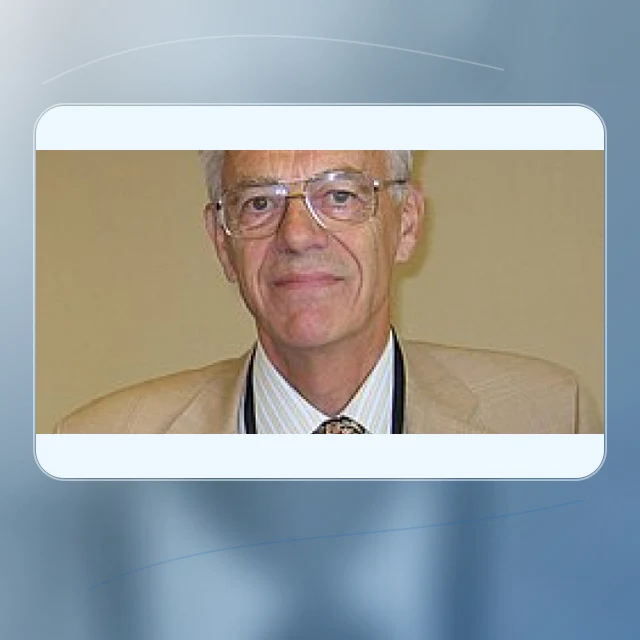
1977
Pål Spilling (1977): Helped establish early ARPANET links in Europe and co-authored the first Internet (TCP/IP) experiments between continents.
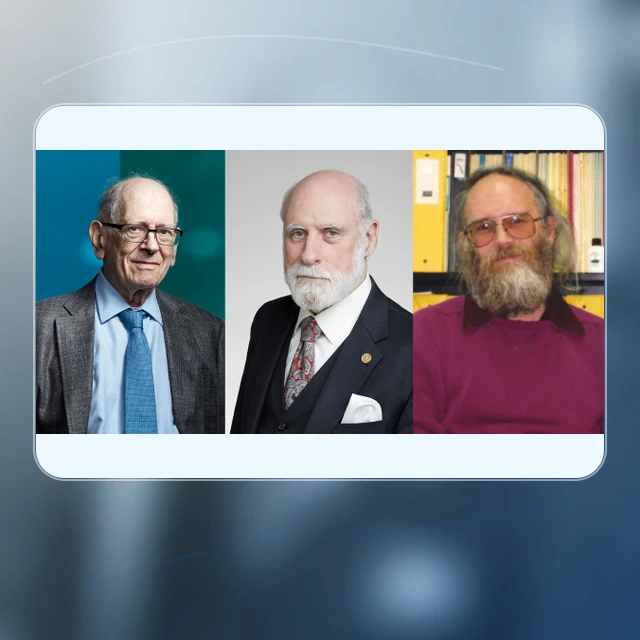
1977
Bob Kahn, Vint Cerf & Jon Postel (1977): Conducted the first three-network TCP/IP test (ARPANET, SATNET, PRNET), proving the architecture's viability.
1978
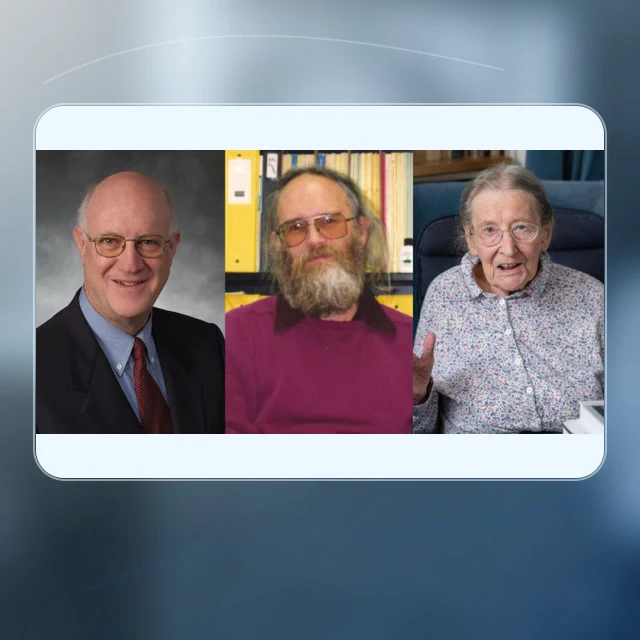
Steve Crocker, Jon Postel & Joyce Reynolds (1978): Led early IETF-like protocol coordination and RFC series continuity — the core of today's open standards process.
1979
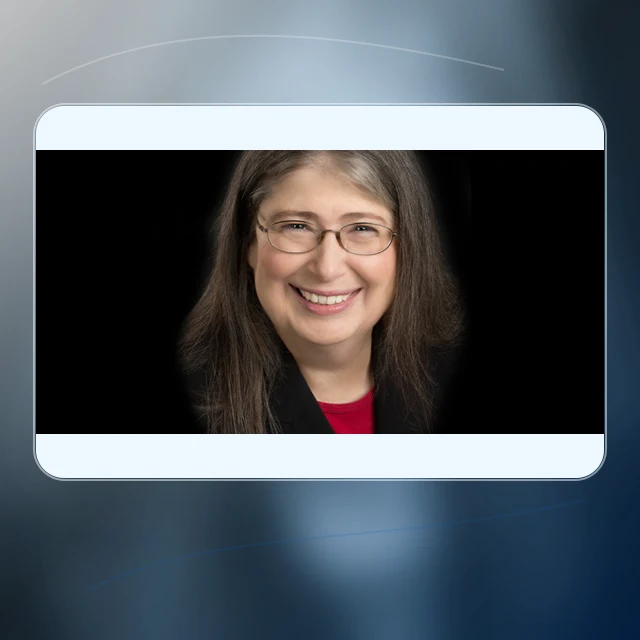
Radia Perlman (1979): Developed early routing algorithms that evolved into the Spanning Tree Protocol (finalized 1985).
1981–1983
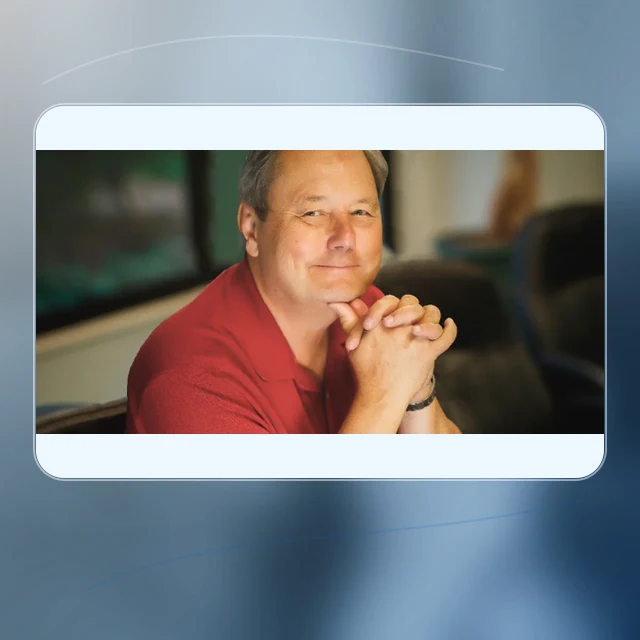
Paul Mockapetris (1981–1983): Invented the Domain Name System (DNS) to replace the central HOSTS.TXT file. Introduced hierarchical, distributed naming via RFC 882/883.
1981
Danny Cohen (1981): Published "On Holy Wars and a Plea for Peace," formalizing the concept of byte ordering ("endianness").
1982
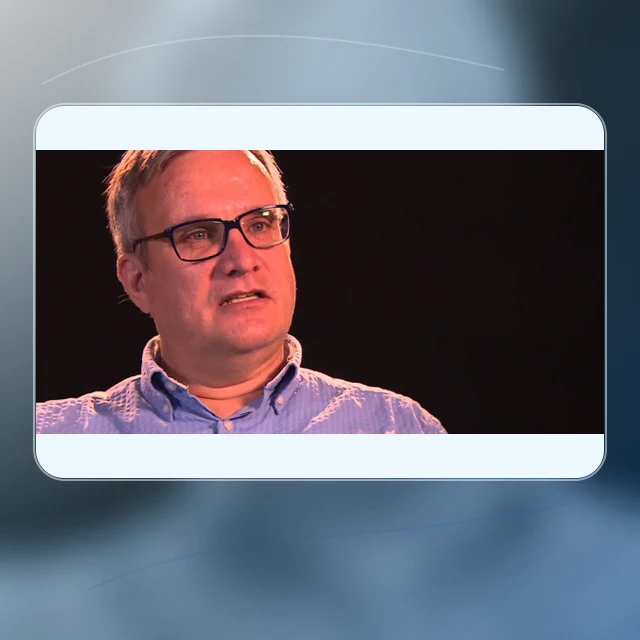
Daniel Karrenberg (1982): Helped build EUnet, the first pan-European Internet Service Provider (ISP) and in 1989 was one of the founders of RIPE.
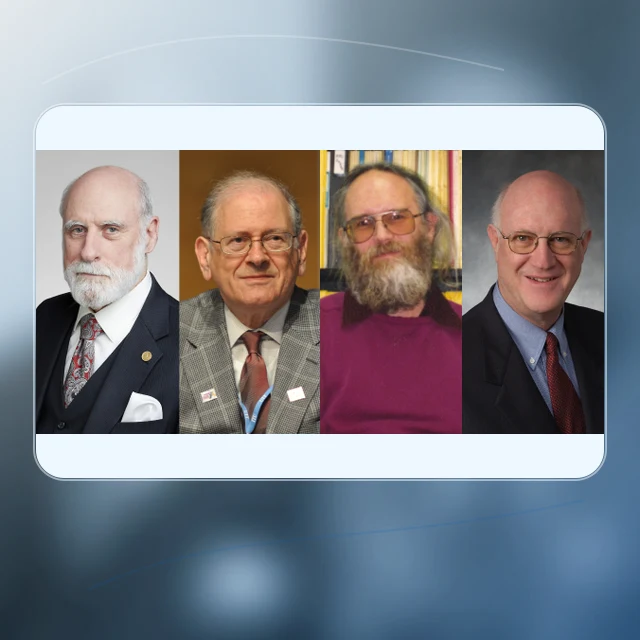
1982–1983
Vint Cerf, Bob Kahn, Jon Postel & Steve Crocker (1982–1983): Oversaw the January 1, 1983 "flag day" switchover from NCP to TCP/IP — the operational birth of the modern Internet.
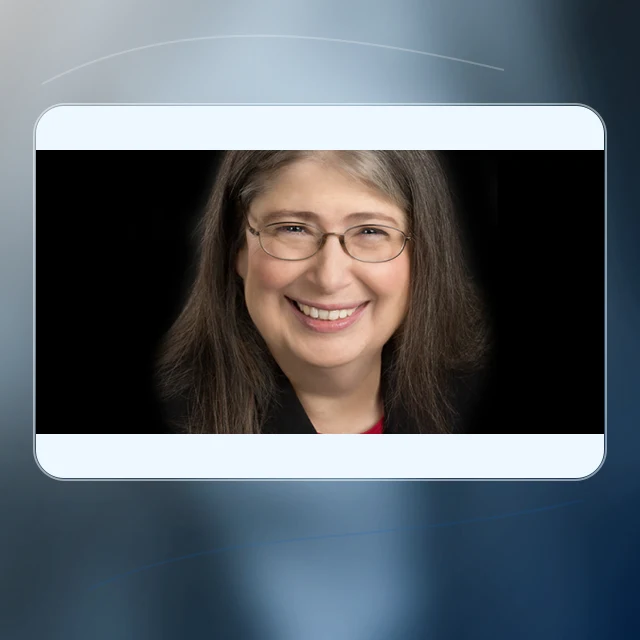
1983–1984
Radia Perlman (1983–1984): Developed the Spanning Tree Protocol (STP), which made Ethernet networks reliable and loop-free.
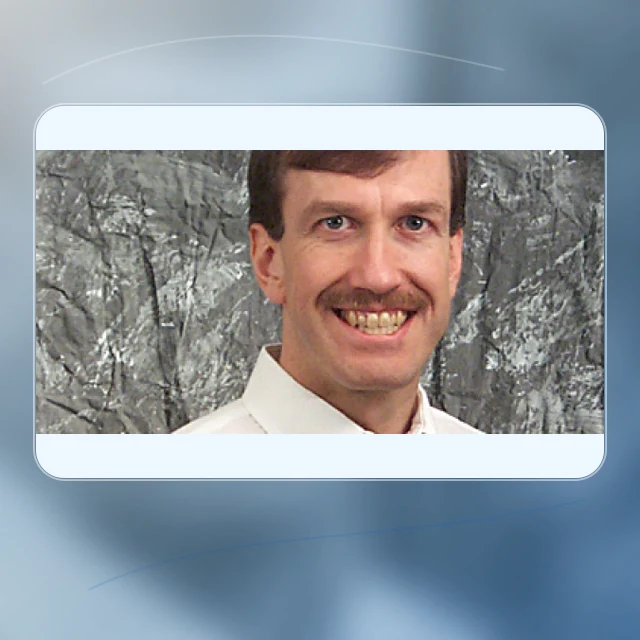
1984
Mike Muuss (1984): Created ping, one of the simplest and most enduring diagnostic tools in networking.
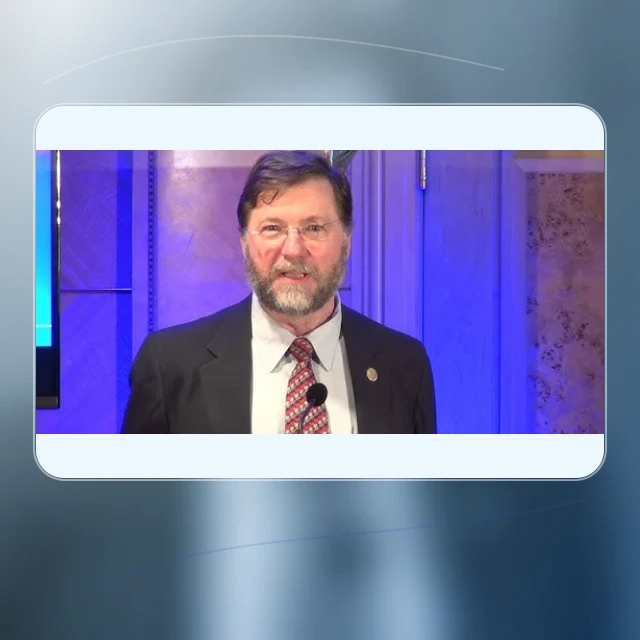
1984–1986
Eric Allman (1984–1986): Wrote Sendmail, the first general-purpose Internet email transport system, crucial for global email interoperability.
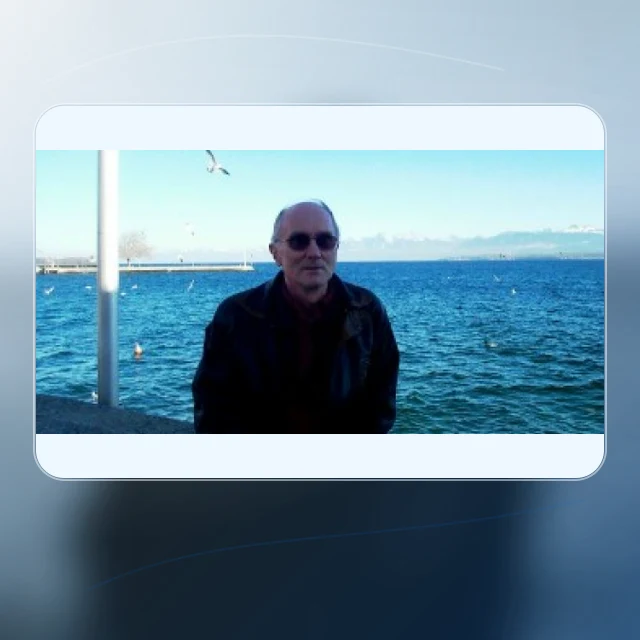
1985
Brian Carpenter (1985): Led development of key Internet standards and chaired IETF working groups, promoting IPv6 and architectural consistency.
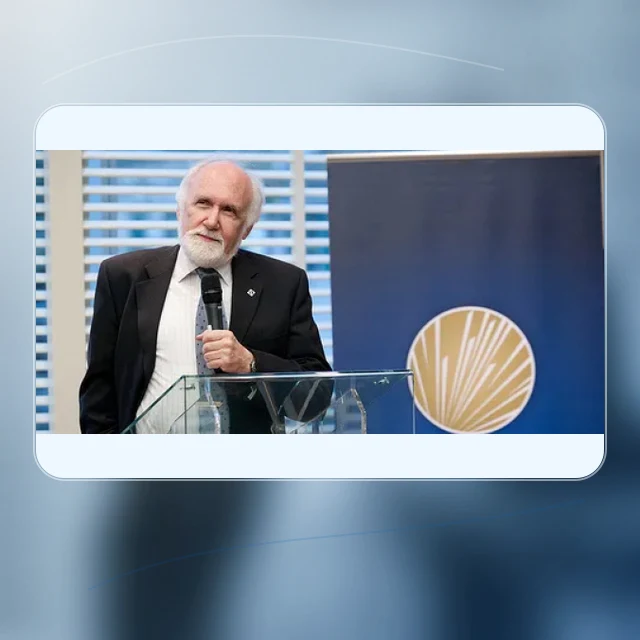
1986
John Klensin (1986): Significant early work on SMTP, FTP, and internationalization of Internet protocols.
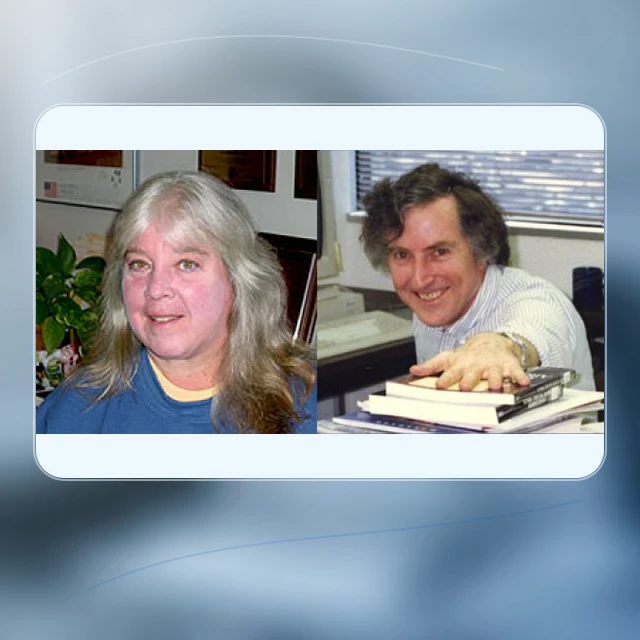
1987
Joyce K. Reynolds & Bob Braden (1987): Contributed to RFC editing, TCP/IP documentation, and Internet research group coordination.
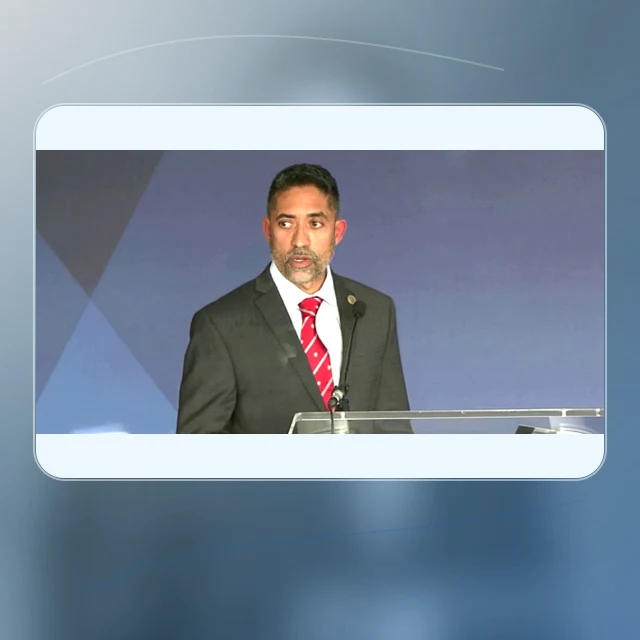
1989
Alan Emtage (1989): Developed Archie, the first Internet search engine, enabling users to find files across FTP servers.
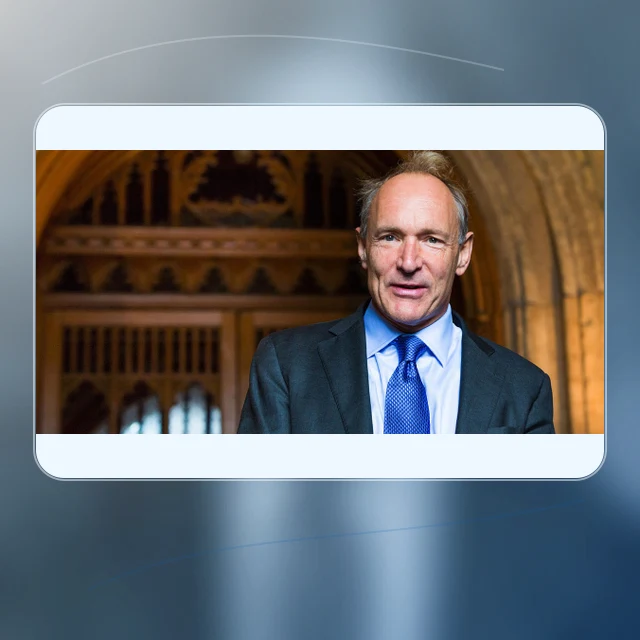
1990 / 1991
Tim Berners-Lee (1990 / 1991): Invented the World Wide Web at CERN — creating HTTP, HTML, and the first web server and browser, converting network infrastructure into a global publishing and information system.
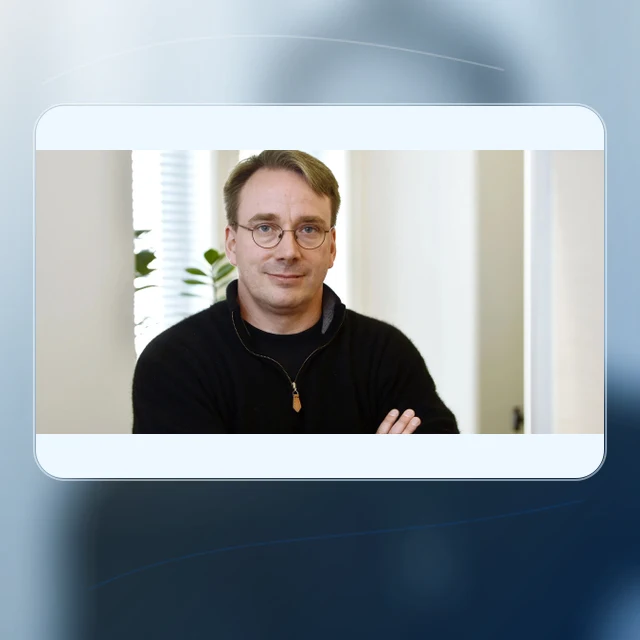
1991
Linus Torvalds (1991): Created the Linux kernel, which became a cornerstone of Internet infrastructure, web servers, and open-source computing.

1991
Jianping Wu (1991): Led the development of CERNET, China's first academic Internet network, linking universities across the country.
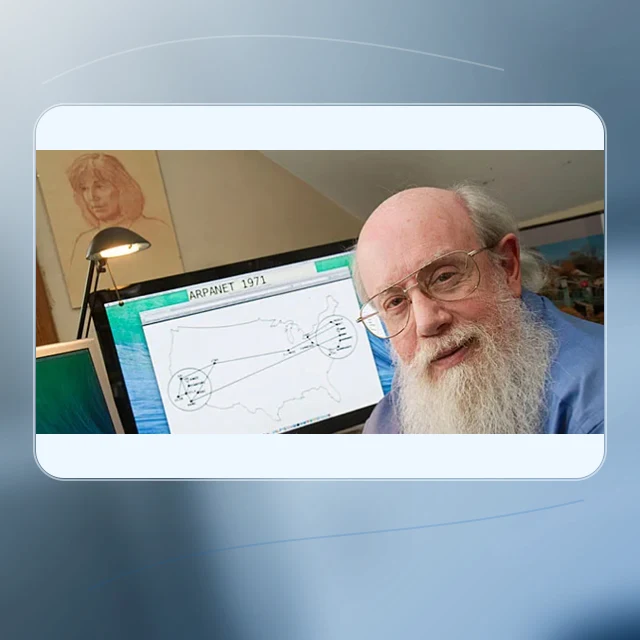
1991
Scott Bradner (1991): Key figure in IETF standardization and Internet governance; helped define early Internet policy and protocol stewardship.
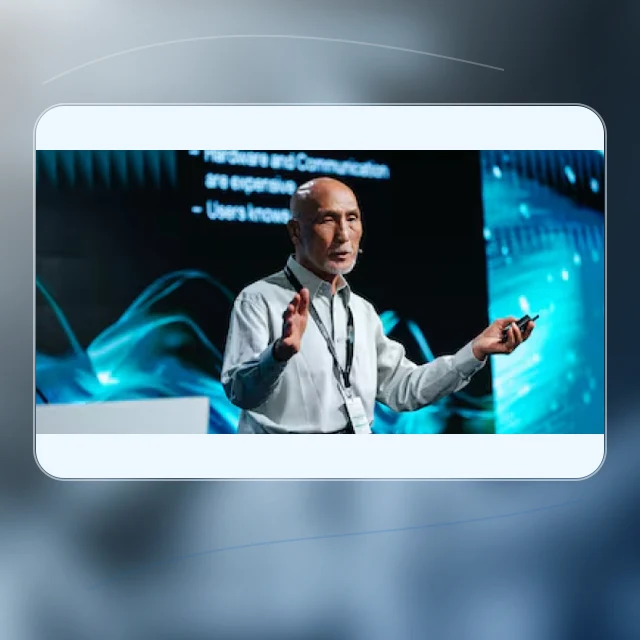
1992
Kilnam Chon (1992): Built KREONET, the Korean Research Network, pioneering Internet connectivity in Asia.
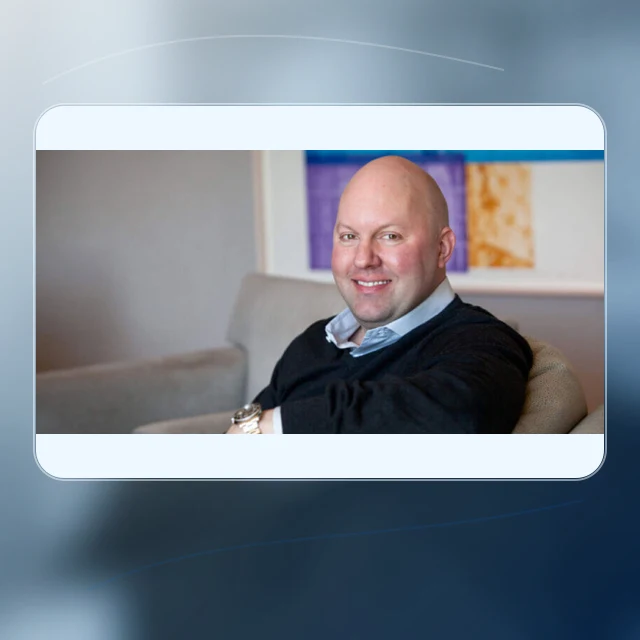
1993
Marc Andreessen (1993): Co-developed Mosaic, the first mainstream graphical web browser, which popularized the Web and inspired Netscape.
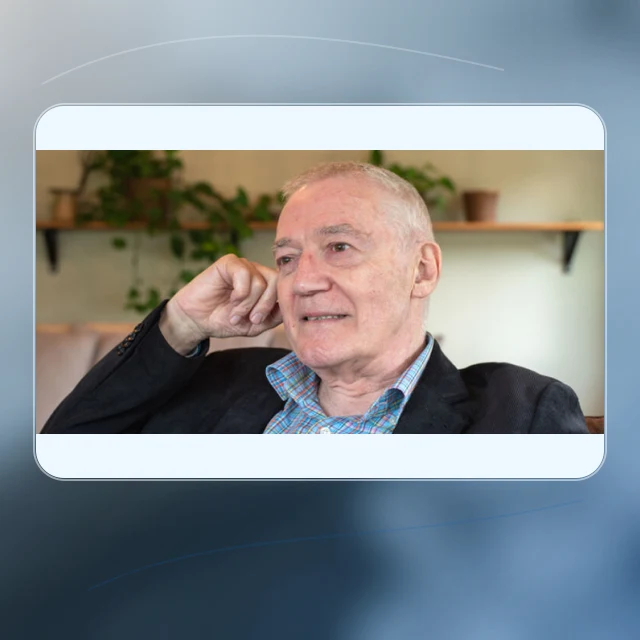
1993
Robert Cailliau (1993): Collaborated with Berners-Lee at CERN to promote and refine the World Wide Web and its first browser/server setup.
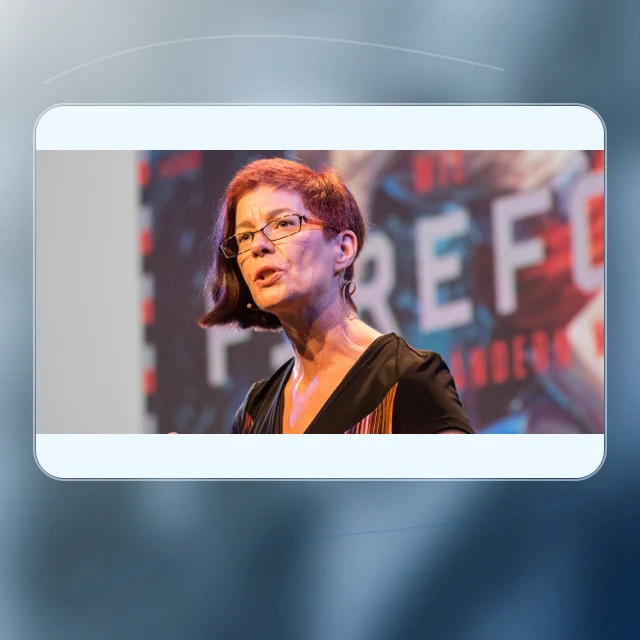
1994
Mitchell Baker (1994): Led the Mozilla project, defending open web standards and community-driven browser development.
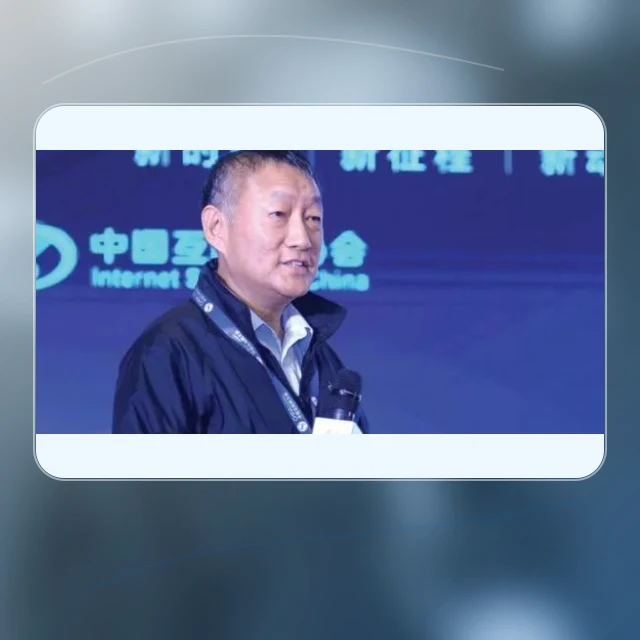
1994
Xing Li (1994): Architect of CERNET, China's first academic network (1994), and early IPv6 advocate for Asia-Pacific.
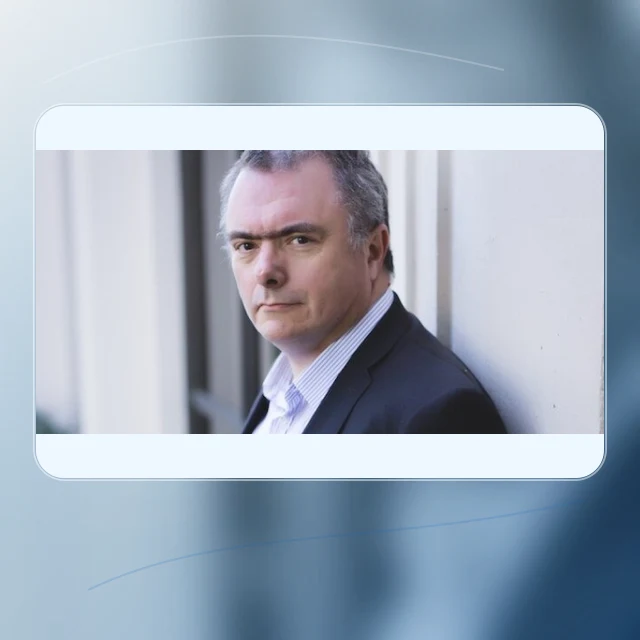
1995
Paul Vixie (1995): Principal developer of BIND, the most widely used DNS server software; improved DNS reliability and security.
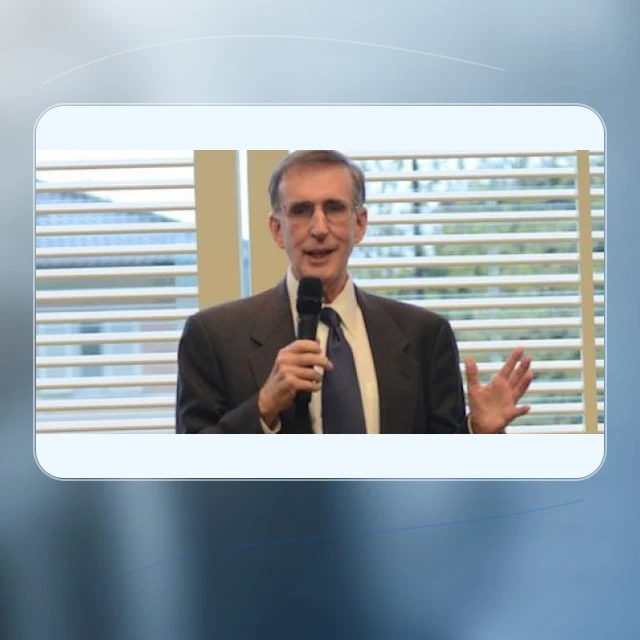
1996
Larry Landweber (1996): Created CSNET and helped connect over 25 countries to the early Internet, bridging academia and policy.
1997
Radia Perlman (1997): Authored Interconnections, formalizing network protocol design principles and influencing Internet routing education.
1998
Jon Postel (1998): Demonstrated control over the DNS root servers and led the IANA transition, symbolizing his lifelong role.
1998
Vint Cerf & Bob Kahn (1998): Helped found ICANN and promoted the institutional frameworks for managing Internet naming and numbering globally.
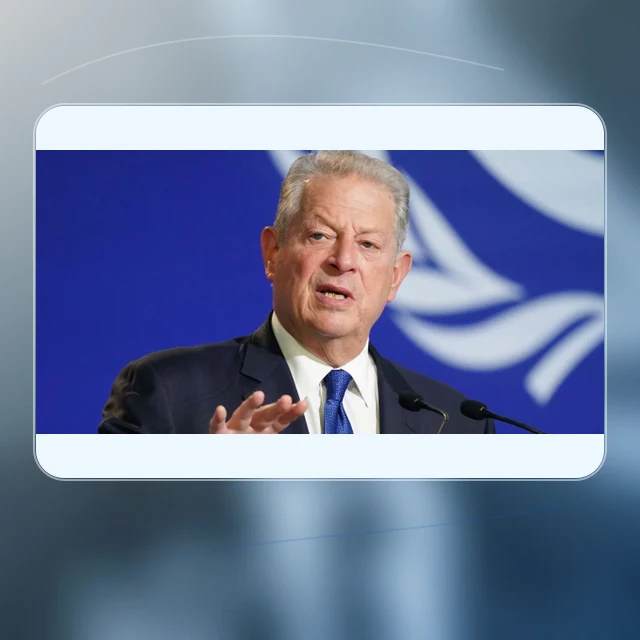
1999
Al Gore (1999): Sponsored the 1991 High Performance Computing and Communications Act, which funded Internet expansion — earning the nickname "the Information Superhighway."
Internet Milestones
A decade-by-decade guide to the experiments, protocols, standards, networks, and institutions that turned internetworking into shared global infrastructure.
1962-1965
Packet switching becomes a practical networking idea
Paul Baran and Donald Davies separately formalize packet-switched communication, giving later research networks a way to move data without relying on circuit-switched telephony.
Paul Baran, Donald Davies
RAND, National Physical Laboratory
1969
ARPANET sends its first message
The first host-to-host ARPANET message travels between UCLA and SRI, turning packet networking from research architecture into an operating experiment.
Leonard Kleinrock, Charley Kline, Bill Duvall
UCLA, SRI, ARPA
1971
Email becomes the first durable social application of the network
Ray Tomlinson adapts network mail between machines, making person-to-person communication one of the internet's earliest reasons to exist.
Ray Tomlinson
BBN, ARPANET
1974
TCP paper defines internetworking as an open architecture
Vint Cerf and Bob Kahn publish the TCP paper and give the network a protocol model for connecting heterogeneous networks into an internet.
Vint Cerf, Bob Kahn
DARPA
1977
Three-network TCP/IP test proves internetworking across media
Packet radio, satellite, and ARPANET paths carry traffic through a common protocol design, showing that an internet can survive different physical networks.
Vint Cerf, Jon Postel, Bob Kahn
DARPA research community
1983
TCP/IP flag day makes the modern internet operational
ARPANET hosts move from NCP to TCP/IP on January 1, 1983, making the protocol suite an operational foundation rather than a research proposal.
Vint Cerf, Bob Kahn, Jon Postel, Steve Crocker
DARPA, ARPANET community
1983-1984
DNS turns names into distributed internet infrastructure
Paul Mockapetris and the early naming community replace host tables with the Domain Name System, giving the expanding network a scalable naming layer.
Paul Mockapetris, Jon Postel
USC/ISI, IANA
1986
NSFNET expands academic networking into a backbone
The NSFNET programme links supercomputing centres and research institutions, creating a backbone that helps move the internet beyond its original defence research context.
National Science Foundation, regional academic networks
Late 1980s
Routing growth forces inter-domain coordination
As networks multiply, operators move toward scalable inter-domain routing practices that later make BGP and routing security central to internet operations.
Network operators and routing researchers
IETF, operator community
1989 / 1990
Archie makes distributed network resources discoverable
Alan Emtage creates Archie, showing that the internet also needs discovery systems, not only transport and addressing.
Alan Emtage
McGill University
1989 / 1991
The World Wide Web opens the internet to publishing and navigation
Tim Berners-Lee proposes and implements HTTP, HTML, URLs, and early browser/server software, turning the network into a global information space.
Tim Berners-Lee, Robert Cailliau
CERN
1992
Regional number coordination takes institutional form
Regional internet growth creates the need for durable address allocation institutions, with APNIC emerging in the Asia-Pacific coordination context.
Regional operators and registry builders
APNIC, RIR community
1993
El Salvador joins the global internet story
Local builders connect national academic and technical communities into the global network, showing how internet history is made outside the original centres of research funding.
Lito Ibarra
El Salvador internet community
1998
ICANN is formed to coordinate global identifiers
ICANN becomes the institutional home for DNS and identifier coordination debates, moving internet governance into a more formal multi-stakeholder structure.
Jon Postel, Vint Cerf, global governance community
ICANN, IANA community
1998
IPv6 is specified in RFC 2460
The IETF publishes RFC 2460, preserving the internet's ability to scale addressing beyond IPv4 exhaustion and making protocol stewardship a generational task.
Brian Carpenter, IETF IPv6 community
IETF
1986 / 1992
Latin American academic networks become regional infrastructure
Builders in Chile, Venezuela, Argentina, and neighbouring communities turn research connectivity into lasting regional internet capacity.
Florencio Utreras, Ermanno Pietrosemoli, Olga Cavalli
Latin American academic and governance communities
2000s
African technical communities expand capacity and participation
Training, software communities, and advocacy broaden who can build, operate, and govern internet infrastructure.
Dorcas Muthoni
African technology and internet communities
2000s
Operational analysis becomes part of internet stewardship
Routing, addressing, measurement, and security analysis become essential to explaining where the global network is resilient and where it is fragile.
Geoff Huston
APNIC Labs, operator community
2016
IANA stewardship transition completes
The transition marks a major governance shift from US government oversight toward the global multi-stakeholder community.
ICANN, IANA community, global internet governance community
2010s / 2020s
Routing security becomes a core public-interest issue
RPKI, MANRS, and operator coordination make routing security part of the internet's institutional memory and daily operational discipline.
Routing security researchers and operators
IETF, RIRs, operator community
2024
Internet history becomes a source-backed archive
Measurement archives, oral histories, and editorial collections make internet history itself a field of stewardship for the next generation.
Jim Cowie and internet history researchers
Internet History Initiative
Published Records
Published interviews, profiles, and historical reporting from BTW Media's History of the Internet collection.
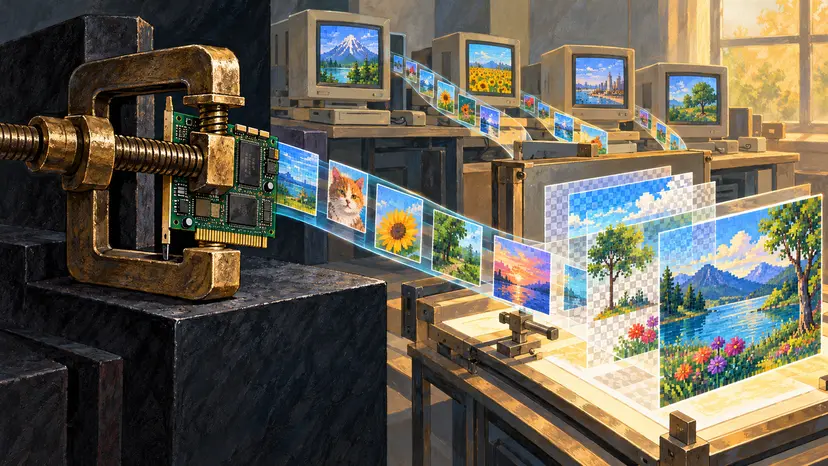
Unisys’s licensing clarification targeted commercial software using LZW, not people viewing images. As CompuServe proposed a free, open GIF successor, PNG was already on its own timetable—and the two projects did not end with a simple winner and loser.
Read Record
The 2000 .ca handover did not give every old registration the same path. For one cohort, the existing registration would expire unless its holder applied through a certified registrar for that exact name again. The new registry also had to build its records from registrant submissions.
Read Record
The 90-Day Certificate Was a Bet on Automatic Renewal
In November 2015, Let’s Encrypt capped its certificates at 90 days and recommended renewal at day 60. The shorter clock was meant to limit damage from a compromised key or mistaken issuance. It also put recurring renewal on software’s schedule, while leaving administrators time to recover by hand.
Read Record
The NetBSD Project dates version 1.0 to 26 October 1994. In its 8 November announcement, it named five binary releases then available, marked the HP 9000/300 build as not ready, and separated three more ports that had source support but no complete binary distribution. The HP release page records the two patches that closed that gap.
Read Record
The First IMP Arrived on August 30. The 1989 Poem Moved It to Tuesday.
RFC 1000 places UCLA’s first ARPANET Interface Message Processor on the loading dock on Saturday, August 30, 1969. Leonard Kleinrock’s 1989 poem puts the machine at the gate one day after Labor Day. His prose history assigns that Tuesday to the host connection.
Read Record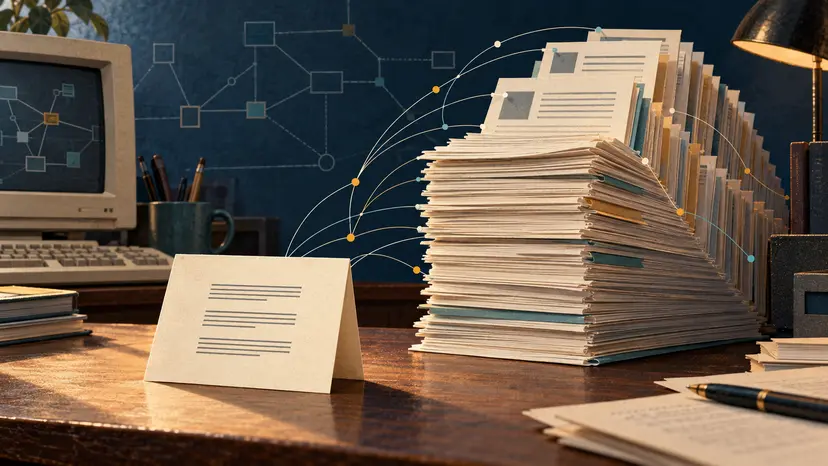
In February 1991, Gary Malkin asked current members of the IAB, IESG and IRSG for three things: a biography, their education and interests, and their view of Internet growth. The 1992 successor to his first collection ran to 33 pages and carried 24 portraits, with the submitted words left intact apart from formatting.
Read Record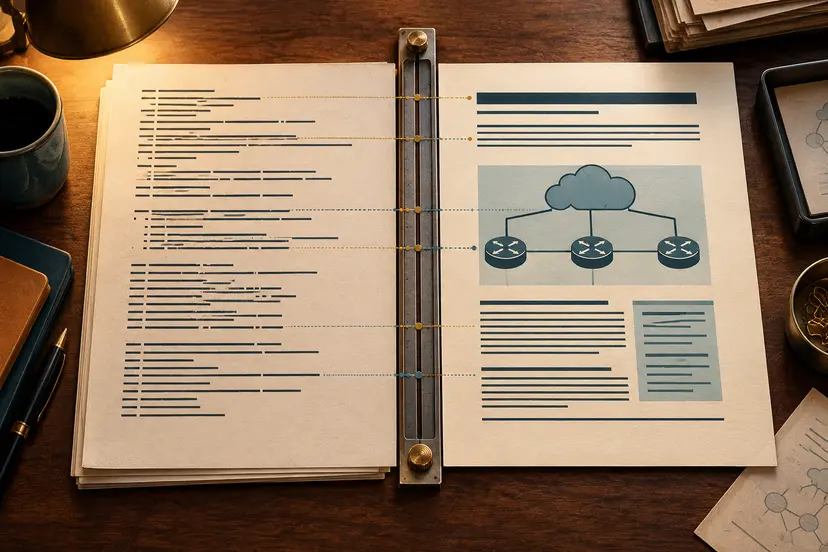
The Pretty Copy Had to Match the Plain One: RFC 2223
In 1997, the RFC Editor allowed PostScript to carry diagrams and a polished page, but kept ASCII as the primary version. The second file could join the RFC archive only after the editor agreed that it matched the first.
Read Record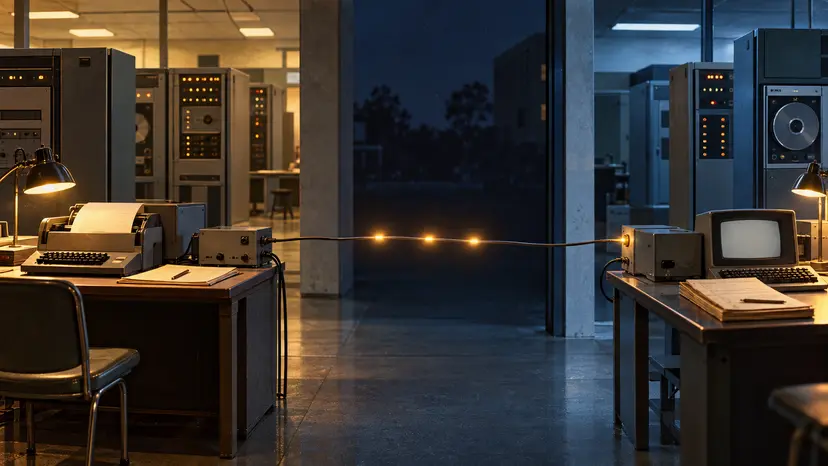
The First ARPANET Login Crashed at G. The Log Kept Six Words.
At 10:30 p.m. on 29 October 1969, UCLA’s handwritten record marked a host-to-host success with six words about a conversation between two hosts. Leonard Kleinrock later recalled the first remote-login attempt reaching the letter G before the SRI host crashed. A small software repair made the next attempt work. The famous beginning of networked computing fits inside one failed command, one retry and a log line that says almost nothing about either.
Read Record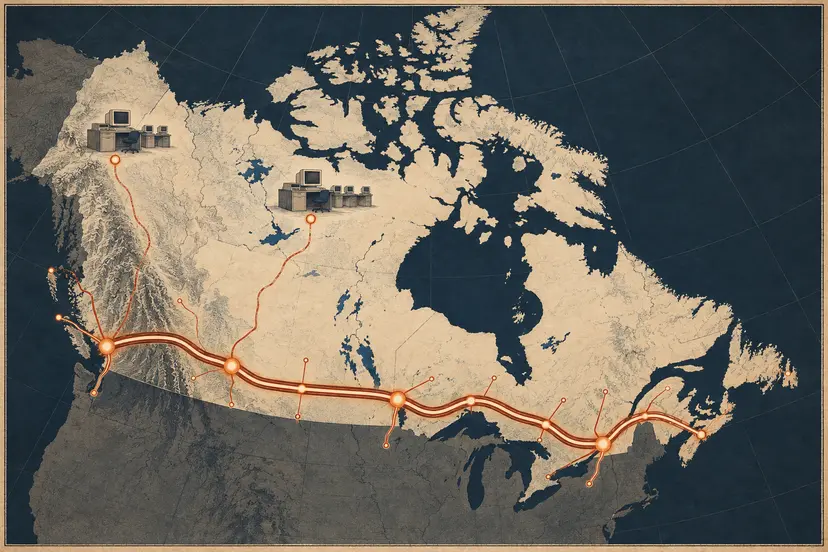
By late 1994, YukonNet and NTnet had joined CA*net over leased 56 Kbps lines. The national backbone had received a T-1 upgrade; NTnet’s first dedicated-line users were still testing service.
Read Record
The Empty Kerberos Field That Still Crossed a Border
In September 1993, RFC 1510 gave Kerberos V5 a way to carry authentication across administrative realms. Its `transited` field records intermediate realms; separate ticket fields identify both ends of the exchange. A direct hop between two realms can leave that field empty. The blank is part of the design; the service receiving the ticket still has to decide whether the trust path is acceptable.
Read Record
The Ping Failed. The Error Was the First Good News: RFC 1574
An OSI network manager in 1994 could send a new echo request to a machine that did not understand it. If the machine returned an error, the answer still settled one urgent question: something at that hop had heard the probe. RFC 1574 turned that awkward reply into part of a minimum diagnostic kit, alongside a route trace and a way to inspect the device's own routing table.
Read Record
The Email Read Receipt Had to Ask Nicely
A sender adds one header to an email and waits for the little thrill of knowing what happened at the other end. In March 1998, RFC 2298 gave that wish a machine-readable form. It also gave the recipient’s mail program the last word. The header could ask for a receipt. The program could send one, refuse, or say nothing. Even a returned “displayed” report described what software did with a message, leaving the reader’s understanding inside the reader’s head.
Read Record
The Internet’s Gigabit Dream Had a Waiting Room
In April 1990, a report from an Internet Research Steering Group workshop put the gigabit network on the table. The room had plenty of ideas for moving bits faster. Then came the awkward question: how long would a program still wait for another machine to answer? A brighter fiber and a faster processor could make that wait feel longer, measured in useful work the processor might otherwise have done. The workshop's best story was about the time outside the headline speed.
Read Record
The Cable Was Real. The IP and OSI Maps Could Disagree: RFC 1609
A router can sit in one rack and play different parts in different networks. In 1994, RFC 1609 tried to give those parts separate entries in an X.500 directory, all pointing back to the same equipment. The proposal's useful question still bites: when an operator asks for a network map, which network has actually been mapped?
Read Record
In April 1992, Ronald Rivest published an algorithm for turning a message of any length into a 128-bit digest. He also packed the Internet memo with C source code, a test driver and the answers that driver should print. A programmer could read the recipe, compile the example and see whether a local machine produced the same fingerprints. That was a powerful way to make agreement travel. The later history of MD5 shows why matching answers and making a safe security claim are different jobs.
Read Record
Email had learned to carry pictures, sound and files. On 1 April 1993, two engineers offered it a new attachment: a human being. Their RFC specified the size of the box, the resolution of the scan and the unhappy fate of a laboratory rat at a full disk. The joke worked because the paperwork sounded distressingly familiar. Thirty-two years later, an official RFC still had to explain why the proposed media type stayed out of the registry.
Read Record
The Mail Connection Broke. The Server Asked for Byte 6,135: RFC 1845
The broken connection in RFC 1845's 1995 example did not force its client to send the whole message again. The receiving SMTP server answered the retry with a number: `355 6135`. It had kept the first 6,135 octets of message data. The client could resume with the rest, provided both sides knew exactly which transaction and which bytes that number described.
Read Record
A file could be ready to move while its address could not fit into the command that told FTP where to send it. The old `PORT` command carried four decimal octets for an IPv4 host and two for a TCP port. In 1993, with several next-generation Internet designs on the table, David Piscitello proposed a larger suitcase: FOOBAR, or *FTP Operation Over Big Address Records*. Its joke of a name hid a practical question. How does an application keep working when the network address it baked into its own conversation changes shape?
Read Record
Before an inbox could be called a fire hose, busy mailing lists had a simpler problem: sending every submission to every subscriber cost work and headers. Moderators began packing many messages into one digest. RFC 1153 wrote down the house rules in 1990, including a brisk instruction to discard the `Received` lines from each enclosed message. The collective envelope travelled efficiently. The route of each original letter became harder to reconstruct from the digest alone.
Read Record
The Email Was Still in Flight. X.25 Reached for the Hang-Up Switch.
A telephone call has a tidy ending: say goodbye, put down the receiver. A computer circuit can be less polite. X.25 could discard data still travelling when its virtual circuit was cleared. In 1989, RFC 1090 put SMTP directly on that circuit and discovered that the final act of sending mail was also a choreography of waiting. The sender had to hear the service say goodbye before touching the switch.
Read Record