
Policy continuity, legitimacy, and accountability signals across internet governance institutions.
Governance
Governance
Internet governance intelligence tracks institutions, policy processes, standards activity, registry operations, accountability disputes, and implementation signals that affect internet infrastructure. BTW.
RIR WatchdogCase FileNumber Resource SocietyICANNIETFHistory of InternetNOGs

RIR Watchdog, Case File, NRS, ICANN, IETF, History of Internet, and NOG sessions.
Coverage prioritizes implementation evidence and institutional behavior over declarative positions.
Latest Coverage
Latest from Governance
7,553 articles

IETF
IETF’s Mail Migration Went Live. Its Edge Cases Became the Real Test
The IETF says most of its work happens on more than 500 mailing lists. After a mail migration, the practical test is whether a confirmed entity’s message still reaches colleagues: a held post or disabled address can narrow the route into standards discussion even while the…

CASE FILE
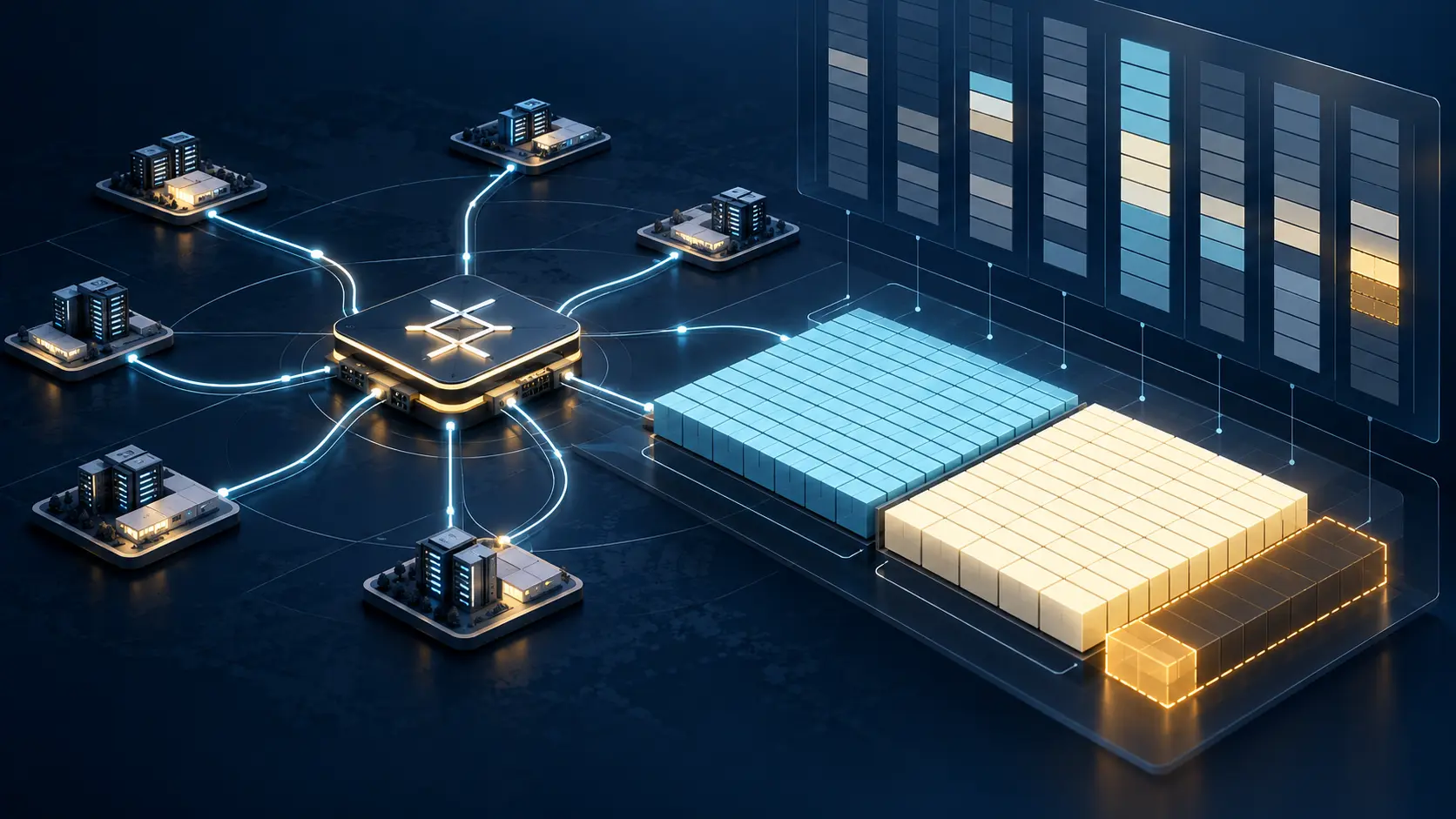
Mayotte’s Fibre Pause Tests the Economics of Public Coverage
A temporary order over five municipalities is also a test of the financing logic behind a territory-wide network: can a public concession still reach lower-density places if a parallel build changes where the expected wholesale revenue sits?
Story
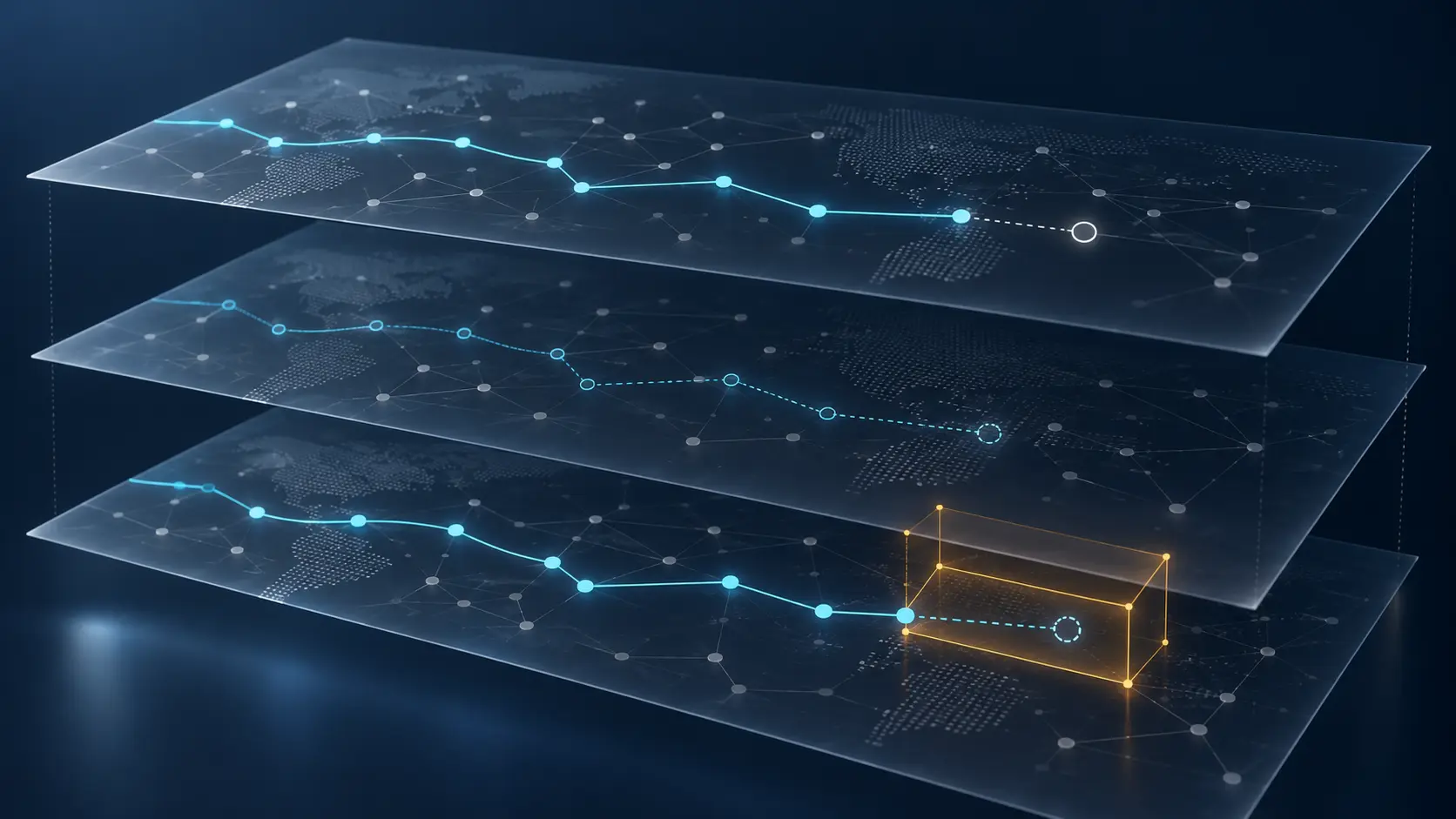
AFRINIC’s IXP Reserve Needs a Ledger Before It Needs a Bigger Block
AFRINIC’s own policy record raises a practical question about the IPv4 held for Internet exchange points: can the community see which parts are used, which remain contiguous, and who is waiting? Until that picture is public, a debate over whether a `/16` should become a `/15` is…
Story
RIPE RIS Plans a Timer for Routes That Stick in Its Archive
RIPE NCC plans to add a synthetic BGP hold timer inside the RIS processing pipeline. Its own changelog records a peer’s routes persisting in bview after de-peering; public records do not show whether the planned change targets that exact case.
History
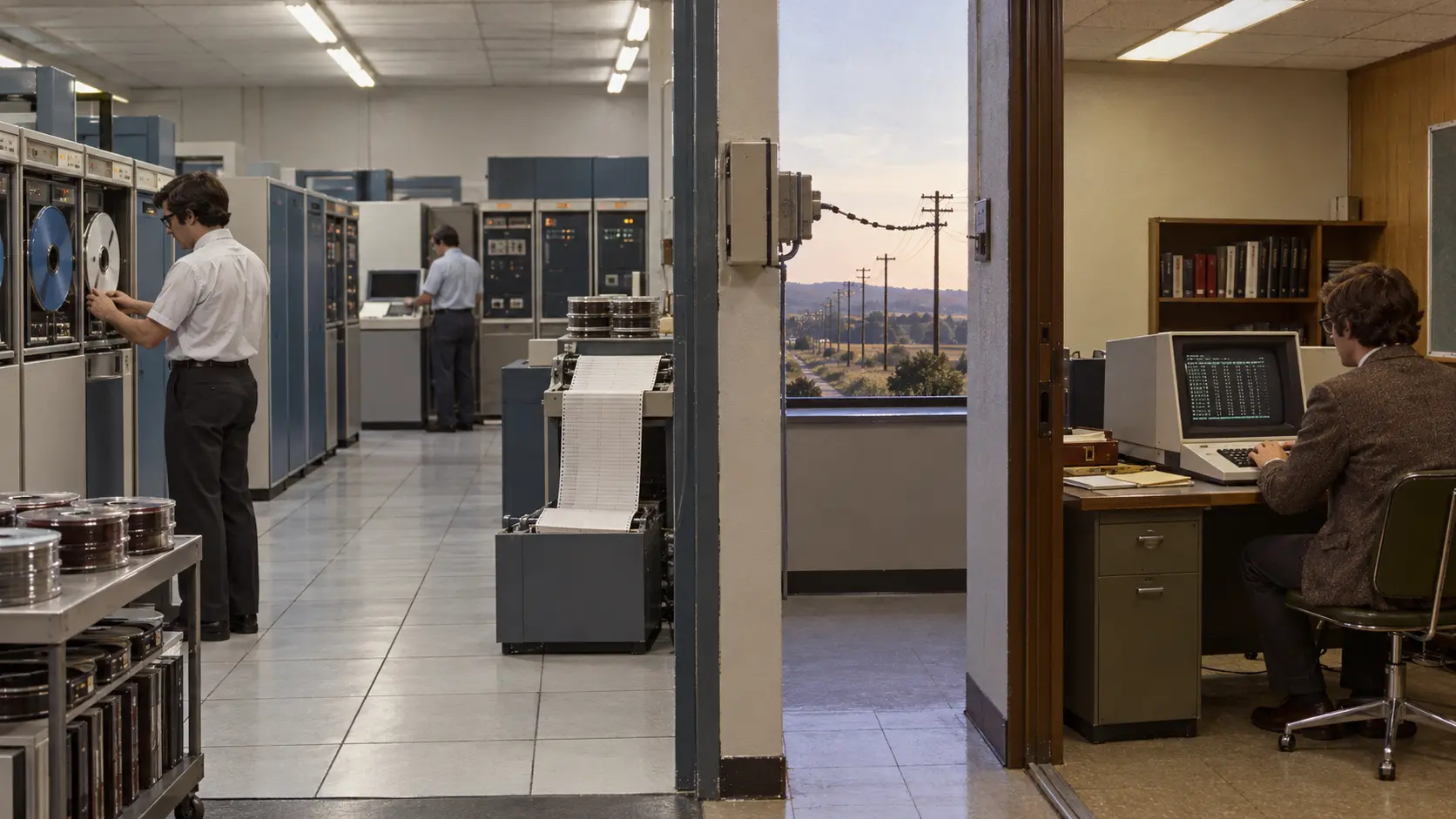
FTP Could Retrieve, Rename—and Execute: RFC 114’s 1971 Proposal
Before “file transfer” settled into a narrower job, one 1971 proposal treated a remote program as another kind of file operation. The boundary drawn a few months later helps explain what FTP did—and what its early specification left open.
CASE FILE
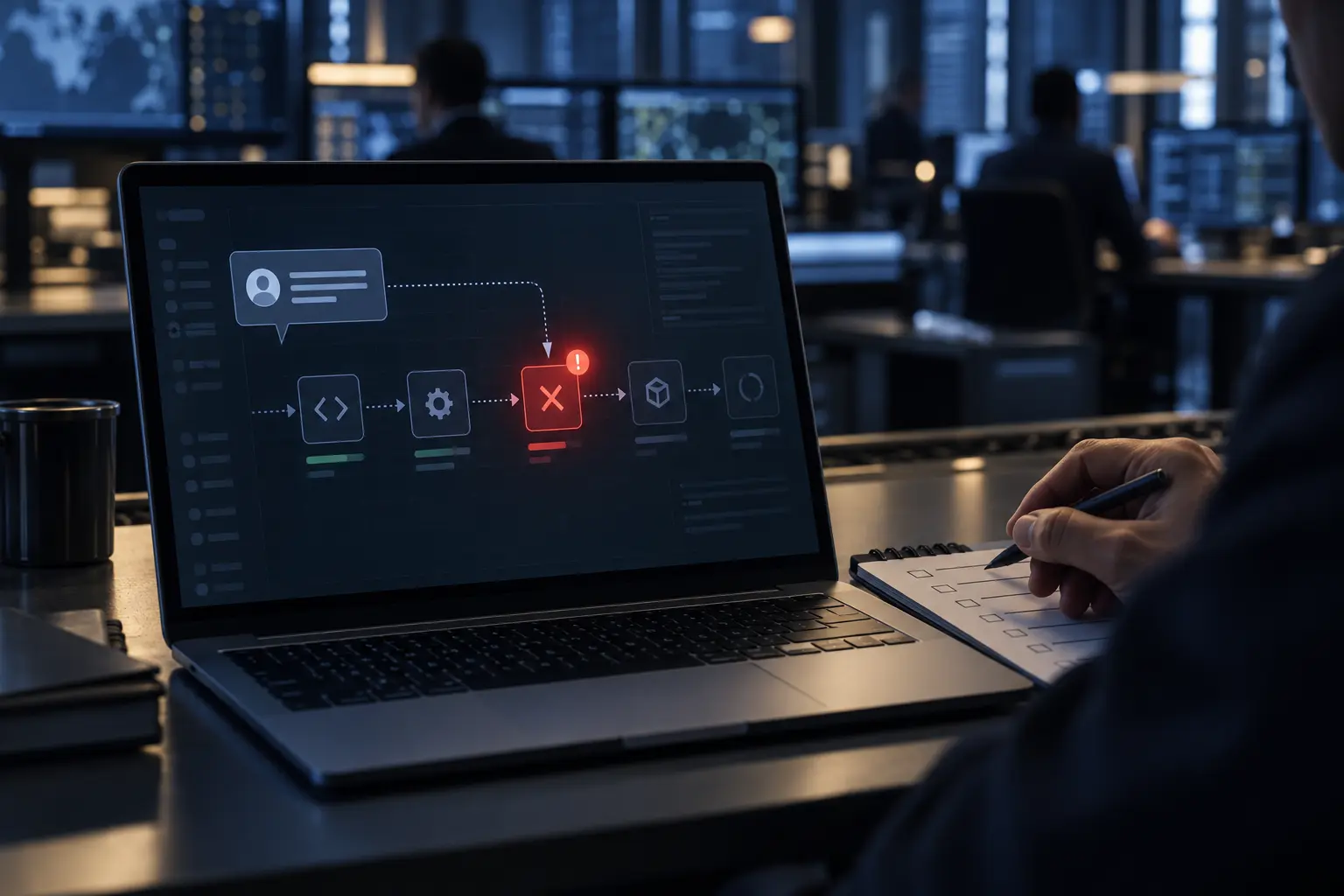
A Comment Could Run Code in a UK Government Workflow
A specially structured comment could route untrusted text into a government service’s build workflow. The pilot shows what AI can find—and why a person still had to verify and fix it.

CASE FILE
The evidence gap behind a £1 million grant programme
A Charity Commission inquiry found that the Schwarzschild Foundation made large grants and investments before it had policies to check their use or record why they served the charity.

History
A Brand Name Became an Inbox: Josh Quittner’s McDonald's Domain Experiment, 1993–94
Josh Quittner turned a domain-name assignment into a question readers could answer. He recalled registering `mcdonalds.com`, inviting readers to tell him what to do with it, and hearing from people in several countries. A story about the Internet had become a conversation carried…

Story
RIPE NCC Took Four Sites Offline. Its Core Registry Services Stayed Online
After discovering PHP vulnerabilities, RIPE NCC took two Academy addresses and the NRO and ASO websites offline as a precaution. Its status page separately listed the RIPE Database, RPKI and LIR Portal as operational—a distinction that clarifies the reported scope while leaving…

Story
A warning signal is a queue, not a verdict
APNIC’s post-roll account follows 50 networks that looked poorly prepared before the DNS root-key change. Their measured acceptance later moved above a majority threshold. That trajectory shows why readiness signals need a clock, a follow-up path and a precise definition of what…

History
The IAB Kept Internet Research and Engineering in Contact, 1989
In September 1989, the Internet Activities Board described research and engineering as overlapping work, not separate lanes. The distinction, it said, was often one of viewpoint and time horizon; exchange between the two was part of the design.

History
The Pacific Route Was a Policy Choice: Guam and TPC-3, 1985
A 1985 FCC order backed an early transpacific fiber cable even though satellite capacity could still cover forecast demand. Its hard question was where a second path should land—and who should carry the cost.

CASE FILE
MMO’s new Board appointments put oversight in focus
Annie Hind joins the marine regulator’s Board in November, while current Board member Judith Petts becomes Deputy Chair in February. The dates set out a clear handover; the public test is how the Board uses its experience to oversee decisions affecting fishing and marine…

Story
AFRINIC’s 2025 surplus fell 65% while income rose
AFRINIC’s audited accounts show three different signals: income edged higher, the surplus before finance items contracted sharply, and cash generated from operations fell further. A currency swing softened the annual decline without reversing it.
History
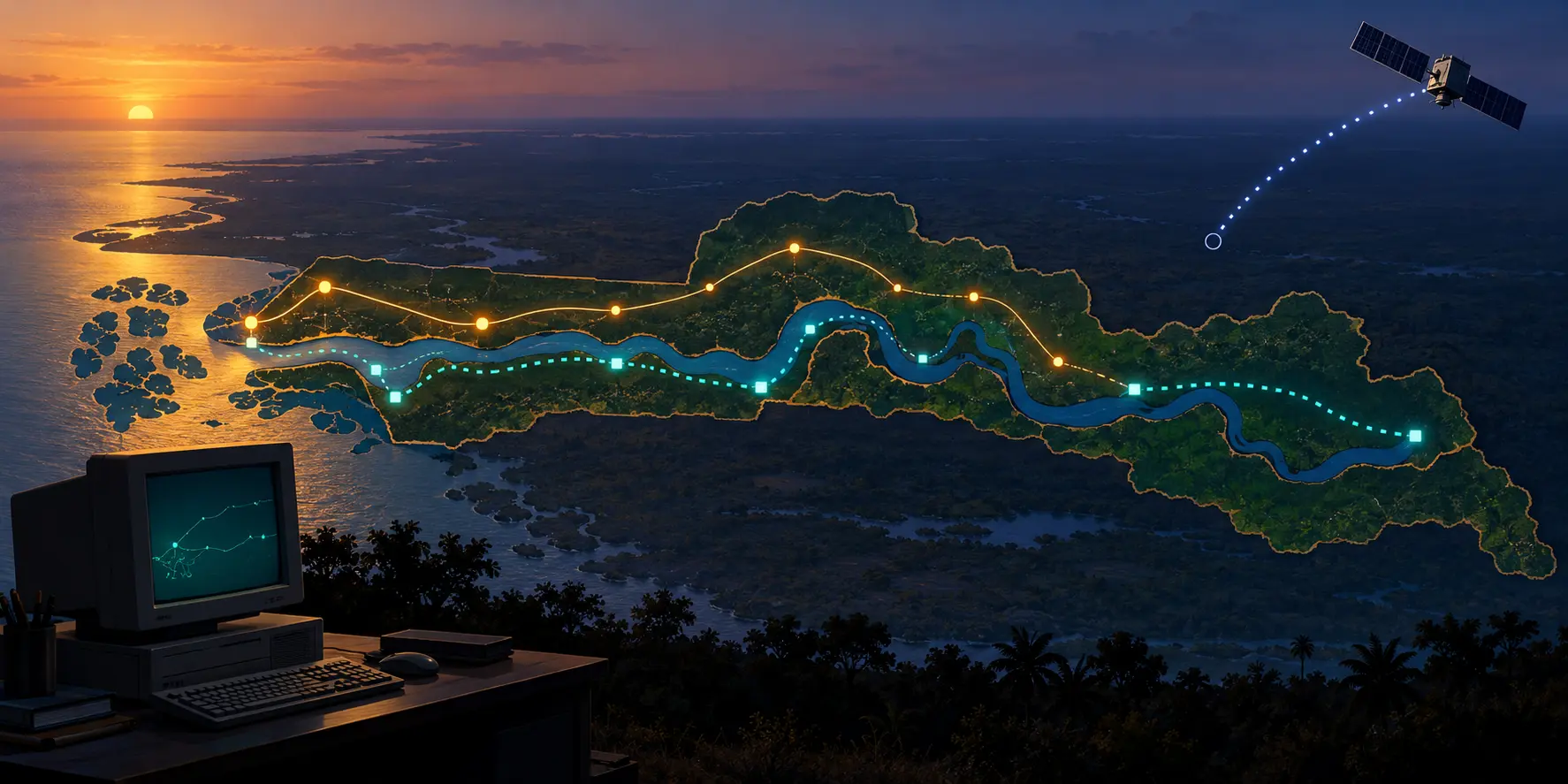
The Internet Was Not One Network Yet: GAMNET, Healthnet and Geisnet in The Gambia, 1996
In November 1996, a researcher in The Gambia described several ways to get a message across a network—and a satellite Internet connection that still lacked funding. The snapshot makes “the Internet arrived” a question of what service was actually working.
CASE FILE
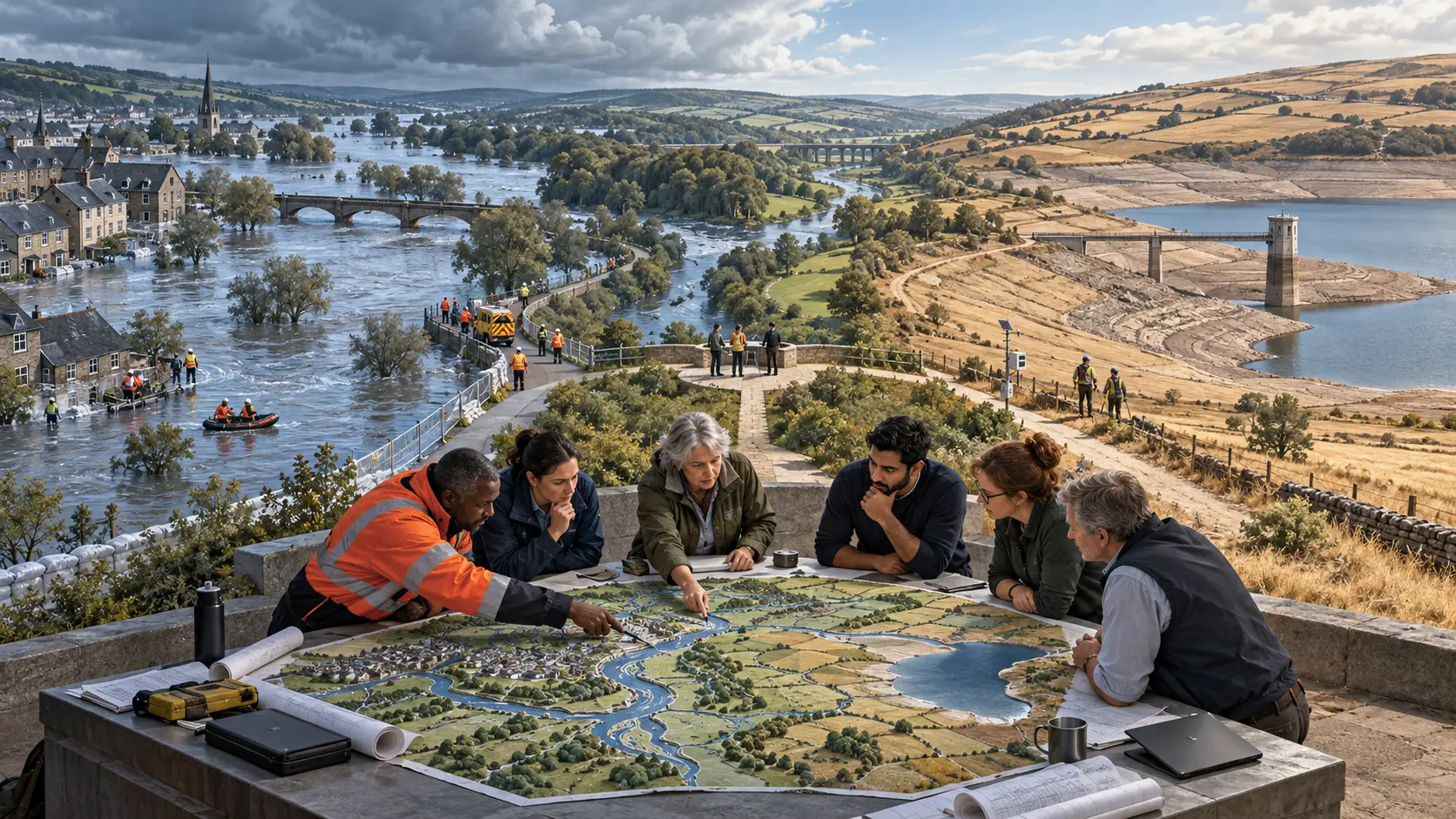
Britain’s flood-drought taskforce needs a public mandate
The government says a new body will join flood and drought planning. GOV.UK still publishes a flood-only taskforce charter, leaving its relationship to the 2026 group unresolved.

CASE FILE
The 6G Positioning Project Has Two Public Timelines
A new Ericsson, KTH and NTU initiative promises to make location estimates more dependable when walls and other obstacles defeat a clear signal. Its own public records leave a more basic question open: when did the work begin, and what exactly begins next November?
CASE FILE
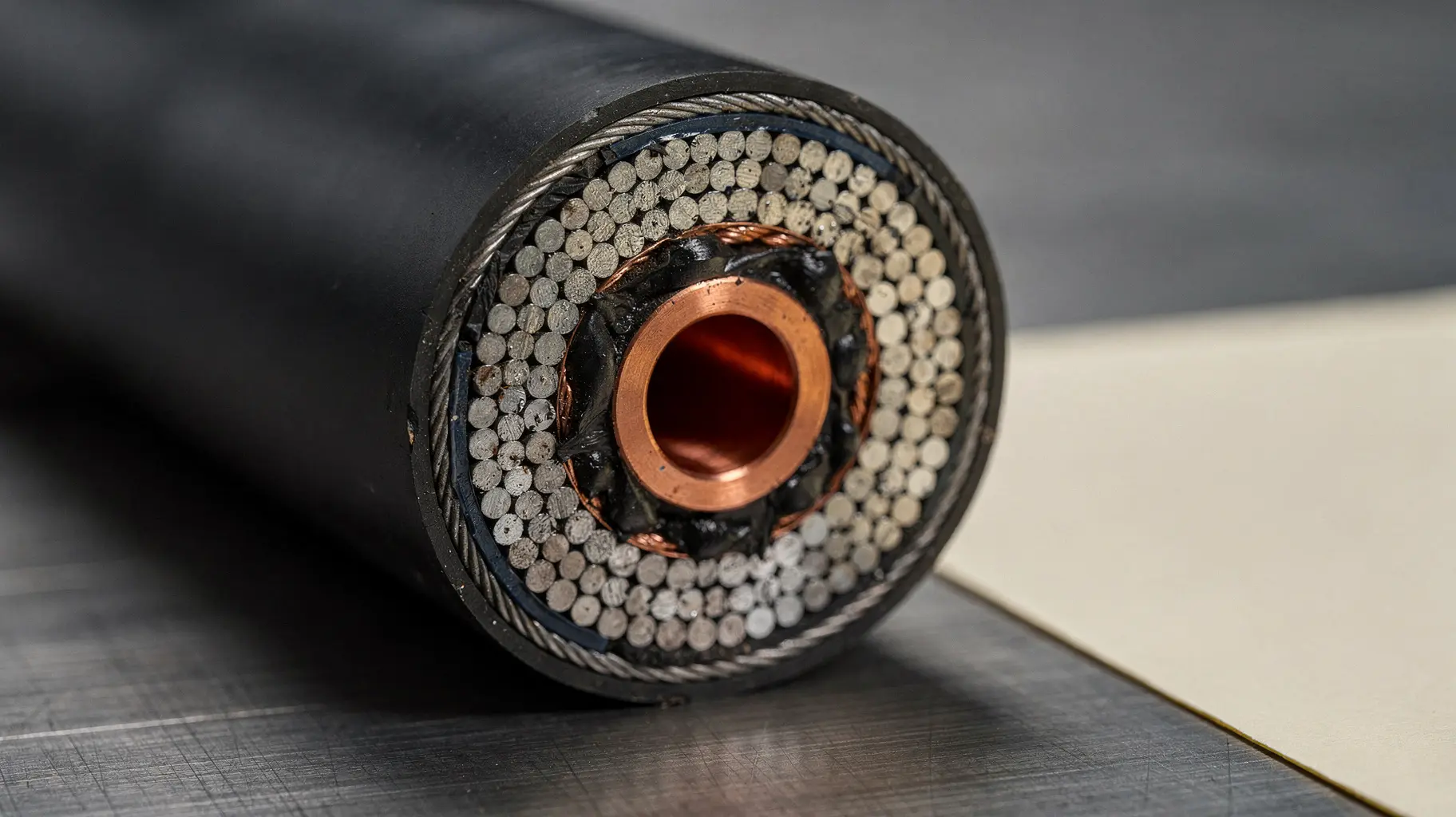
Two Registries, One Name: What STC Submarine Systems Still Answers For
A UK company record and a US number-registry entry both keep the name STC Submarine Systems alive. Only one of them names a party anyone can still be held to.

History
Eight Blocks, One Root: RFC 1366’s Regional Address Plan, 1992
RFC 1366 mapped eight regional blocks for class C network numbers, but the Internet Registry kept the root, the default service and every A/B network. The proposal delegated a registration function; it did not hand regions ownership.

History
The Ping Came Back. 87 Minutes Later: Bergen’s RFC 1149 Test, 2001
In April 2001, a Bergen Linux group carried IP packets between two computers by pigeon. Its log records four replies, long measured delays and a result the group called a success—evidence of a working adapter, not a usable network service.
Session Map
Governance Branch
RIR Watchdog
Five regional sessions tracking allocation policy, board legitimacy, and institutional continuity.
Open RIR WatchdogCase File
Long-cycle governance dossiers with legal, election, and institutional stress analysis.
Open Case FileNumber Resource Society
Membership, charter, and resource-governance intelligence from the NRS ecosystem.
Open NRS SessionICANN
DNS coordination, accountability frameworks, and global multi-stakeholder process dynamics.
Open ICANN SessionIETF
Protocol standardization trajectory and interoperability risk under fragmented policy conditions.
Open IETF SessionHistory of Internet
Long-cycle infrastructure history used for governance interpretation and structural forecasting.
Open History SessionNOGs
Operator-level implementation intelligence from APRICOT plus regional and national NOG ecosystems.
Open NOGs Session