Summary
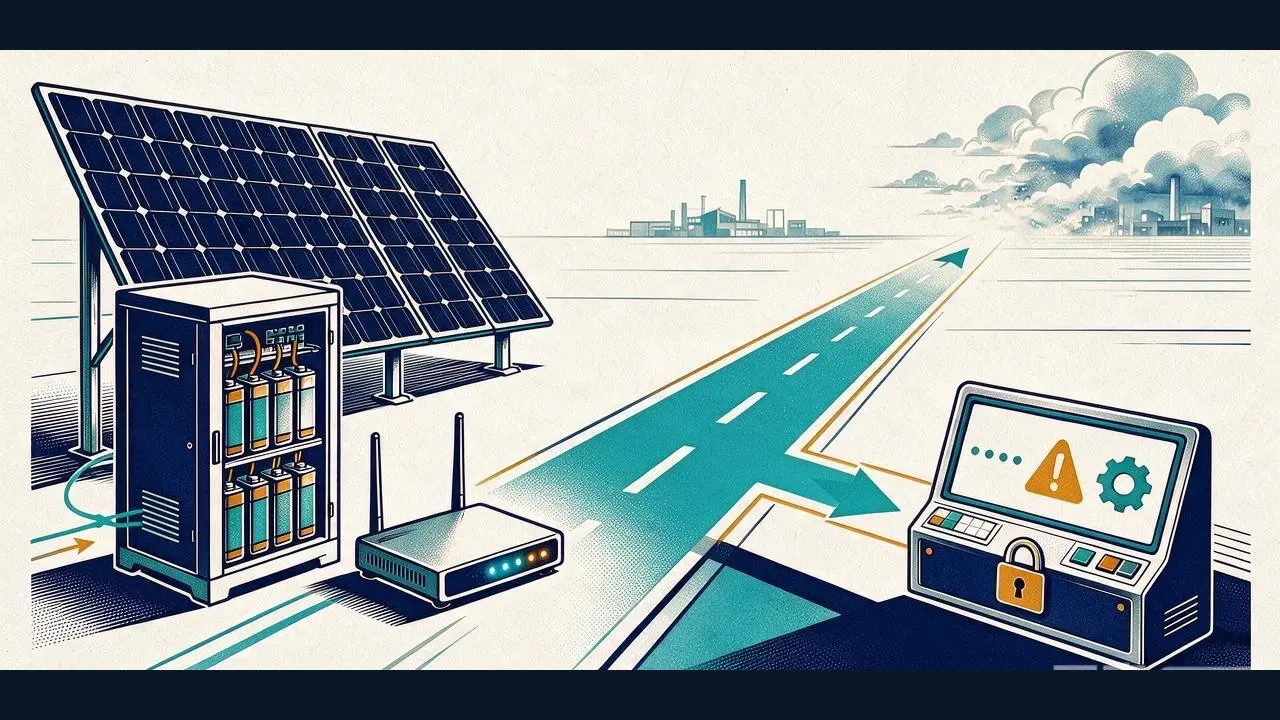
- APNIC’s two-part solar PV guide treats battery storage as infrastructure for sites that cannot depend on the grid, and Part 2 warns that cloud-only monitoring may vanish during the very Internet or power events the system is meant to survive.
- The contract questions are as important as panel capacity: 20-year software support, patch delivery, remote access, local monitoring, APIs, grid approvals and what happens when the vendor exits.
- Power availability and control-plane availability must be procured together. A solar system that makes watts while the operator loses local telemetry, configuration and recovery does not complete an Internet-resilience design.
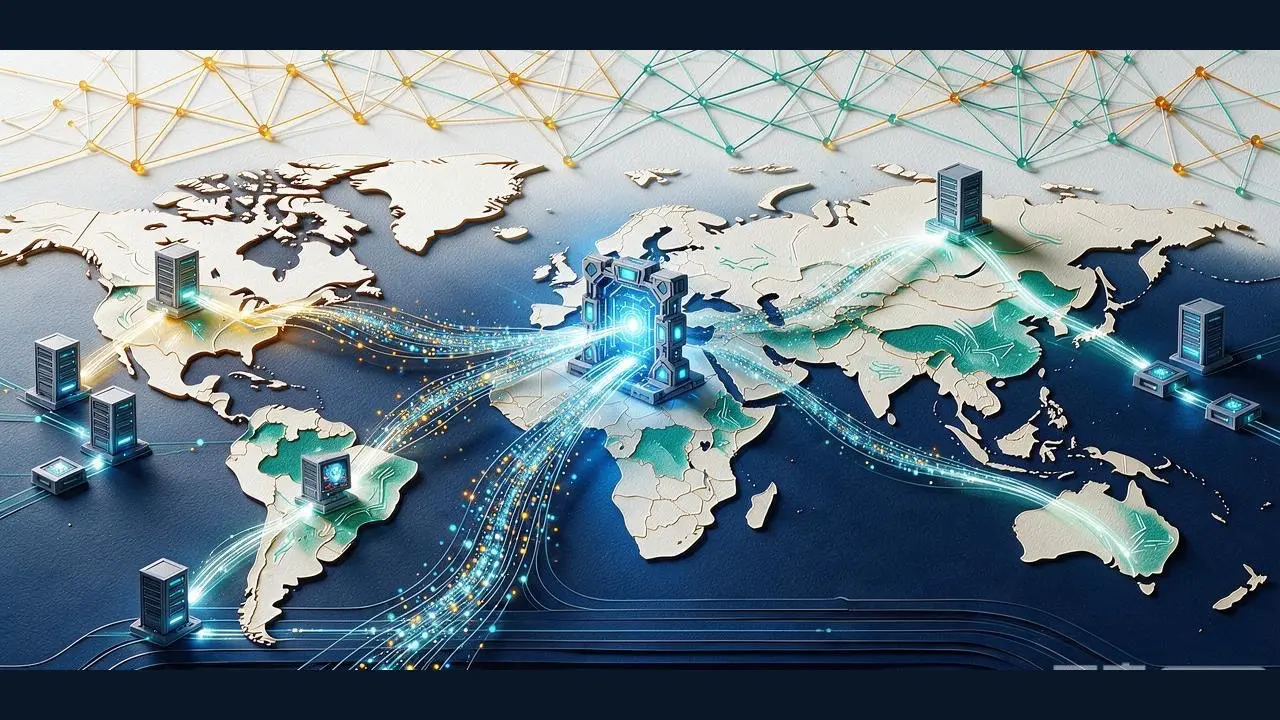
Part 2 of APNIC’s guide makes a useful distinction between electricity and a working system. A PV array can keep batteries charged while network equipment remains up. A cloud account, remote API and vendor support portal can remain down. The power plant survives; the operator’s ability to understand or change it does not.
The procurement list includes questions most buyers leave until after installation: Who supports the software for 20 years? How do security patches arrive? Who gets remote access? Which monitoring is local? Is configuration available without Internet connectivity? Do the inverter and battery expose a durable API? What happens if the manufacturer stops operating?
Those questions do not make cloud services bad. They mark the difference between convenience and the last-resort control path. Remote dashboards can simplify a multi-site estate. Local access must keep the site explainable when remote service disappears.
Part 1 of the guide adds a second form of hidden state. A grid-connected system that supports islanding has three energy sources and three destinations. Inverters may have to shut down briefly at the start and end of a grid outage and resynchronize when the grid returns. Equipment that cannot lose power still needs a UPS. Modelling five days of storage and the site’s peak and average loads comes before a vendor’s attractive package.
The network version is direct. Power continuity requires battery state, inverter mode, grid status and load. Control continuity requires authenticated local access, logging, configuration, firmware provenance and a route back to a trusted operator. A dashboard hosted elsewhere cannot be the only copy of all six.
The contract should name the fallback
A resilient procurement should define four modes: normal grid operation, islanded operation, grid return and vendor-cloud loss. For each, the buyer should receive a diagram, access method, expected alarm, local read surface, human action and recovery test.
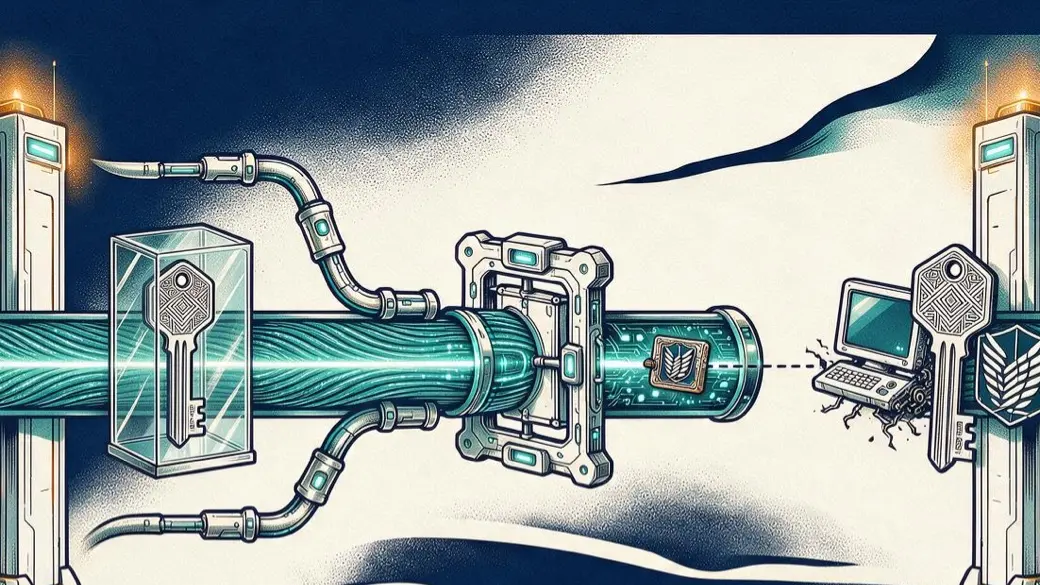
The same record should name software custody. Which organization receives the firmware and security advisory? Which key signs an update? Where is the patch staged? Can an operator verify a version locally? If the vendor disappears, who can replace the controller without replacing the plant?
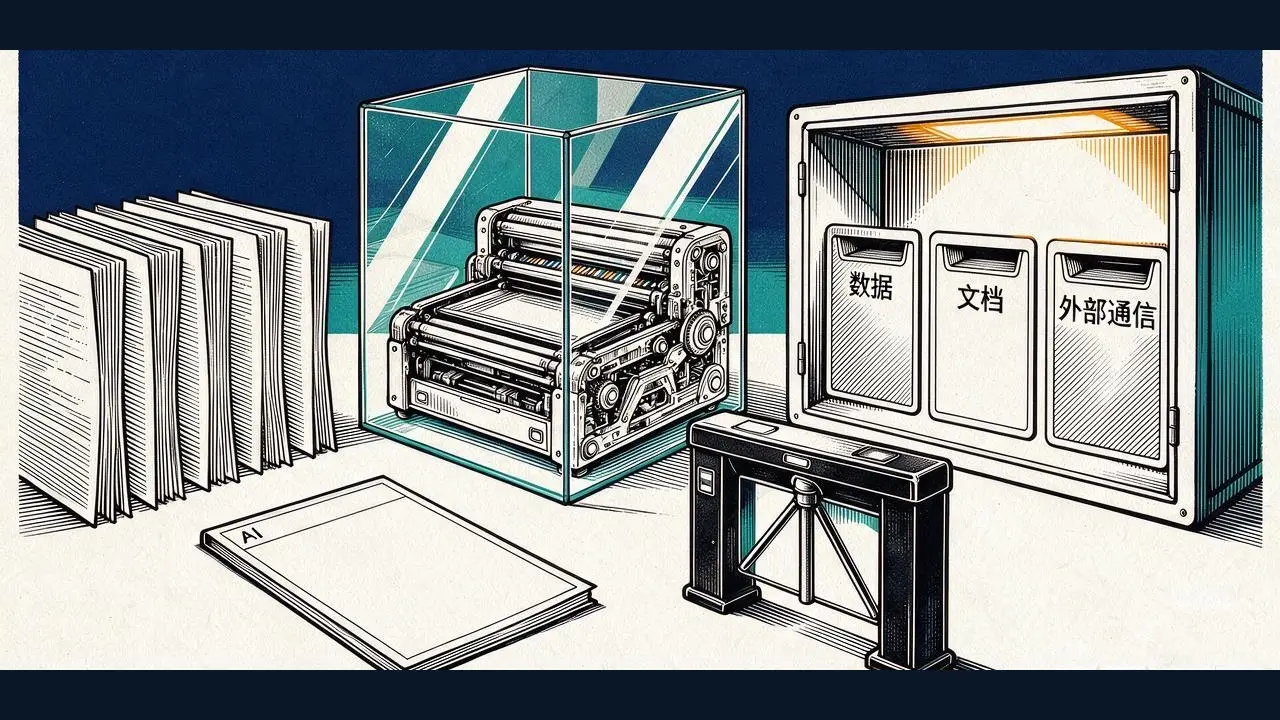
Network segmentation follows. Solar management does not need arbitrary access to registry systems or office applications. Give monitoring and control its own VLAN, allow only documented egress, constrain third-party remote sessions and log local and remote changes. The control plane needs a smaller blast radius than the plant.
The APNIC series publishes design and purchasing questions, not an outage survey. It supplies no installed-system count, cloud-discontinuation rate, cost comparison or incident series. That evidence gap prevents a claim about reliability rates. The procurement gap is still visible: the questions a buyer must ask can be extracted, but the answers are not part of a standard quote.
Do not let the backup depend on the thing it backs up
If a solar system is justified by grid fragility, its management console should not require the public Internet. If it protects a network service, its identity and configuration should not depend on a vendor account that the operator cannot export. If it must last 20 years, its support custody cannot be a five-year product brochure.
The energy transition will add more controllers, APIs, batteries, cloud accounts and remote maintenance sessions to network sites. They deserve the same dependency accounting as routers and DNS. An operator should be able to walk into the site, see the state, isolate the controller, restore the known configuration and prove that the network still works.
Solar power can rescue the router. The contract has to rescue the console.
Sources: APNIC Part 1; APNIC Part 2.
Member Briefing
Read the full trend briefing
Members read the full briefing with the source notes behind every finding.
Strategic Circle
A daily briefing in your language, built from changes we have verified.
Join for USD 20/monthCancel anytime.
Members also get the full research library, a daily briefing on the networks they follow and the private forum.