Summary
- Google shut Reader down on 1 July 2013 and said subscription data would become unrecoverable after 15 July.
- RSS could carry publisher feeds between readers; it could not recreate Reader's subscriptions, stars, notes or social relationships.
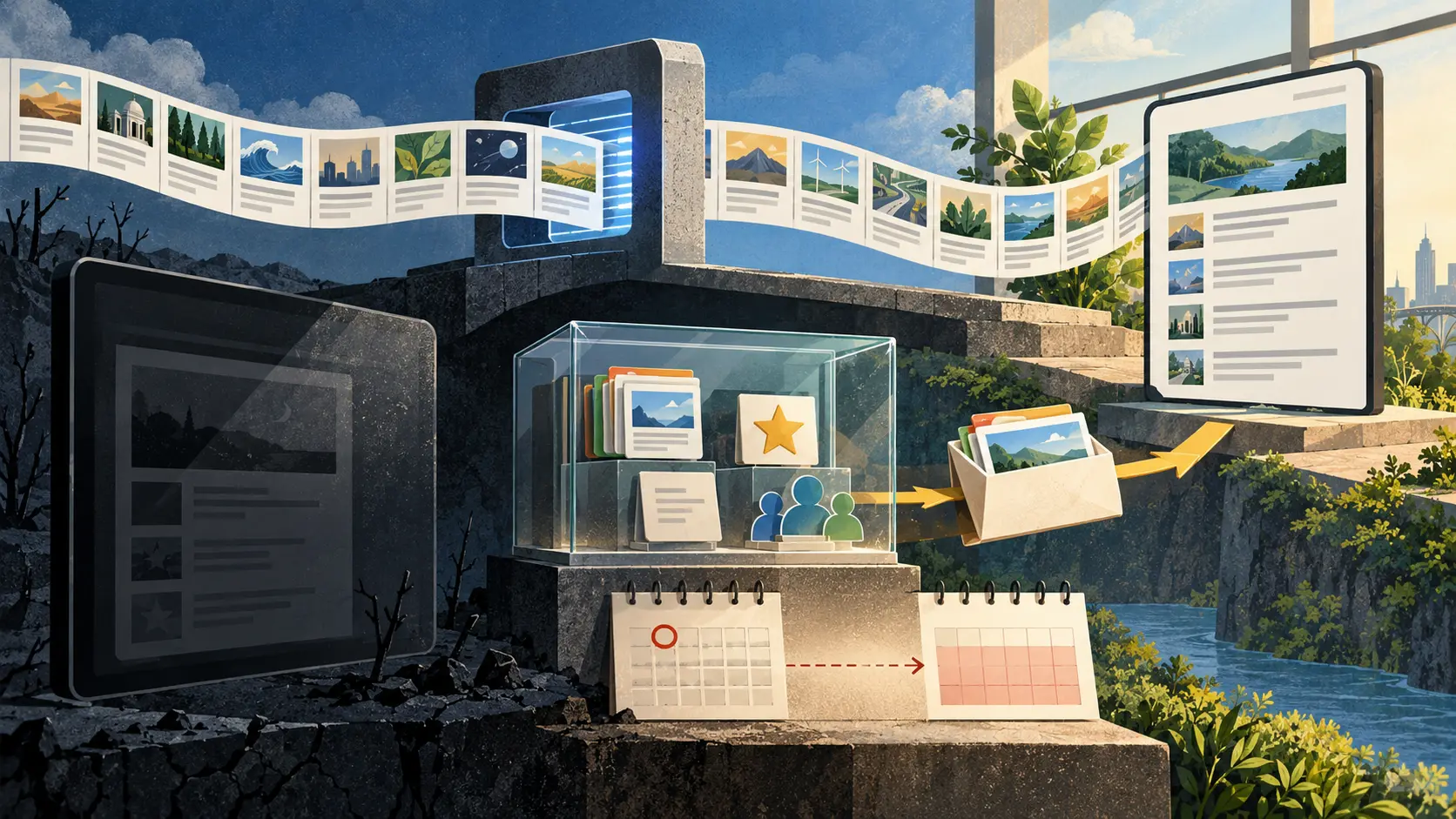
The service had two end dates. Google Reader stopped on 1 July. The team's farewell, posted on 2 July, put the recovery cutoff for subscription data after 15 July. Fourteen days separated the product going dark from Google's stated point of no return.
The feed was not the account
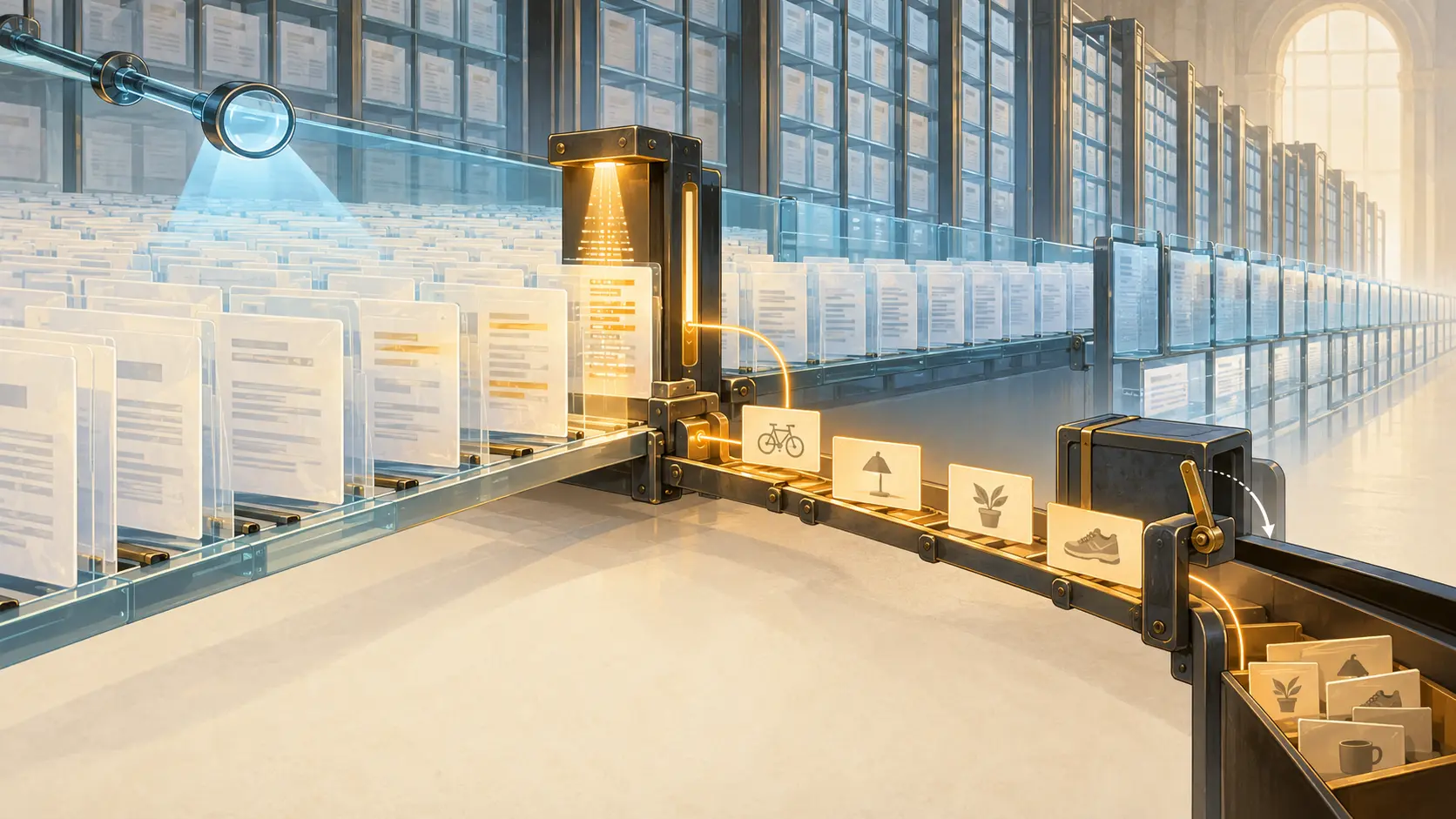
Google introduced Reader on 7 October 2005 as a Google Labs experiment for bringing personalized web content into one place. Its announcement treated syndication as the continuing supply: the team planned to keep iterating while websites kept publishing feeds. That product sat downstream of publishers. It collected their updates in a single reading surface.
A year later, Reader added sharing. Users could point friends to starred items or expose a public linkblog that friends could subscribe to without opening a Reader account. The service now held more than a list of URLs. It held choices about what a person read, marked and passed along.
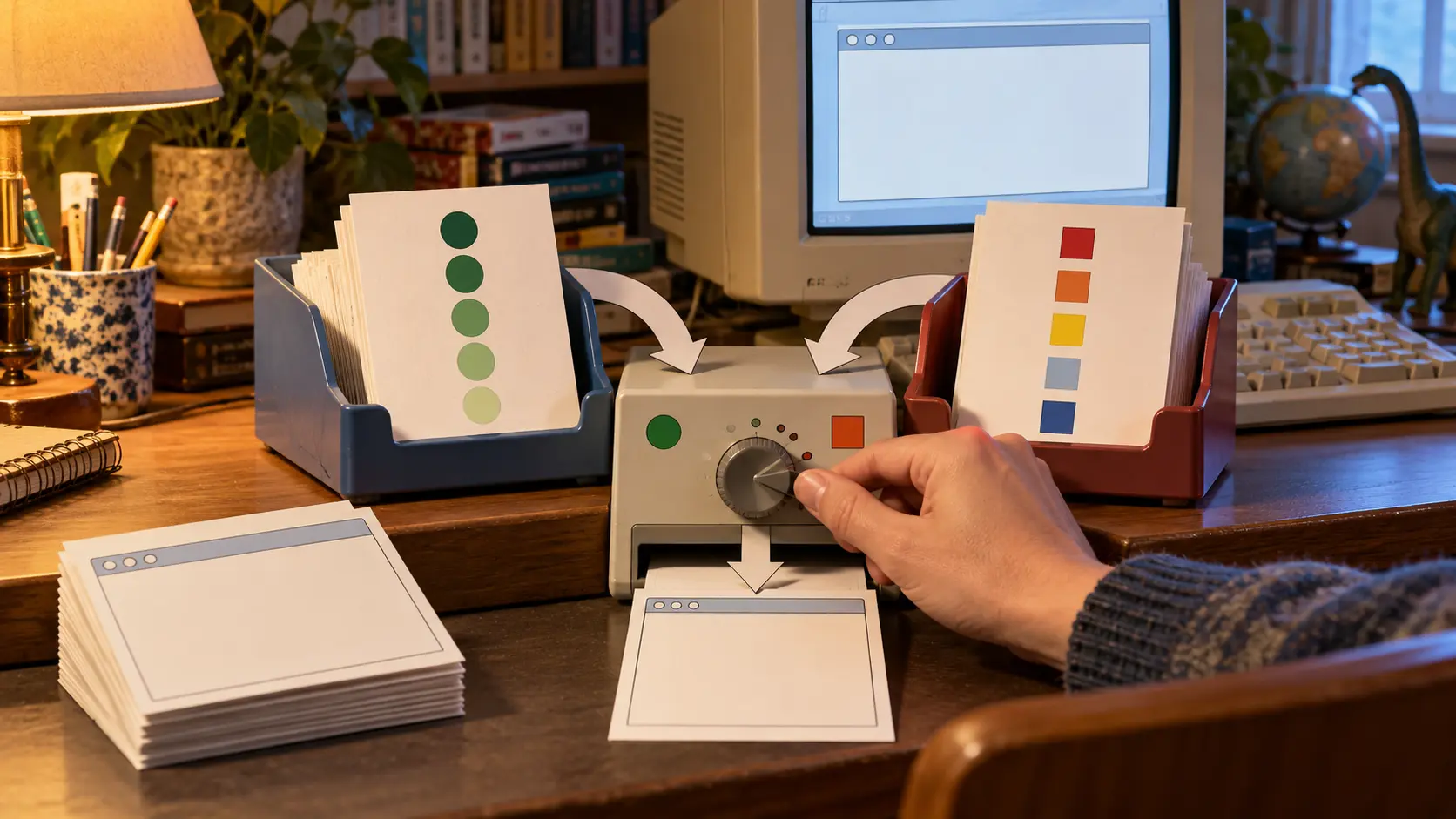
RSS described a different object. The 2.0.1 specification describes an XML channel and its items: the publisher's feed, not an account's friend list or saved reading state. Another reader could parse a publisher's RSS document. The document itself could not restore which people a Reader user followed, what they starred, or which notes they had made.
Google moved the social controls
On 20 October 2011, Google announced that Reader's friending, following and shared-link blogs would give way to Google+ features. The same announcement expanded the named export list to five kinds of data: subscriptions, shared items, friends, likes and starred items. Ten days later, Reader's team described the new controls going live: +1 and sharing to Google+ circles replaced the old controls, while friending, following, shared items and comments were switched off inside Reader.
That sequence matters. Google did not announce that the feed format was moving into Google+. It moved Reader's social functions to another Google product, while the export feature was supposed to carry selected Reader data out. The feed and the account state had different migration paths.
July 1 was not the last data date
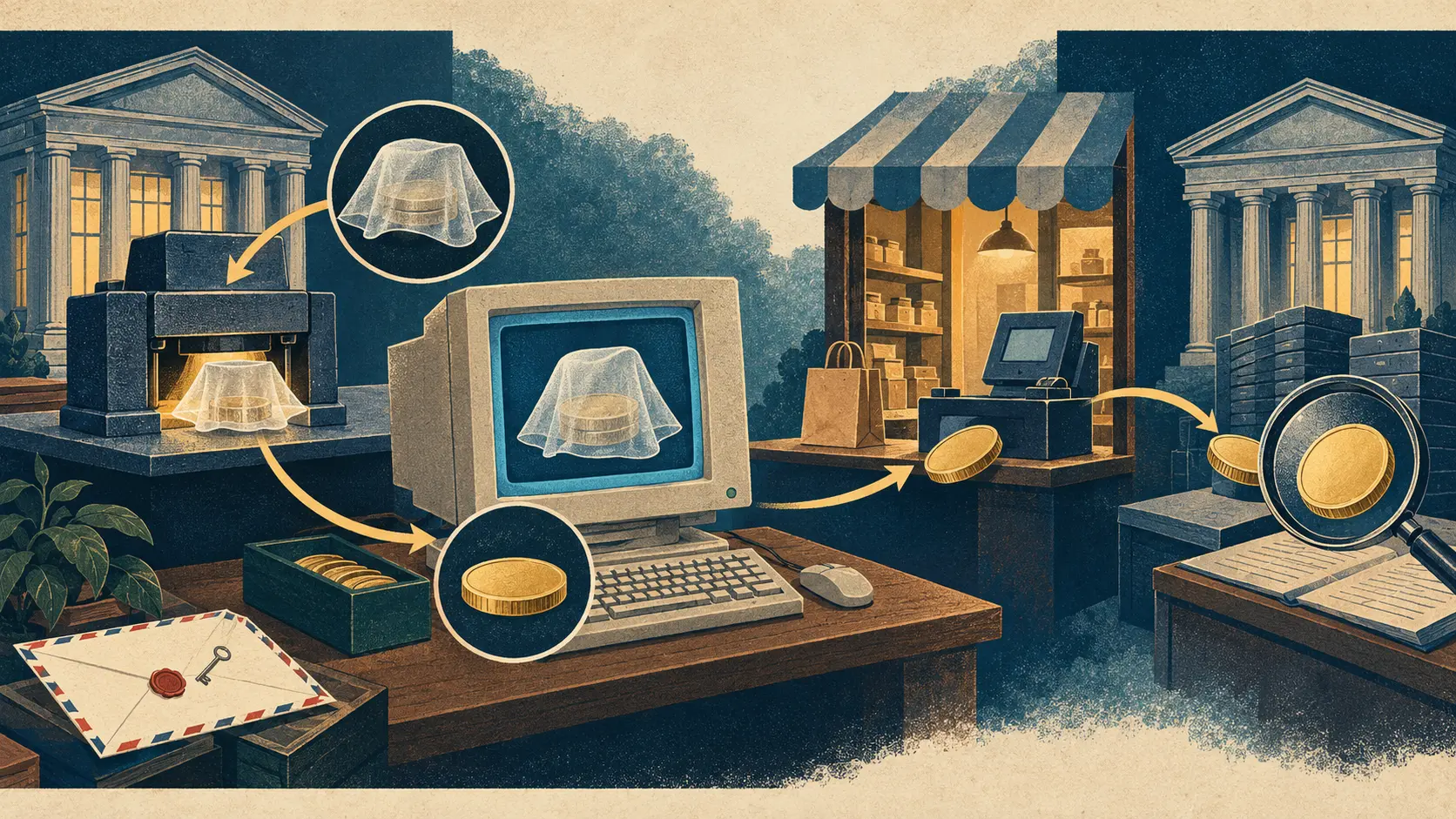
On 13 March 2013, Reader's team announced the shutdown for 1 July. It cited declining Reader usage and Google's decision to concentrate on fewer products; those were the company's stated reasons. The team offered what it called a three-month sunset and pointed users to Google Takeout for Reader data, including subscriptions.
The farewell appeared on 2 July, after the service had been powered down. Its FAQ said subscription data—including followed-person lists, starred items and notes—would be deleted from Google's servers and would not be recoverable after 15 July. The 1 July service cutoff and 15 July recovery cutoff were two separate events, not one shutdown timestamp.
The surviving notices do not show an actual 2013 Takeout archive or its file manifest. That archive would establish which files users received at closure; the article does not claim that the export omitted any data Google had named in 2011.
Reader could close without taking RSS with it. Publishers' feed documents remained defined by a format that other software could read. The subscriptions and relationships Reader assembled were a separate product record, controlled by the service and governed by an export promise and a deadline. Google let the reader leave the room on 1 July. The records had until the 15th to find another home.
Sources
Member Briefing
Deeper Profile Context
Sign in with the right membership level to unlock the full briefing and source notes.
Only for Strategic Circle
Strategic Circle
Open to all readers. Unlock profile briefings after joining and signing in.
Join Strategic CircleOnly for Leadership Alliance
Leadership Alliance
For qualified IP-asset owners and management; sign in to unlock alliance briefings.
Join Leadership Alliance