
Profile
Briefing
Briefing profile intelligence connects person, company, institution, and other entity coverage for readers comparing the subjects behind BTW.MEDIA reporting. The page helps compare public profiles, related events, evidence packs, role changes, operating footprints, governance exposure, organisational links, and market relevance while keeping organisation and people records distinct from ordinary news chronology. Readers can understand the subject behind the headline, the evidence supporting that profile, and the infrastructure or market relationships that make the profile relevant. They can see who or what the profile represents, which public sources support it, how it connects to companies, markets, governance bodies, or events, and what changes may deserve continued attention as the subject evolves.

Africa Institutional
GARNET: Ghana's research network documents its mandate, not its operations
Ghana's national research and education network can be named, dated and mapped to seven public universities. What it cannot yet be is checked: neither its own site nor the regional body that recognises it publishes governance, funding, contracted capacity or the address resources…

Global Regional ISP
The Registry Names It. The Operating Layer Does Not Follow.
The Registry Names It. The Operating Layer Does Not Follow. intelligence summary explains the development, the public evidence available to readers, the organisations involved, the regional context, market exposure, and the infrastructure consequences that may follow. The Global…

Europe and Middle East National Telecom Trends
Ofcom’s fixed-line totals show decline, not what is disappearing
Ofcom’s latest UK figures put fixed voice revenue at £874.2 million and the mixed-technology line count at 20.2 million. Together with falling call minutes they show contraction, but the published totals cannot say which network types or operators account for it.

Number Resource Society
The ASO Address Council filled a seat and reopened it three weeks later — and the rulebook stayed unread
On 25 August 2026 the Address Supporting Organization's Address Council announced that it had selected Oscar Robles to fill an ICANN Board seat 9 vacancy. Three weeks later, on 15 September 2026, it called for nominations for that same seat. Both notices are published. Neither is…

Asia-Pacific National Telecom Trends
Australia’s telco safety rules are in force. Public reporting still counts cases, not protection
Australia’s new standard reaches inside the account itself: who may speak for a customer, how a provider may contact them, and whether service stays connected. ACMA reports growing enforcement activity, but its public counts do not yet show how reliably those controls work for…
Latin America and Caribbean Regional ISP
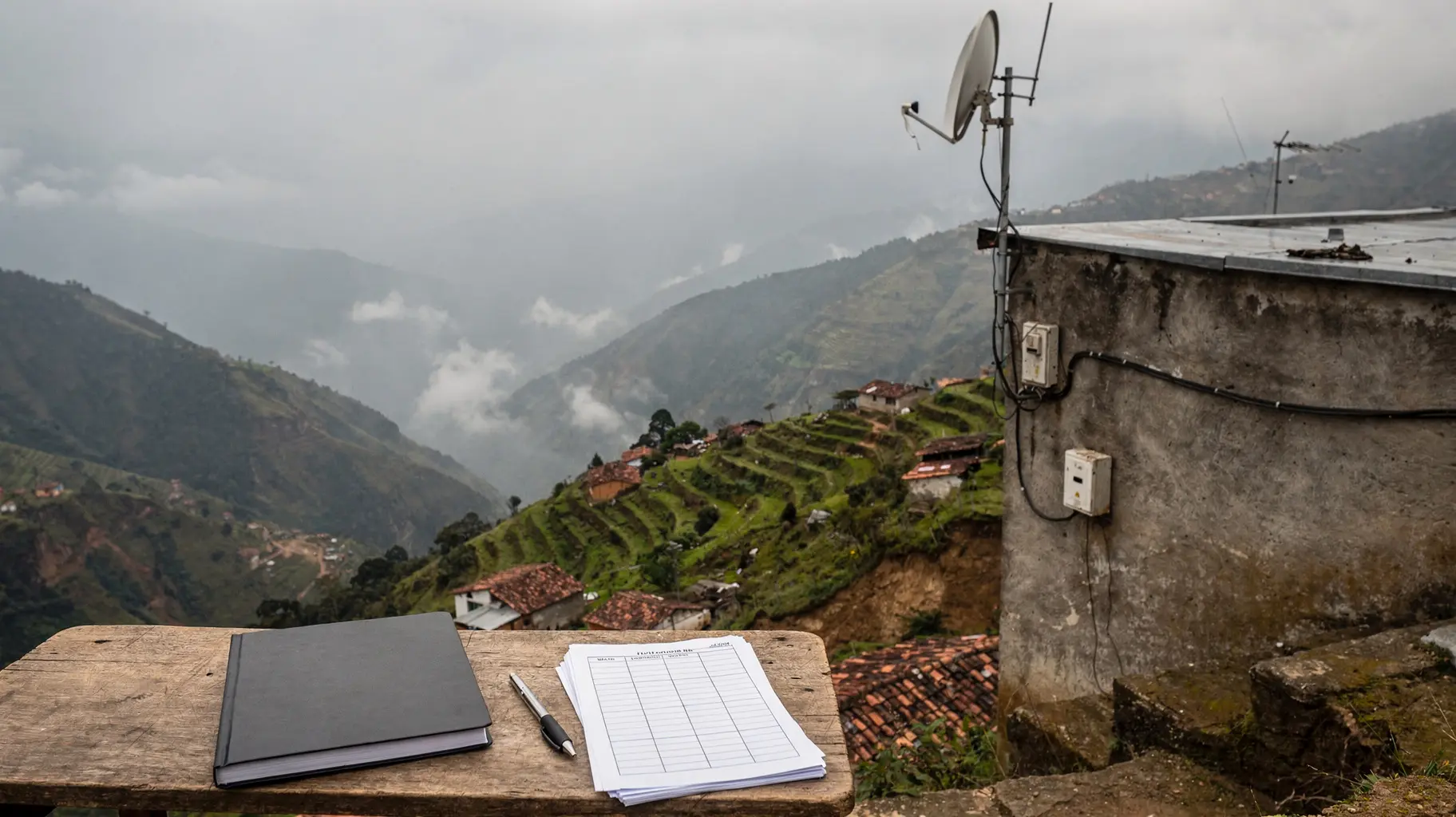
Colombia Shortened the Path for Community ISPs. Granada's Vahos Telecom Leaves No Registry Footprint
A community association in Colombia carries an operator identity, a simplified national pathway for community internet providers now exists, and the regional registry says it assigns numbering resources to community networks. Neither the public member directory nor the national…

North America National Telecom Trends
Canada’s MVNO framework faces a network-expansion evidence test
The CRTC’s mid-course information request links wholesale agreements to customers, radio sites and capital. It can show what happened alongside access; without a comparable baseline, it cannot show what access caused.

CASE FILE
Ofsted will trial independent complaint reviews, but HMCI keeps the grade
An external reviewer will be able to inspect the evidence behind a school inspection complaint and recommend that Ofsted looks again. The final decision, including any change to a grade, stays with the Chief Inspector.

Africa Institutional Trends
ReuNION’s funding is defined; Réunion’s cable-access rules are not
ReuNION now has a public funding plan and a named landing party. Its harder test is whether the promise of access for every operator reaches through the station and onto the island’s terrestrial network.

Europe and Middle East Institutional Trends
BEREC and Ofcom opened a channel. The next test is the work plan
The October memorandum gives Europe’s telecom regulators a standing route for exchanging ideas, but it does not create a joint regulator or a funded programme. Its value will depend on what the two bodies choose to do next, what they publish, and how each carries any result into…

Europe and Middle East Institutional Trends
Ofcom’s rural trigger counts a failed cell site, not the people it leaves offline
Ofcom’s proposed mobile-security reporting rules would make one rural cell site unavailable for eight hours a reportable event for a mobile network operator. That creates a clear geographic trigger, but the site’s postcode does not show how many people lost service, which…
Global Datacenter
The Data Centre Operator Whose Evidence Trail Runs Out
Data Centers Canada is carried in the directory as a company and a single virtual service platform. Its own domain no longer describes a business, and the one routing identifier attached to its name could not be read. That is the finding, and it is a finding about evidence, not…
Europe and Middle East Regional ISP
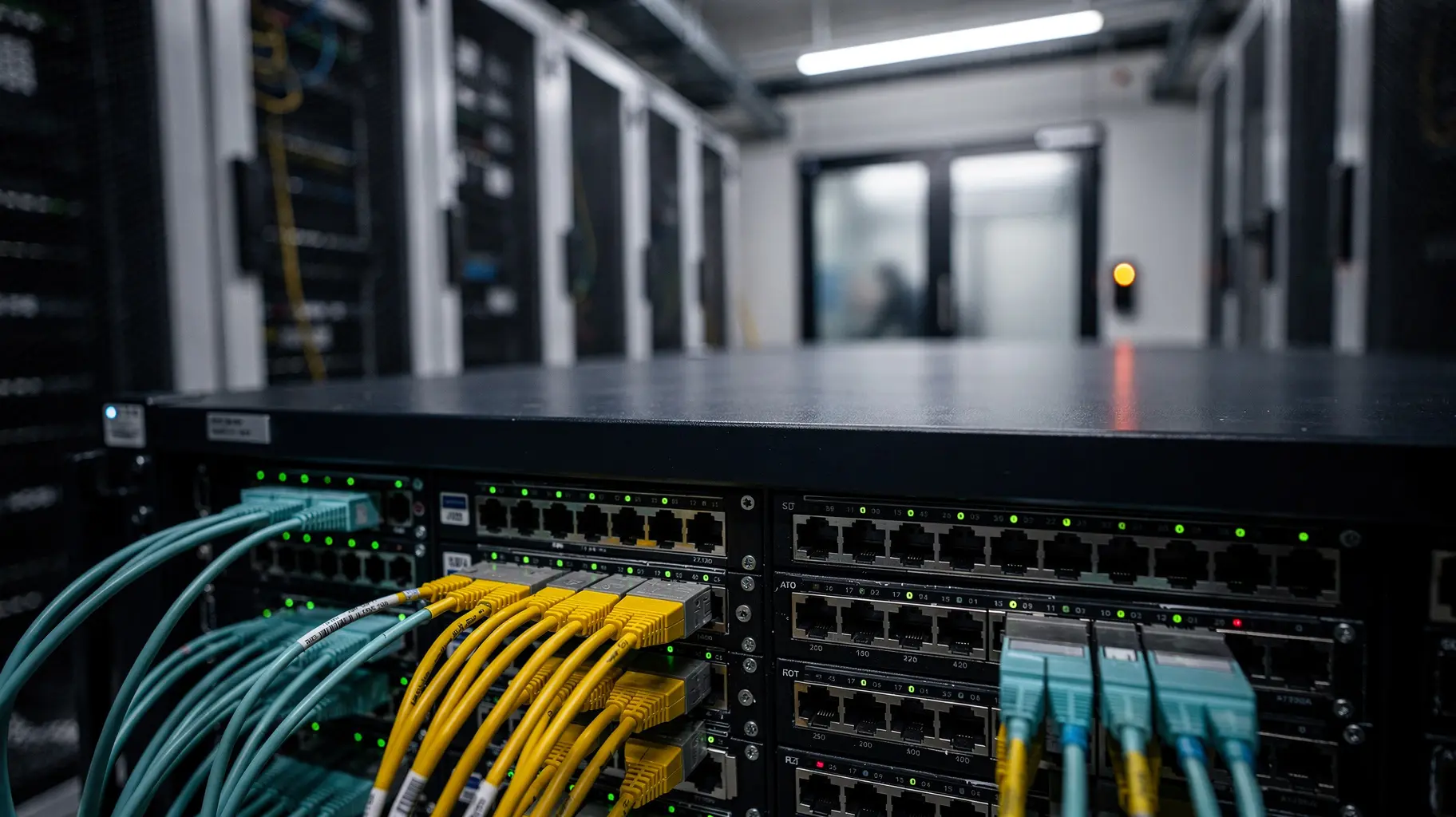
SwissIX: Eight Sites and 400G Ports, and the Routing Layer That Stays Behind the Member Portal
SwissIX: Eight Sites and 400G Ports, and the Routing Layer That Stays Behind the Member Portal intelligence summary explains the development, the public evidence available to readers, the organisations involved, the regional context, market exposure, and the infrastructure…

IETF
IETF Extends NomCom Acceptance to 23 October; Its Timetable Still Says 13 October
The 2026–2027 IETF Nominating Committee has moved the deadline for accepting nominations by two weeks. Its public home page still shows the earlier close, slate and interview dates, leaving candidates with two unreconciled versions of the calendar.

North America National Telecom
Rogers' July 2022 network failure: remedies on the record, repair unverified
Canada's largest wireless and wireline carrier went dark nationally on 8 July 2022. The regulator subsequently named a cause and imposed a specific set of obligations on the operator. Those obligations are documented in public. The evidence that they hold nearly four years later…

Europe and Middle East Institutional Trends
Three days to fit a cable-repair module is not three days to restore service
The European Commission’s €40 million second CEF-Digital call asks public emergency-response organisations to prepare modular equipment for submarine-cable repairs across the Mediterranean and Atlantic. Its three-day measure begins only after a vessel reaches a host port or…

Leaders
Denis F. Villorente and the six Philippine ASNs a directory entry assigns to one person
Denis F. Villorente and the six Philippine ASNs a directory entry assigns to one person intelligence summary explains the development, the public evidence available to readers, the organisations involved, the regional context, market exposure, and the infrastructure consequences…

Europe and Middle East Institutional Trends
The CMA’s Microsoft case has two customer groups. Remedy design must reflect both
The UK competition authority’s proposed Microsoft designation groups five business-software activities. Its own purchase data shows why an ecosystem view can matter—and why the much larger population of single-activity buyers needs its own evidence in any later remedy.

Global Institutional
Heros Communication Holding Ltd.: A Holding Card That Cannot Yet Be Checked Against the Registry
A BTW directory card describes Heros Communication Holding Ltd. as a Global network-infrastructure operator carrying a private-company legal type. On 17 October 2026 a direct test of the card's only cited registry source — an autonomous-system record — returned an unreachable…

Asia-Pacific National Telecom Trends
Before AusAlert replaces Emergency Alert, NSW sought proof on delivery and control
A newly published NSW letter asks a question the headline test result could not answer: how will officials know which compatible devices received an alert, and who has authority to send one across state lines?