
Content Type
Research
Within the Content Type facet, Research intelligence gathers BTW.MEDIA articles that share the same editorial format, helping readers compare briefings, profiles, risk notes, market analysis, and event coverage without mixing different kinds of evidence. The page explains how this content type frames internet infrastructure events, company movements, governance decisions, operational signals, and public evidence across the site. Readers can compare which actors or infrastructure systems appear most often, how source quality changes interpretation, and whether the material is a durable profile, a time-sensitive event, a strategic market signal, or a governance development. The result is a useful search page for operators, investors, customers, analysts, and policy stakeholders who need to understand the consequence, timing, and evidence behind similar article formats.

History
The Call Agent Controlled the Features. The Mute Button Stayed Local: RFC 3149
MGCP placed call-control intelligence outside the phone, yet RFC 3149 refused to send every touch across the network. A numbered feature key could acquire its meaning from a remote Call Agent, and an XML display could become a separately addressed endpoint. But volume, the…
History
One Path Could Yield Two Valid Capacity Numbers: RFC 3148
A single-flow bulk-transfer measurement looked like one number. RFC 3148 showed why transport choices could make that number method-dependent—and why the trace beside it mattered.

History
The New Management Network Had to Cross the Old One: RFC 3147
A network migration is usually drawn as an arrow from old to new. RFC 3147 captured the harder topology hidden beneath that arrow: a newly IP-managed device could stand on the far side of a CLNS network that operations could not yet remove. The proposed bridge—GRE carried inside…

IETF
The Link Was Listed as Sleeping. No One Had Proved It Could Wake.
An IS-IS database can retain a link that is unavailable for forwarding and describe the power that might be saved while it sleeps. That is useful control-plane memory. It is not evidence that two endpoints completed a physical transition, preserved a separate wake path, restored…

History
The Tunnel Closed. The Cause Code Still Could Not Decide Why: RFC 3145
In 2001, L2TP could announce that a tunneled call had ended while remaining nearly silent about the PPP failure inside it. RFC 3145 carried a more precise reason across that boundary. Its lasting lesson was not that a number could settle the incident, but that a useful diagnostic…

IETF
The Header Came Back in the Reply. It Was Not the Header on the Return Path.
A STAMP reply can carry two different kinds of evidence at once: a copy of the header received on the forward test packet, and a newly constructed header used on the reverse packet. Revision 15 makes their separation explicit. Operators who report both as “the header was…

History
The Subscriber Chose the Call Treatment. The Network Still Had to Execute It: RFC 3136
A caller reached a busy telephone line while its owner was online. A window appeared on the owner's computer: accept, reject, forward, or send to voice mail. The click felt like the decision. RFC 3136 showed why it was only the beginning of an execution chain that crossed the…

History
The Network Policy Said Gold. Only One Translator Could Write Each Device: RFC 3139
“Give these customers gold service” sounded like one configuration. Across a heterogeneous network it became topology inputs, capability tests, many vendor-specific commands, synchronized changes and feedback from every device. RFC 3139 made the translation visible—and warned…

Europe and Middle East Institutional Trends
Britain’s Information Commission Has a New Legal Form, but an Old Delegation Map
On 30 September, the United Kingdom’s data-protection regulator became a body corporate governed through a Commission board. Two days later, its live delegation page still explains authority through the former office of the Information Commissioner. That mismatch is a…

Latin America and Caribbean Datacenter
One Brand, Two CNPJs, One /22: What the Public Record Actually Says About AI Brazil's "AI Datacenter"
One Brand, Two CNPJs, One /22: What the Public Record Actually Says About AI Brazil's "AI Datacenter" intelligence summary explains the development, the public evidence available to readers, the organisations involved, the regional context, market exposure, and the infrastructure…

History
The Proxy Acknowledged the Bytes. The Application Had Not Received Them: RFC 3135
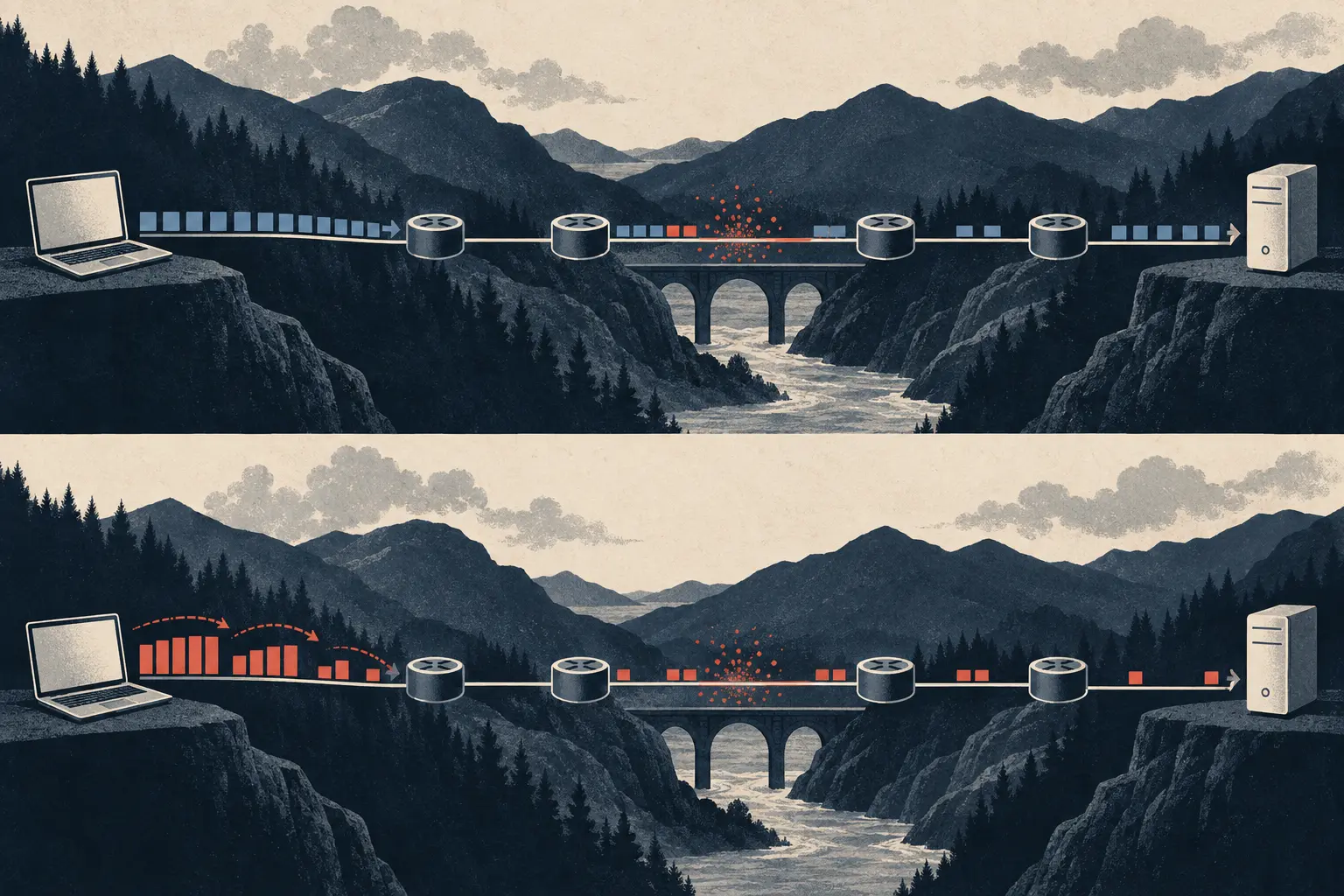
The sender saw an acknowledgement and accelerated. Somewhere beyond that reassuring signal, the bytes were still sitting in an intermediary, waiting to cross the link that had caused the problem in the first place. RFC 3135 made that gap—the distance between faster feedback and…

IETF
The Envelope Was Signed. The Detached Ciphertext Was Outside the Signature.
The verifier returned green, the COSE entity was intact and the recipient decrypted a plausible message. None of those facts, alone, proves that the separately stored ciphertext was inside the outer signature. Detached content turns a neat security diagram into a custody problem…

History
The Nested Upload Had No Known Senders: RFC 2388
An early file-upload proposal put several selected files inside one nested MIME part. RFC 2388 carried that shape into a standard; seventeen years later, its successor said no sending implementations were known and rewrote the rule around separate parts with a shared field name.

History
The Delivery Ratio Looked Good. The Application Performed Badly: RFC 3133
One small acknowledgement disappeared. Almost every other frame arrived. The percentage stayed handsome while the sender repeated a much larger body of work and the user waited. In 2001, RFC 3133 put that contradiction inside the definition of the metric itself.

Global Datacenter
Who actually runs inside Datamatix's 212.236.10.0/24: the service layer the registry cannot answer
Who actually runs inside Datamatix's 212.236.10.0/24: the service layer the registry cannot answer intelligence summary explains the development, the public evidence available to readers, the organisations involved, the regional context, market exposure, and the infrastructure…
History
The First Packet Had to Wake the Host Before It Could Reach It: RFC 3132
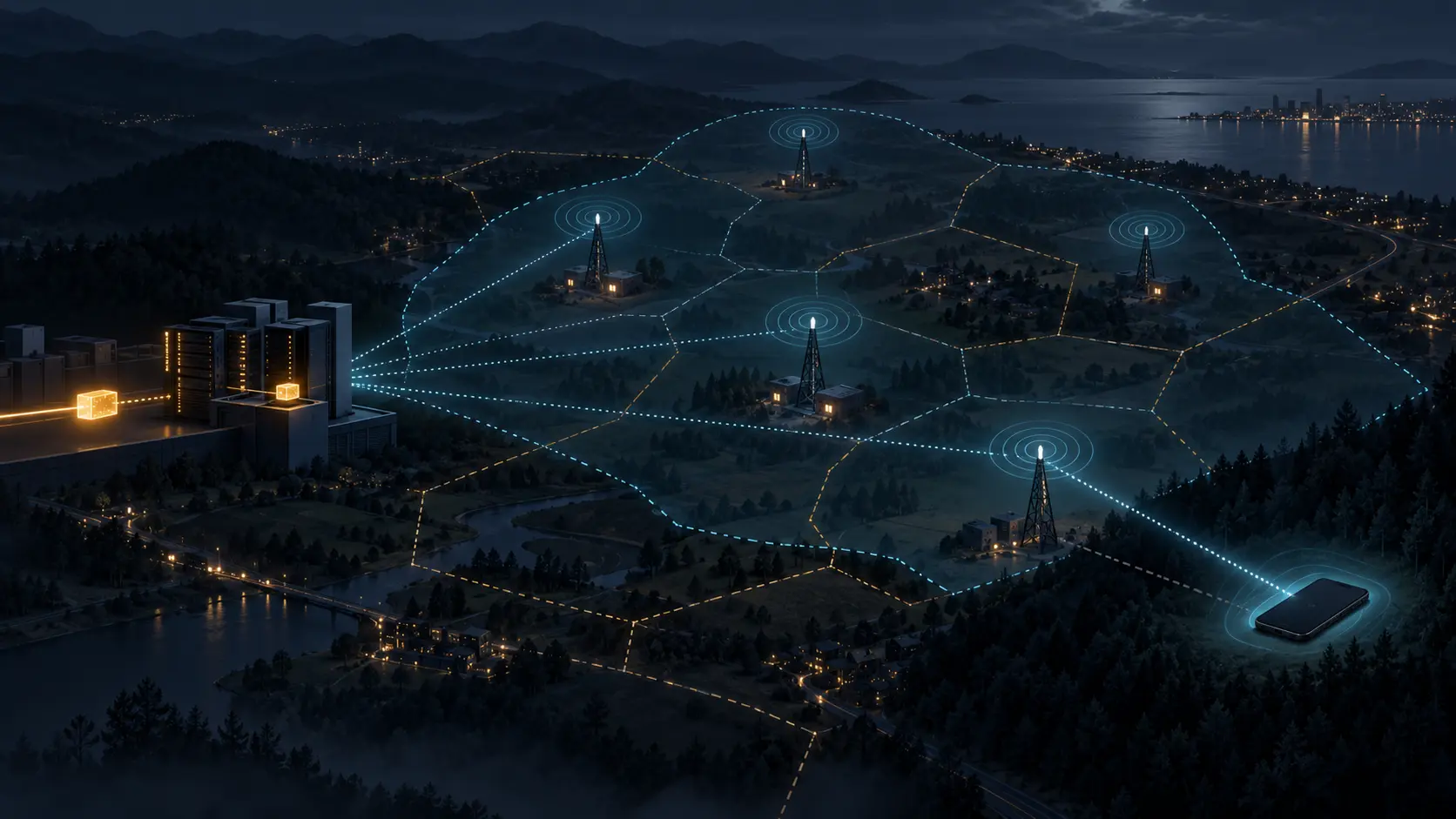
The mobile saved power by ceasing to listen. From that moment, the network could no longer treat an arriving packet as mere traffic. The packet first became a request to remember, search and wake.

IETF
The Redirect Succeeded. The Credential Had Already Crossed in Plaintext.
The final URL was HTTPS, the API returned useful data and every dashboard showed green. Yet the credential had already travelled in the first cleartext request. A redirect can repair where the client goes next; it cannot recall bytes the network has already seen.

History
The Variant List Was Not the Representation: RFC 2295
One HTTP address could name several versions of a resource, but naming the candidates did not deliver any of them. RFC 2295 made that distinction part of the protocol: a list could expose the alternatives, a server could sometimes return a chosen representation, and a client…
History
The Router Stayed Reachable After It Stopped Carrying Transit: RFC 3137
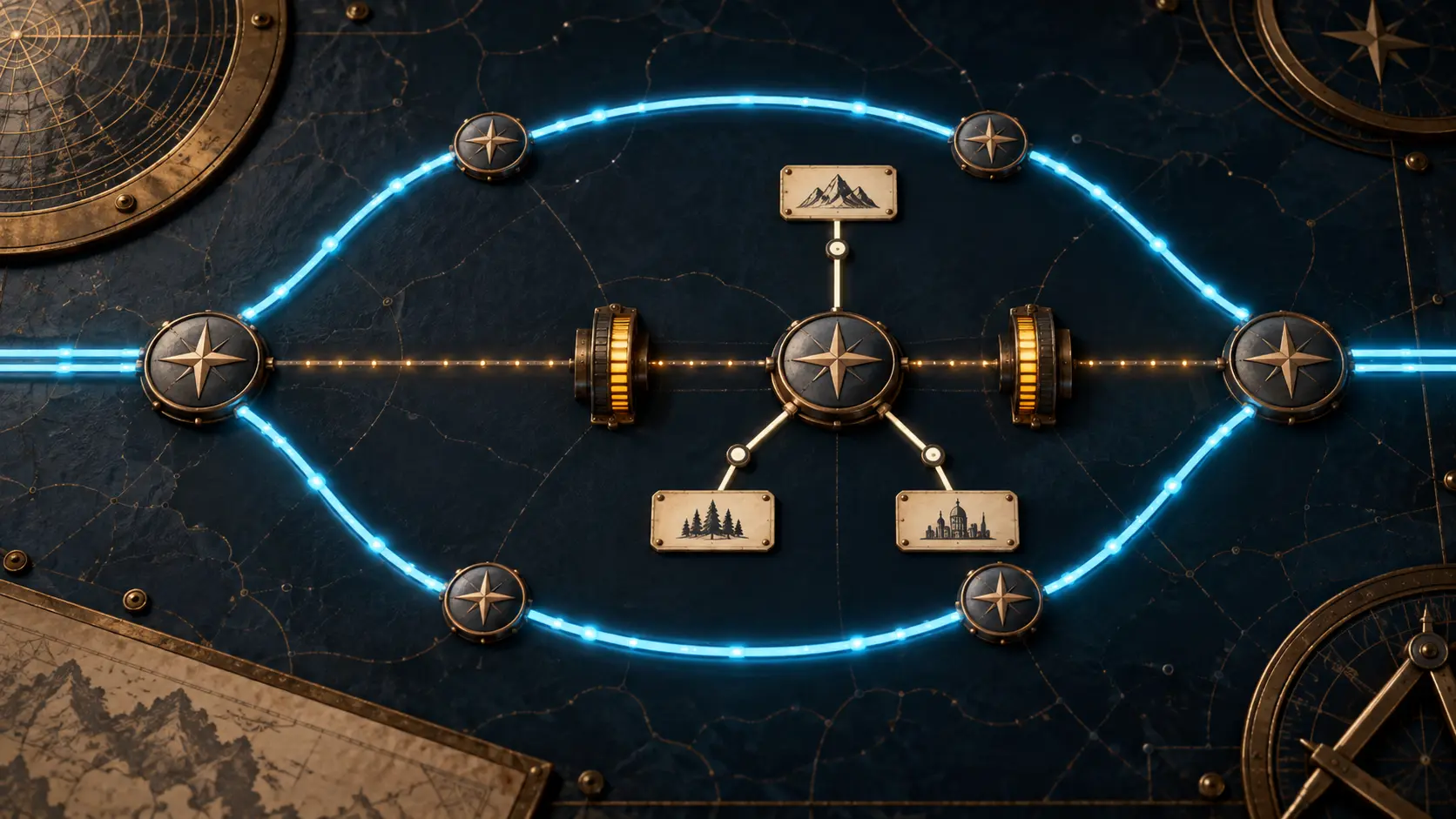
A router did not have to disappear merely because the network should stop crossing it. RFC 3137 turned that distinction into an OSPF advertisement: remain a destination, become an unattractive path.

IETF
The Chain Validated Against the Anchor It Carried. The Relying Party Had Not Trusted It.
The did:x509 resolver can finish every check it was asked to perform and still leave the decisive question untouched. A supplied certificate chain may be internally valid, its CA fingerprint exact and its leaf predicates true, while the relying party has not yet accepted the…