
Content Type
Explainer
Within the Content Type facet, Explainer intelligence gathers BTW.MEDIA articles that share the same editorial format, helping readers compare briefings, profiles, risk notes, market analysis, and event coverage without mixing different kinds of evidence. The page explains how this content type frames internet infrastructure events, company movements, governance decisions, operational signals, and public evidence across the site. Readers can compare which actors or infrastructure systems appear most often, how source quality changes interpretation, and whether the material is a durable profile, a time-sensitive event, a strategic market signal, or a governance development. The result is a useful search page for operators, investors, customers, analysts, and policy stakeholders who need to understand the consequence, timing, and evidence behind similar article formats.

Europe and Middle East National Telecom Trends
Private 5G equipment is not a local network until the spectrum licence matches the site
Radios, SIMs and a coverage drawing describe a proposed private network. In the United Kingdom, site acceptance still depends on the final spectrum authorisation matching what was actually installed.

Global Institutional Trends
Bath & Body Works' 596 Partner Stores Do Not Define Its US$108m Growth Line
Bath & Body Works reported its fastest growth in a line called International and Other. The name sounds geographic and the company also disclosed 596 partner-operated stores. Neither description supplies the line's denominator. It combines franchise royalties with international…

North America Institutional Trends
Green Dot's US$42.3bn B2B Gross Dollar Volume Rose 22% as Purchase Volume Rose 1%
Green Dot moved US$42.253 billion onto B2B account programmes in its second quarter, US$7.633 billion more than a year earlier. Reported B2B purchase volume increased by only US$25 million. That contrast is not a spending-conversion ratio: the two measures have different…

Europe and Middle East Regional ISP Trends
Two fibre circuits are not diverse until their routes are proven
Two access services can arrive on separate invoices and still disappear in the same civil-works incident. Resilience begins when the shared failure domains are made visible, not when procurement adds a second supplier name.

Global Institutional Trends
Deere's US$7.7bn Sales Receivables Rose as Its US$56.6bn Finance Book Fell
Deere finished its third quarter with two large credit balances moving in opposite directions. Trade accounts and notes receivable rose to US$7.723 billion, while financing receivables and equipment on operating leases fell to US$56.576 billion. The contrast is not a verdict on…

Europe and Middle East Regional ISP Trends
A tenant's fibre request is not an operator's right to enter the building
The installer has an order number, a coil of fibre and a resident waiting upstairs. The riser door is locked. The work pack says the customer has requested service, but it contains no signed access agreement, no completed notice chain and no court order. A simple phrase begins to…

Europe and Middle East Regional ISP Trends
Trifle's pioneer story needs a current operator-control map
Trifle's pioneer story needs a current operator-control map intelligence summary explains the development, the public evidence available to readers, the organisations involved, the regional context, market exposure, and the infrastructure consequences that may follow. The Europe…

Europe and Middle East Regional ISP Trends
VOLZ’s 120-hour node-power claim needs a failure-domain ledger
VOLZ has put an unusually concrete number beside network continuity: batteries at 14 large Kyiv communications nodes that the operator says can sustain power for 120 hours, backed by generators for emergencies. The number is valuable because it identifies a real control. It is…

Europe and Middle East Regional ISP
Monitoring’s FTTH menu exposes where passive access ends and power responsibility begins
Scientific-Production Center “Monitoring” does something unusually useful for a regional internet provider: its public website distinguishes GPON, point-to-point fibre and fibre-to-the-building instead of compressing them into one “fibre” label. That distinction creates a better…

Europe and Middle East Regional ISP Trends
BSH's single-operator model makes dependency evidence part of the SLA
BSH offers distributed organisations a commercially simple proposition: aggregate communications services into one contract and give the customer one point of responsibility. That can reduce the cost of coordinating a fault. It does not, by itself, show whether the underlying…

Europe and Middle East Regional ISP Trends
A mapped pole is not a broadband route until access is cleared
A fibre planner can draw a convincing line through a village in minutes. The line follows existing poles, avoids an expensive trench and turns a difficult build into a short spreadsheet. Then a field team reaches the first pole and asks the question the map did not answer: can…

Global National Telecom Trends
The Default Slice Can Make a 5G SLA Look Healthy
An application can remain reachable after the network path promised in its 5G service agreement has disappeared. The uptime chart stays green; the harder question is whether the device, session and packets still occupied the contracted slice.
Europe and Middle East Datacenter Trends
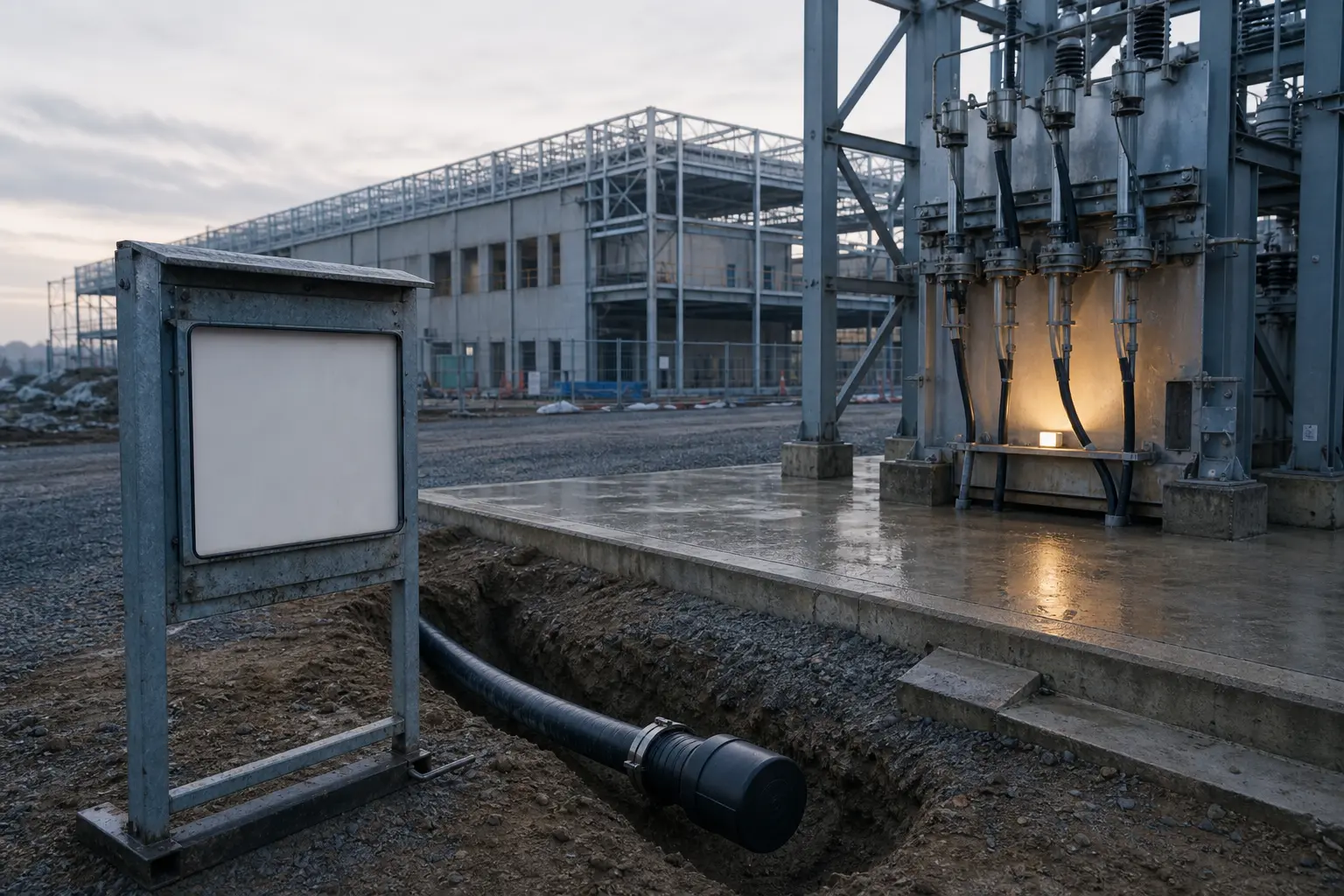
A data-centre connection has no date at Gate 1
A site can have land, drawings and an impressive megawatt number while still lacking the one fact that makes its power plan schedulable: a confirmed grid-connection date.

Europe and Middle East Regional ISP Trends
Local broadband support has two clocks when Openreach owns the repair
A customer experiences one continuous outage. The organisations restoring it may be working to two different clocks, and the gap between them is where a promise of “local support” is either proved or exposed.

Europe and Middle East Regional ISP Trends
A digital landline is resilient only for as long as its backup path
The power fails at eight in the evening. The Digital Voice account is active, the number has migrated and a battery unit sits beside the router. An hour later the battery is empty. Or the router remains lit while the fibre modem does not. Or the cordless base and the telecare…

Global Cloud Services Trends
A Code-Signing Certificate Has Two End Dates
A replacement certificate changes tomorrow's build, but a valid timestamp can preserve yesterday's binary beyond the signer's expiry. The real cutover is therefore an inventory of artifacts, timestamp tokens, revocation time and verifier results—not a closed renewal ticket.

Europe and Middle East Regional ISP Trends
A broadband switch is complete only when both bills agree
The new router is online. Video calls work. The old provider’s next bill still treats the previous line as active after the switch date.
North America Regional ISP Trends
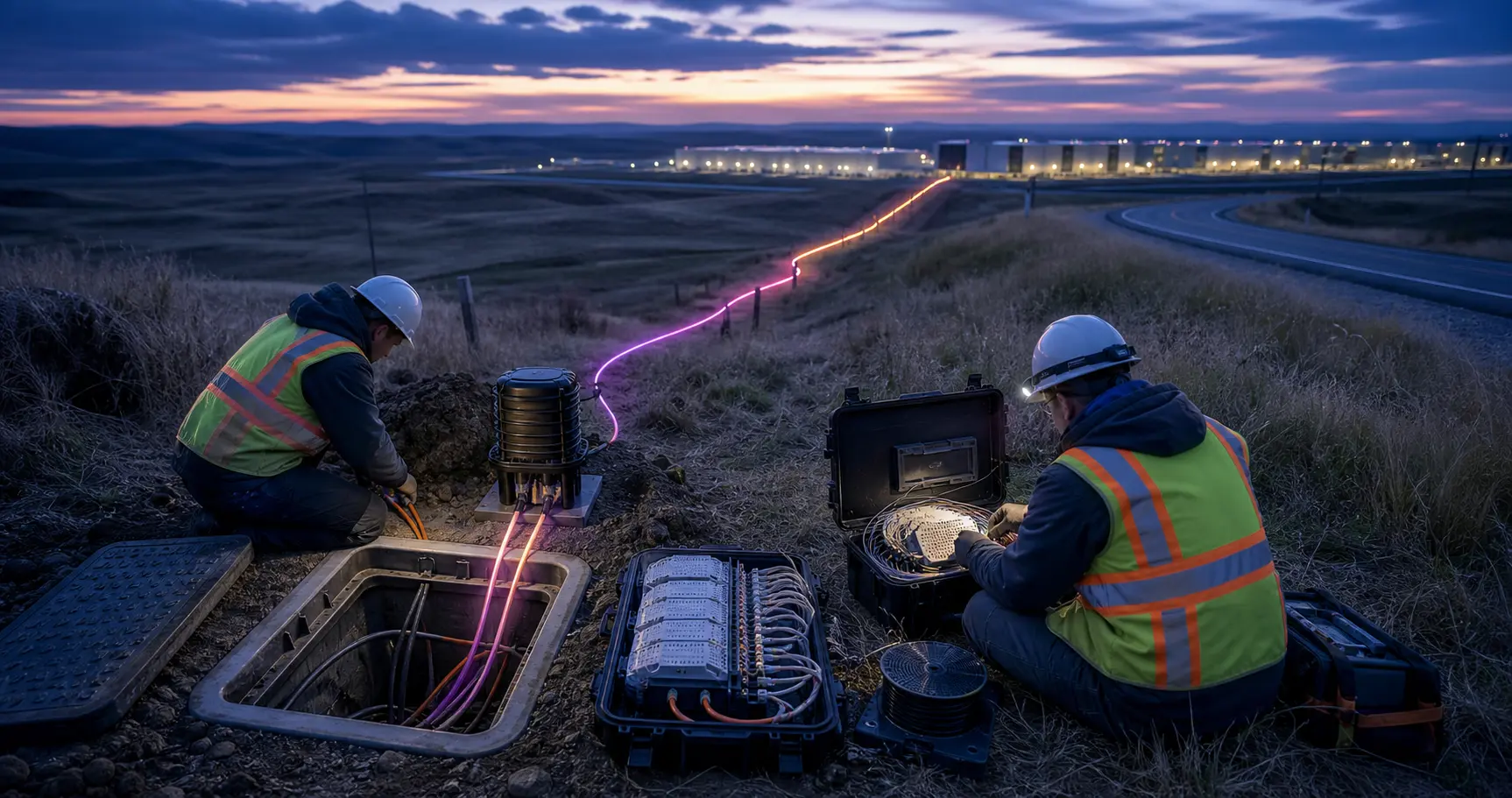
The Dollar Before the Splice: Lumen’s Prepaid Fibre Test
At Lumen Technologies, customer cash can arrive while a long-haul network is still an unfinished physical system: before the final splice is made, before optics are commissioned across the route, and before service has satisfied the conditions needed for customer delivery and…

Global Cloud Services Trends
A Certificate Transparency Receipt Is Not Browser Acceptance Until the Log Set Is Reconciled
A certificate authority can return a certificate carrying several valid log receipts and still leave an operator with a failed browser handshake. Certificate Transparency becomes operational evidence only when the receipt is reconciled with the policy and log set used by the…

Global Cloud Services Trends
From 200 Days to 47, TLS Renewal Becomes Runtime State
Public TLS certificates are getting shorter. The consequential change is not a busier expiry calendar; it is that authority, issuance, deployment and external verification must now behave like one continuously observed production system.