
Content Type
Briefing
Within the Content Type facet, Briefing intelligence gathers BTW.MEDIA articles that share the same editorial format, helping readers compare briefings, profiles, risk notes, market analysis, and event coverage without mixing different kinds of evidence. The page explains how this content type frames internet infrastructure events, company movements, governance decisions, operational signals, and public evidence across the site. Readers can compare which actors or infrastructure systems appear most often, how source quality changes interpretation, and whether the material is a durable profile, a time-sensitive event, a strategic market signal, or a governance development. The result is a useful search page for operators, investors, customers, analysts, and policy stakeholders who need to understand the consequence, timing, and evidence behind similar article formats.

Europe and Middle East National Telecom Trends
Ofcom's empty columns have an explanation. The falling line count needs another.
Britain's fixed-voice market is shrinking in the published figures. To understand whose business is changing, readers first have to separate a decision about disclosure from a change in the network.

Number Resource Society
Why ICANN's occupied Seat 9 is taking nominations again
Oscar Robles has been appointed. The next selection is also under way. The apparent contradiction disappears when the term dates come into view.

Asia-Pacific National Telecom Trends
Australia's telco safety test starts with the callback
A support number on a website is only the beginning. The harder question is whether the account, the billing system and the next employee respect the customer's safe way to be contacted.
Latin America and Caribbean Regional ISP
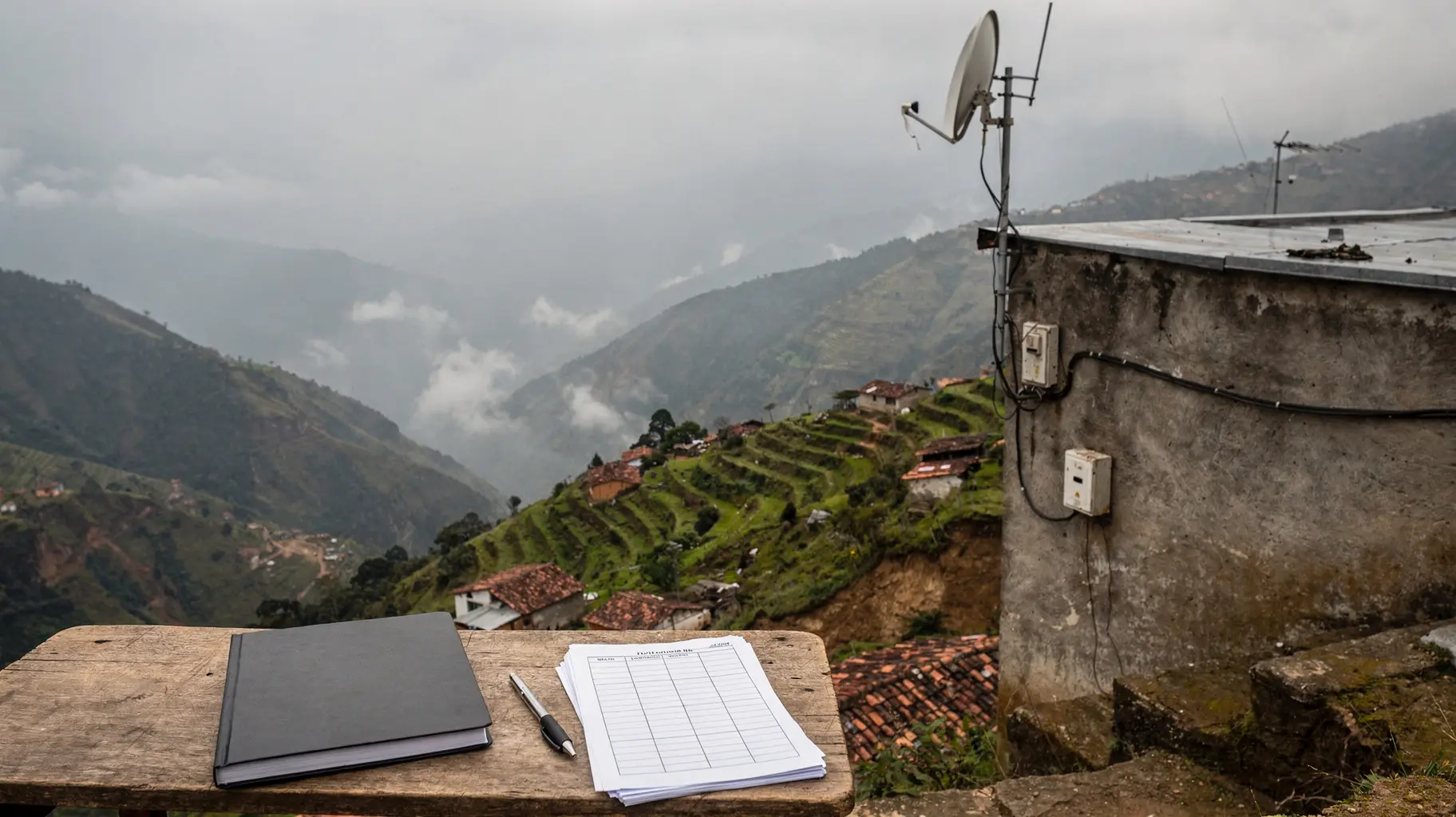
Vahos was in the register. The name search missed it.
A Colombian community operator appeared to leave no official trace. Its tax number opens a different story—and a more useful question about who keeps a small network connected.

North America National Telecom Trends
Canada's mobile-network test starts with an old tower
A new antenna on a shared mast counts as expansion in the CRTC's latest inquiry. The harder question is whether temporary access to a rival's network is helping regional carriers build something that lasts.

CASE FILE
Ofsted opens the file, but keeps the last word
A school will be able to ask an outsider to examine the evidence behind a disputed inspection. By then, its report card will already be public. That sequence gives Ofsted's new complaints pilot both its promise and its limits.

Africa Institutional Trends
ReuNION's cable reaches the shore. The buyer still needs a way out
A new submarine route could widen Réunion's choices. The harder commercial question begins where the ocean ends: which connections, premises and repair commitments come with the capacity?

Europe and Middle East Institutional Trends
BEREC and Ofcom have someone to call. A common rulebook is another matter
The regulators' memorandum already names its contacts and divides the costs. The harder work is turning an exchange of information into something useful without pretending that Britain and the EU now share a decision-maker.

Europe and Middle East Institutional Trends
Ofcom's eight-hour rural outage rule has more than one clock
A proposed reporting threshold would make a single rural mobile site count. Working out when to notify the regulator still requires a separate question: what else has the outage done?
Global Datacenter
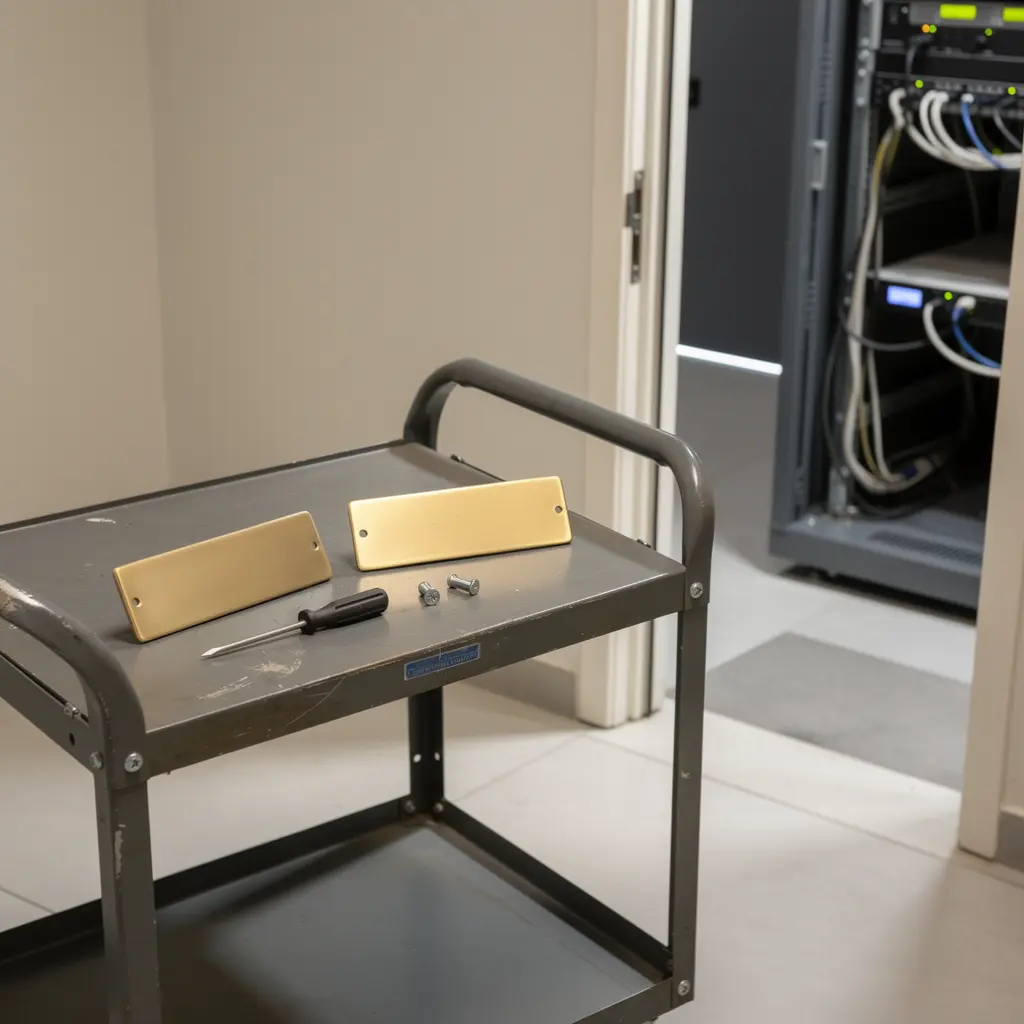
Data Centers Canada: the business outlived the nameplate
An old web address is a poor place to end a data-centre investigation. Acquisition records lead from Data Centers Canada to TERAGO and then to Hut 8's Canadian colocation business.
Europe and Middle East Regional ISP
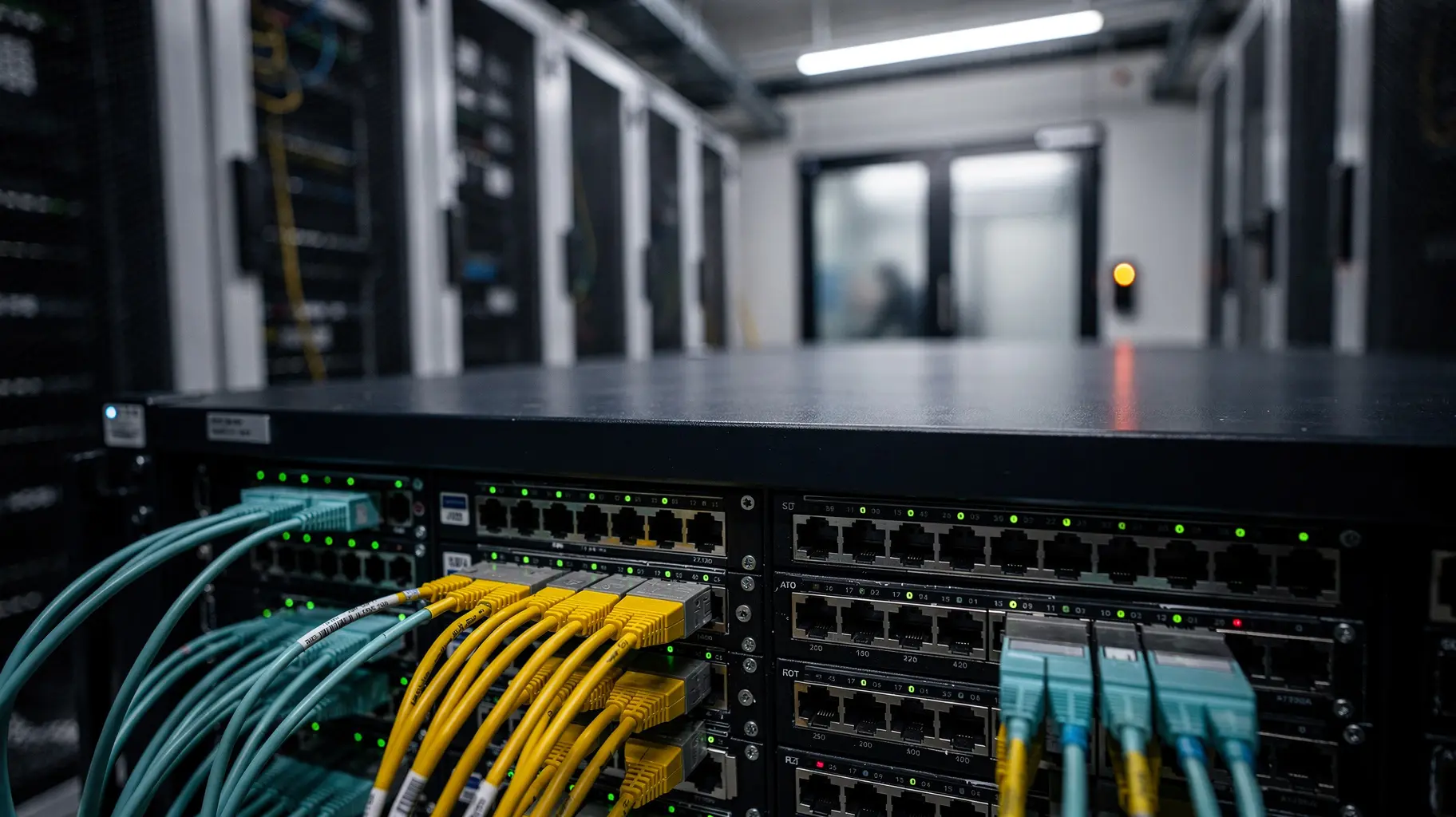
SwissIX's 400G port comes with a second line on the bill
The exchange's public prices and routing rules reveal what a faster connection buys—and which decisions still belong to the network connecting to it.

IETF
IETF's harder deadline: finding people who will say yes
NomCom moved its acceptance date to 23 October. The more consequential step is the commitment a nominee makes before a selection is possible.

North America National Telecom
When Rogers went down, the repair team lost its way in
The 2022 outage exposed a trap: the connections needed to fix the network depended on the network itself. The public record now shows what Rogers changed—and what still needs testing.

Europe and Middle East Institutional Trends
Europe's cable-repair clock starts when the ship arrives
A €40 million EU call would put repair equipment on existing ships within three days of arrival. Getting a suitable ship to the quay—and keeping that capacity ready for years—is the harder promise to examine.

Leaders
Denis F. Villorente: the work between a satellite image and a useful service
His name still appears against university networks in internet records. His current job at PhilSA points to a larger continuity: getting public institutions to turn technology into something they can use together.

Europe and Middle East Institutional Trends
Microsoft's customers do not all face the same exit
Most accounts in the CMA's software study bought within one product area. Most revenue came from customers buying across all five. That gap matters more than a neat division into two camps.

Global Institutional
Heros: one owner, several companies, and the last metres of cable
Behind the Heros television and internet brand in Bulgaria, company records reveal common ownership and separate service businesses. The detail that brings them to life is in the installation terms.

Asia-Pacific National Telecom Trends
AusAlert's 94% result counted towers, not phones
Australia's national warning test cleared its broadcast benchmark. A letter written five weeks earlier shows why emergency officials wanted to know what happened at the other end.

Europe and Middle East National Telecom Trends
Spain's 400 numbers make the sales pitch visible before you answer
The new commercial-call prefix cannot be called back. A dispute over fresh numbers shows what happens when a sales call becomes easier to recognise—and easier to ignore.
Global Regional ISP
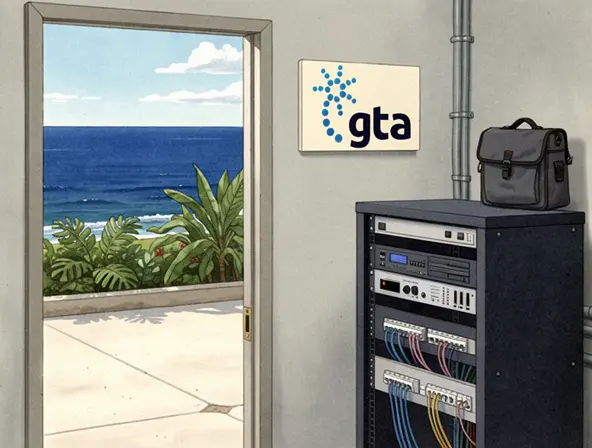
GTA's business does not stop at the beach
A small cable stake and a large investment announcement tell only part of the story of Guam's GTA. Its service catalogue shows what happens between an ocean crossing and a connection a customer can actually use.