
Content Type
Briefing
Within the Content Type facet, Briefing intelligence gathers BTW.MEDIA articles that share the same editorial format, helping readers compare briefings, profiles, risk notes, market analysis, and event coverage without mixing different kinds of evidence. The page explains how this content type frames internet infrastructure events, company movements, governance decisions, operational signals, and public evidence across the site. Readers can compare which actors or infrastructure systems appear most often, how source quality changes interpretation, and whether the material is a durable profile, a time-sensitive event, a strategic market signal, or a governance development. The result is a useful search page for operators, investors, customers, analysts, and policy stakeholders who need to understand the consequence, timing, and evidence behind similar article formats.

North America National Telecom Trends
Canada Mandated the Fibre Door. Bell May Still Hold the Key.
The regulator wants a wiring diagram: can a rival use Bell’s wholesale fibre handoff without first buying another Bell service?

Asia-Pacific Datacenter Trends
The Council Wants a Data-Centre Freeze. Victoria Still Has the Stamp
Whittlesea has called time on new approvals. The South Morang application on the state’s desk arrived before Victoria’s new data-centre expectations apply.

Europe and Middle East Institutional Trends
Europe's AI Workers Need a Short Course. The Catalogue Offers a Master's
AI is already on the job. A new JRC study finds the visible training offer leans toward degrees while employed workers need flexible courses.

CASE FILE
The 2030 Census Picked Noise. Commerce Took It Off the Menu.
The Census Bureau had compared ten ways to protect future population statistics, heard user feedback and chosen a method for block-level counts. A year later, Commerce removed that method from the permitted menu. The decision chain now matters as much as the algorithm.

Story
ARIN wants a five-year IPv6 plan. The next block still waits on 75%.
ARIN’s draft swaps several utilization tests for a network plan, then makes that same plan the clock on an LIR’s next request. The percentage sounds familiar. Its denominator is new—and the draft leaves one piece of the arithmetic on the table.

Europe and Middle East Institutional Trends
170 People in the Room. The AI Still Needs an Owner
The Council of Europe adopted two AI risk tools: one to hear affected people, one to keep responsibility attached to the project.

Europe and Middle East National Telecom Trends
The Buoy Can Move. Its Identity Cannot
Ofcom will give mobile navigation markers unique radio identities. The hard part is getting one into the water fast enough, with someone answerable for it.

Story
AFRINIC built a policy escape hatch. It opens only when the Board is gone.
The draft’s summary says a petition can rescue policy when the Board cannot act or refuses to explain itself. The clause that would make the rescue work sets a narrower trigger: no duly constituted and operative Board, followed by 15 resource-member contacts from at least three…

Europe and Middle East National Telecom Trends
Ofcom Lets the Radio Repair Kit Roam. Distress Channels Keep the Doorbell
Temporary test sites will need a six-month log instead of advance notice. The dangerous frequencies still demand a call before testing.

CASE FILE
Whitehall Put AI in the Rulebook. The Scorecard Still Marks Its Own Homework.
GovS 005 now threads AI through the people who approve, fund, operate and retire government technology. The companion scorecard is still an internal self-assessment, and its change log says the latest update changed an email address.

Europe and Middle East National Telecom Trends
Ofcom Retired the DGPS Licence. The Frequency Still Has a Guard
Britain stopped transmitting DGPS in 2022. Ships may still hear continental signals, so Ofcom is closing the licence while protecting the band.

Story
RIPE’s Abuse Clock Has Three Timers. The Exit Test Changes Halfway Through.
Fourteen days can start the process, seven business days can end the grace period, and RIPE NCC has one working day to lift restrictions. The schedule is crisp. The proposal’s definition of a successful repair changes between the notice and the exit.

ICANN
GNSO Changed Chairs. The Policy Pile Stayed Put
The outgoing Council faced a packed policy agenda before the new one elected Samantha Demetriou. One deputy choice was still open in the result letter.

Europe and Middle East National Telecom Trends
Ofcom Found Two Spare Channels at the Port. One Licensee Is Already There
The regulator is opening two maritime voice frequencies to ease local congestion. First it has to move the existing holder without creating a new queue on the duplex side.

CASE FILE
Canada Froze Its New Outage Rule Four Days Before Launch. The API Is Still a Questionnaire
Seven big carriers challenged the reporting threshold. The regulator kept interim notices flowing and is now asking how an automated submission channel should work.

ICANN
94 of 97 Votes Backed ccPDP4. ICANN Cut Its Risk Panel
A 2024 member vote backed ccPDP4 by 94 to 3. Two years later, ICANN’s Board approved most of the policy and removed the one route that let a proposed internationalized country-code domain answer an uppercase-only similarity finding with a risk plan. The small exception carries…
CASE FILE
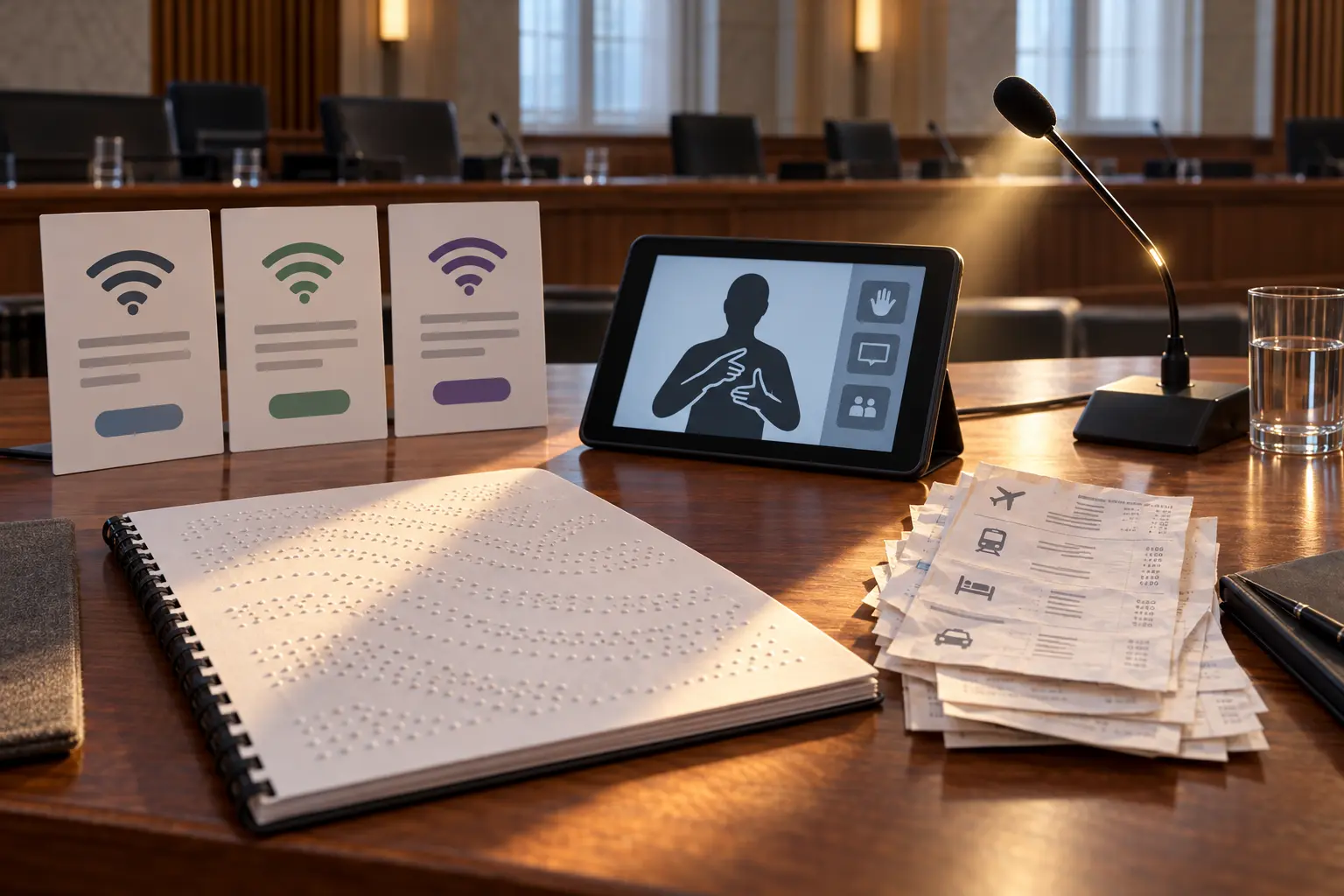
Canada Counted 176 Hours of Deaf Access Work. Then It Counted the Hotel Nights
Deaf Wireless brought survey evidence to a hearing on shopping for home Internet. The CRTC accepted the work, the travel and the bill — up to the point where a fourth hotel night belonged to another meeting.

CASE FILE
A Seat for Consumers Cost $14,406. Canada's Telecom Four Got the Bill
The CRTC awarded a consumer group CAD 14,406.08 for its work in a telecom complaint-fee hearing and ordered four participating carriers to cover the cost. The group qualified without a demographic membership card.

CASE FILE
Britain Has £130m for Cyber AI. Who Gets the Keys?
The Treasury has put money behind a national cyber shield and a vulnerability centre. The awkward part of automated defence starts when the software wants to change a live network.

CASE FILE
The Lords Want a Digital Sovereignty Dashboard. Parliament Gets the View-Only Link.
A Lords amendment would put Britain’s digital dependencies on a public dashboard. Its text orders publication; the parliamentary veto described in the note is missing from the operative clause.