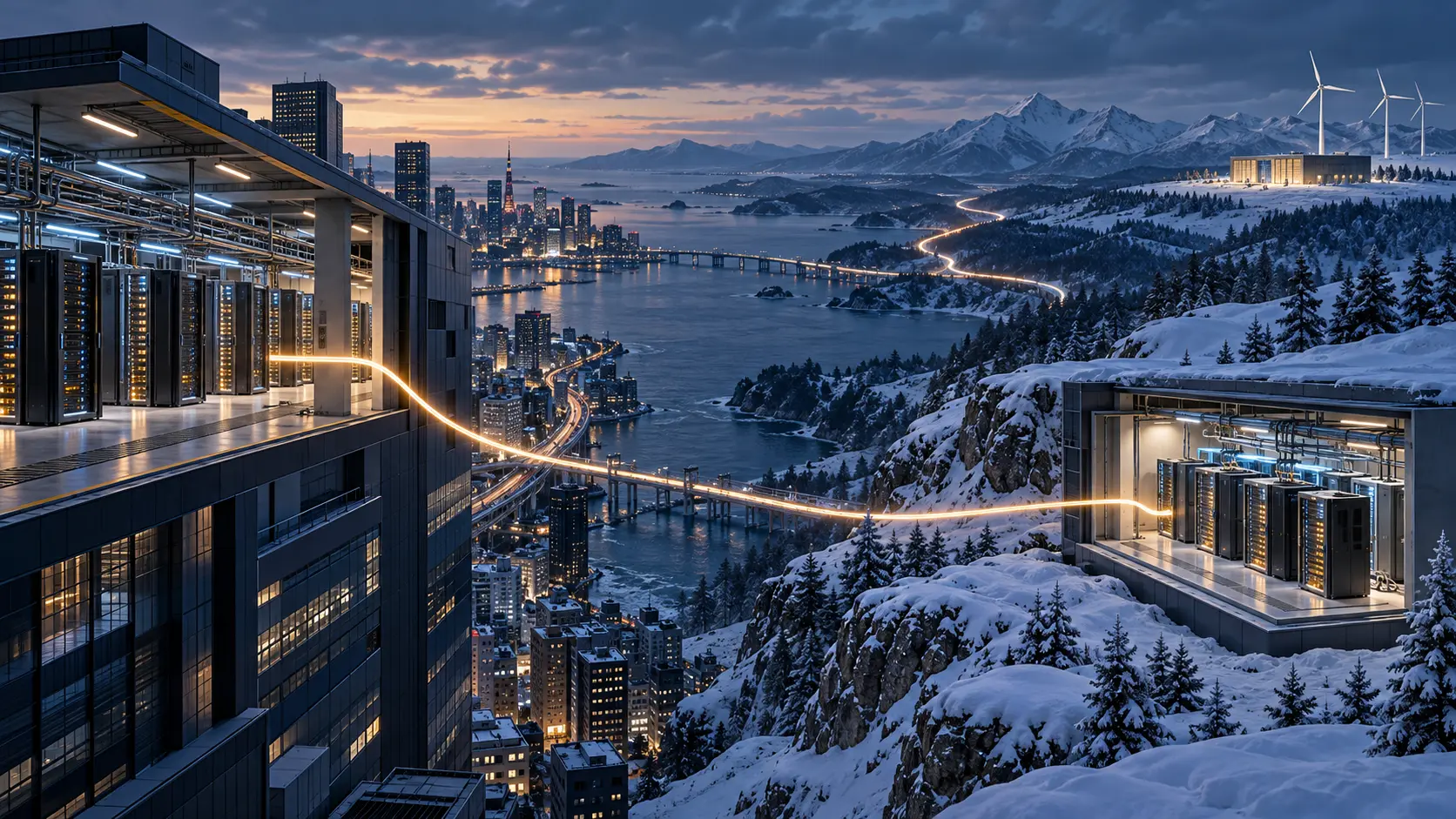
- AIMS Data Centre is scaling capacity in Thailand over the next five years, pushing rack density from 2-5 kilowatts toward 120 kilowatts to absorb AI workloads.
- The company is chasing renewable energy partnerships in Thailand, but says government support and market reform are the missing pieces.
- Security stays in-house and hands-off client traffic, as AIMS positions itself as a long-haul infrastructure operator rather than a short-term capacity landlord.
A data centre is a building that turns electricity into heat and, if it is run well, into money. AIMS Data Centre has spent nearly 30 years learning that arithmetic in Malaysia. Now it wants to run it in Thailand — where the racks are getting hotter, the AI is getting hungrier, and the grid is the one component nobody has figured out how to virtualise.
In an exclusive interview with Kok Kien Chong, presales support & project management specialist at AIMS Data Centre Thailand, BTW Media went inside the company's five-year plan: capacity, cooling, cybersecurity, renewable power, and the uncomfortable physics of the AI boom.
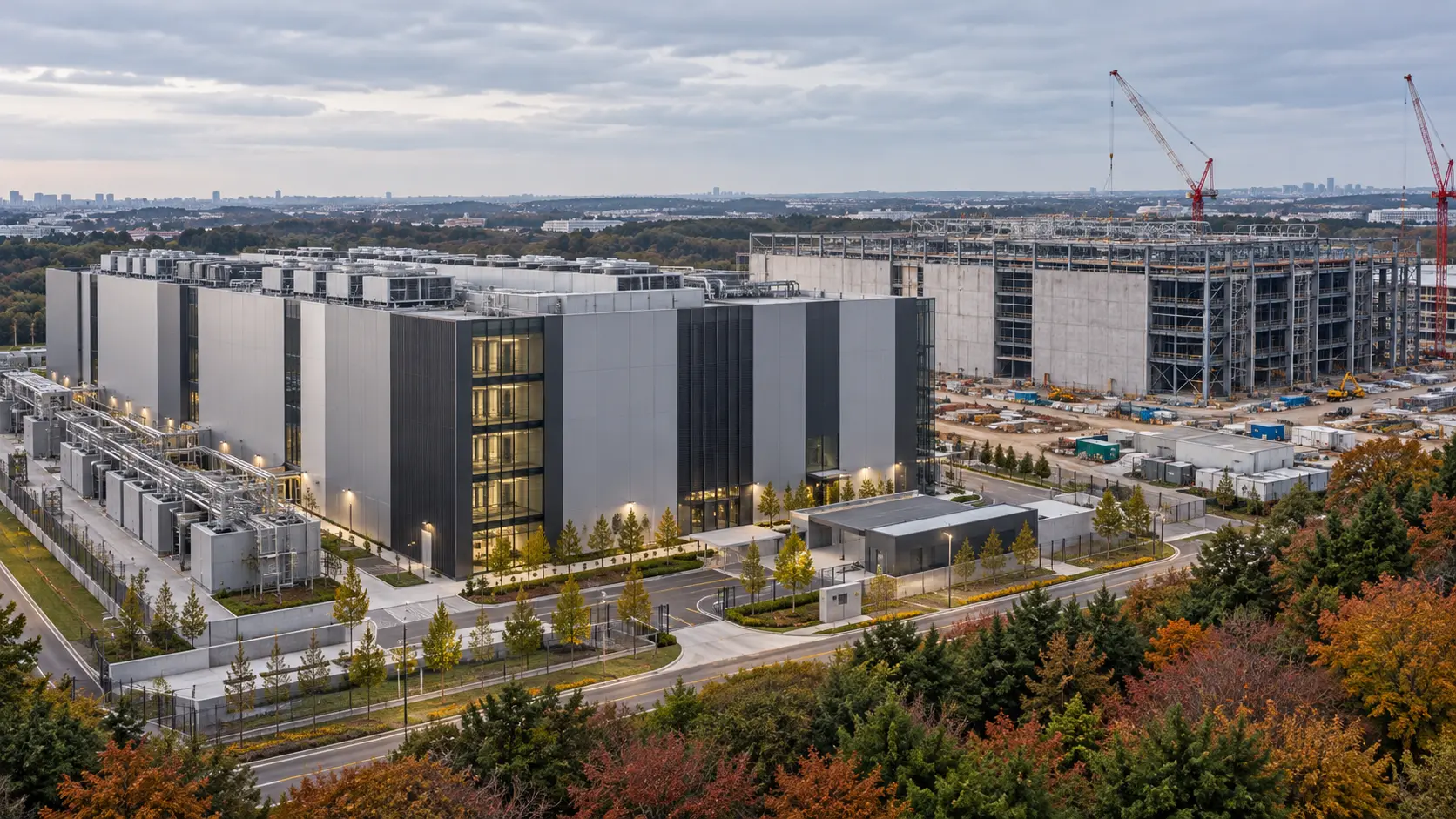
"We foresee tremendous expansion and improvement in the data centre business. Thailand, with its vast potential, will see AIMS increasing its data centre capacity, both vertically and potentially with standalone hyperscalers," Chong said.
The rack is becoming a substation: from 5 kilowatts to 120 kilowatts
For two decades, a data hall was a fairly forgiving place. A rack drew 2 to 5 kilowatts, air moved the heat out, and the building's electrical room was a background hum. That era is over. Chong puts the current ceiling at 120 kilowatts per rack — a number that turns a cabinet into something closer to a small substation and makes cooling a first-order engineering problem rather than a facilities afterthought.
"While all data centres aim to provide high accommodation of power and cooling, AIMS strives to be the first to support higher capacities per rack," he explained. The competitive claim is not about square metres. It is about how many amperes you can push into a footprint and still keep the silicon inside its thermal envelope.
We foresee tremendous expansion and improvement in the data centre business. Thailand, with its vast potential, will see AIMS increasing its data centre capacity, both vertically and potentially with standalone hyperscalers.
Kok Kien Chong, presales support & project management specialist, AIMS Data Centre Thailand
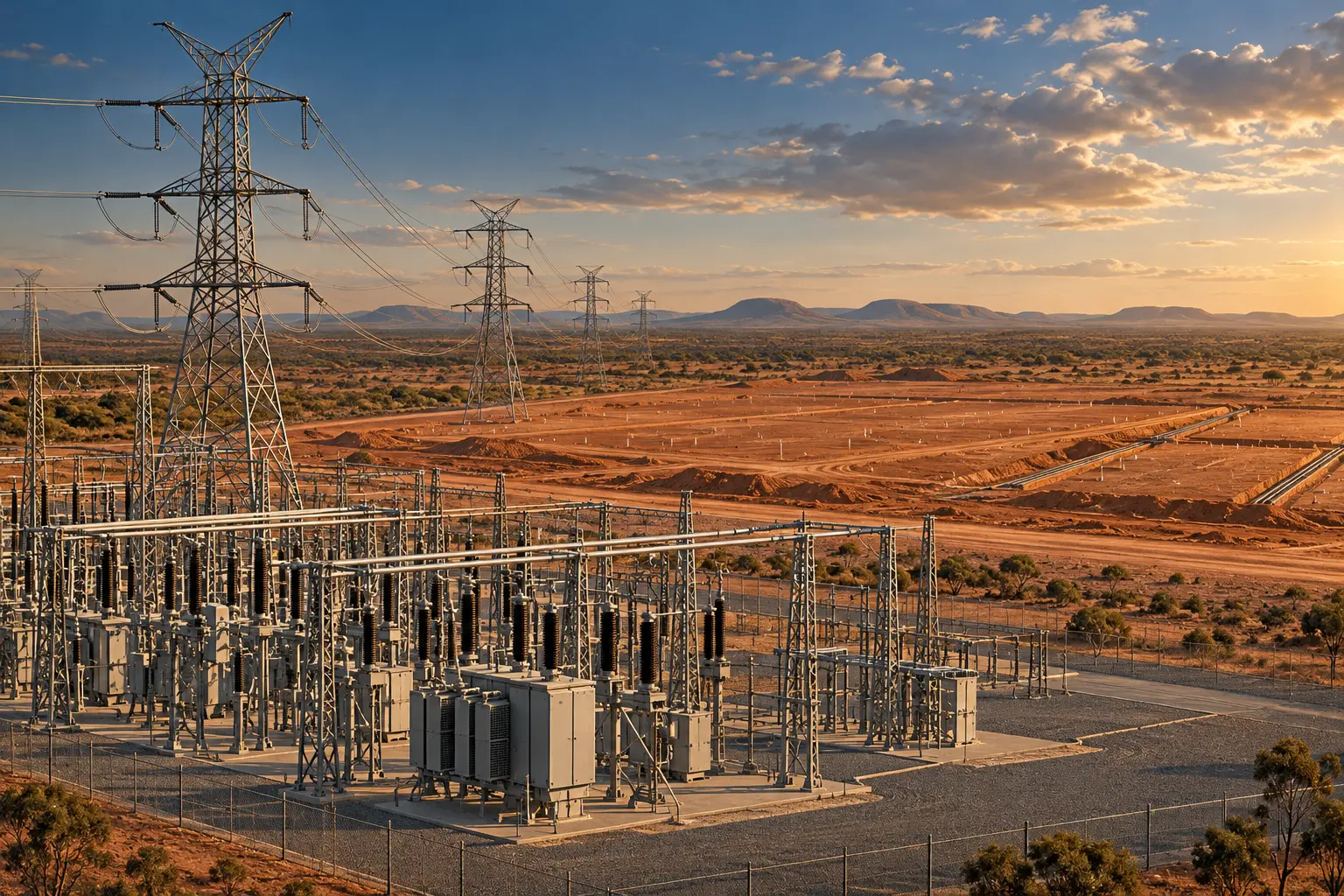
Thailand's renewable energy market is the bottleneck, not the slogan
Sustainability in the data centre business is usually announced in press releases and measured in megawatts. AIMS is framing it as a supply-chain problem: the company wants more renewable energy in Thailand, but renewable energy is not something a colocation provider can simply order from a catalogue.
"In Thailand, our focus is on increasing the use of renewable energy, although this requires substantial government support and market adjustments," Chong said. He pointed to the model AIMS would like to replicate from Malaysia — the YTL Power and Nvidia collaboration built around green energy — as the shape of the deal the Thai market still needs to produce.
That is the honest version of the green data centre story. The servers do not care where the electrons came from; the balance sheet and the power purchase agreement do.
Security: the unglamorous discipline that keeps the doors shut
Cybersecurity in a colocation facility is a strange hybrid — part mantra, part mantra-trap. AIMS' position is deliberately conservative: strict control over who walks in, and a strict refusal to interfere with what clients send out.
"Our dedicated teams ensure rigorous security measures, safeguarding data integrity and privacy," Chong affirmed, noting that the company maintains tight physical and cyber access control while leaving client connectivity untouched. In practice, that means the operator guards the building and the badge readers, and lets the network engineers own the routing. It is a division of labour that sounds dull and is precisely why it works.
Nvidia's H200 and the AI capacity treadmill
The AI industry's pace, with technologies like Nvidia's H200, presents a constant need for us to scale our capacities quickly and efficiently.
Kok Kien Chong, presales support & project management specialist, AIMS Data Centre Thailand
Every accelerator generation resets the floor plan. A hall designed for one thermal density becomes a compromise for the next, and the procurement cycle for transformers and chillers is measured in years while the GPU roadmap is measured in quarters. Chong describes the gap as both the industry's biggest headache and its most durable opportunity: the faster AI moves, the more indispensable the concrete, copper and cooling underneath it become.
About AIMS Data Centre (Thailand)
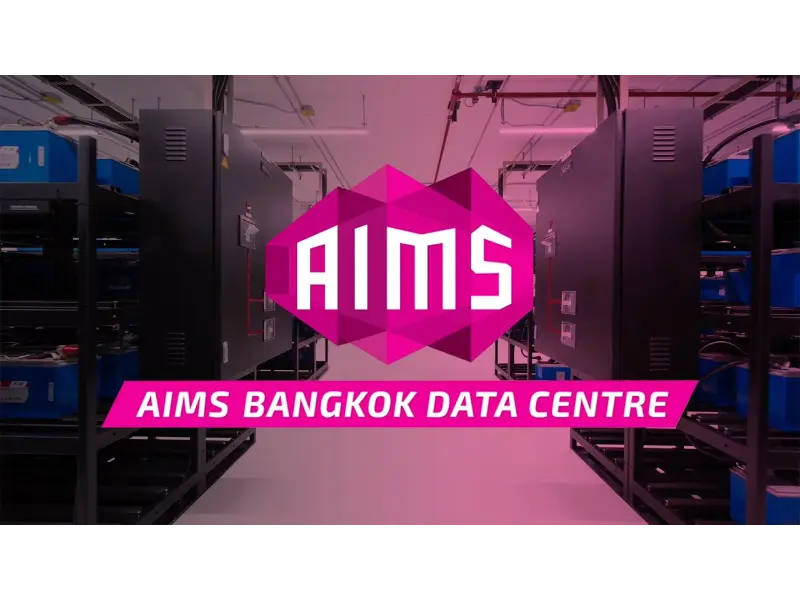
The AIMS Data Centre Thailand is a pivotal addition to Southeast Asia's digital transformation landscape, providing robust and scalable IT infrastructure solutions for industries like finance, healthcare, telecommunications, and e-commerce. Strategically located in Bangkok, this facility leverages Thailand's advanced telecommunications infrastructure and digital economy to offer low-latency connectivity. Equipped with advanced server technology, redundant power systems, advanced cooling, and robust security measures, AIMS ensures optimal performance and reliability.
It offers extensive network reach through connections to local and international carriers, with access to multiple submarine cable systems. Services include colocation, managed services, cloud solutions, and disaster recovery, all designed to meet diverse client needs. Committed to sustainability, AIMS employs green technologies to minimise its carbon footprint and reduce energy consumption costs. This state-of-the-art data centre is positioned to support both local enterprises and multinational corporations in their digital transformation efforts.
The cloud has no weight. The building that holds it does — and AIMS is betting that in Thailand, the megawatts will follow the racks.