Summary
- The AER’s September draft recognises that electricity distribution depends on communications and other essential services during prolonged severe-weather outages.
- A distributor seeking community-support spending must connect it to its regulated network service, show why existing coordination falls short, and explain why it should carry accountability.
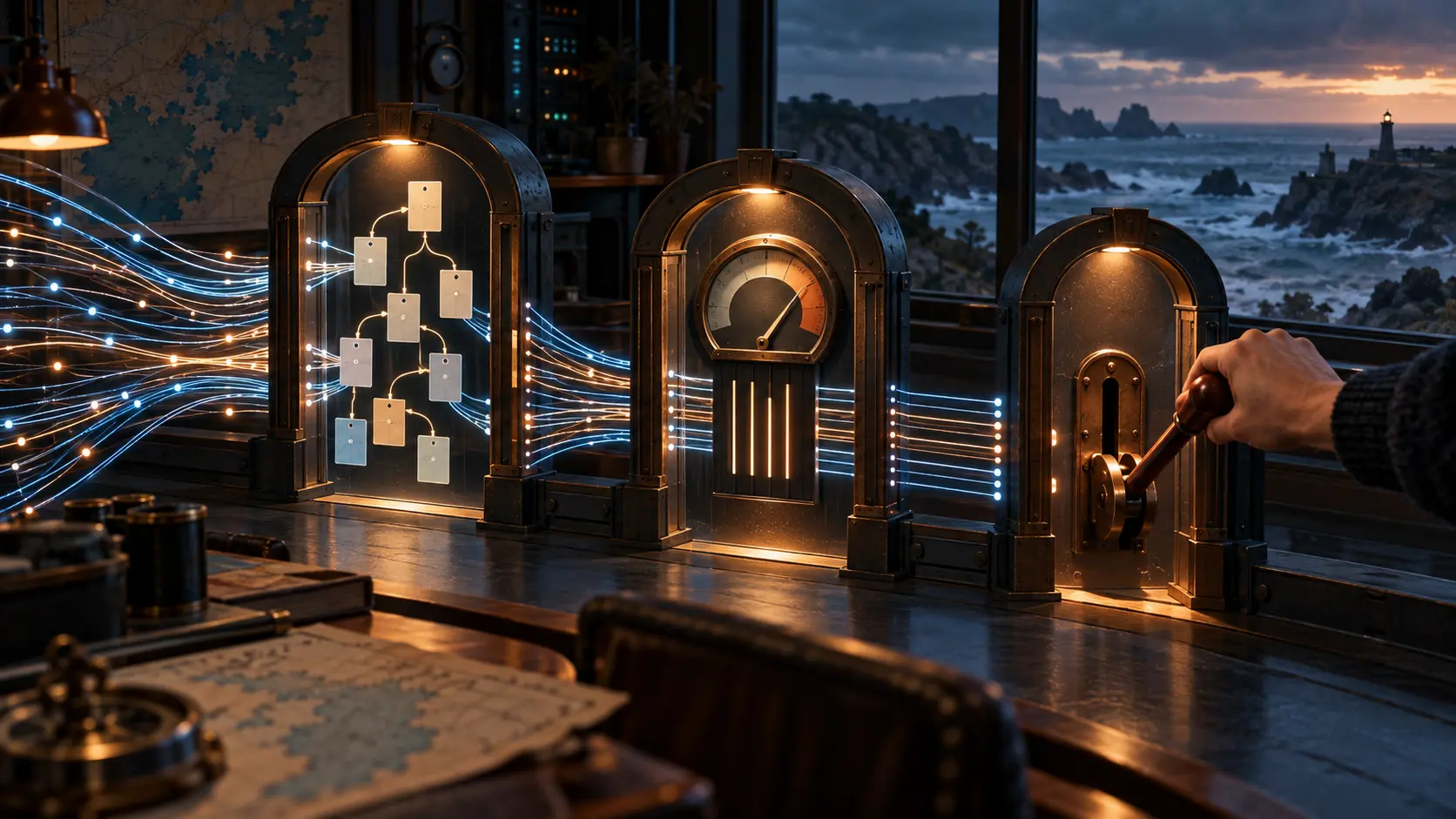
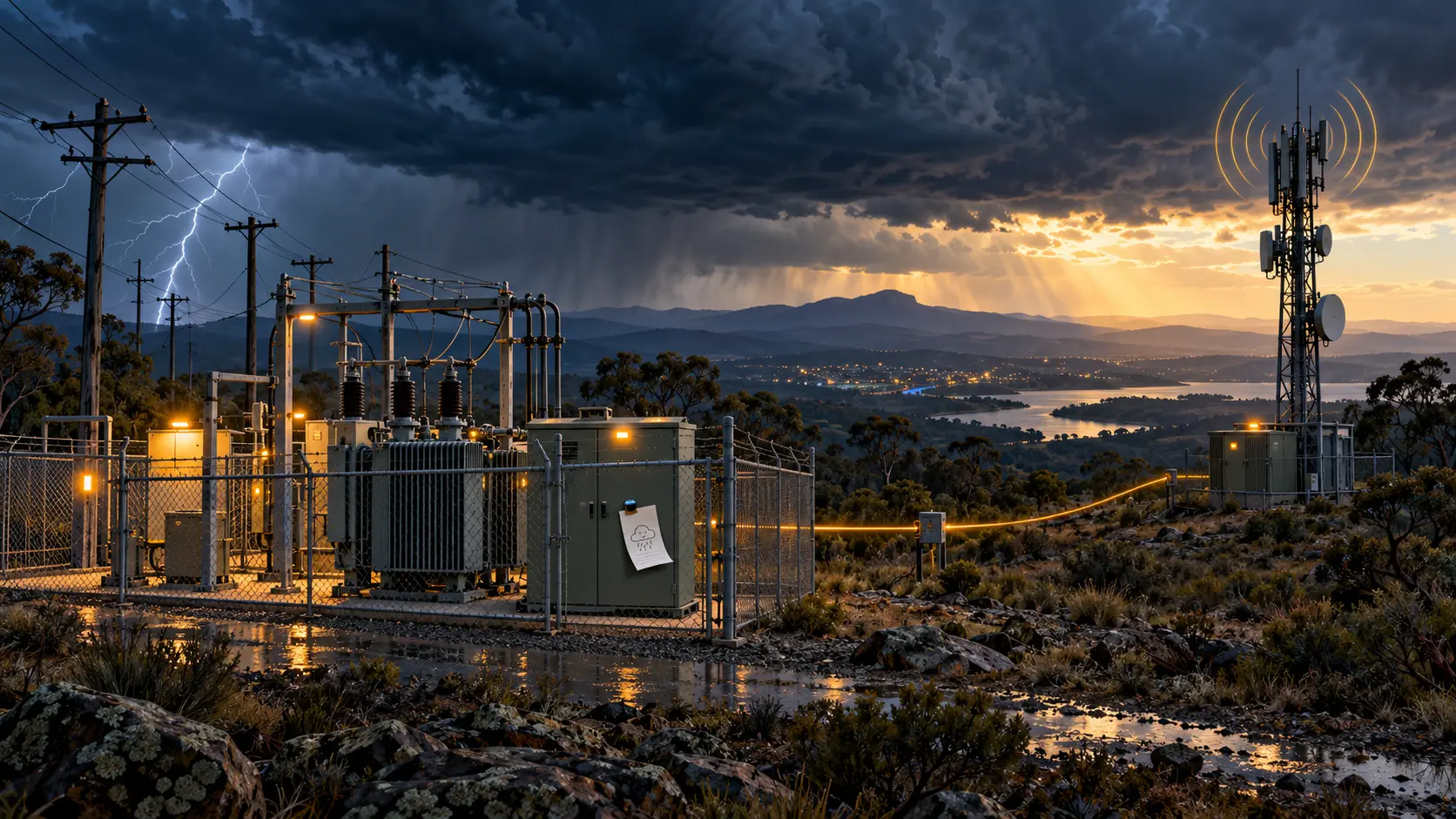
The cost of an outage does not stop at the substation. During a long weather-driven outage, a distributor may rely on telecommunications to coordinate repairs, issue warnings or keep essential services connected. Australia’s energy regulator has put that dependency into a draft spending test: before customers fund help that crosses into telecoms, the electricity company must show why the bill belongs to its network service. The storm sets the clock; regulation assigns the invoice.
The draft gives the boundary a test
The draft covers companies that run local electricity distribution networks—the wires carrying power to homes, shops and other customers. It calls resilience the ability of those networks and their support systems to keep delivering or restore electricity after long severe-weather outages. More than 12 hours is the usual guide, not a hard cutoff. Bushfire, drought, windstorm and flood are examples.
The sharper issue is community support. A distributor may propose measures that help people meet essential needs or maintain communications while power is restored, provided the proposal connects to a regulated network service. Where telecoms, transport, councils or emergency services are involved, the draft asks the distributor to show why existing coordination does not sufficiently support the community and why the distributor should be accountable for the proposed assistance. Interdependence opens the file; it does not fill in the cheque.
That is a real regulatory boundary, not a denial that services depend on one another. The AER’s explanatory statement says those links matter when assessing measures such as better communication and cross-agency data sharing. It also says a DNSP’s duties concern its network services, not the responsibilities of every essential-service provider. A cross-sector project therefore needs a traceable route from community benefit back to the electricity service being regulated.
“Resilience” still needs a cost case
The evidence burden is practical. The draft calls for risk and consequence evidence, climate research, historical outage comparisons, consumer input, reviews of past performance, cost-benefit comparisons with feasible alternatives and transparent costs. It also asks the distributor to avoid counting the same reliability benefit twice through incentive schemes. This is not a grant for anything wearing a resilience label; the label has to survive the spreadsheet.
The December decision
The Australian Energy Market Commission’s 2025 rule added resilience expenditure factors and directed the AER to issue guidelines by 1 December 2026. The AER published this draft on 17 September and closed submissions on 15 October. Its project page records 17 public submissions, including one late filing, and one confidential submission. The guideline is due on 1 December; that final text, especially its treatment of coordination and accountability, is the evidence that could change this reading.
The change matters beyond the substation. Communications systems can be part of how an electricity network plans and restores service, yet regulatory funding still follows the service boundary. The draft makes the distributor prove the bridge between them, rather than treating “everything is connected” as a spending category.
Sources
Member Briefing
Deeper Profile Context
Sign in with the right membership level to unlock the full briefing and source notes.
Only for Strategic Circle
Strategic Circle
Open to all readers. Unlock profile briefings after joining and signing in.
Join Strategic CircleOnly for Leadership Alliance
Leadership Alliance
For qualified IP-asset owners and management; sign in to unlock alliance briefings.
Join Leadership Alliance