

- As a breakthrough in the field of mobile communication, 5G technology features high speed, low latency, and large capacity, which will completely transform our way of life and business models. It is projected that by 2025, there will be 2.5 billion 5G users worldwide, and the 5G market size will reach $3.6 trillion.
- Under the impetus of 5G connectivity, innovative applications are emerging in various fields such as smart transportation, industrial Internet, and healthcare.
- The development of 5G faces some challenges, including infrastructure construction, spectrum utilization, digital divide, and network security. To address these issues, international cooperation is needed to establish reasonable spectrum allocation policies, improve spectrum utilization efficiency, and implement measures such as encrypted communication, enhanced network security, and the formulation of relevant regulations and policies to ensure data privacy and network security.
5G technology, as a groundbreaking advancement in the field of mobile communication, is set to revolutionize our way of life and business models with its high speed, low latency, and large capacity. It is projected that by 2025, there will be 2.5 billion 5G users worldwide, and the total market size of 5G will reach $3.6 trillion.
As a revolutionary technology, 5G holds immense significance for the development of society and economy. With the impetus of digital transformation, 5G connectivity is fostering innovative applications in various sectors such as intelligent transportation, industrial internet, and healthcare. The rapid and stable 5G network will bring about more efficient services and convenient experiences across industries, playing a vital role in driving sustainable social and economic development.
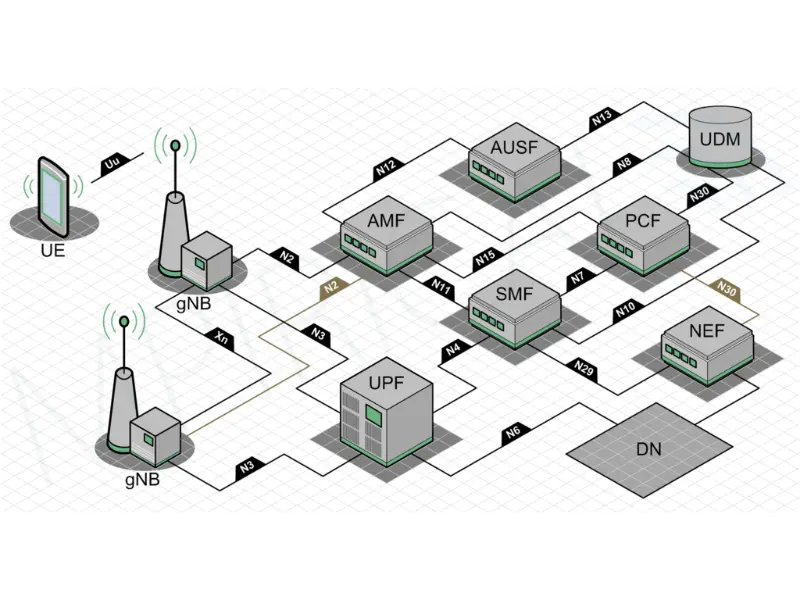
On the differences between 5G network and previous networks
5G network, as the fifth generation of mobile communication technology, represents a completely new wireless communication standard with significant improvements and upgrades compared to previous 4G and 3G networks. Its most prominent features include high speed, low latency, and large capacity.
The biggest difference between 5G network and previous networks lies in its higher speed and lower latency. The transmission rate can reach several tens or even hundreds of megabytes per second, which is many times faster than 4G network. Meanwhile, the latency of 5G network is only a few milliseconds, whereas the latency of 4G network is typically several tens of milliseconds. This means that users can download and upload data much faster on 5G network, enjoying a smoother online experience. Additionally, the low latency makes real-time interactions more reliable and seamless.
Moreover, 5G network boasts a larger capacity, allowing for more connections and data transmission. With the rise of the Internet of Things (IoT) and big data, we require a more powerful network to handle the massive data traffic. By utilizing more wireless spectrum resources and employing more efficient signal transmission technologies, 5G network can meet the growing demand for data.
On the construction and deployment of 5G infrastructure
The construction of 5G base stations is rapidly expanding worldwide. Countries are increasing the number of 5G base stations to provide wider coverage. For example, countries like China, the US, South Korea, and Japan have already built a large number of 5G base stations in major cities and important areas, and are gradually expanding to other regions.
On the spectrum utilization of 5G technology
5G technology utilizes different frequency bands for communication, including low, mid, and high frequencies. Each frequency band has its own characteristics and advantages in terms of transmission distance and capacity. Low-frequency bands provide wider coverage, mid-frequency bands offer higher transmission rates, and high-frequency bands enable greater bandwidth and capacity.
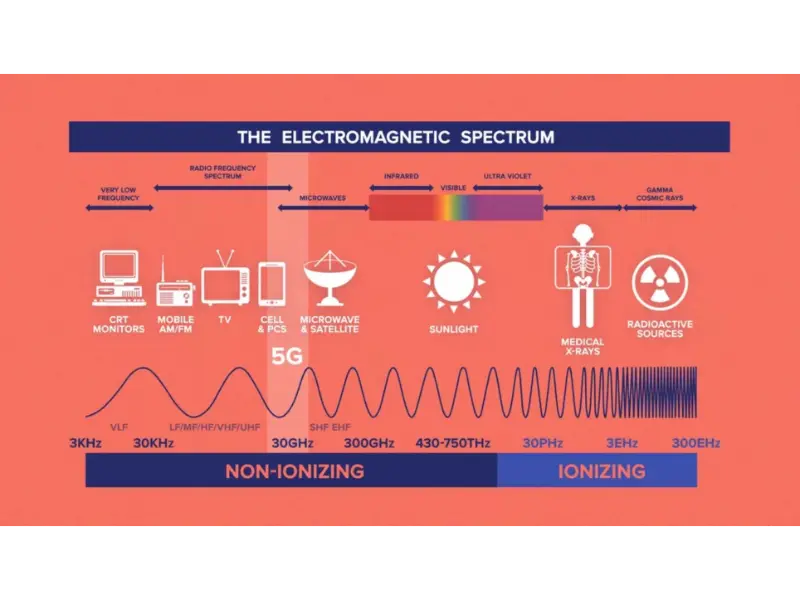
Challenges in spectrum allocation and management: The allocation and management of 5G spectrum present complex challenges. Due to limited spectrum resources, each country needs to formulate reasonable spectrum allocation policies and ensure efficient spectrum utilization. Additionally, utilizing different frequency bands also faces technical challenges such as interference and compatibility.
Also read:Top tech stories today: December 12, 2023
Potential solutions: Experts suggest adopting international cooperation to develop standards for spectrum allocation and management. Furthermore, improving spectrum utilization efficiency can be achieved through technological innovation and spectrum sharing initiatives.
Pop quiz
What is the biggest difference between 5G network and previous networks like 4G and 3G?
A.The transmission rate can reach several tens or even hundreds of megabytes per second.
B.The latency of 5G network is only a few milliseconds, whereas the latency of 4G network is typically several tens of milliseconds.
C.5G network boasts a larger capacity, allowing for more connections and data transmission.
The answer is in the bottom of the article
The multifaceted applications of 5G connectivity
The Revolutionary Impact of 5G in Intelligent Transportation, Industrial Automation, and Healthcare: Application of 5G in Intelligent Transportation Systems and Autonomous Driving: With its stable and low-latency connectivity, 5G networks are poised to revolutionize intelligent transportation systems and autonomous driving. Real-time communication between vehicles enabled by 5G enhances traffic safety and facilitates road condition monitoring. Moreover, the seamless connectivity between vehicles and infrastructure provided by 5G networks enables smarter traffic management.
5G’s Impact on Industrial Internet of Things and Smart Manufacturing: The introduction of 5G networks will bring about unprecedented progress in the realm of the industrial internet of things and smart manufacturing. Leveraging the lightning-fast connectivity offered by 5G, factories and devices can engage in real-time communication and remote operations. This capability elevates production efficiency, flexibility, and fuels the growth of industrial automation and intelligent manufacturing.
The Role of 5G in Healthcare and Telemedicine: The immense potential of 5G networks extends to the healthcare sector, particularly in the domains of telemedicine and remote healthcare services. Leveraging 5G connectivity, doctors and patients can partake in remote diagnosis, monitoring, and even remote surgeries or medical consultations. These advancements significantly amplify the accessibility and efficiency of healthcare services, particularly in underserved regions with limited medical resources.
The social impacts and challenges of 5G connectivity.
One of the issues brought about by 5G is the digital divide, which could worsen the information and technology disparities between urban and developed areas compared to underdeveloped regions due to the high costs associated with its deployment. To address this, policies and measures are needed to promote the adoption and expansion of 5G networks. Additionally, efforts to lower equipment costs and educate the public on 5G technology could help bridge the digital divide.
Also read:Where did the metaverse go? And will Apple’s Vision Pro bring it back?
Another challenge is data privacy and network security since more devices are connected and data transmitted. Measures like encrypted communication, reinforced network security, and relevant regulations and policies can be taken to tackle these issues. It is also essential for users and organizations to enhance their awareness of network security and protect personal information.
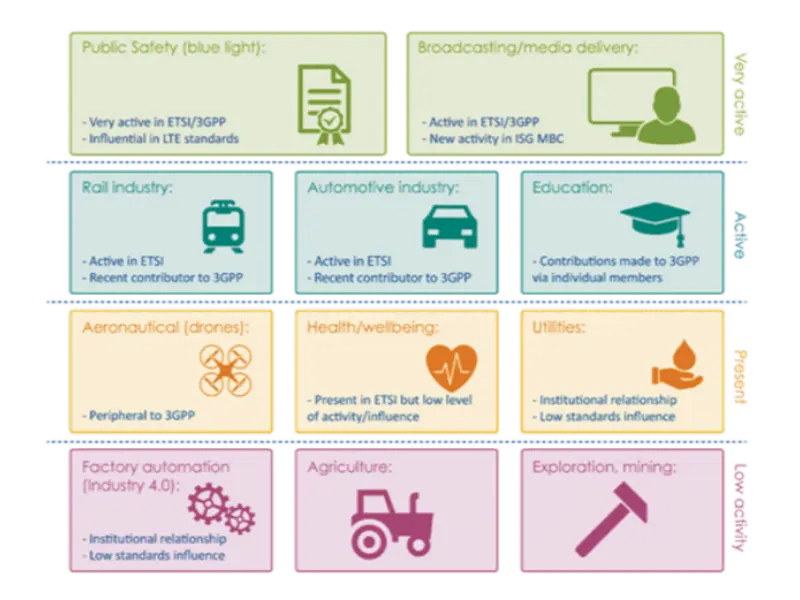
5G technology use cases – who would be interested in 5G?
5G technology has sparked interest from various groups, including technology companies, professionals, consumers, governments, and businesses. These groups can all benefit from 5G technology by obtaining better internet connectivity, enhanced streaming experiences, improved public safety, and increased productivity, among other advantages.
in conclusion, 5G connectivity offers significant opportunities for transformation and innovation in various fields, thanks to its high speed, low latency, and large capacity. However, the development of 5G also faces challenges such as infrastructure deployment, spectrum utilization, digital divide, and network security. By fostering international cooperation and implementing comprehensive measures, we can promote the development and application of 5G networks while maximizing their potential.